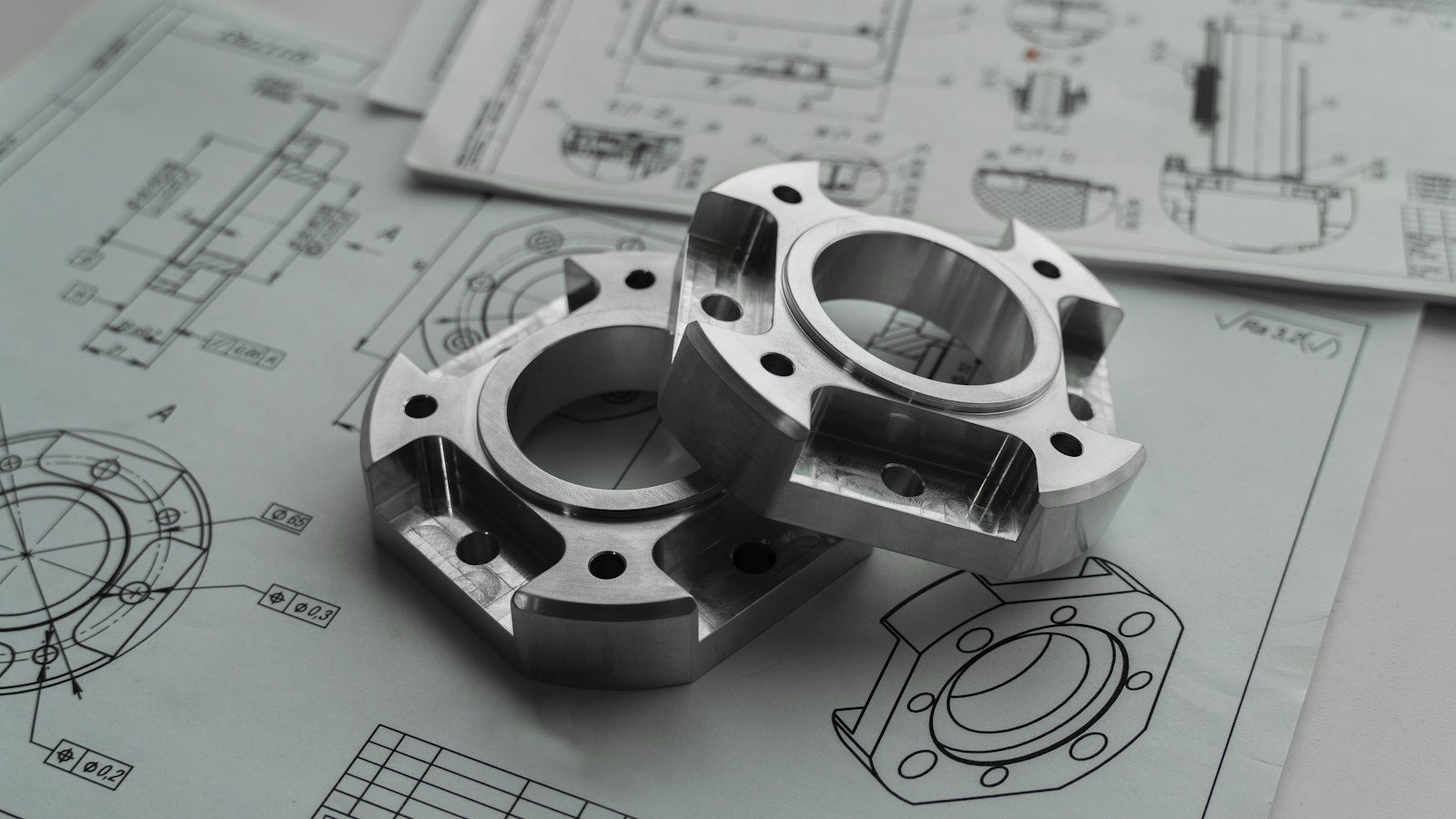
Rapid Prototyping Services
CNC machined, sheet metal, 3D printed, vacuum cast and injection molded prototypes from Bohui's own factory in Dongguan, China.
Tell us what your prototype must prove: appearance, fit, function or readiness for production. Our engineers recommend the process, review your design free of charge and send a quote within 24 hours, with simple parts often quoted in 2–4 hours. Simple CNC prototypes have typical lead times of 1–3 days, and one-piece orders are welcome.
What Is Rapid Prototyping?
Rapid prototyping turns a CAD model into physical parts in days rather than the weeks production tooling needs: simple printed and machined prototypes typically take 1–3 days. Engineers use prototypes to hold a design in their hands, check how parts fit together and test function before they commit to molds, dies or large orders.
Each round of prototypes answers questions while changes are still cheap. A problem found on a printed model costs a new file; the same problem found after a steel mold is cut costs a mold change and weeks of delay. Short prototype cycles shorten development and lower the risk of a launch.
The right process depends on the question the prototype must answer. Concept and appearance models are often 3D printed. Functional parts in the final material are CNC machined or made by sheet metal fabrication. Small series of production-like plastic parts come from vacuum casting or injection molding.
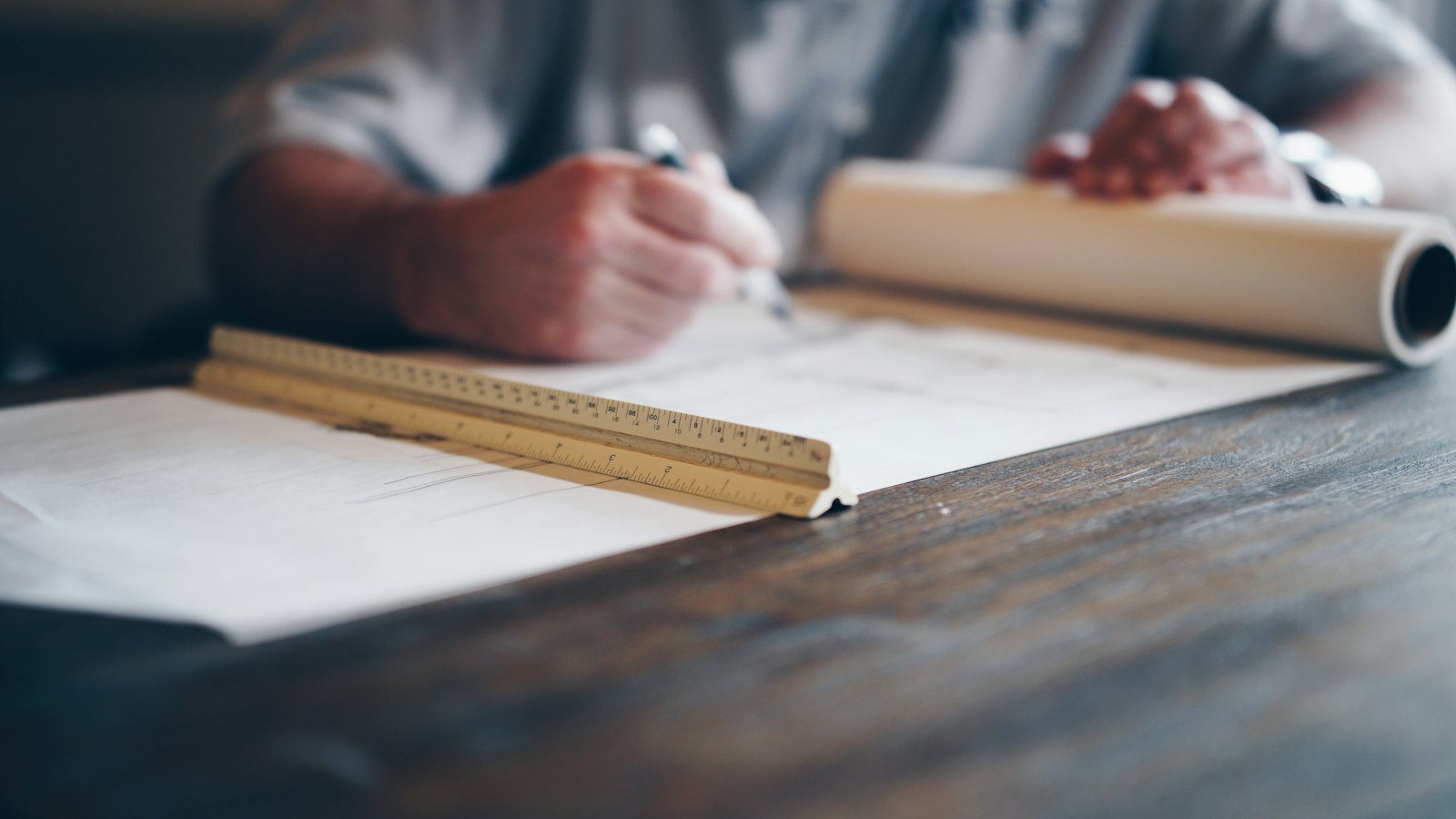
Our Rapid Prototyping Services
Five processes cover most prototype needs, from a single printed concept model to a series of cast or molded test parts. All of them run in our own factory, so a project can move from one process to the next without changing supplier.
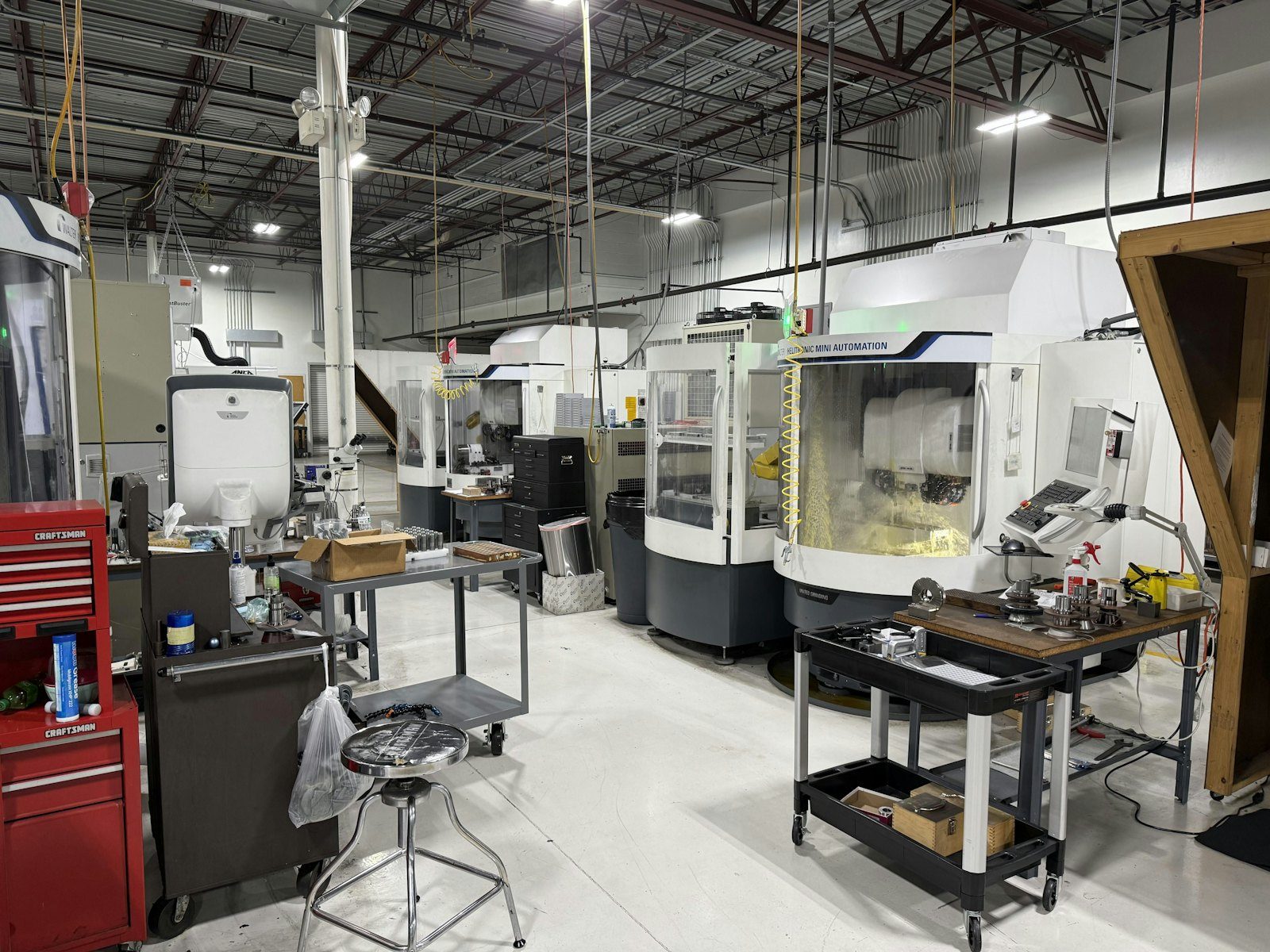
CNC Machining
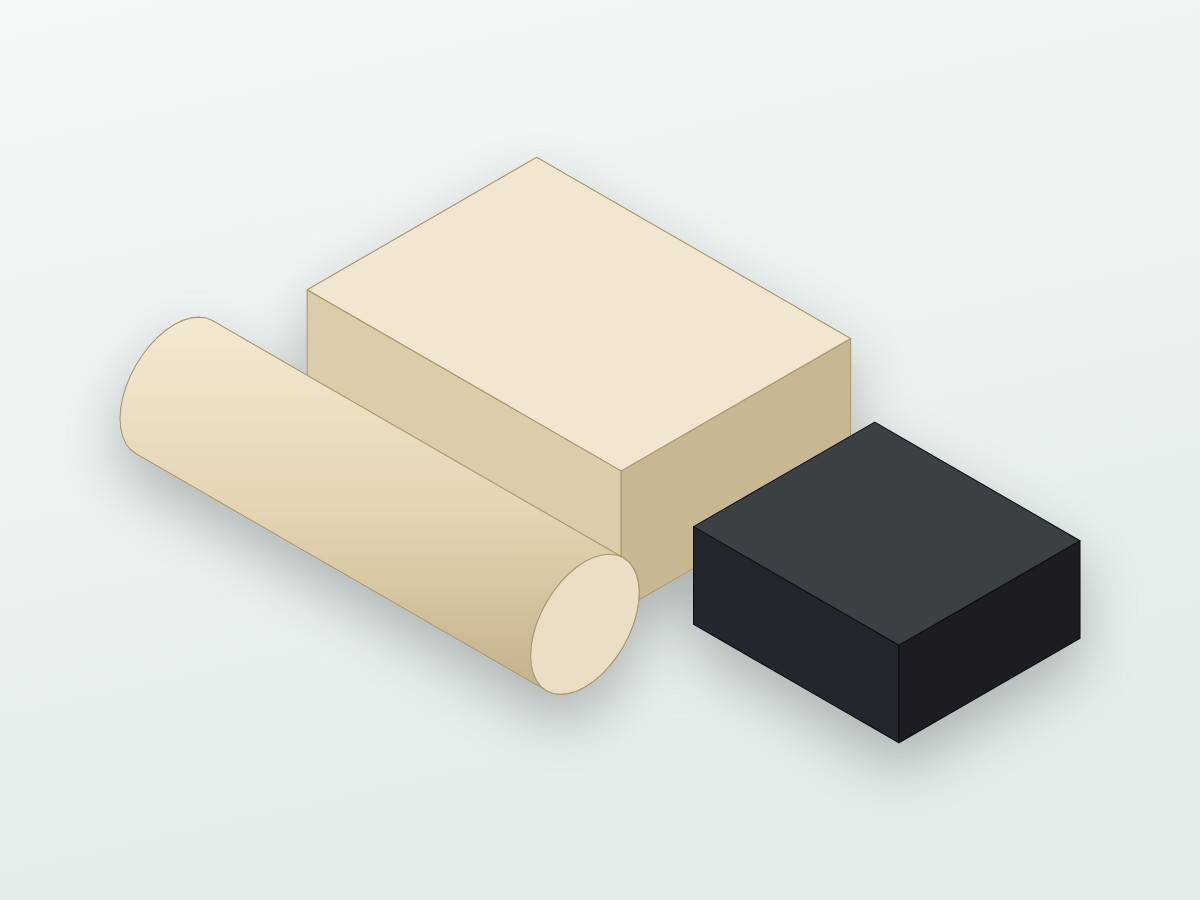
Milling and turning cut prototypes from solid metal or plastic stock, so each part has the full strength of the production material. CNC is the first choice for functional tests, fit checks and tight tolerances, and the cost per part makes several design variants affordable.
- 200+ CNC machines, including 20+ five-axis machines
- Aluminum, steel, stainless steel, brass, copper and plastics
- Urgent prototypes prioritized, depending on capacity
- Typical lead time
- 1–3 days simple, 3–7 days complex
- Tolerance
- ±0.05 mm standard; ±0.01–0.02 mm precision
- Maximum size
- Milling 4000 × 1500 × 600 mm; turning Ø200 × 500 mm
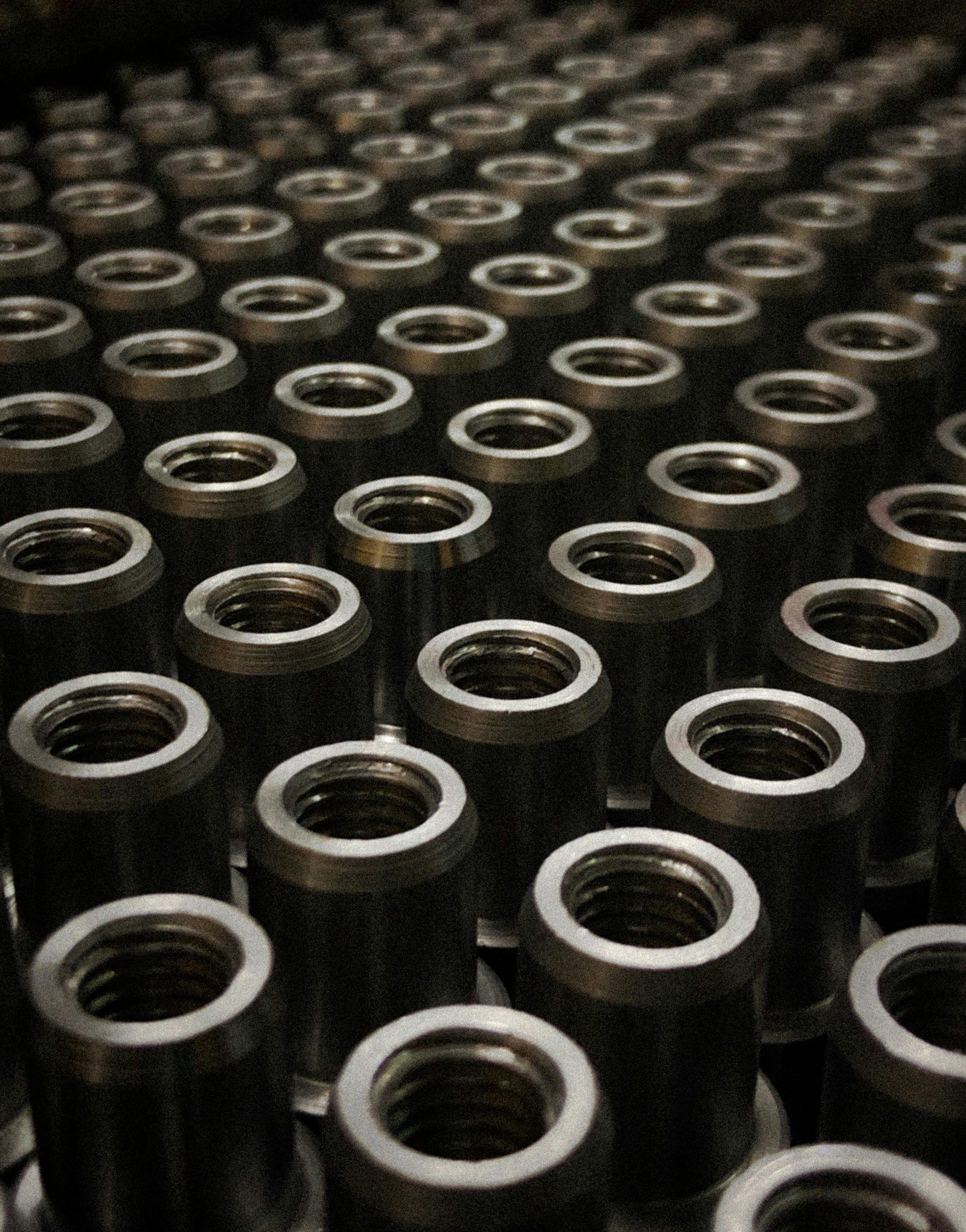
Sheet Metal
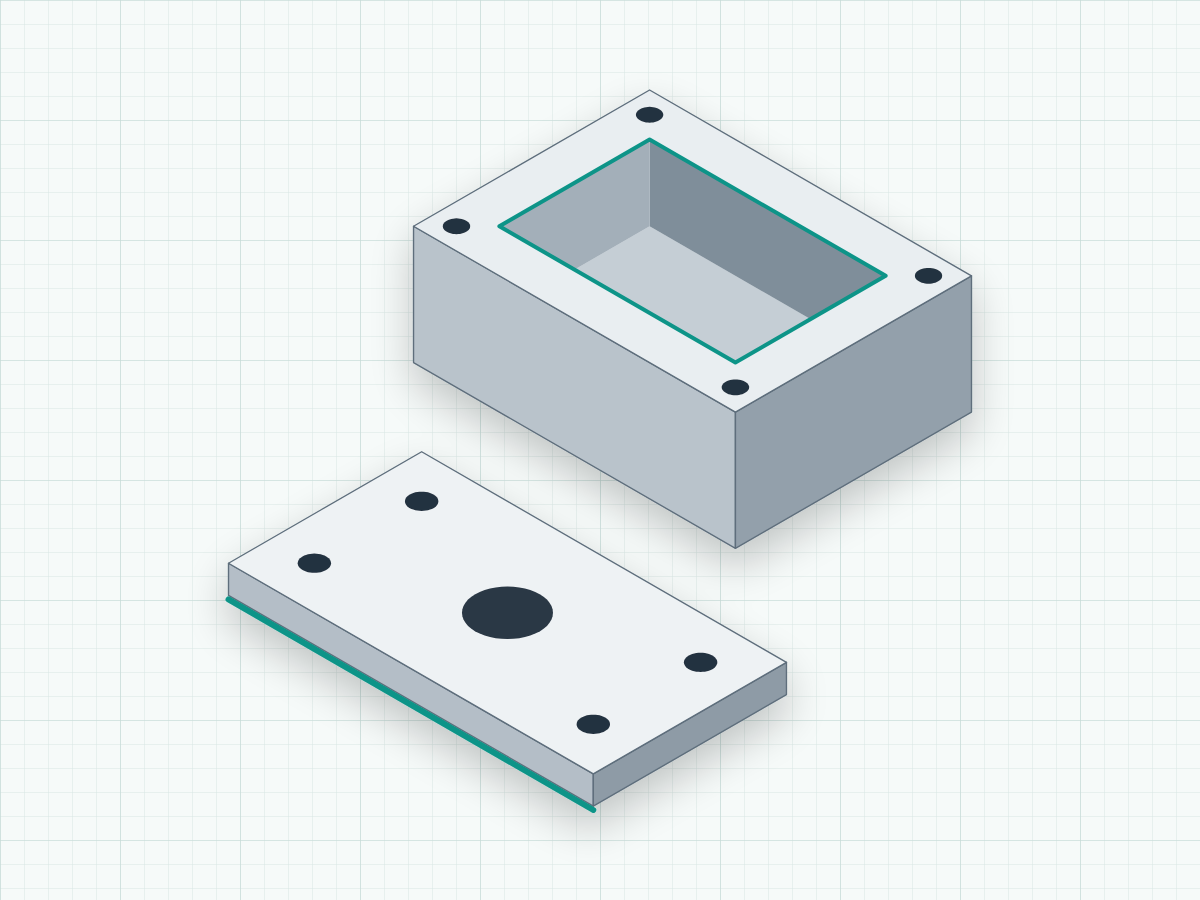
Laser cutting and press-brake bending turn flat sheet into enclosures, brackets and panels in their final metal without hard tooling, so several design versions can be made side by side. Aluminum 5052 is the usual choice for bent prototypes; steel, stainless steel and copper are also available.
- Laser cutting, punching, bending, welding and hardware
- General tolerances to ISO 2768-m or ISO 2768-c
- Typical lead time
- 3–7 days for 1–50 pieces
- Cut features
- ±0.2 mm; bend to hole ±0.2 mm
- Bends
- Angle ±1.0°; bend to edge ±0.254 mm
3D Printing
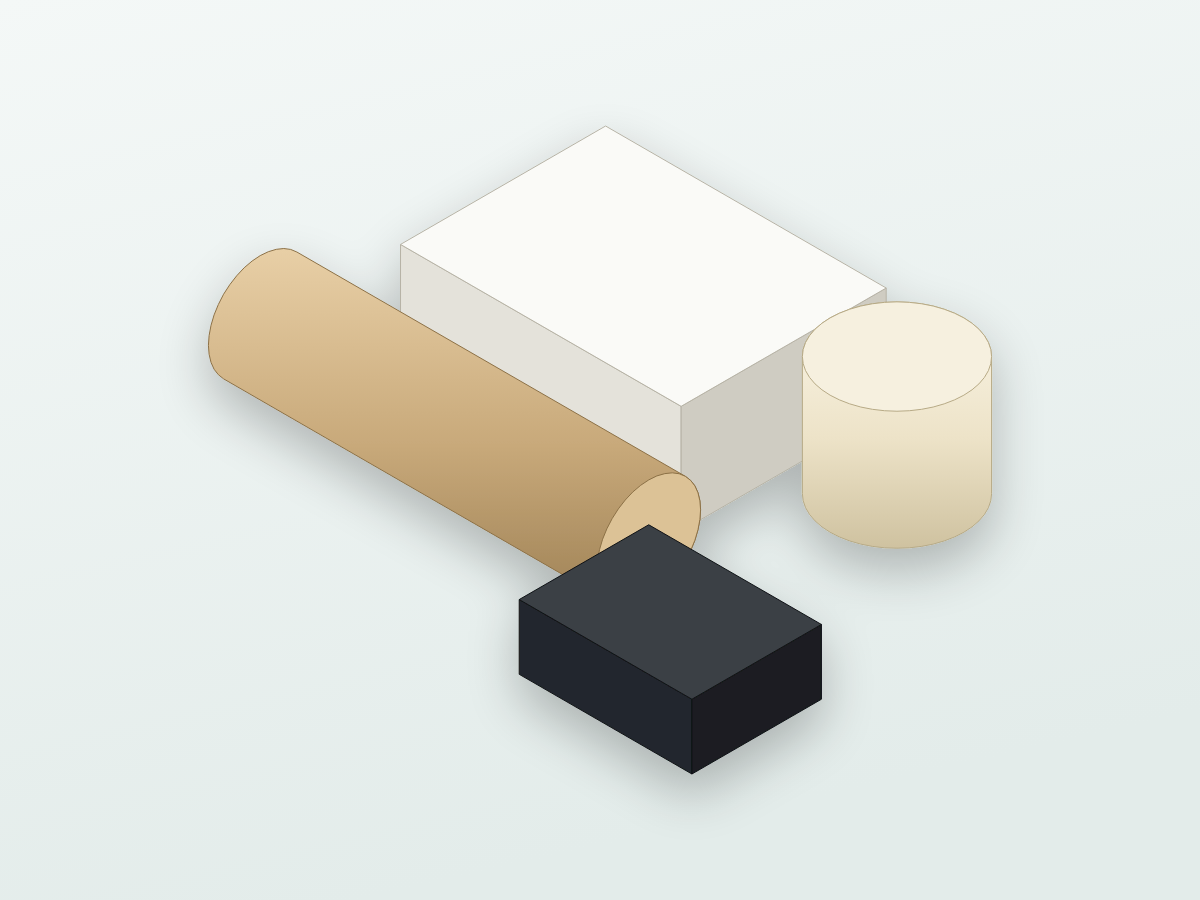
Additive processes build parts layer by layer straight from the CAD file, with no tooling and almost no limits on shape. SLA gives the finest detail and smooth or clear surfaces, SLS and MJF give strong nylon parts for functional tests, FDM prints large parts up to about 914 mm in ABS, PC or ULTEM, and SLM prints metal parts with internal channels.
- Concept models, ergonomic studies and complex internal features
- Typical lead time
- From 1 day; 4–6 business days standard
- Tolerance
- ±0.2 mm; ±0.15% above 100 mm (SLA)
- Maximum build
- 1400 × 700 × 500 mm (SLA)
Vacuum Casting
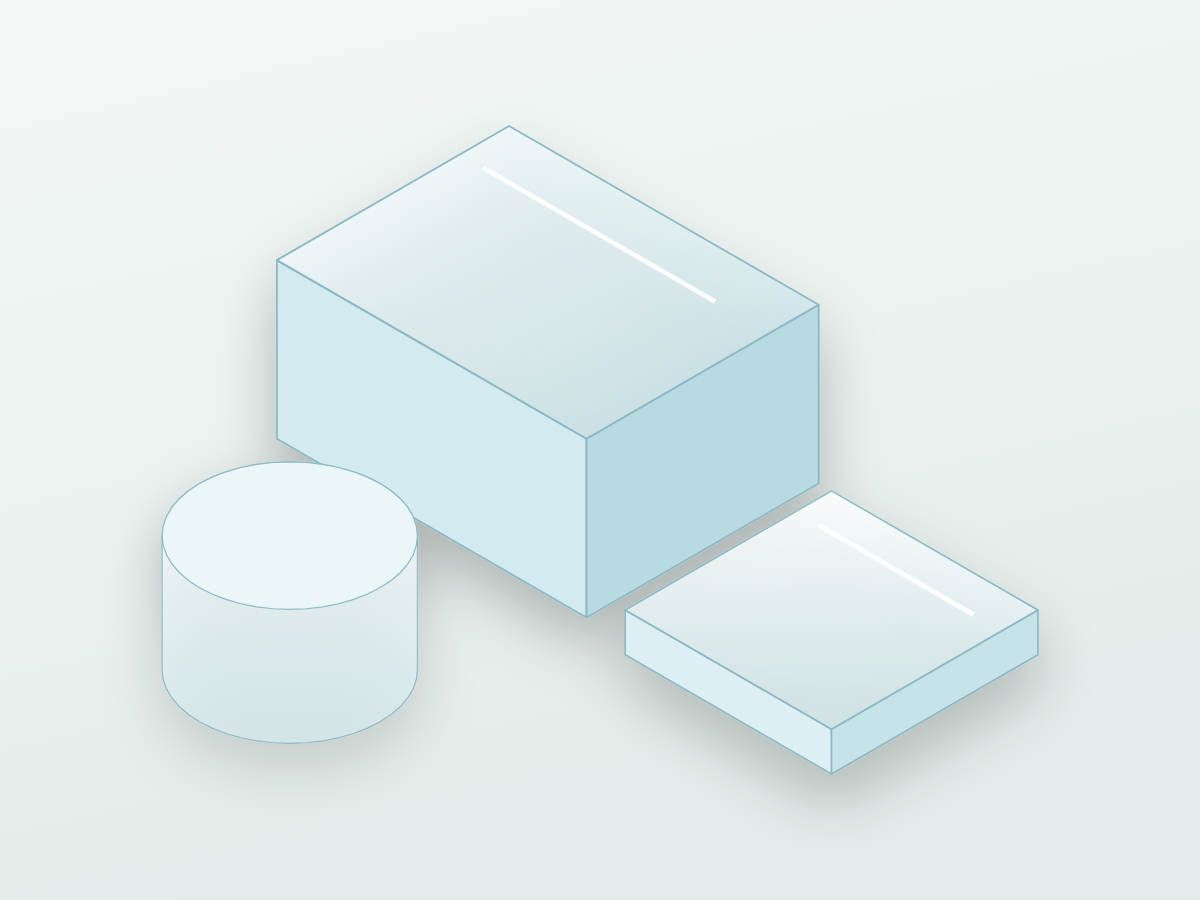
A master model is made by CNC machining or 3D printing, a silicone mold is cast around it, and polyurethane resin is poured into the mold under vacuum. Cast parts reproduce fine detail and texture and imitate ABS, PC, PP or rubber, which suits test series and trade-show samples.
- Rigid, flexible, clear and colored resins
- Quantity
- 5–100 pieces per project
- Typical lead time
- From about 5 days; 20 parts within 15 days
- Tolerance
- About ±0.2 mm
Injection Molding
Prototype molds in aluminum or steel, designed and made in our own factory, produce parts in the actual production resin by the real process. Use them when tests need exact material properties, for certification samples or as bridge tooling while production molds are built; the same mold can stay in use for early production.
- Single-cavity, multi-cavity and family molds
- Typical lead time
- T1 from about 2 weeks; expedited from 5 days
- Repeatability
- ±0.1 mm part to part
- Maximum part size
- 1200 × 1000 × 500 mm
How to Choose the Right Prototyping Method
Start from the question your prototype must answer, the material it must be made of and the number of parts you need. The cards compare the strengths and limits of each process, and our engineers confirm the choice in your quote.
CNC Machining
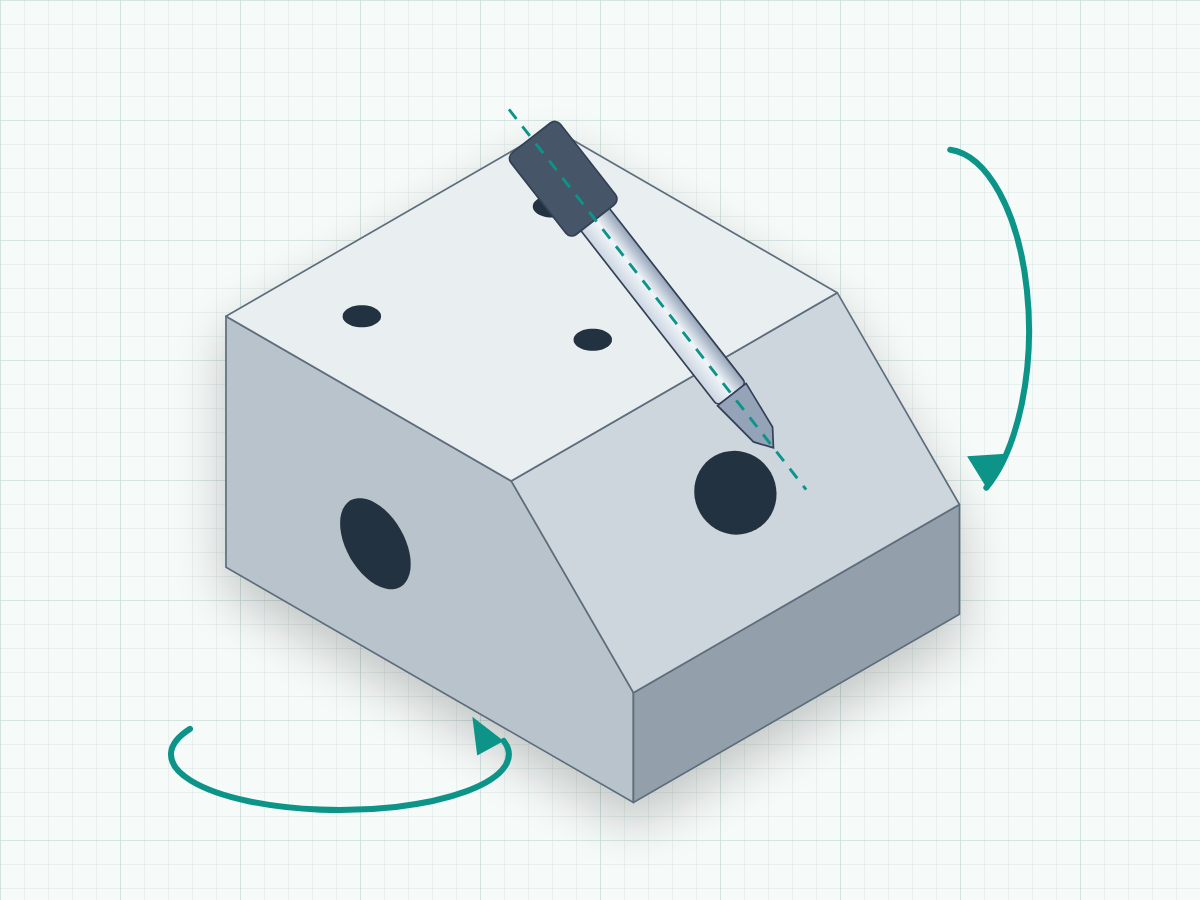
Choose CNC when a prototype must be strong, accurate and made from the production metal or plastic, for example housings, brackets, shafts and mechanisms that go into functional tests or field trials.
- Strengths
- Real materials, tight tolerances, durable parts
- Limits
- Higher cost than printing for complex shapes
Sheet Metal Fabrication
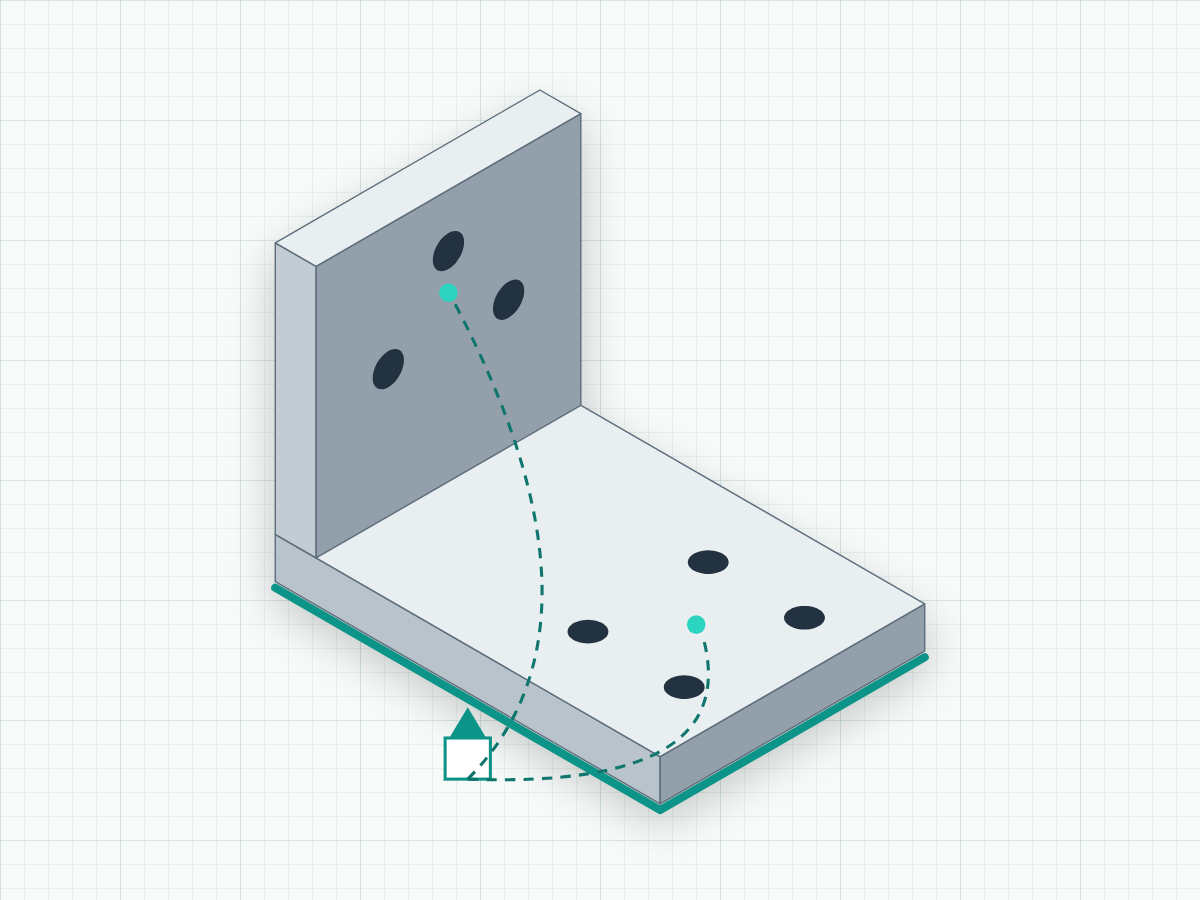
Choose sheet metal for enclosures, chassis, brackets and panels that will be made from sheet in production, so bend radii, flat patterns and hardware positions are proven before volume orders start.
- Strengths
- Durable, quick to modify, same process as production
- Limits
- One wall thickness; no detailed 3D shapes
3D Printing
Choose 3D printing for the fastest and lowest-cost first look at a design, for complex shapes and internal features that other processes cannot reach, and for testing several design versions side by side.
- Strengths
- No tooling, any geometry, fast iterations
- Limits
- Material properties and surfaces differ from production parts
Vacuum Casting
Choose vacuum casting when you need 5 to 100 plastic parts that look and feel like molded production parts, for user trials, marketing samples, functional pre-tests or a small pilot build.
- Strengths
- Molded look, fine detail, low tooling cost
- Limits
- Resins only imitate production plastics; molds wear
Injection Molding
Choose prototype molding when tests require the production resin and process, when you need hundreds of identical parts, or when the prototype mold should continue as bridge tooling for the launch.
- Strengths
- Production material, repeatable, scales to volume
- Limits
- Mold cost and lead time; changes mean mold work
Design and Engineering
Not sure which process fits, or is your design still a sketch? Our engineers can create a simple 3D model, and our design services help shape the product structure and its manufacturability before the first prototype.
- Free
- DFM review with every quote
- On request
- Simple 3D models from sketches
Why Choose Bohui for Rapid Prototyping
Good prototypes come from three things: parts made to standard, short rounds between design changes and engineers who help between them.
High-quality prototypes
Prototypes are made from quality materials with precise processes in our own factory in Dongguan, certified to ISO 9001, ISO 13485, ISO 14001 and IATF 16949, and critical features are checked on ZEISS CMM. If a part is wrong because of a manufacturing error on our side, we remake it free of charge.
Fast iterations
Engineer-reviewed quotes within 24 hours, simple parts often quoted in 2–4 hours, and typical lead times of 1–3 days for simple CNC parts. Small design changes between rounds usually need no new quote, so the next iteration starts quickly and development time shrinks.
Engineering support
Every quote includes a free DFM review. Our engineers help with design optimization and technical problems, suggest the process that answers your test question at the lowest cost, can create a simple 3D model from your sketch, and one project contact follows you to production.
We Support You from Prototyping to Production
The same engineers, files and inspection plan follow your part from the first prototype through verification to volume production, so the lessons of each round carry forward.
- 01Rapid prototypes
Fast first parts for appearance, fit and early function, made by whichever process answers the question quickest and refined over several rounds.
- 02Design and engineering validationEVT · DVT · PVT
Prototypes in production materials and processes for EVT, DVT and PVT builds, where performance, reliability and manufacturability are tested before the design is frozen.
- 03Volume production
The approved samples become the reference for pilot batches and production runs, with the same tolerances and inspection plan for every later order.
Rapid Prototyping FAQs
Which prototyping process should I choose?
Start from what the prototype must prove. For appearance and concept models, 3D printing is fastest. For functional tests in the final material, choose CNC machining for solid parts and sheet metal for enclosures and brackets. For 5 to 100 molded-looking plastic parts, use vacuum casting; when tests need the production resin, use a prototype mold.
Can one prototype combine several processes?
Yes, and many do: a sheet metal chassis, CNC machined mounts and a printed or cast housing, with threaded inserts and hardware. Because all five processes run in our own factory, the parts are reviewed together for fit, made to one schedule and shipped together, and our assembly service can deliver them as a finished unit.
How many prototype rounds should I plan?
Most products pass through concept models, functional prototypes and pre-production parts made by the production process, so two or three rounds before tooling are common. Change only what the last round taught you, so results stay comparable. Our verification phase page explains how EVT, DVT and PVT builds fit in.
Are prototype materials the same as in production?
CNC machined and sheet metal prototypes use the same metals and plastics as production, and molded prototypes use the production resin, so test results transfer directly. Printed and cast parts use materials that imitate production plastics: close in look and stiffness, but heat and impact resistance can differ, so confirm critical tests on final-material parts.
What tolerances can prototypes hold?
CNC machining holds ±0.05 mm as standard and ±0.01–0.02 mm on reviewed precision features. Sheet metal holds ±0.2 mm on cut features and ±1.0° on bends, and 3D printing and vacuum casting about ±0.2 mm, depending on size and geometry. Mark the critical dimensions on your drawing, and we confirm them in the quote.
Can prototypes look like production parts?
Yes. Prototypes can receive production finishes such as anodizing, sand blasting, painting to RAL or Pantone colors, plating and polishing, applied in our own factory, so appearance models and marketing samples look like the final product. Tell us which faces are visible and which must fit, because coatings add thickness. See all options on our surface finishes page.
How fast can I get prototypes?
Quotes arrive within 24 hours, simple parts often in 2–4 hours. Typical lead times are 1–3 days for simple CNC parts and 3–7 days for complex ones, 3–7 days for sheet metal, about 4–6 business days for 3D printing (simple prints often in 1 day), from about 5 days for simple cast parts (up to 20 parts in 15 days or less) and about two weeks to the first molded samples, or from 5 days when expedited. Urgent prototypes are prioritized, depending on capacity.
Is there a minimum order quantity?
No. One-piece prototypes are welcome for every process. For vacuum casting and prototype molds, the mold is a one-time cost, so the price per part falls as quantity rises; ask for two or three quantities in one quote to compare. Several design variants are often cheaper to make in one order than one after another.
Which files should I send?
Send 3D models in STEP, STP or IGES format with a PDF drawing that shows tolerances, materials, finishes and critical dimensions. If you only have a sketch, our engineers can create a simple 3D model. Tell us what the prototype must test, the quantity and the date you need it, and we plan the fastest route.
Start Your Prototype Project
Send your models and drawings, and tell us what the prototype must prove. Our engineers will reply with a process recommendation, free DFM feedback and a quote within 24 hours.

Jane
BOHUI PROTOTYPES LIMITED
Tell me what you want to test, how many parts or design variants you need and the date your prototypes must be ready.
You can send your request first and add files later by email or WhatsApp. For confidential designs, contact me before sharing files.
Jane
BOHUI PROTOTYPES LIMITED
- Address: Xiaobian Street, Chang'an Town, Dongguan City, Guangdong Province, China
Request a Quote
Fields marked are required.