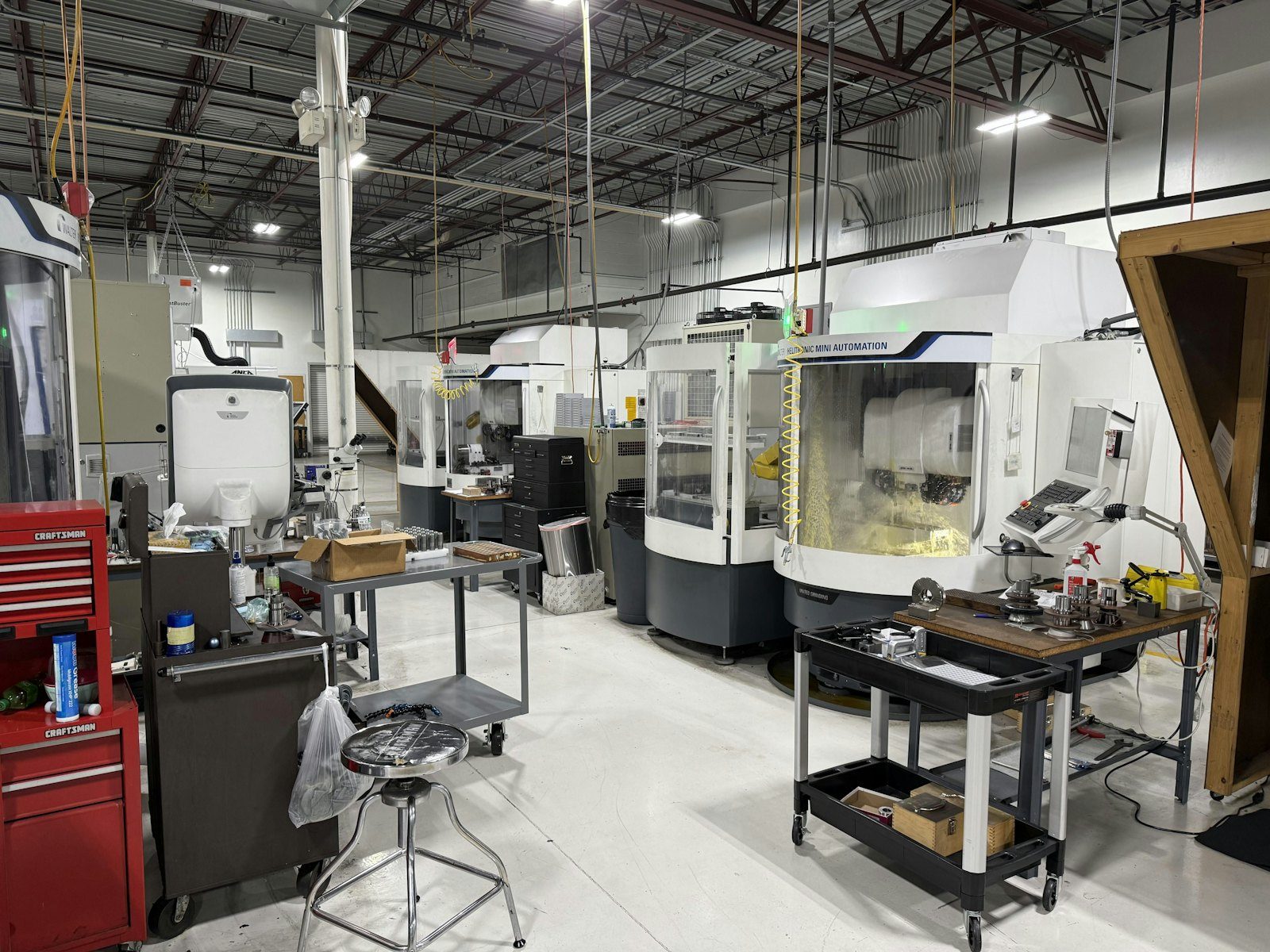
Custom Injection Molding Services
Plastic prototypes and production parts molded in Bohui's own factory in Dongguan, in molds we design and build in-house, from aluminum prototype molds to hardened multi-cavity production tools.
Send your 3D model and get an engineer-reviewed quote for the mold and the parts within 24 hours, with free DFM feedback on draft, wall thickness and gating. T1 samples typically follow from 2 weeks, and there is no minimum order quantity. We mold commodity plastics, engineering plastics and thermoplastic elastomers on presses from 90 to 830 tons. Our factory is certified to ISO 9001, ISO 13485, ISO 14001 and IATF 16949, and we ship to customers in more than 120 countries.
Injection Molding Capabilities and Tolerances
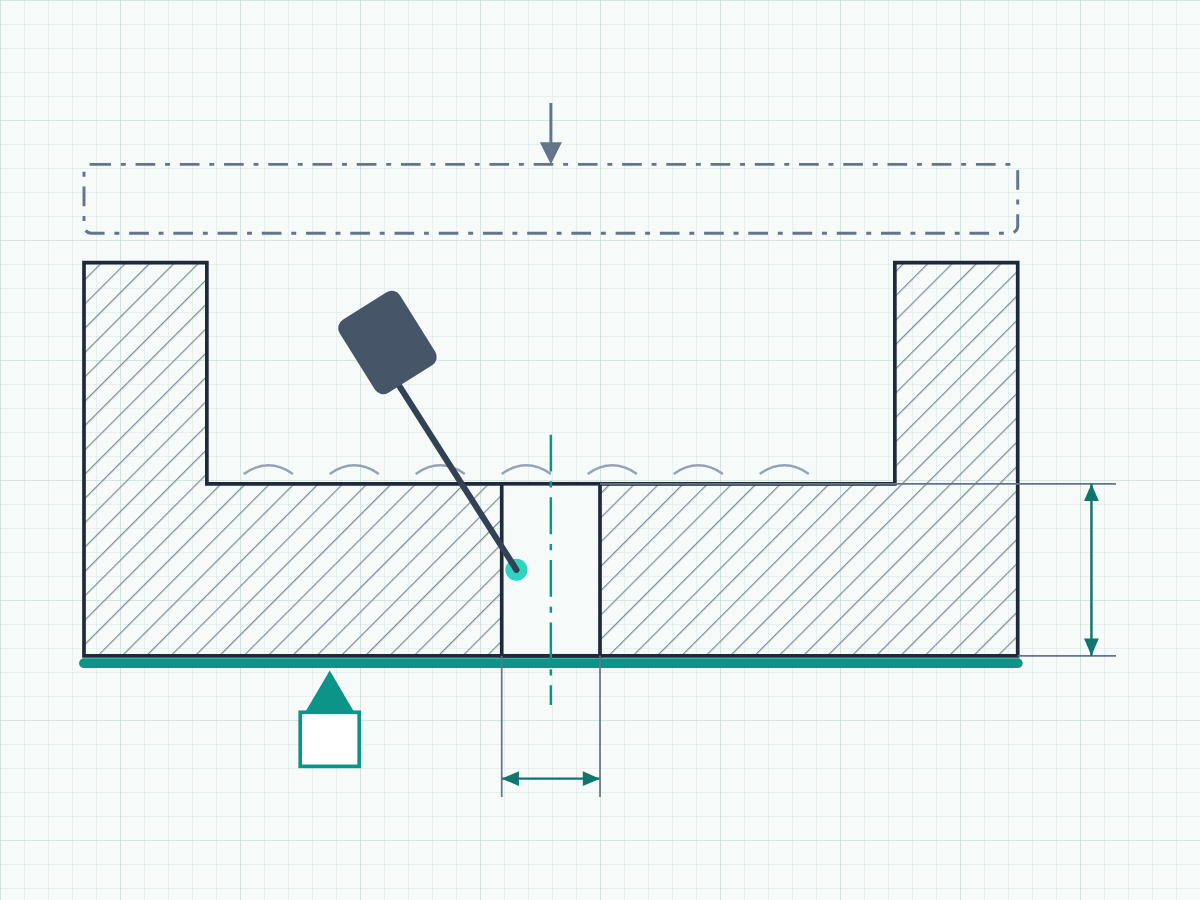
Our injection molding service covers every stage from mold design to delivery, for prototypes and production parts alike. These are our standard capabilities. The tolerance a molded dimension can hold depends on the resin's shrinkage, the wall thickness and the distance from the gate, so mark critical dimensions on your drawing; our engineers confirm feasibility, mold steel and cavity count in your quote.
| Specification | Standard | Notes |
|---|---|---|
| Part size | 5 × 5 × 5 mm to 1200 × 1000 × 500 mm | Press size follows the part's projected area and shot weight. |
| Press clamping force | 90–830 t | From small clips and connectors to large housings and panels. |
| Mold cavity tolerance | ±0.02 mm | Cavity and core dimensions as machined in steel or aluminum in our own factory. |
| Part-to-part repeatability | ±0.1 mm | Shot-to-shot variation once the process is set; critical features are fine-tuned after T1. |
| Mold cavities | Single-cavity, multi-cavity and family molds | The cavity count follows your annual volume, part size and unit-cost target. |
| Tool life classes | Below 1,000, 5,000 or 30,000 shots, or over 100,000 shots | Aluminum and pre-hardened steel for prototypes and bridge runs; hardened steel for long production. |
| Undercuts | Side actions (slides) and lifters | Side holes, clips and snap-fit hooks are released without damaging the part. |
| Lead time | T1 samples from 2 weeks | Most orders are completed within 15 working days; large, multi-cavity or multi-slide molds take longer. |
Plastic Injection Molding Services for Custom Parts
Choose the molding process that fits your part design, material and volume. Every mold is designed and built in our own factory, and our engineers support each project from DFM review and mold design through T1 samples to series production.
Injection Molding
Dried resin pellets are melted, injected under high pressure into a closed mold, cooled and ejected as finished parts in cycles of a few seconds to about a minute. Once the process window is set, every shot repeats the same geometry, which makes molding the most economical route for thousands to hundreds of thousands of identical plastic parts.
- Presses
- 90–830 t
- Part size
- 5 × 5 × 5 to 1200 × 1000 × 500 mm
- Repeatability
- ±0.1 mm part to part
Injection Mold Tooling
We design and build each mold in our own factory around your part geometry, resin, volume and expected tool life. Our engineers place the parting line, gates, ejector pins and cooling channels, run a mold flow analysis to predict filling, weld lines and warpage, and confirm the mold design with you before the cavity and core are machined and polished.
- Cavity tolerance
- ±0.02 mm
- Mold steels
- Aluminum, P20, 718H, NAK80, H13, S136, 8407
- Runners
- Cold or hot
Overmolding
A second material, usually a thermoplastic elastomer, is molded over a rigid plastic or metal substrate to add soft-touch grips, seals, bumpers or electrical insulation in one part. The substrate is molded first and placed in the overmold tool; we match a bondable TPE or TPU grade to it, or design undercuts and through-holes that lock the two materials together mechanically.
- Bonds to
- PP, ABS, PC and nylon
- Soft layer
- Typically Shore 30A to 90A
- Typical uses
- Handles, grips, seals, straps, housings
Insert Molding
Metal components such as threaded brass inserts, pins, terminals, bushings or stamped contacts are placed in the mold, and plastic is injected around them. The result is one component with strong, reusable threads or embedded conductors, fewer assembly steps and no loose parts. Inserts sit on pins or in pockets, so they cannot shift under injection pressure.
- Typical inserts
- Threaded inserts, pins, terminals, bushings, stampings
- Insert design
- Knurled or grooved; preheated where needed to reduce stress
- Typical parts
- Connectors, knobs, sensor housings, electrical parts
Multi-Cavity and Family Molds
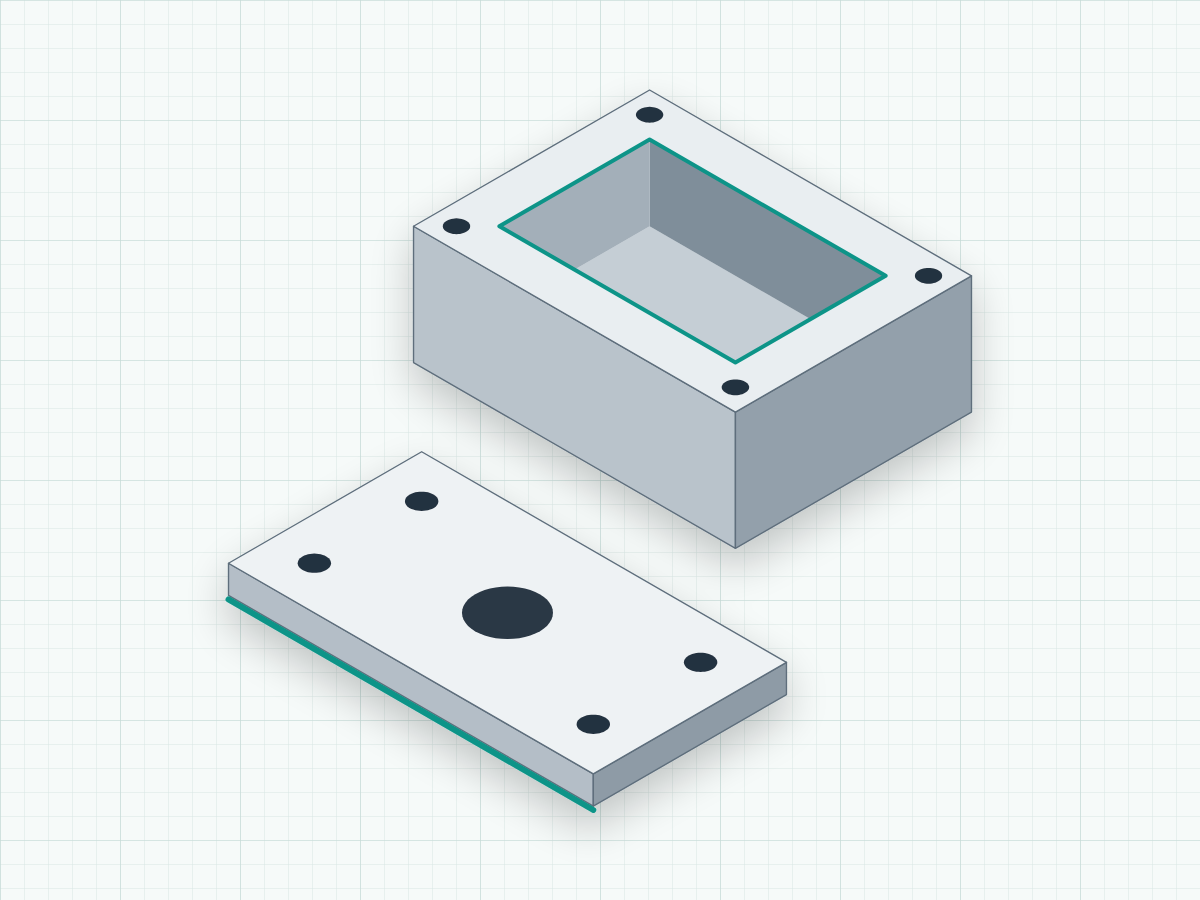
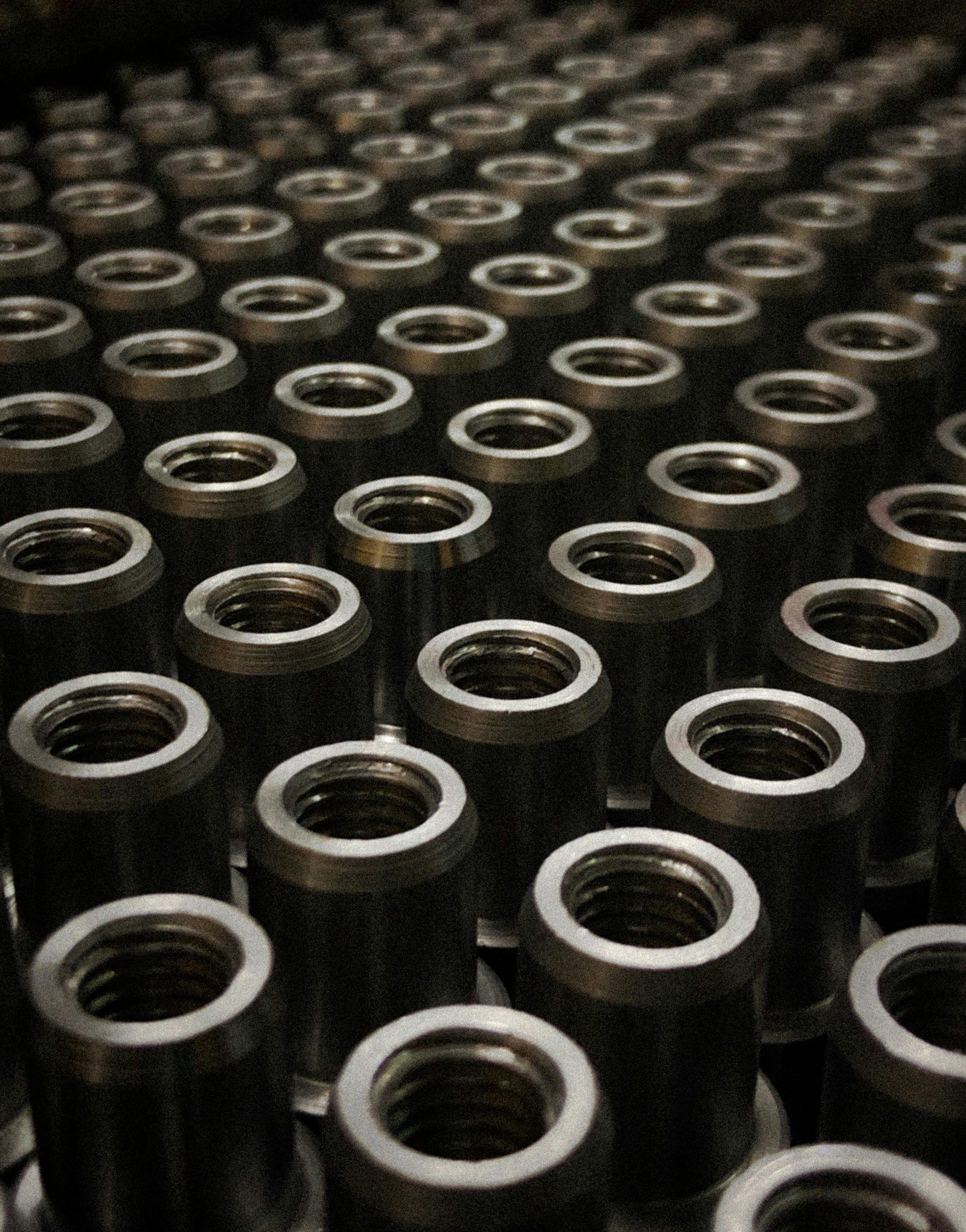
A multi-cavity mold forms two, four, eight or more identical parts in every shot, dividing machine time and cost per part as volumes rise. A family mold forms the different parts of one assembly, such as a housing and its cover, in one shot, when they are similar in size and wall. Balanced runners fill and pack every cavity evenly, and each cavity is measured separately on the T1 samples.
- Mold types
- Single-cavity, multi-cavity, family
- Best for
- Stable designs at higher volumes
- Family molds
- Matched sets at moderate volumes
Secondary Operations
Molded parts often need a few more steps before they reach your assembly line. Besides texturing the mold itself, we add spray painting to RAL or Pantone colors, pad printing and laser engraving of logos, symbols, scales and part numbers, threaded inserts and basic assembly in our own factory, so that markings, cosmetic surfaces and hardware are checked together with the molded dimensions.
- Marking
- Pad printing, laser engraving
- Assembly
- Fasteners, purchased parts
What Is Injection Molding?
Injection molding melts thermoplastic pellets in a heated barrel, injects the melt under high pressure into a closed steel or aluminum mold, holds it under pressure while it cools, and ejects a finished part. A cycle takes from a few seconds to about a minute, and every shot reproduces the same geometry, including ribs, bosses, snap fits, threads and textured surfaces, with little or no finishing afterwards.
The trade-off is the mold. It has to be designed, machined, polished and sampled before the first good part, which costs time and money up front. Once it is approved, the cost per part falls steeply with volume, so molding is usually the most economical process from several hundred or a few thousand identical parts upward, depending on their size and complexity.
For fewer parts, or designs that are still changing, 3D printing and CNC machining make plastic parts without a mold and are often used to test a design before tooling. Metal enclosures and brackets that carry molded covers are made by sheet metal fabrication.
The resin matters as much as the mold: it sets the shrinkage, strength, heat and chemical resistance and the surface a part can have. Our engineers review part design, resin and mold together and suggest the combination that suits your product best.
How Injection Molding Works at Bohui
From the first file to the packed shipment, one project contact follows your order, and you approve the mold design and the T1 samples before production starts.
- 01Send your 3D modelSTEP / IGES
Upload a STEP or IGES model with a PDF drawing, and tell us the resin, color, finish, quantity and expected annual volume.
- 02Engineer review and quoteWithin 24 h
An engineer checks moldability and quotes the mold and the part price separately, with the proposed mold steel, cavity count and lead time.
- 03DFM and mold designFree DFM
Our DFM report covers draft, wall thickness, gates, parting lines and ejector marks. You approve the mold design before we cut the steel in our own factory.
- 04T1 samplesFrom 2 weeks
First shots from the new mold are measured and photographed. You receive samples and a dimensional report, and we adjust the mold or process where needed before you approve.
- 05Production and delivery120+ countries
Production runs at the approved settings with in-process and final inspection, then parts are packed to protect their surfaces and shipped by express or air freight.
Have a part ready for molding?
Upload STEP or IGES models and PDF drawings with the resin, color, finish and annual volume. Our engineers review every file for moldability, propose the mold and cavity count, and send a detailed quote within 24 hours.
Injection Molding Materials
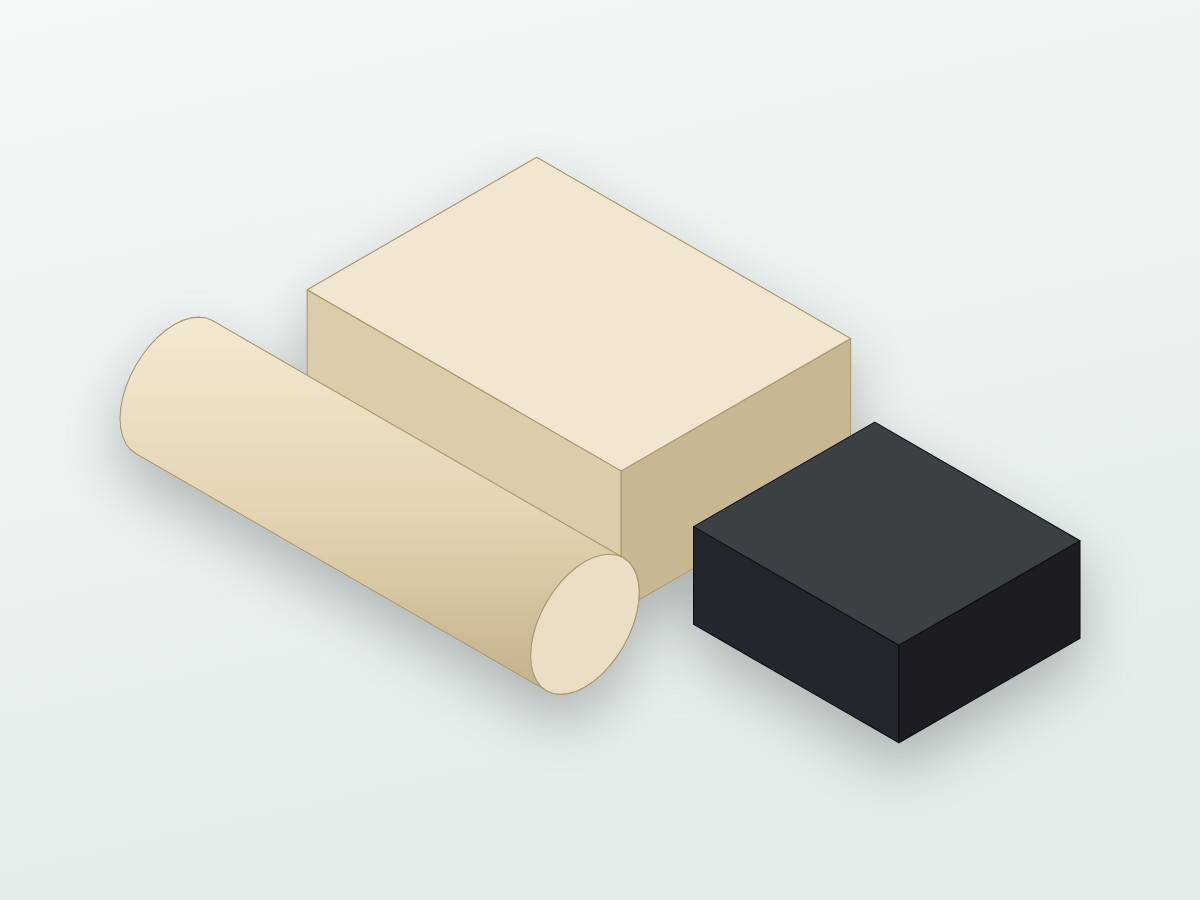
We mold commodity plastics, engineering plastics and thermoplastic elastomers in natural colors, standard black and white, or matched colors. The resin decides shrinkage, achievable tolerances, mold steel and finishes, so our engineers review the grade with every quote and can suggest an equivalent when your drawing allows it. The figures below are typical values; your part depends on the exact grade and the resin maker's data sheet.
Commodity plastics
Economical, easy-to-mold resins for housings, covers, containers and everyday consumer parts.
ABS
ABS is the default resin for housings and consumer products: tough, stiff, dimensionally stable and easy to paint, print or plate.
Grades and properties
- Natural beige, black, milky white, antistatic and flame-retardant grades
- ABS+PC blend for higher heat and impact resistance
- Mold shrinkage about 0.4–0.7%; heat deflection about 85–100 °C
Typical uses
Electronic enclosures, appliance housings, automotive interior trim, handles and bezels.
PP
Polypropylene is light, chemically resistant and fatigue resistant, which makes it the standard resin for living hinges, clips, caps and containers.
Grades and properties
- Black and white grades; PP+GF30 for stiffer structural parts
- Density 0.90 g/cm³; mold shrinkage about 1.0–2.5% unfilled
- Low surface energy, so painting or bonding needs flame or plasma treatment
Typical uses
Living-hinge boxes, caps and closures, automotive trim, battery cases, fluid tanks and laboratory ware.
PE
Polyethylene is tough, flexible and resistant to water and most chemicals. HDPE is the stiffer, stronger grade; LDPE is softer and seals well.
Grades and properties
- HDPE and LDPE in black or white
- High mold shrinkage of about 1.5–3%, so thick sections and flat panels warp easily
- Stays tough at low temperatures
Typical uses
Caps and plugs, containers, flexible lids, protective covers, outdoor and water-handling parts.
PS and HIPS
General-purpose polystyrene is clear, rigid and low cost but brittle; high-impact polystyrene (HIPS) adds rubber for toughness and becomes opaque.
Grades and properties
- Transparent PS and white HIPS
- Mold shrinkage about 0.4–0.7%; fills thin walls in short cycles
- Easy to print, glue and decorate
Typical uses
Display parts, packaging inserts, disposable laboratory ware, appliance liners and models.
PMMA (Acrylic)
Acrylic gives glass-like clarity with about 92% light transmission and excellent UV and weather resistance, but it is brittle and notch sensitive.
Grades and properties
- Transparent, white and black grades
- Mold shrinkage about 0.2–0.8%; dried before molding to prevent splay marks
- Clear parts need an SPI A polished mold; generous radii prevent stress cracks
Typical uses
Light guides and lenses, display windows, lamp covers, nameplates and cosmetic caps.
PVC
Rigid PVC is economical, inherently flame retardant and resistant to many acids and alkalis, which suits plumbing and electrical parts.
Grades and properties
- Rigid grey grade
- Narrow processing window: overheated PVC releases hydrochloric acid, so it is molded in corrosion-resistant steel such as S136
- Service temperature up to about 60 °C
Typical uses
Pipe fittings, valve bodies, conduit fittings, junction boxes and chemical-handling parts.
Engineering plastics and elastomers
Stronger, heat-resistant and dimensionally stable resins for mechanical, electrical and under-the-hood parts, many also glass-filled, and thermoplastic elastomers for soft-touch and sealing parts.
PC
Polycarbonate combines transparency with very high impact strength and heat resistance, for covers, lenses and housings that must not break.
Grades and properties
- Transparent, white, black, yellowish white, flame-retardant and food-grade transparent grades; PC+GF30 black
- Heat deflection about 130 °C; light transmission about 88–90%
- Dried to very low moisture before molding; shrinkage about 0.5–0.7%
Typical uses
Lenses and light covers, safety guards, electrical and medical device housings, windows.
POM (Acetal)
Acetal is stiff, hard and slippery, with excellent fatigue resistance and dimensional stability, which makes it the first choice for gears and moving parts.
Grades and properties
- Black, white and blue grades, and a dark brown PTFE-filled grade
- High mold shrinkage of about 1.8–2.2%, compensated in the cavity for gear and bearing fits
- Low friction and water absorption of about 0.2%
Typical uses
Gears, cams, bearings and bushings, clips and snap fits, fasteners and conveyor parts.
PA (Nylon)
Nylon is tough, wear resistant and heat resistant; glass-filled grades are stiff enough to replace metal in brackets and structural parts.
Grades and properties
- PA66 natural and black, PA6 blue, PA6+GF15 and PA6+GF30 black
- Shrinkage about 1–2% unfilled and 0.3–0.8% glass-filled, with more shrinkage across the flow than along it
- Absorbs moisture: dried before molding, and dimensions settle after conditioning
Typical uses
Gears and bushings, cable clips, power-tool housings, automotive brackets and connectors.
PBT and PET
These polyesters hold their size in hot and humid conditions and insulate well, which makes them standard resins for connectors and electrical parts.
Grades and properties
- PBT black and milky white; PET black and white, unfilled or with 30% glass fiber
- Dried before molding to prevent hydrolysis; PET needs a hot mold to crystallize
- Low moisture absorption and good chemical resistance
Typical uses
Connectors and terminal blocks, switch and relay housings, sensor bodies, lamp sockets.
PPS and PEEK
These high-temperature resins keep their strength and size where most plastics soften. PPS resists almost all solvents and fuels and is inherently flame retardant; PEEK replaces metal in hot, chemically aggressive or repeatedly sterilized environments.
Grades and properties
- PPS black and white, unfilled or with 30% glass fiber; continuous use up to about 200 °C
- PEEK natural beige and black; glass transition 143 °C, continuous use up to about 250 °C
- Hot molds of about 130–150 °C for PPS and 170–200 °C for PEEK; the very fluid PPS melt needs tight parting lines to prevent flash
Typical uses
Pump and valve parts, fuel-system parts, coil bobbins, medical and semiconductor components, aerospace clips.
TPE, TPU and TPV
Thermoplastic elastomers give rubber-like flexibility at the speed of injection molding, without vulcanization, as single parts or overmolded onto rigid substrates.
Grades and properties
- TPE (SEBS-based): soft and easy to color, typically Shore 30A to 90A, with grades that bond to PP or to ABS, PC and PC/ABS
- TPU: high abrasion, tear and oil resistance, about Shore 60A to 70D; dried carefully before molding
- TPV (PP/EPDM): heat, ozone and weather resistance for service up to about 120 °C, typically Shore 35A to 50D
Typical uses
Soft-touch grips and buttons, seals and gaskets, cable strain reliefs, rollers, weather seals and grommets.
Get a Tailored Material Recommendation
Not sure which resin fits your part? Tell us what it must withstand, such as loads, temperatures, chemicals, UV light, flammability or food contact, and how it should look and feel. Our engineers compare suitable grades and suggest an equivalent where your drawing allows it, before the mold is designed.
Injection Mold Surface Finishes and Textures
A molded part copies the surface of its mold, so the finish is decided when the cavity is polished, blasted or textured. We work to SPI grades from mirror gloss to rough matte, to VDI 3400 and etched textures, and paint parts after molding. Mold polishing and texturing, painting and marking are all done in our own factory. Glossy grades show every sink mark and flow line, while textures hide them but need more draft.
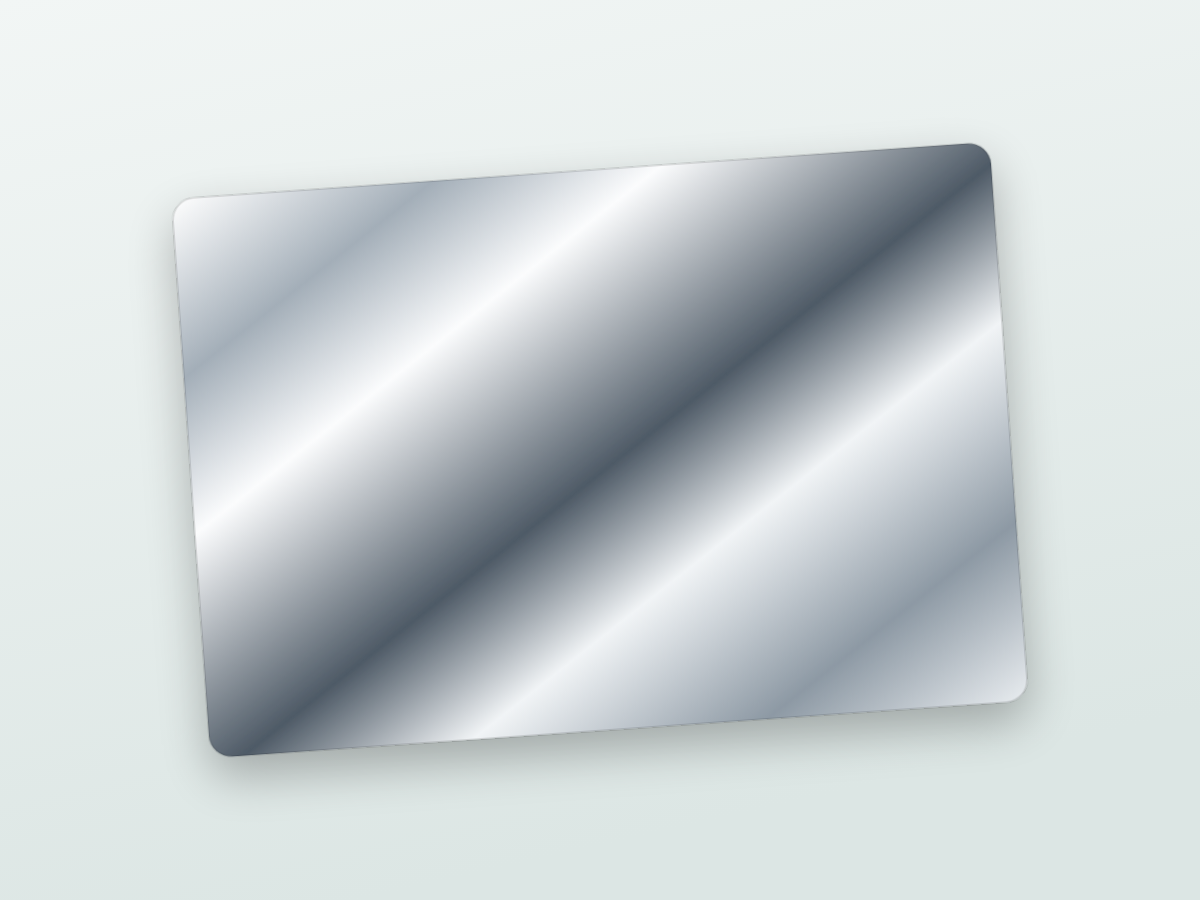
SPI A: High Gloss
The cavity is polished with diamond paste to a mirror finish in grades A1, A2 and A3. It is used for lenses, light guides and glossy cosmetic faces, and needs hardened, fine-grained steel such as S136 or 8407.
- Roughness
- Ra 0.012–0.10 µm (A1 to A3)
- Best materials
- PMMA and PC; ABS for A3
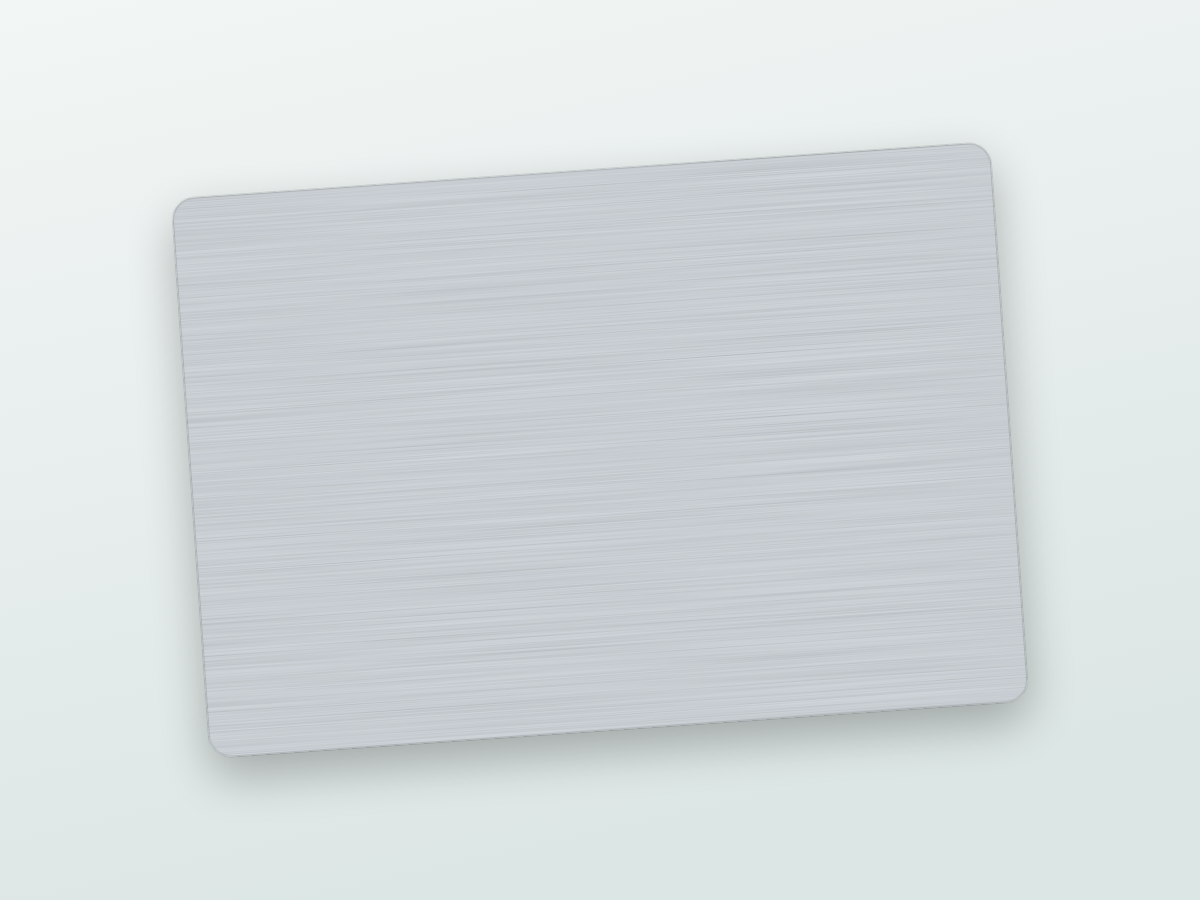
SPI B: Semi-Gloss
The cavity is sanded with 600, 400 or 320 grit paper (B1, B2, B3), which removes machining marks and leaves a fine, directional satin grain. It suits housings and covers that should look clean without the cost of a mirror polish.
- Roughness
- Ra 0.05–0.32 µm (B1 to B3)
- Best materials
- ABS, HIPS, PP, PBT, glass-filled nylon
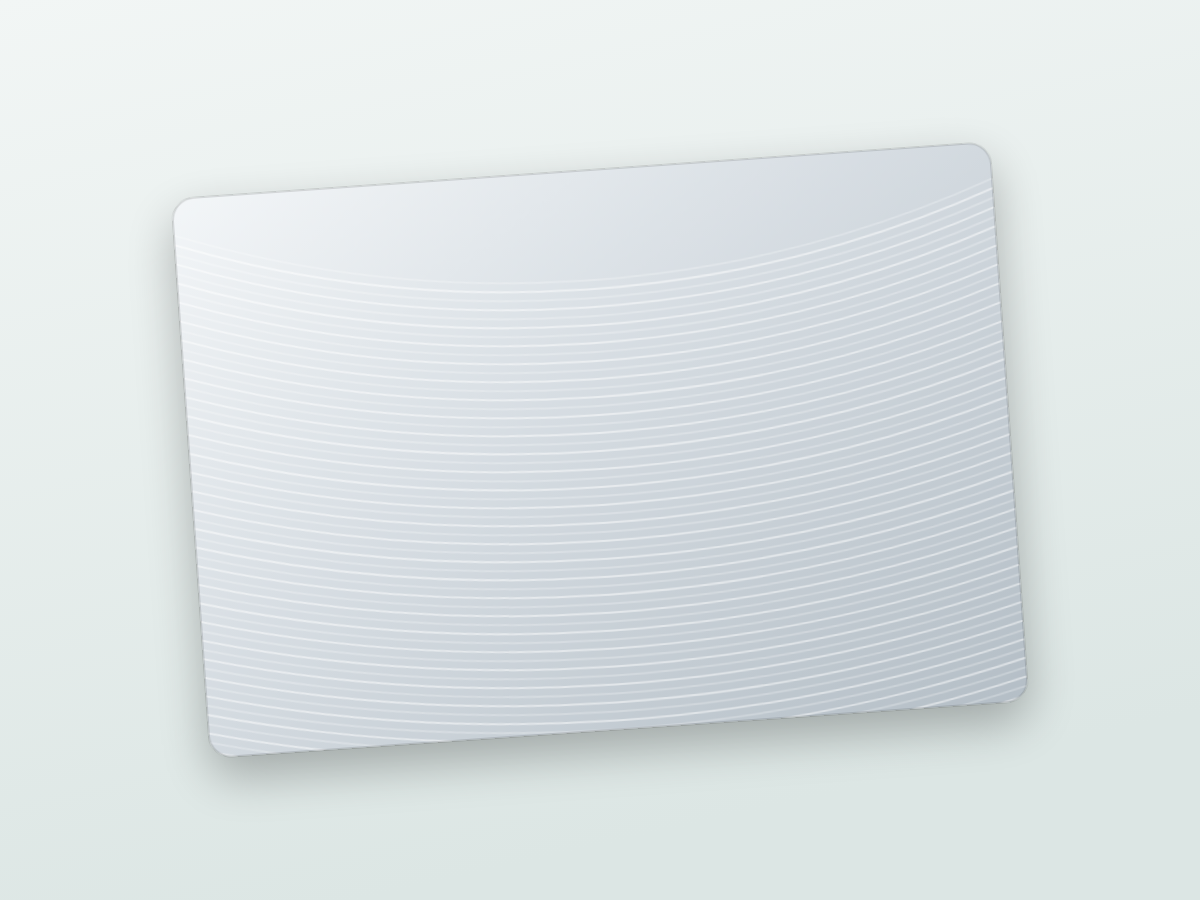
SPI C: Low Gloss
The cavity is stoned with 600, 400 or 320 grit stones (C1, C2, C3) for a low-gloss, matte look that hides fingerprints and light scratches. It is an economical finish for internal parts, industrial housings and parts that will be painted.
- Roughness
- Ra 0.35–0.70 µm (C1 to C3)
- Best materials
- ABS, PP, PE, HIPS, PBT
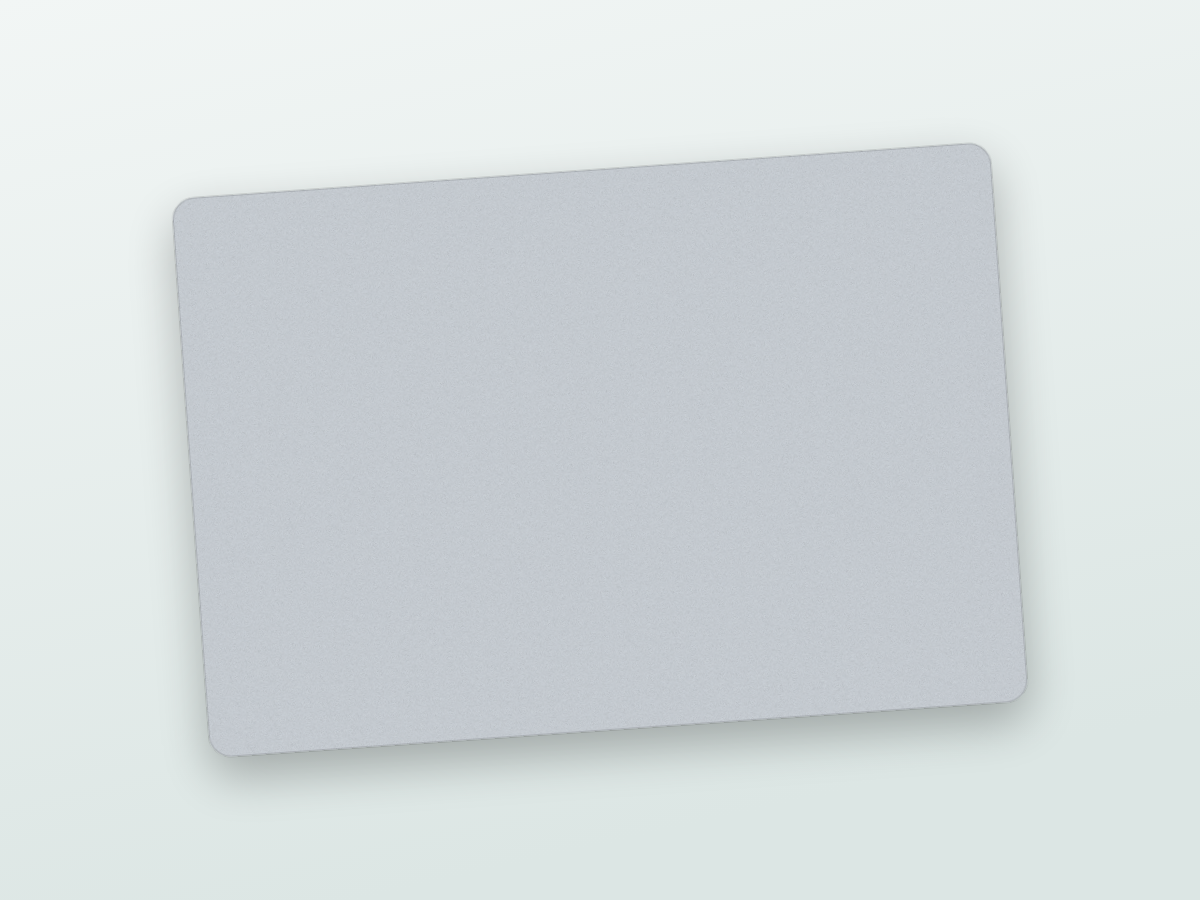
SPI D: Textured Matte
The cavity is dry-blasted with glass bead or oxide media (D1, D2, D3) for a satin to rough textured surface. The texture hides sink marks, flow lines and handling scratches, but the faces need more draft to release cleanly.
- Roughness
- Ra 0.80–18 µm (D1 to D3)
- Best materials
- ABS, PP, PE, TPE, glass-filled nylon
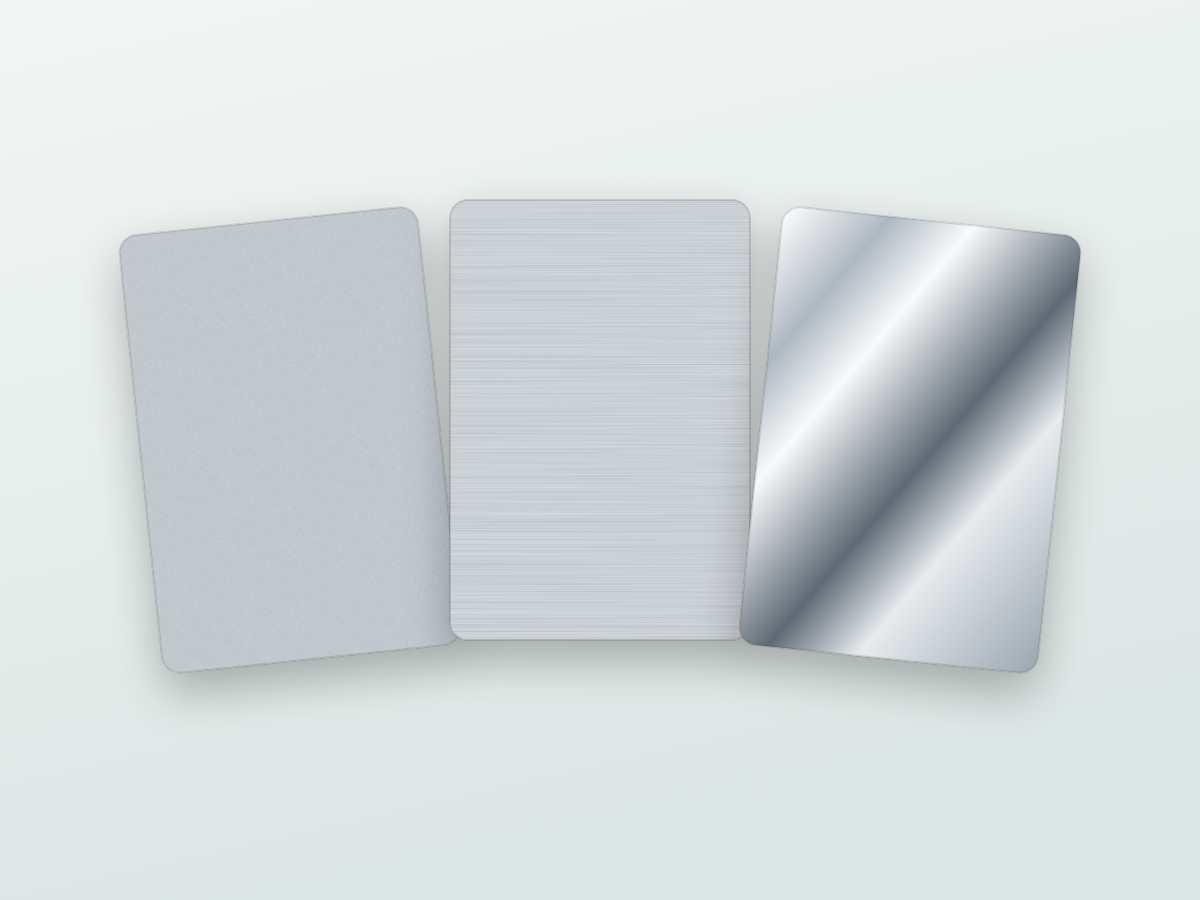
Mold Texturing
EDM-sparked VDI 3400 textures and chemically etched patterns such as leather grain, sand or geometric designs give parts a consistent look and grip. Specify the texture by reference number or sample, and allow about 1° of extra draft per 0.025 mm of texture depth.
- Standards
- VDI 3400 grades 12–45, or your texture sample
- Typical uses
- Housings, grips, interior trim, control panels
Painting
Molded parts are spray painted for color matching, soft-touch feel or a protective clear coat. Paint needs clean, stress-free surfaces, and low-energy resins such as PP and PE are flame- or plasma-treated or primed so that the paint adheres.
- Colors
- RAL, Pantone or your color sample
- Gloss
- Matte, satin, gloss and soft-touch
Pad printing and laser engraving are added after molding. Mark the cosmetic faces on your drawing, so that gates, ejector pins and parting lines are kept off them.
Our Injection Molding Factory in China. Shipping Worldwide.
Bohui designs and builds its molds and molds plastic parts in its own factory in Dongguan, alongside our CNC machining and sheet metal fabrication. Mold design, mold making, sampling, molding and inspection run under one quality system, so the molded housings, machined inserts and sheet metal brackets of one product can be made, checked and shipped together. Our engineers and project managers keep communication clear and production on schedule from quote to delivery, and we ship by international express and air freight to customers in more than 120 countries.
Press clamping force
90–830 t
from small clips to large housings
Types of inspection equipment
20+
including ZEISS CMM inspection
Quote turnaround
24 h
for the mold and the part price
Countries
120+
our parts are shipped to
Mold making
Mold cavities and cores machined and fitted to ±0.02 mm in our own factory.

Engineering review
Every part is reviewed for draft, wall thickness and gating before the mold is designed.
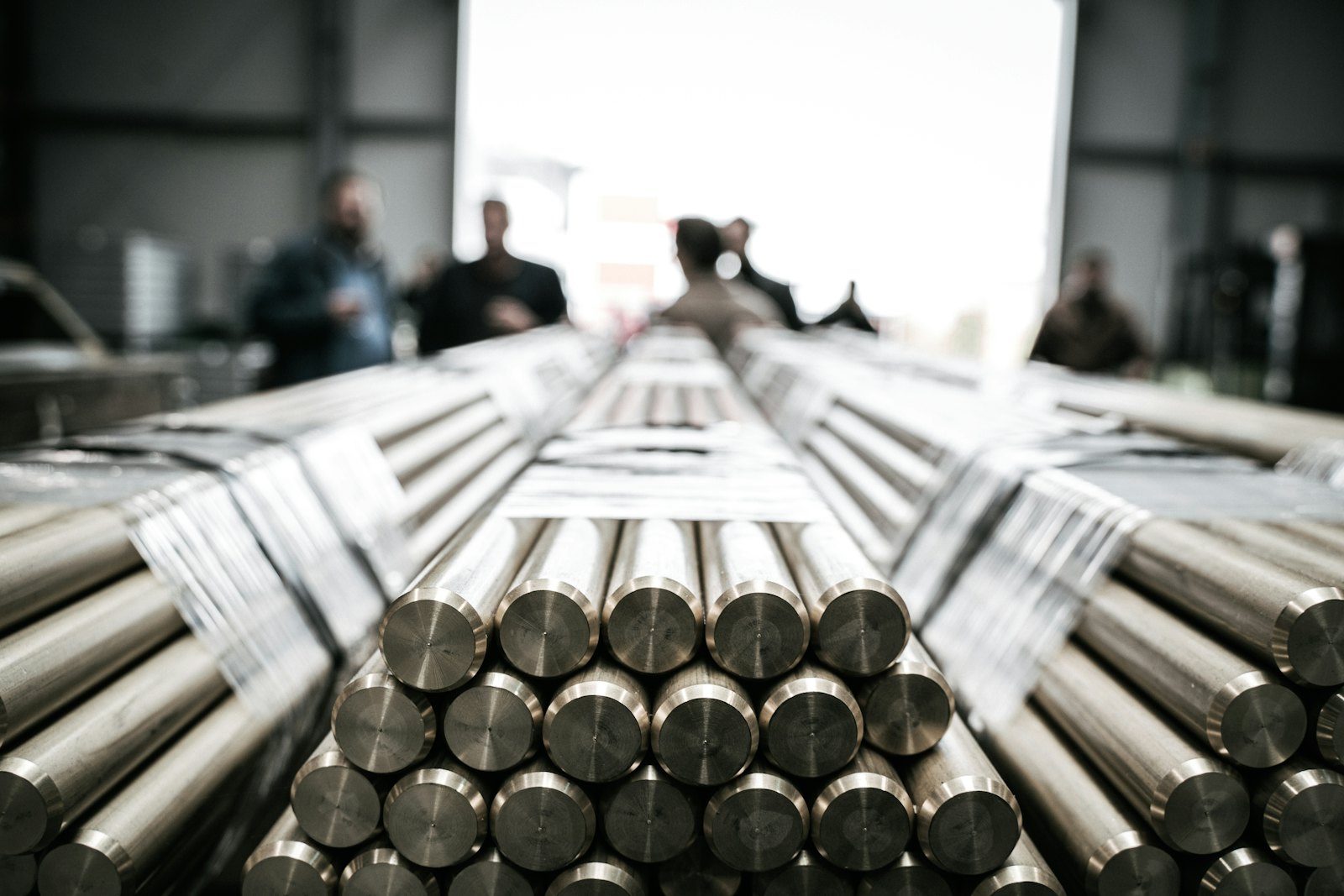
Mold steel
Aluminum and tool steels chosen for the tool life your volume needs.
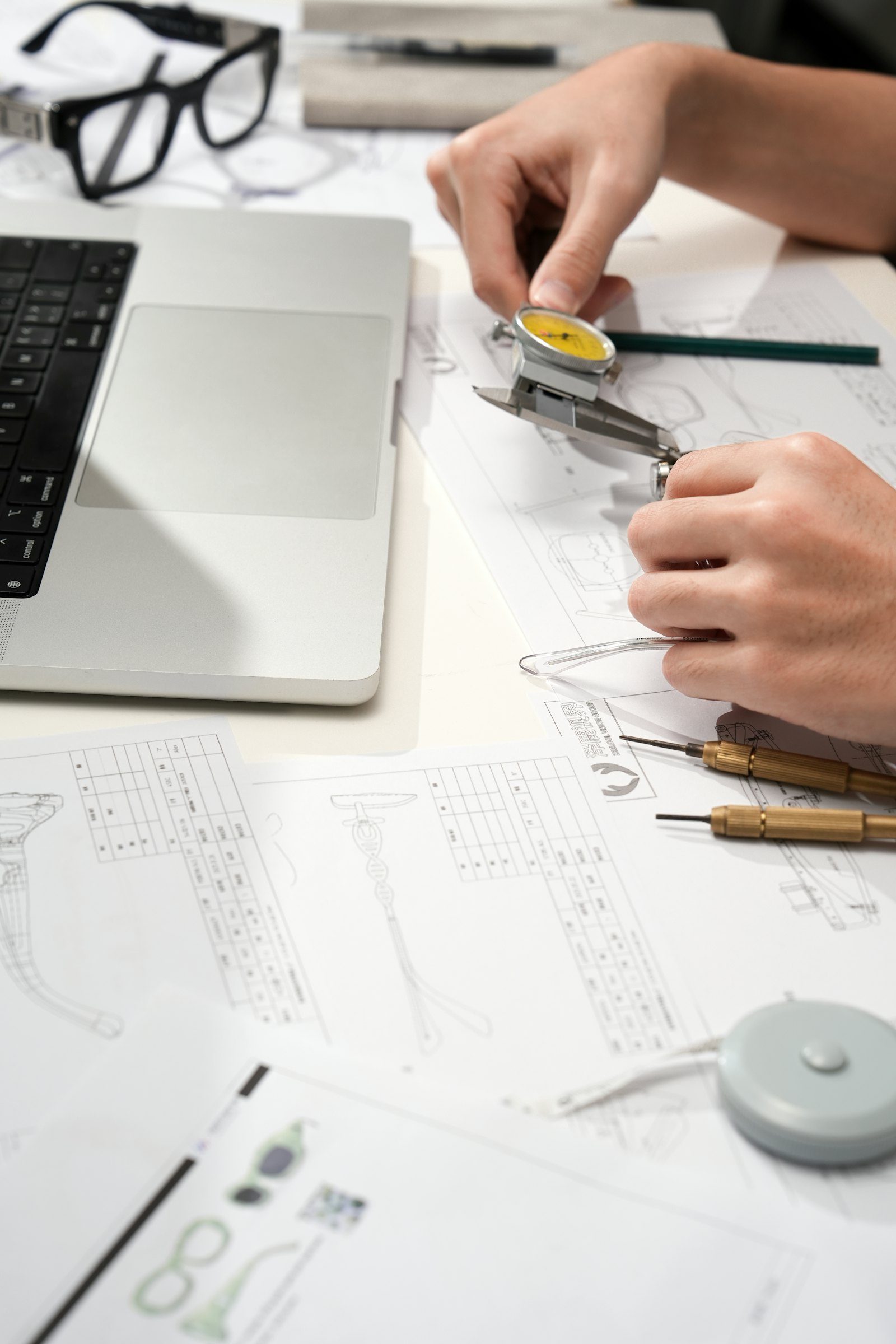
Inspection
T1 samples and production parts checked against your drawing, with ZEISS CMM for critical features.
Batch production
From pilot batches to production runs, with no minimum order.
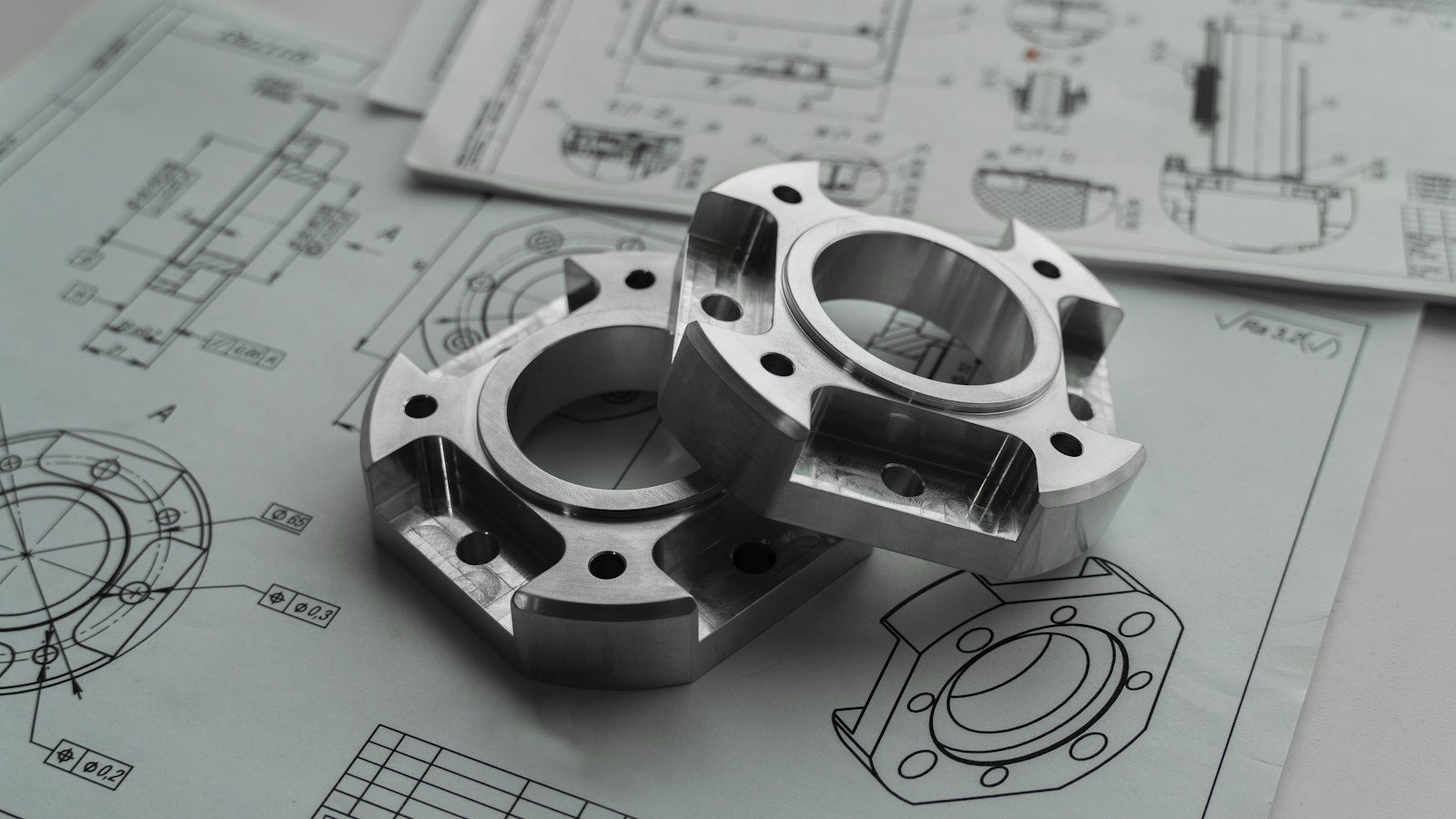
Finished parts
Parts packed to protect their surfaces and shipped to more than 120 countries.
Injection Molding Solutions from Prototype to Production
Rapid Prototyping The right mold depends on how many parts you need and how soon, so we size the tool to your volume and you do not pay for production steel during development. Prototype tooling in aluminum or soft steel, usually single cavity, makes up to about 2,000 parts, with T1 samples typically from 2 weeks. Test molded parts in the production resin for fit, function and certification before you commit to production steel. Explore rapid prototyping
High-Volume Production Bridge tooling in pre-hardened P20 or 718H steel, with one or two cavities and a life of up to about 30,000 shots, supplies pilot runs and the market launch while the production mold is built, or serves as the production mold at moderate volumes. Production tooling in hardened steel, with multiple cavities, balanced runners and efficient cooling, runs 100,000 shots and more at the lowest cost per part and scales with your orders. Mold maintenance and storage terms for repeat orders are agreed in your quote. Explore on-demand manufacturing
Injection Molding for Various Industries
Molded plastic parts house electronics, seal fluids, carry loads and form the surfaces people touch. We mold them for engineers, startups and established manufacturers who need consistent parts, complete documentation and on-time delivery, from prototype tools to production molds.
Automotive
Clips, connectors, sensor housings, interior trim and under-the-hood parts in ABS, PC/ABS, glass-filled nylon and PBT, from prototype molds for design validation to production molds under an IATF 16949 quality system with sample approval before series production.
- Typical parts
- Clips and fasteners, connector housings, interior trim, light covers, sensor and battery housings
Communications
Enclosures, cable management parts and connector bodies for network, telecom and wireless equipment, molded in flame-retardant and weather-resistant grades, with accurate gasket grooves, snap fits and cable entries so that housings close and seal evenly.
- Typical parts
- Router and antenna housings, fiber-optic closures, connector bodies, cable clips, wall plates
Consumer Products
Cosmetic housings, buttons, handles and soft-touch grips for appliances, personal care, sports and household products, with polished or textured mold surfaces, matched colors and overmolded TPE wherever hands touch the product.
- Typical parts
- Appliance housings, buttons and knobs, handles, caps and closures, kitchenware parts
Electronics
Enclosures, bezels, keypads, connector bodies and battery covers for electronic devices, molded in flame-retardant ABS, PC and PBT, with snap fits, screw bosses and insert-molded threads that make assembly quick and repeatable.
- Typical parts
- Device housings, bezels, battery covers, light pipes, connectors, strain reliefs
Industrial Equipment
Durable plastic parts for machines, pumps, tools and instruments, often in glass-filled nylon, POM, PPS or PEEK, where they replace metal to save weight, resist chemicals or run without lubrication.
- Typical parts
- Gears and bushings, pump and valve parts, handles and knobs, guards, instrument housings
Medical Devices
Housings, handles, clips and single-use components for medical and laboratory devices, molded under an ISO 13485 quality system in resins chosen for the device, with compliance requirements and documents confirmed before production starts.
- Typical parts
- Device housings, instrument handles, laboratory ware, fluid connectors, test-kit parts
Why Choose Bohui for Injection Molding
Three things decide whether a molded part reaches production smoothly: parts that match the approved sample, a schedule you can plan around, and engineers who help you get the design right before the steel is cut.
High-quality parts
Molds are sampled, measured and approved before production, and parts are checked in process and at final inspection in our own factory, certified to ISO 9001, ISO 13485, ISO 14001 and IATF 16949. If a part is wrong because of a manufacturing error on our side, we remake it free of charge.
Fast quotes and T1 samples
Engineer-reviewed quotes for the mold and the parts within 24 hours, T1 samples typically from 2 weeks and no minimum order quantity. We build our molds in-house, and aluminum and pre-hardened steel prototype molds let you test molded parts in the production resin early.
Engineering support
Every quote includes free DFM feedback on draft, wall thickness, gates, undercuts and tolerances, with mold flow analysis where filling or warpage is a risk. Our engineers can create a simple 3D model from your sketch, and one project contact follows your order.
Injection Molding Quality Control
Quality starts with the mold design and continues through every shot. Our factory is certified to ISO 9001, ISO 13485, ISO 14001 and IATF 16949 for quality, medical, environmental and automotive standards, and more than 30 quality engineers use over 20 types of inspection equipment, including ZEISS CMM, to check molds, samples and production parts.
Mold and T1 sample approval. Engineers review the mold design, gating, cooling and venting before the steel is cut. Trial shots confirm that the mold runs reliably, and T1 samples are measured, photographed and sent to you with a dimensional report for approval before production.
In-process control. Melt and mold temperatures, injection pressure, speed and cycle time are monitored during production, and parts are checked at set intervals for dimensions, short shots, flash, sink marks and color against the approved sample.
Final inspection and documents. Finished parts receive dimensional and visual inspection, with CMM measurement and color checks where specified. We provide COC, COA and COT documents, material certificates on request and a CMM report free of charge for the dimensions you specify.
Design Guidelines for Injection Molded Parts
Following these guidelines keeps parts easy to fill, cool and eject, avoids sink marks and warpage, and keeps the mold simple. Every file we quote receives a free DFM review, so our engineers will flag features that add cost or risk before the mold is built.
| Design rule | Recommended value | Why |
|---|---|---|
| Wall thickness | 0.5–5 mm, as uniform as possible | Thick or uneven walls cool unevenly and cause sink marks, voids and warpage; change thickness gradually. |
| Draft angle | 0.5°–2°; about 1° extra per 0.025 mm of texture depth | Draft lets the part release without drag marks or ejector stress, especially on textured faces. |
| Ribs | 0.5–3 mm thick, about 50–60% of the adjoining wall | Thicker ribs show sink marks on the opposite face; keep rib height within about 3× the wall. |
| Bosses | Diameter 3–10 mm, wall about 60% of the nominal wall | Cored-out bosses tied to nearby walls with ribs stay strong without sink or voids. |
| Corner radii | Inside radius at least 0.5× the wall; outside radius = inside radius + wall | Sharp corners concentrate stress and disturb flow; matched radii keep the wall uniform. |
| Blind holes and cores | Depth up to about 3× the core diameter | Long, thin core pins bend under injection pressure; through holes are supported at both ends. |
| Undercuts | Avoid where possible; otherwise side actions or lifters | Every slide or lifter adds mold cost and lead time; many snap fits can use a pass-through shut-off instead. |
| Gates, ejectors and parting line | Agreed in DFM, away from cosmetic faces | Gate marks, ejector marks and parting lines stay visible; mark the cosmetic faces on your drawing. |
Injection Molding FAQs
When is injection molding the right process?
Injection molding pays off when you need many identical plastic parts from a stable design. The mold is a one-off investment, after which each part takes seconds, so the unit price falls steeply as volume rises. For a handful to a few hundred parts, or while the design is still changing, 3D printing or CNC machining is usually more economical. Aluminum prototype molds narrow the gap: they cost less than production steel and give real molded parts in the production resin.
What is the difference between aluminum and steel molds?
Aluminum molds are machined faster and cost less, and aluminum conducts heat well, so cycles are short. It is softer, however, and wears faster with glass-filled resins and high pressures, so aluminum suits prototypes and small batches. Pre-hardened steels such as P20, 718H and NAK80 are the usual choice for bridge and medium-volume molds. Hardened steels such as H13, S136 and 8407 last for long production runs, stand up to glass-filled resins and take a mirror polish, and stainless S136 also resists corrosive resins such as PVC. We design and build the mold in our own factory and propose the mold material in your quote, based on the resin, the finish and the tool life you need, together with a cold or hot runner chosen by resin, part size and volume.
What is a T1 sample?
T1 samples are the first parts shot from a new mold after it has been assembled and run in. We measure them against your drawing, check appearance and fit, and send you the samples with photos and a dimensional report. If adjustments are needed, the mold or process is corrected and the next round becomes T2. Production starts only after you approve the samples, which then serve as the reference for later batches. T1 samples are typically ready from 2 weeks, depending on mold complexity, material availability and design changes.
What is the difference between overmolding and insert molding?
Both produce one part from two materials. In insert molding, a pre-made component, usually metal such as a threaded brass insert, pin or terminal, is placed in the mold and plastic is injected around it; knurled or grooved inserts resist pull-out and torque, and inserts are preheated where needed to reduce stress in the plastic. In overmolding, a second material, usually a soft TPE or TPU, is molded over a rigid substrate to add a grip, seal or bumper, and shut-off edges and grooves keep the soft layer from flashing. Bonding depends on the material pair, so tell us the substrate and what the soft layer must do, and we will recommend compatible grades and locking features.
What tolerances can injection molded parts hold?
Our mold cavities are machined to ±0.02 mm, and part-to-part repeatability on a stable process is ±0.1 mm. The tolerance a molded dimension can hold depends mainly on the resin's shrinkage, the part size and the wall thickness. Amorphous resins such as ABS and PC hold tighter tolerances than semi-crystalline resins such as PP, POM and nylon, and glass-filled grades shrink differently along and across the flow. Mark critical dimensions on your drawing: we review them in the DFM and can leave critical features steel-safe, so that they are fine-tuned after the T1 samples are measured.
How do I avoid sink marks and warpage?
Both come from uneven shrinkage. Keep walls as uniform as possible, core out thick sections, make ribs about 50–60% of the adjoining wall and blend changes in thickness gradually. Gates should fill the part from thick to thin sections. Semi-crystalline and glass-filled resins warp more, so long flat panels benefit from ribs, balanced gating and even mold cooling. Our mold flow analysis predicts sink marks, weld lines and warpage before the steel is cut, and a textured surface helps hide small sink marks on cosmetic faces.
How much draft do my parts need?
Every face parallel to the opening direction of the mold needs draft, so that the part releases without drag marks or ejector stress. Most parts work with 0.5° to 2°, and 1° is a good default for smooth faces. Textured faces need more, typically about 1° extra for every 0.025 mm of texture depth, so a heavy leather grain can need 3° or more. Where a face cannot take draft, a side action or a different parting line often solves the problem, and our DFM review marks every face that needs attention.
Can you mold undercuts, snap fits and threads?
Yes. Undercuts that cannot release in the opening direction of the mold are formed by side actions (slides) or lifters, and each adds mold cost and some cycle time. Many snap fits can be designed with a pass-through shut-off, which forms the hook without any slide. External threads can be molded across the parting line. For internal threads in production parts, threaded brass inserts placed in the mold or installed after molding are usually the most economical and strongest option.
What if my design is not ready for molding yet?
Send it anyway. Our free DFM review checks wall thickness, draft angles, undercuts, ribs and bosses, gate positions and the resin before any tooling starts, and recommends practical changes that lower the manufacturing risk and avoid unnecessary mold cost. If the design is still changing, we can print or machine prototypes first, or build an aluminum prototype mold, so that the production mold is made from a stable design.
Which plastics can you mold?
We mold commodity plastics such as ABS, PP, PE, PS, HIPS, PMMA and PVC; engineering plastics such as PC, POM, PA6, PA66, PBT, PET, PPS and PEEK, including glass-filled grades; and thermoplastic elastomers such as TPE, TPU and TPV. Other grades can be evaluated on request. PTFE and UHMW-PE cannot be injection molded in the usual way, so parts in these materials are CNC machined instead. More details are on our materials page.
Can you match a specific color?
Yes. Parts can be molded in natural resin, standard black or white, or a color matched to a Pantone or RAL reference or your physical sample, using masterbatch or pre-colored compound. Approve a color sample or the T1 samples before production, because the same color looks different in different resins and surface finishes. Transparent and translucent colors are possible in PC, PMMA and PS. Where parts made of different resins must match exactly, painting gives a more consistent result.
Which SPI finish should I choose?
Choose by appearance and function. SPI A grades give a mirror gloss for lenses and optical parts but need hardened steel and show every scratch and sink mark. SPI B grades give a clean semi-gloss for most cosmetic housings, SPI C a low-gloss look that hides fingerprints, and SPI D a textured matte that hides flow lines and handling marks. The finer the grade, the higher the polishing cost. The resin matters too: PMMA and PC polish best, while PP, PE and TPE suit matte and textured finishes. See our SPI mold finishes page for the full chart.
Can you supply RoHS-compliant materials and material certificates?
Yes. Materials and finishes can be chosen to comply with RoHS, and material certificates and related compliance documents are provided on request, depending on the material and its supplier. For medical devices, food-contact parts and export projects, tell us the required standards when you ask for a quote, so that the resin grade, the documents and any special requirements are confirmed before production.
How much does an injection mold cost?
Mold cost depends on the part size and geometry, the number of cavities, slides and lifters, the mold steel, the surface finish and the tool life you need. A single-cavity aluminum prototype mold for a simple part costs a fraction of a hardened multi-cavity production mold with side actions and a hot runner. The part price then depends on the resin, the cycle time and the quantity. Send us your model and expected annual volume, and our quote will show the mold and the part price separately.
How fast will I receive a quote and T1 samples?
Our target is a quote within 24 hours, with free DFM feedback, and simple parts are often quoted in 2–4 hours. Projects that need a detailed DFM review are usually quoted within one working day, and urgent requests can be prioritized. T1 samples are typically ready from 2 weeks, depending on mold complexity, material availability and design changes, and most orders are completed within 15 working days. We confirm the schedule for the mold, the samples and production with your quote.
Do you have a minimum order quantity?
No. There is no minimum order quantity, so you can order a prototype mold with a small batch of parts as well as long production runs. Because the mold is the largest cost at low volumes, we will tell you when 3D printing, CNC machining or an aluminum prototype mold is more economical for your quantity. Include your expected annual volume in the request, so that we can size the mold and show how the unit price changes with quantity.
Who owns the mold, and what happens to it after production?
Mold ownership, storage, maintenance and reuse depend on the project, and the terms are confirmed with you in the quotation, before the mold is built. Tell us whether you expect repeat orders, design revisions or a long production life, so that we can propose a mold steel, a maintenance plan and storage terms that suit your plans.
Can I change my design after the mold is made?
Often, yes. Small changes usually do not need a new quote. Removing steel from the mold, which adds plastic to the part, is the easiest change, which is why critical features are cut steel-safe when they may need fine-tuning. Changes that need steel added back, such as thinner walls, require welding or a new insert and take longer. Because the mold is built and maintained in our own factory, such changes are made in-house. Larger changes to geometry, material, tolerances or finish may affect the price and lead time, so we send an updated quote before any work starts.
How do you ensure quality before full production?
The mold design is reviewed before the steel is cut, with mold flow analysis where filling or warpage is a risk. Trial shots confirm that the mold runs reliably, and T1 samples are measured and checked for appearance. You receive samples, photos and a dimensional report and approve them before small-batch or full production. During production, key process settings are monitored, and parts are checked in process and at final inspection against the approved sample.
Which quality documents can you provide?
We provide certificates of conformance (COC), certificates of analysis (COA) and COT documents, material certificates on request, and a free CMM report for the dimensions you specify. Standard parts receive basic inspection records from calipers, height gauges and similar instruments, while critical features are measured on our ZEISS CMM. Tell us your required record format and sampling plan with the request for quote.
What if parts are made incorrectly?
If parts do not meet your drawing or the approved sample because of a manufacturing error on our side, we remake them free of charge. Send us the drawing revision, the measured results and photos, so that we can review the discrepancy with you. If the issue comes from the design itself, we first discuss the options with you and agree on the best way forward before any rework or mold change.
Can you assemble, pack and ship complete products?
Yes. We can combine molded parts with inserts, fasteners, CNC machined parts, sheet metal parts and purchased components and deliver them as finished subassemblies through our assembly service. Parts are packed according to their material and finish, with EPE foam, antistatic bags where needed, protective wrapping and reinforced cartons for international shipments. We ship by international express and air freight to more than 120 countries, and can also use your own courier account.
Start Your Injection Molding Project Today
Send us your models and drawings, and our engineers will reply with a quote for the mold and the parts and free DFM feedback within 24 hours.

Jane
BOHUI PROTOTYPES LIMITED
Tell me the resin, color, finish and expected annual volume, and point out the cosmetic faces and critical dimensions that matter most for your assembly.
You can send your request first and add files later by email or WhatsApp. For confidential designs, contact me before sharing your files.
Jane
BOHUI PROTOTYPES LIMITED
- Address: Xiaobian Street, Chang'an Town, Dongguan City, Guangdong Province, China
Request a Quote
Fields marked are required.