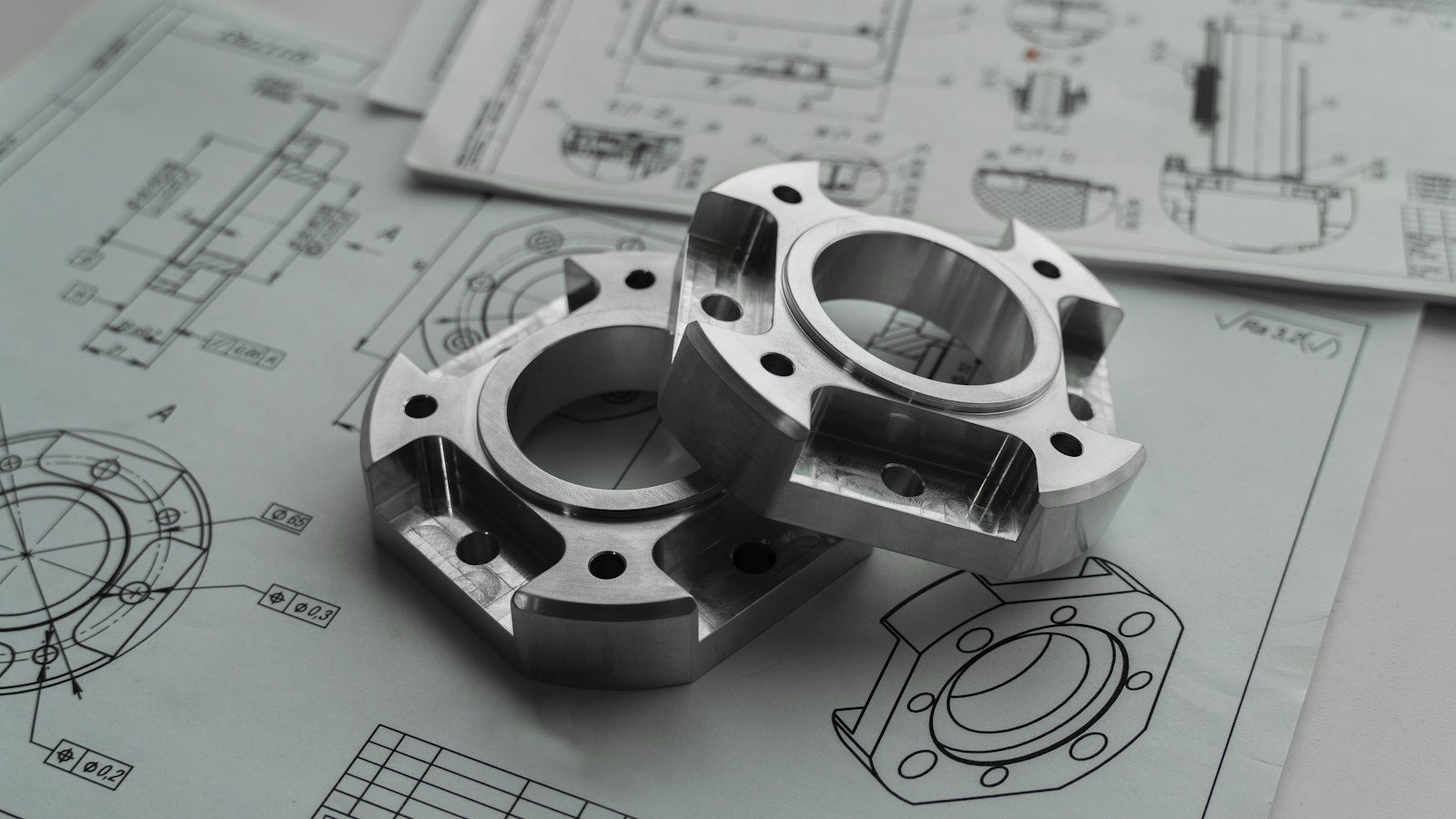
Custom CNC Machining Services
Precision metal and plastic parts machined in Bohui's own factory in Dongguan, from a single prototype to full production runs.
Send your CAD model or drawing and get an engineer-reviewed quote within 24 hours, with simple parts often quoted in 2–4 hours. With 200+ CNC machines, precision tolerances down to ±0.01 mm and typical lead times of 1–3 days for simple parts, we ship machined parts to customers in more than 120 countries.
CNC Machining Services for Custom Parts
Every CNC job starts with the geometry of the part. Our engineers choose between milling, turning and five-axis machining by looking at how each feature can be reached, held and measured, then plan the setups that hold your critical dimensions with the fewest repositionings.
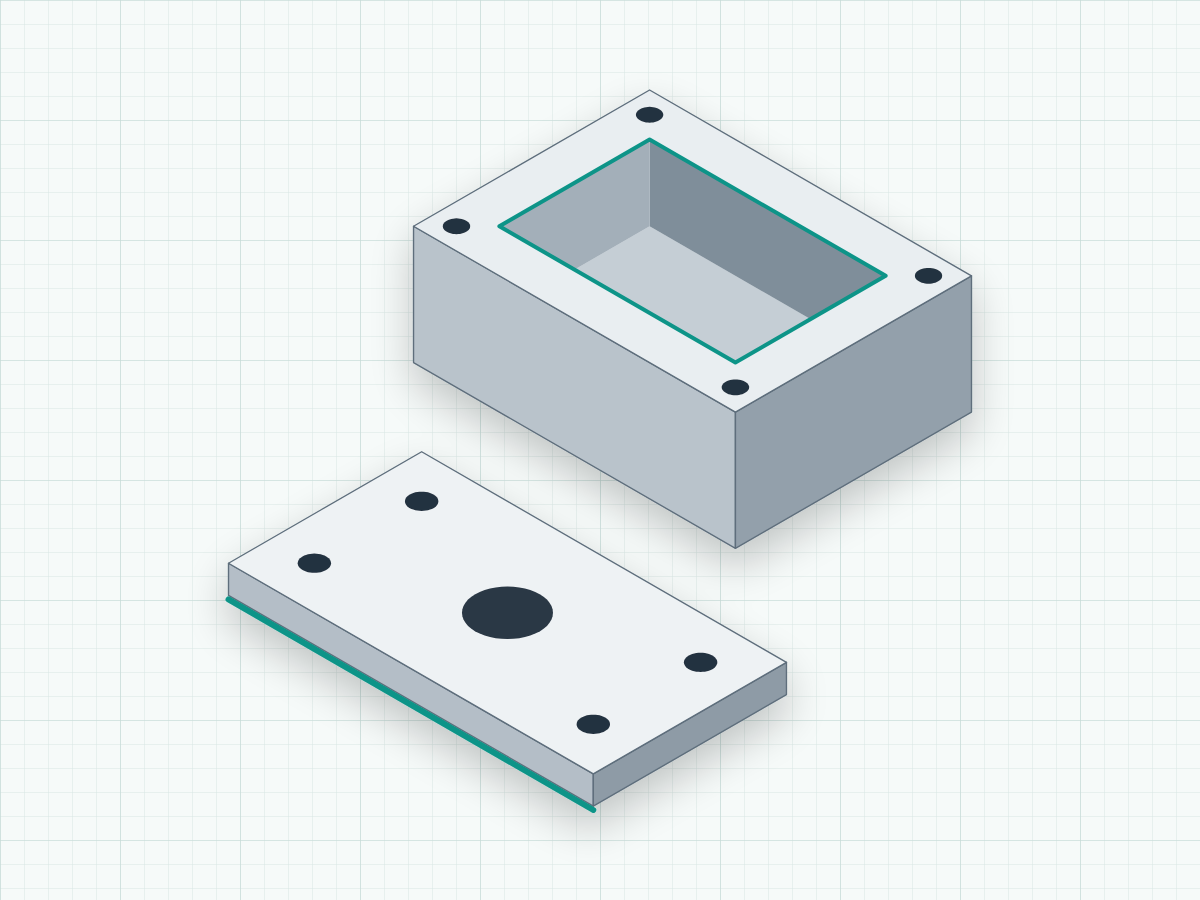
CNC Milling
Our 200+ milling centers, including 3-axis, 4-axis and 5-axis machines with FANUC and SIEMENS controls, produce plates, housings, brackets, manifolds and enclosures in metal and plastic. Milling suits flat faces, pockets, slots, bores and hole patterns, and holds tight tolerances on complex geometry. We also machine mold inserts and fixtures.
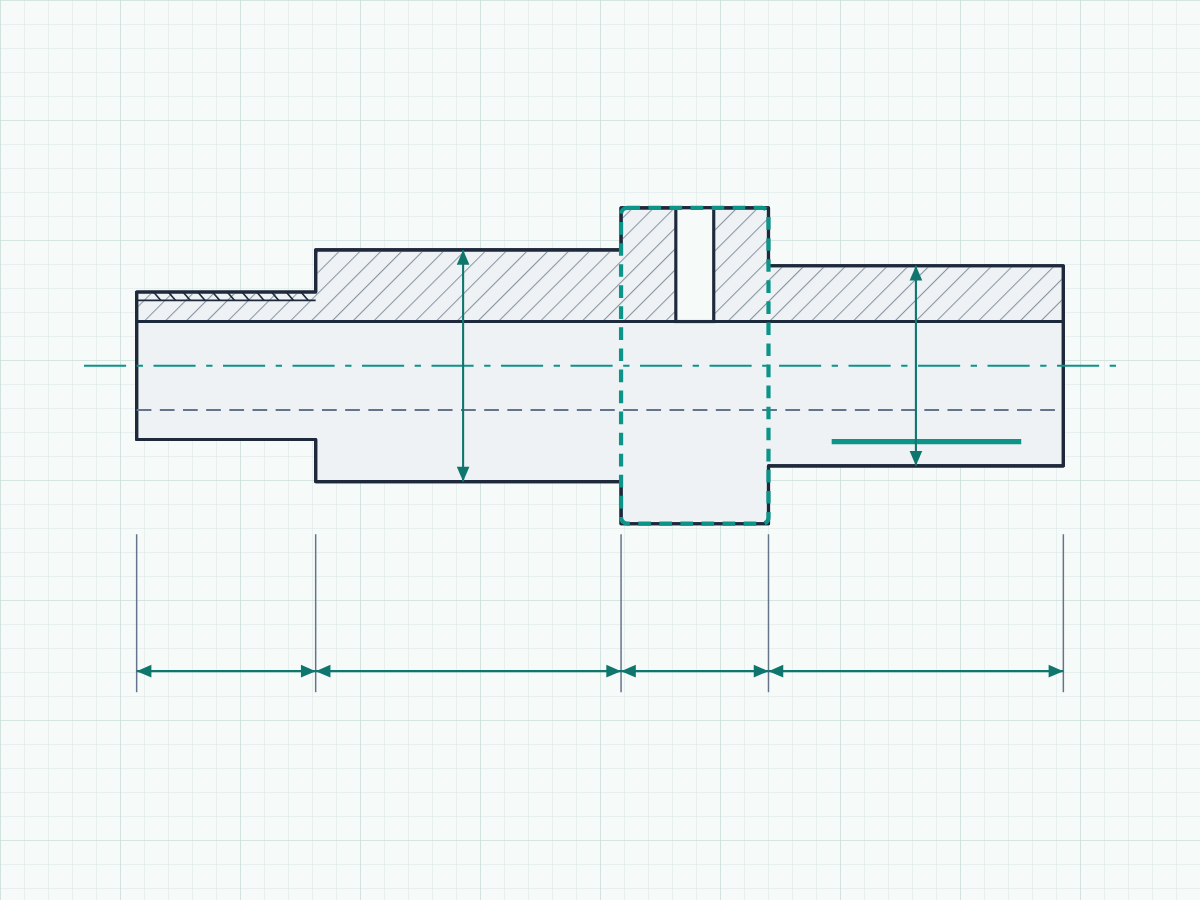
CNC Turning
CNC lathes, turning centers and mill-turn machines produce shafts, pins, bushings, sleeves, nozzles and threaded fittings from round, square or hexagonal bar. Live tooling adds cross-holes, flats and slots in the same setup, so concentricity between diameters stays under control. Turned prototypes and production parts ship in a few days.
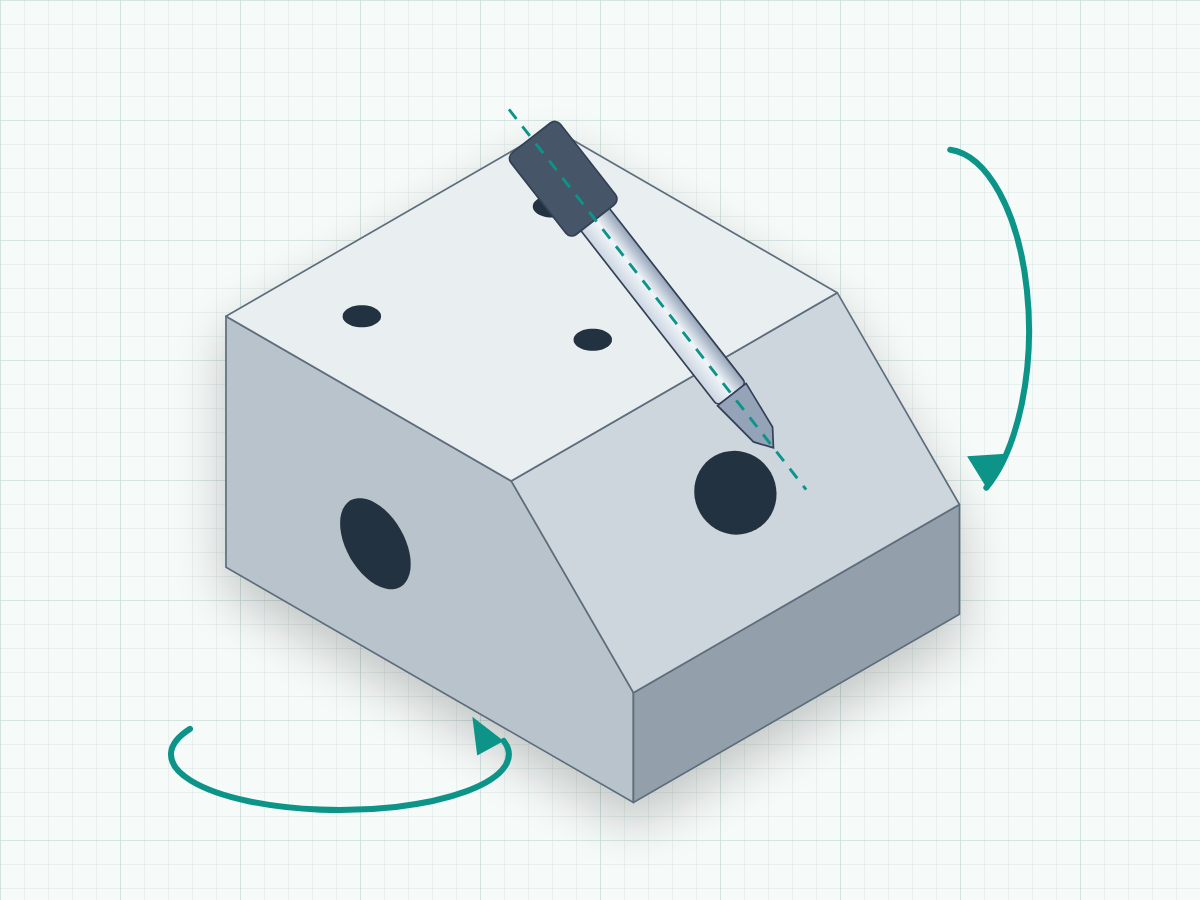
5-Axis CNC Machining
Our 20+ HERMLE and DMG MORI five-axis machines reach angled holes, undercuts and freeform surfaces in one or two setups instead of five or six. Fewer setups mean less re-fixturing error between faces, better surface continuity and shorter lead times for impellers, aerospace brackets, medical components and complex housings.
CNC Machining from Prototyping to Production
Whether you need one functional prototype, a bridge batch or a recurring production order, the same engineering team, machines and inspection standards follow your part through every stage, so a design that passes testing carries over to production without surprises.
Rapid prototyping (1–100 pcs). Functional prototypes in production-grade materials, machined in as little as 1–3 days for simple parts. Use them for fit checks, assembly trials and performance testing before you commit to tooling or volume.
Low-volume manufacturing (101–10,000 pcs). Bridge and pilot batches with first-article inspection and documented process settings, so the approved sample becomes the reference for every later order.
Production machining (10,000+ pcs). Repeat orders run on dedicated fixtures and programs, with in-process and final inspection of critical dimensions and consistent packing for your assembly line.
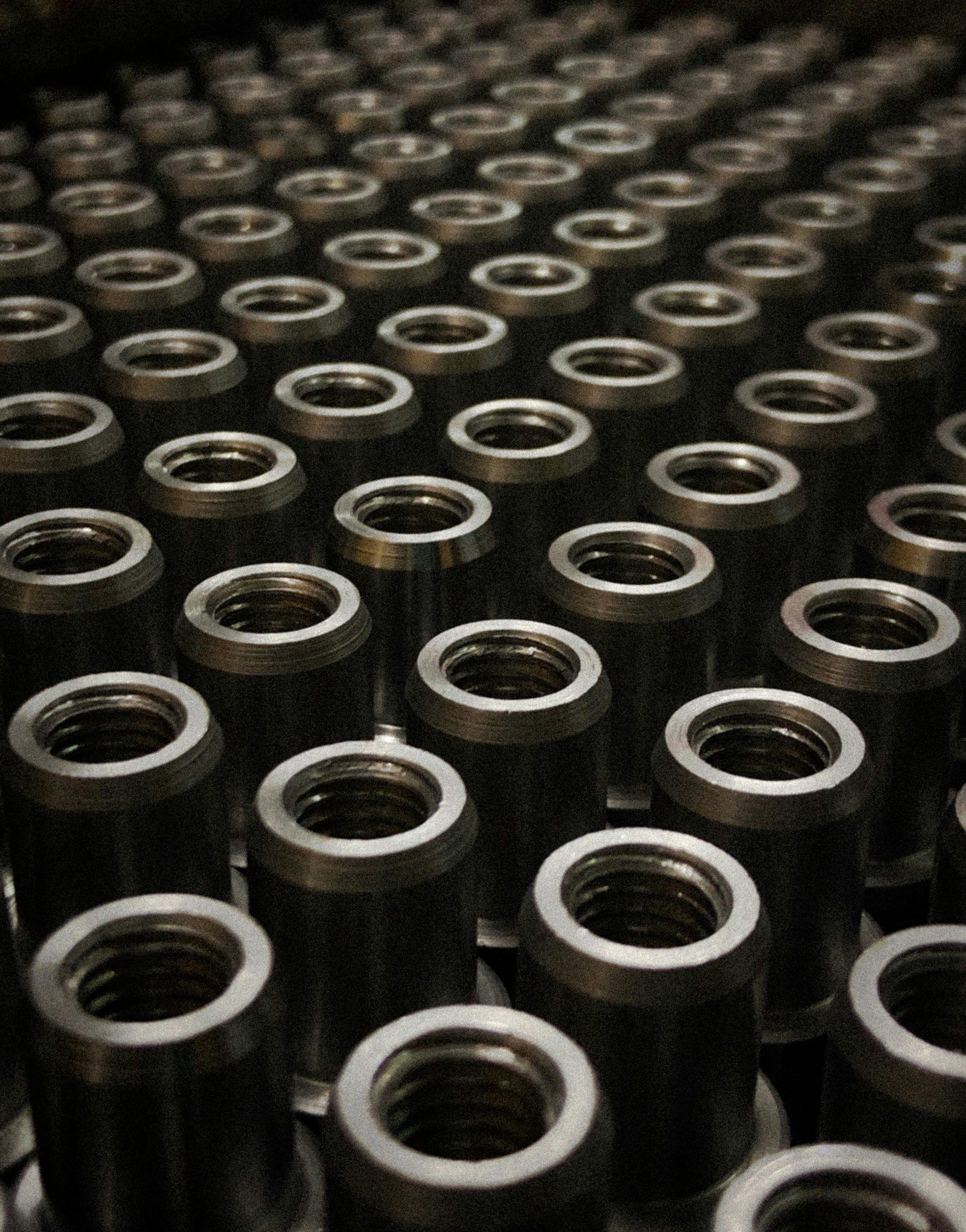
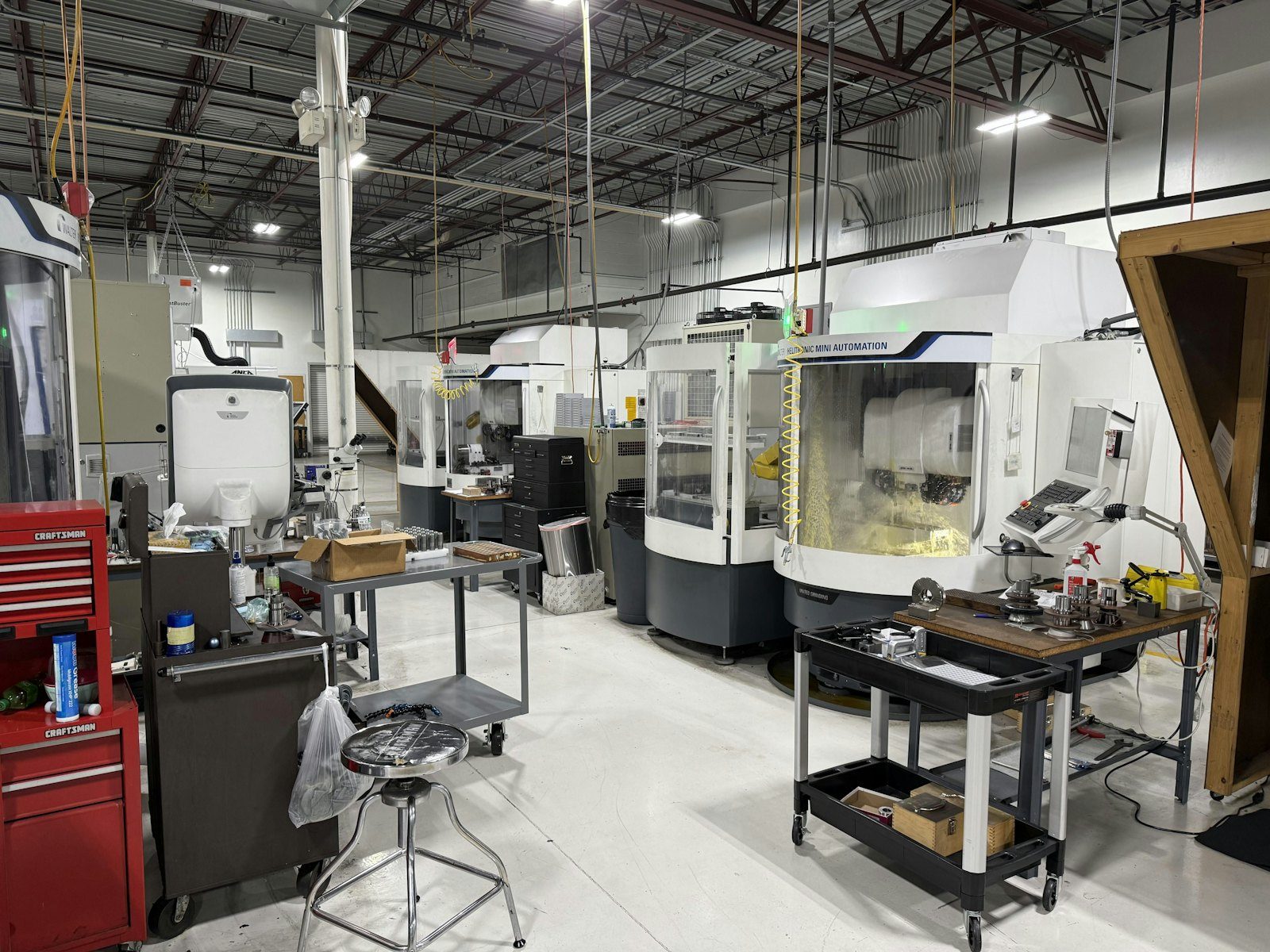
Our CNC Machine Shop in China. Shipping Worldwide.
Bohui machines every part in its own factory in Dongguan, at the center of China's precision manufacturing supply chain. Alongside our CNC mills and lathes we run surface grinders, wire EDM and sinker EDM machines and automated production lines, so complex parts, tight fits and fine details are produced and inspected under one roof. Our engineers and project managers keep communication clear from quote to delivery, and we ship by international express and air freight to customers in more than 120 countries.
CNC machines
200+
with FANUC and SIEMENS controls
Five-axis machines
20+
from HERMLE and DMG MORI
Precision tolerance
±0.01 mm
on reviewed features
Countries
120+
our parts are shipped to
Illustrative photo
Illustrative photo
CNC Machining Materials
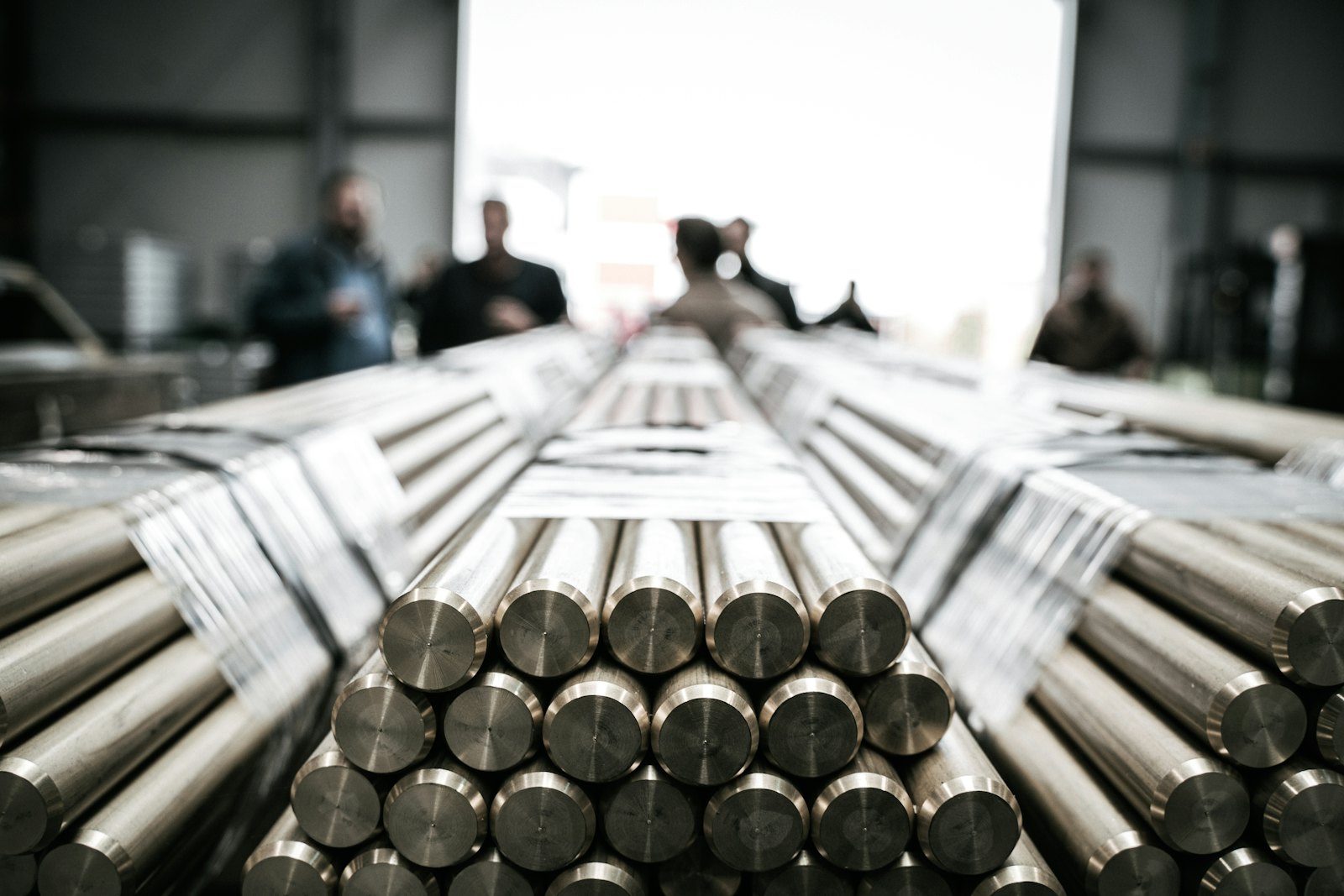
Choose from 30+ metals and engineering plastics in stock grades or to your specification. Material certificates are available on request, and our engineers can recommend a grade or an equivalent substitute when your drawing allows it. The figures below are typical values for reference; the properties of your part depend on the exact grade, temper and supplier certificate.
Metals
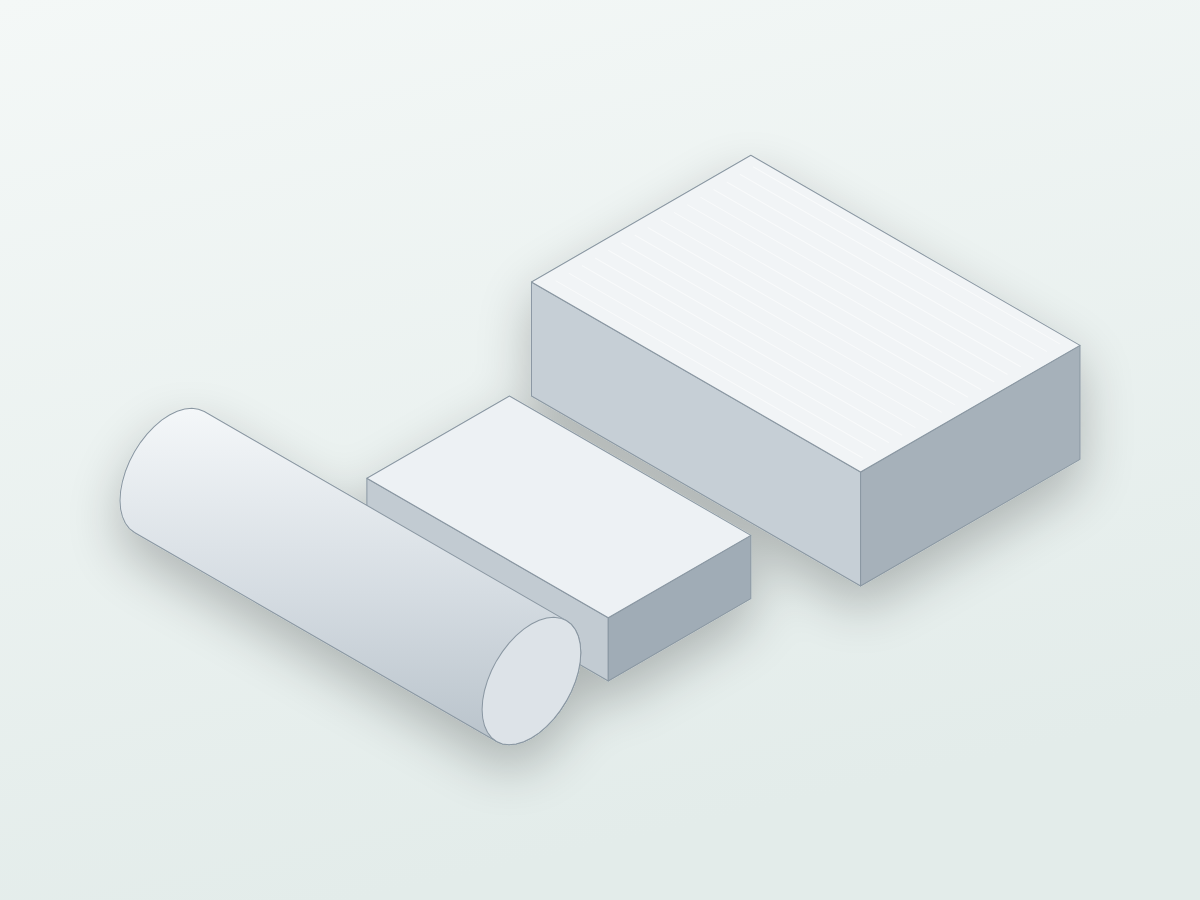
Aluminum
Aluminum is the most widely machined metal: light (2.7 g/cm³), strong for its weight, naturally corrosion resistant and fast to cut, which keeps cost and lead time low. It takes anodizing, hard anodizing, chromate conversion and powder coating well, and conducts heat efficiently for heat sinks and electronic housings.
Grades
6061-T6, 6063-T5, 6082-T6, 7075-T6, 2024-T3, 5052-H32, 5083, ADC12 (A380) castings
Typical properties
- 6061-T6: tensile strength 310 MPa, yield strength 276 MPa; the general-purpose choice with excellent machinability and weldability
- 7075-T6: tensile strength 572 MPa, yield strength 503 MPa; close to many steels in strength for aerospace and high-load parts
- 5052 and 5083: the best marine and chemical corrosion resistance of the common grades; 2024: high fatigue strength
Typical applications
Housings and enclosures, brackets, heat sinks, fixtures and jigs, drone and robot frames, automotive and aerospace components.
Compatible finishes
As machined, bead blasting, anodizing, hard anodizing, chromate conversion, powder coating, painting, electroplating, polishing, brushing.
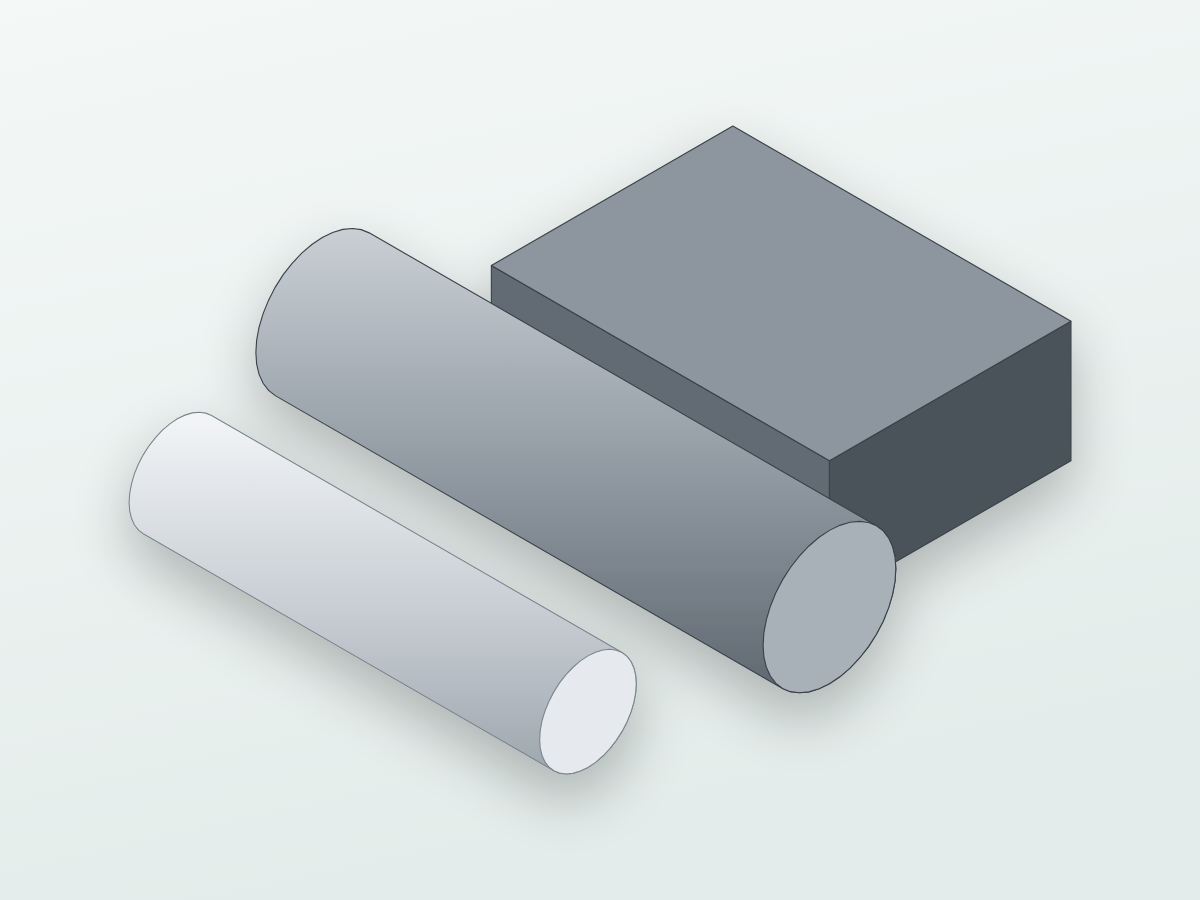
Steel
Carbon and alloy steels offer high strength, stiffness and wear resistance at a low material cost. Low-carbon grades weld and case-harden easily; medium-carbon and chromium-molybdenum grades can be through-hardened; tool and die steels reach high hardness for punches, molds and wear parts. Steel needs a protective finish against rust.
Grades
1018, 1020, 1025, 1045, 1215, 4130, 4140, 4340, 5140, A36, SPCC, die steel (H13, D2, P20), spring steel, bearing steel, high-speed steel
Typical properties
- Density 7.85 g/cm³; 1045 tensile strength about 565–625 MPa depending on supply condition
- 4140 and 4340: supplied annealed or pre-hardened to about 28–32 HRC; heat-treatable for higher strength and toughness
- Tool steels such as D2 and H13: hardened to about 50–60 HRC for wear and hot-work applications
Typical applications
Shafts, gears, axles, fixtures, structural brackets, molds and dies, tooling plates, machine components.
Compatible finishes
As machined, black oxide, zinc or nickel plating, powder coating, painting, heat treatment, rust-preventive oil.
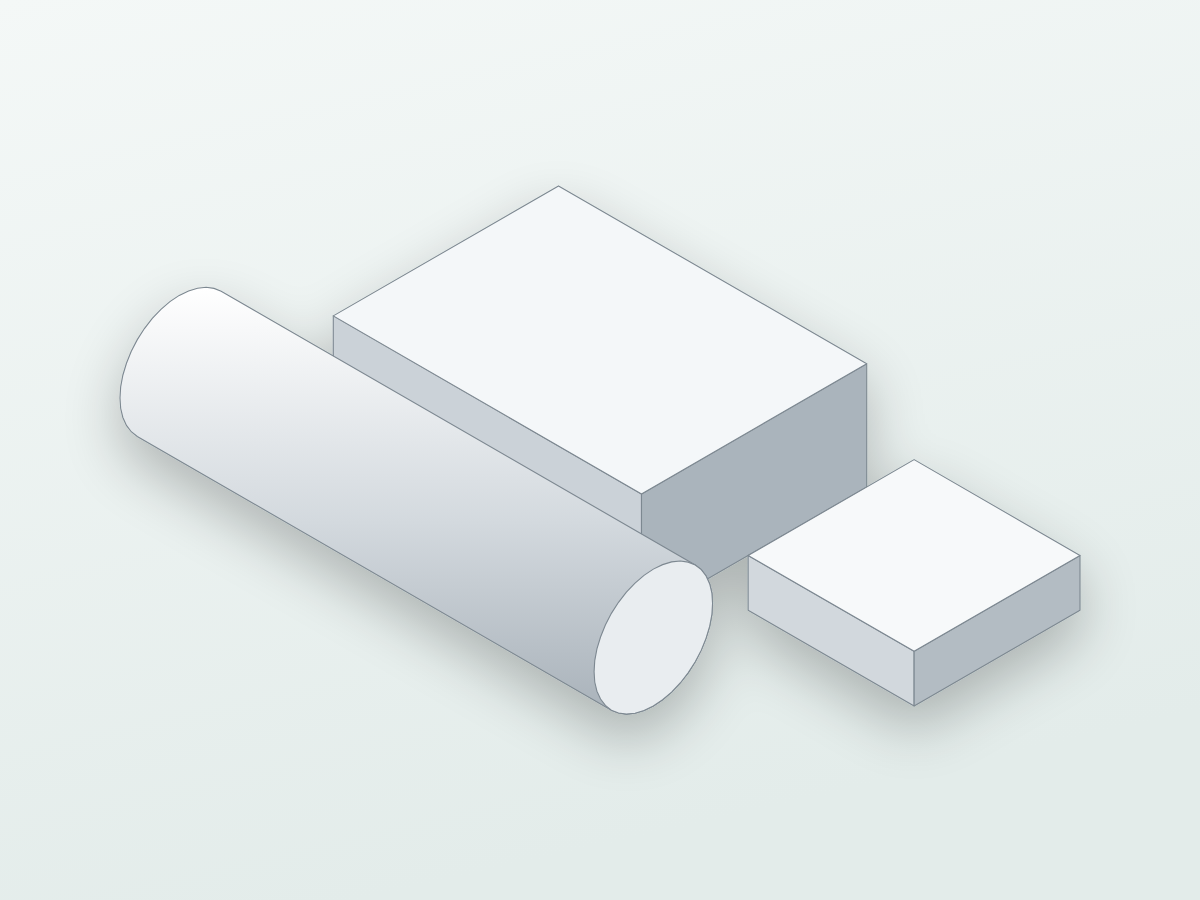
Stainless Steel
Stainless steels combine strength with corrosion resistance and a clean appearance. Austenitic grades (303, 304, 316L) resist corrosion and are non-magnetic in the annealed state; martensitic grades (420, 440C) can be hardened for cutting and wear parts; 17-4PH offers very high strength after precipitation hardening.
Grades
SUS201, 303, 304, 304L, 316, 316L, 420, 430, 431, 440C, 17-4PH (630)
Typical properties
- 304 and 316L: tensile strength ≥ 515 MPa, yield strength ≥ 205 MPa (annealed); 316L adds molybdenum for chloride resistance
- 303: sulfur-bearing free-machining grade for high-volume turned parts with slightly lower corrosion resistance
- 17-4PH (H900): tensile strength about 1,310 MPa; 440C hardens to about 58–60 HRC
Typical applications
Medical and food-contact parts, valves and fittings, marine hardware, fasteners, shafts, surgical and laboratory equipment.
Compatible finishes
As machined, passivation, electropolishing, bead blasting, brushing, polishing, black oxide, electroplating.
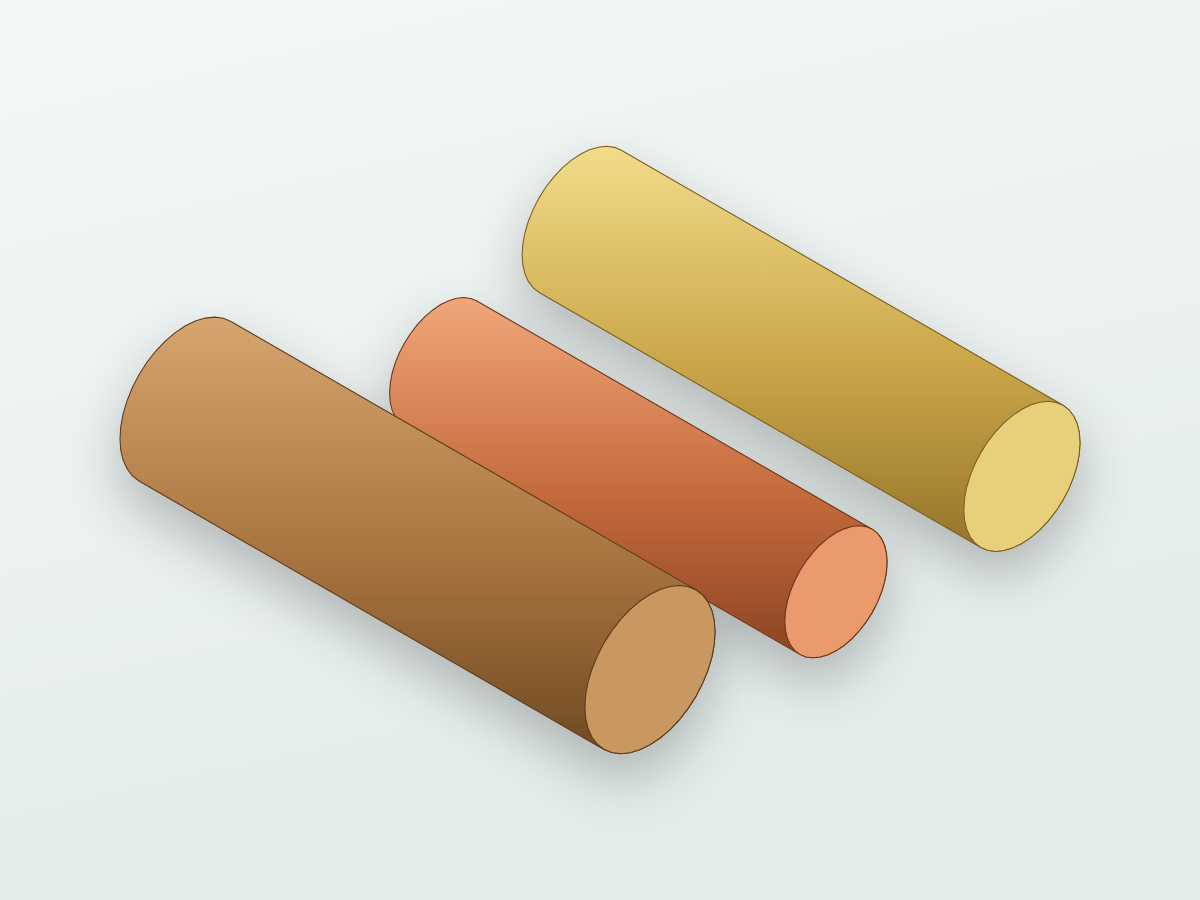
Copper, Brass and Bronze
Copper alloys are chosen for electrical and thermal conductivity, low friction and corrosion resistance. Pure copper conducts best; free-cutting brass machines faster than almost any other metal; bronzes and beryllium copper add strength and wear resistance for bearings, bushings and springs.
Grades
Copper C101 (T2), C103 (T1), C110 (TU0), brass C360 (H59, H62), beryllium copper C17200, tin bronze, phosphor bronze, aluminum bronze C95400
Typical properties
- C101 and C110: electrical conductivity of about 100% IACS; density 8.9 g/cm³
- Brass C360: the reference free-machining alloy (machinability rating 100), ideal for fittings and connectors
- Aluminum bronze C95400: tensile strength about 515–620 MPa with high wear resistance; beryllium copper reaches about 1,100–1,300 MPa after age hardening
Typical applications
Busbars, electrical contacts and terminals, heat exchangers, valve bodies, bushings and bearings, RF and antenna components, decorative hardware.
Compatible finishes
As machined, polishing, brushing, bead blasting, electroplating, passivation.
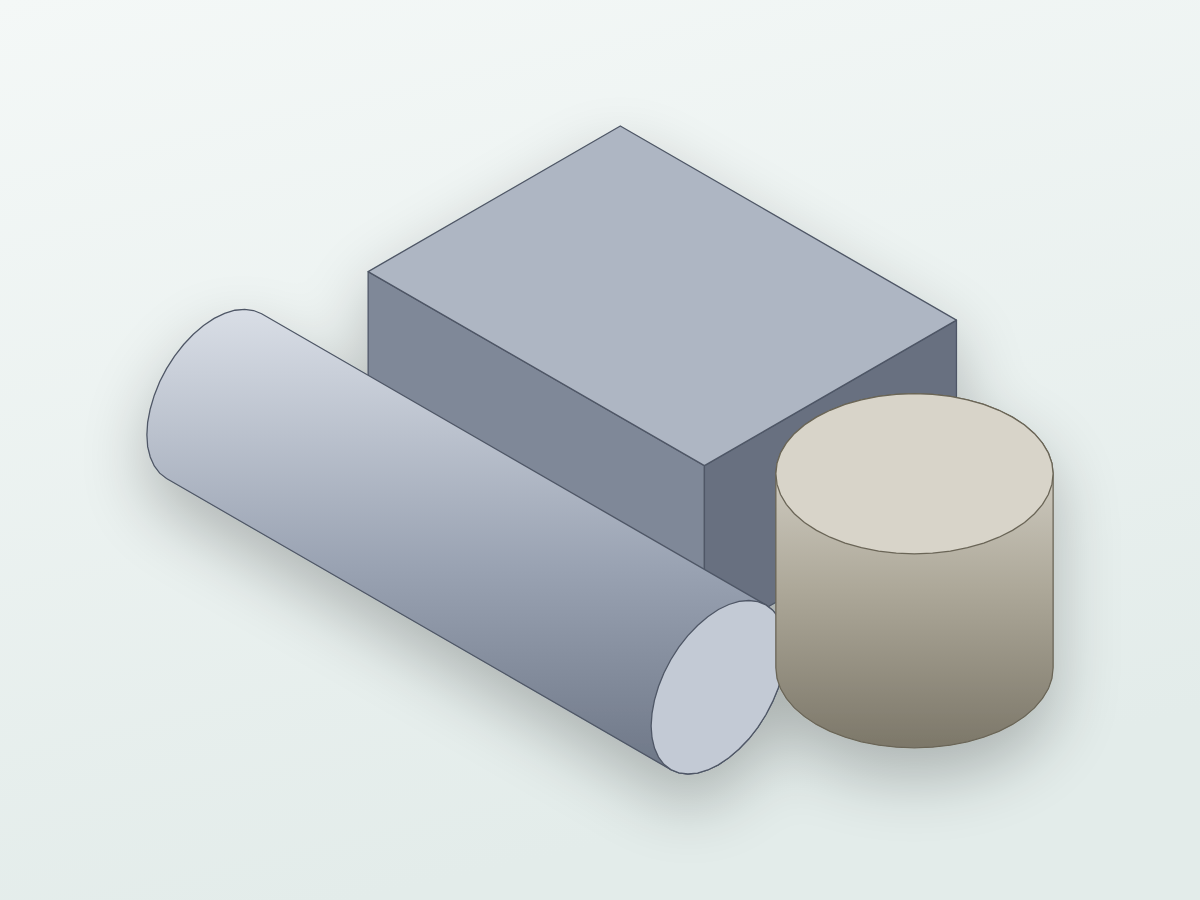
Titanium and Magnesium
Titanium offers the best strength-to-weight ratio of the common engineering metals, outstanding corrosion resistance and biocompatibility. Magnesium is the lightest structural metal at about 1.8 g/cm³. Both require controlled cutting conditions, which our five-axis cells and experienced machinists handle routinely.
Grades
Titanium Grade 2 (TA2), Grade 1 (TA1), Ti-6Al-4V Grade 5 (TC4); magnesium AZ31B, AZ91D
Typical properties
- Ti-6Al-4V: tensile strength ≥ 895 MPa at a density of 4.43 g/cm³; biocompatible and stable up to about 400 °C
- Titanium Grade 2: commercially pure, tensile strength about 345 MPa, excellent resistance to seawater and chlorides
- Magnesium AZ31B: density 1.77 g/cm³, tensile strength about 260 MPa, good damping for electronics and drone frames
Typical applications
Aerospace fittings, medical implants and instruments, racing and robotics parts, lightweight housings, marine components.
Compatible finishes
As machined, bead blasting, titanium anodizing, polishing, chromate conversion and painting for magnesium.
Nickel Alloys and Invar
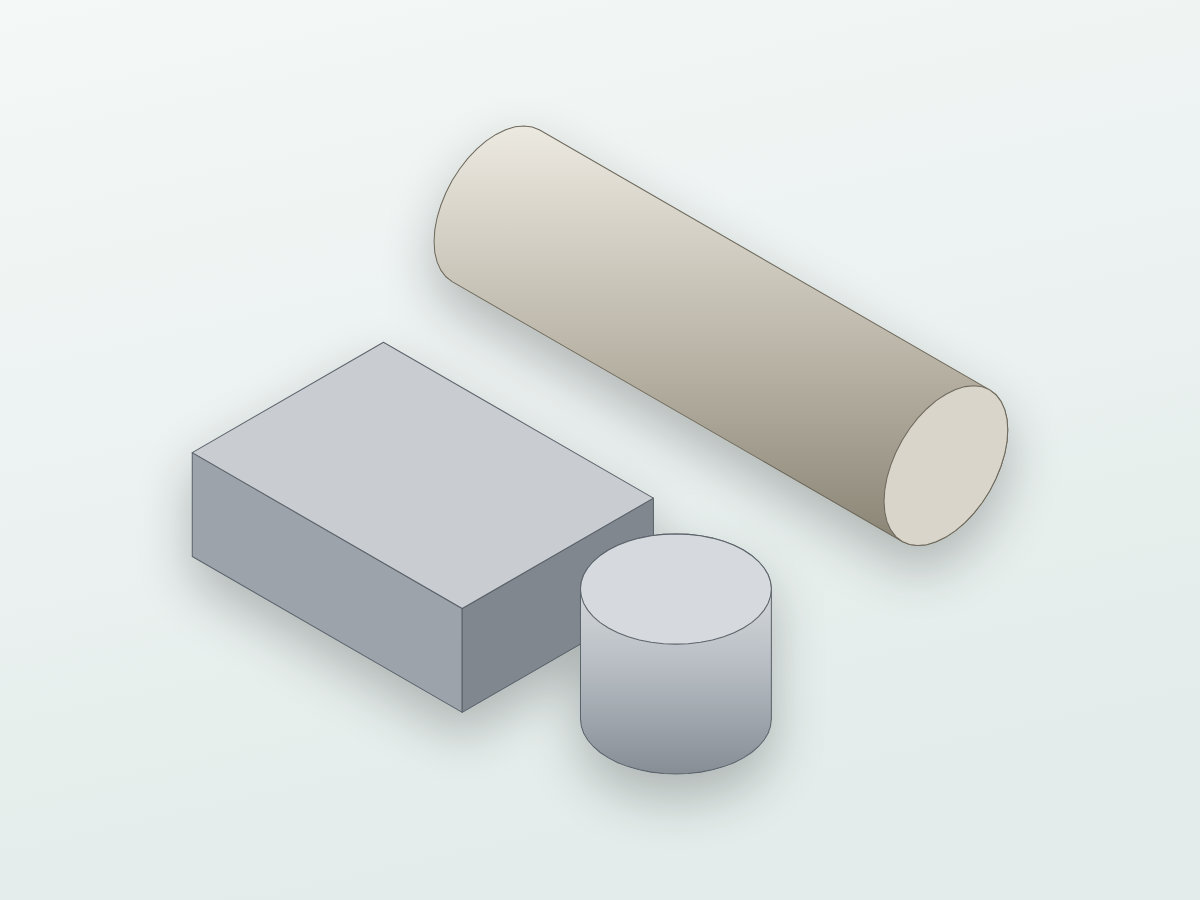
Nickel-based superalloys keep their strength and resist oxidation at temperatures where steels and aluminum fail. Invar 36 barely changes size with temperature, which makes it the reference material for precision instruments and optical mounts. These alloys work-harden and are slow to cut, so we plan rigid setups and suitable tooling for them.
Grades
Inconel 625, Inconel 718, Invar 36; other nickel alloys on request
Typical properties
- Inconel 718: tensile strength up to about 1,240 MPa after aging, usable to about 650–700 °C
- Inconel 625: excellent corrosion and oxidation resistance in seawater and chemical environments
- Invar 36: coefficient of thermal expansion of about 1.2 × 10⁻⁶ /°C near room temperature
Typical applications
Turbine and exhaust components, high-temperature fasteners, chemical-processing parts, optical and measurement fixtures, composite-layup tooling.
Compatible finishes
As machined, bead blasting, passivation, polishing.
Plastics
Machined plastics give you production-grade material properties without the cost of a mold, which makes them ideal for prototypes, low-volume parts and components that need chemical resistance, electrical insulation, low friction or transparency. Plastics expand more with temperature and some absorb moisture, so we review fits and tight tolerances with you before machining.
Acetal and Nylon
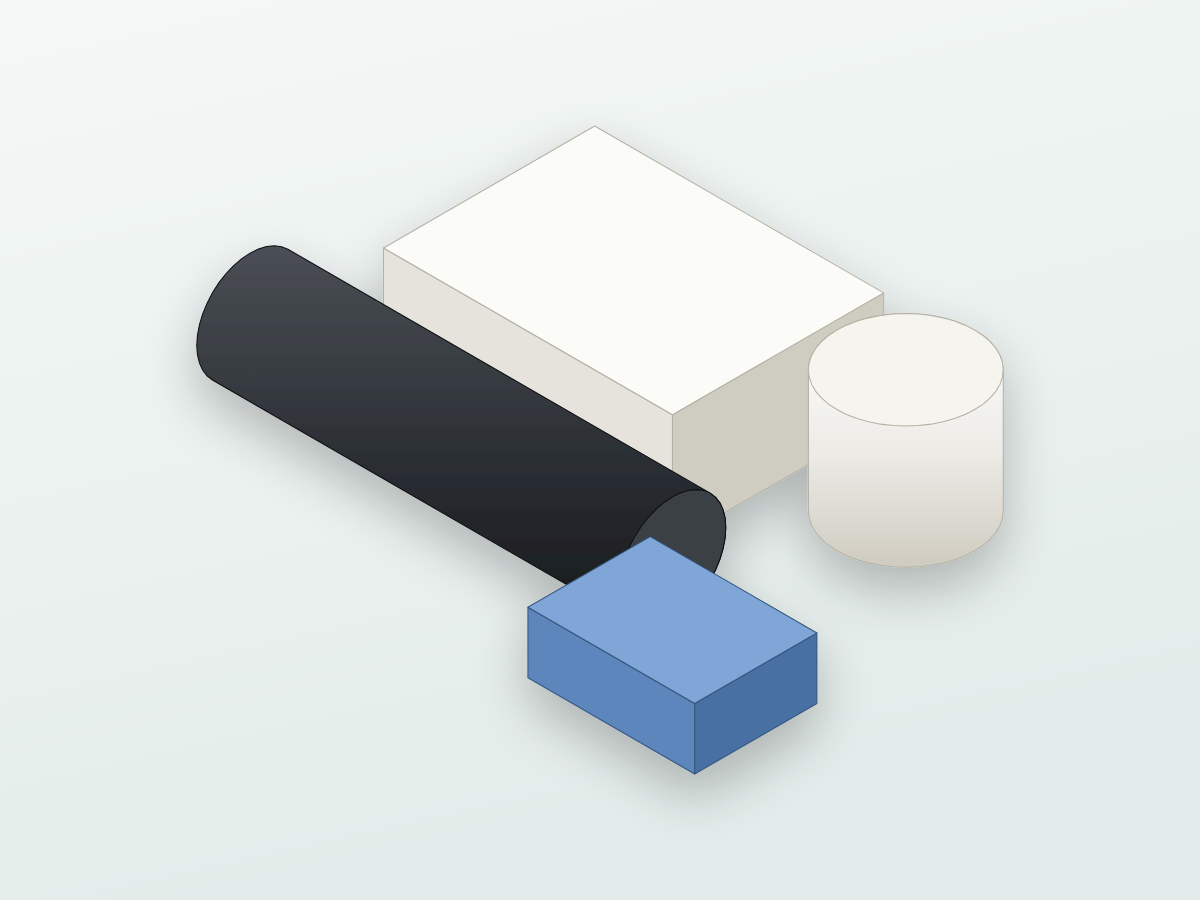
Acetal (POM) is the first choice for precise mechanical plastic parts: stiff, low-friction, dimensionally stable and easy to machine to tight tolerances. Nylon is tougher and more wear resistant but absorbs moisture, so it is best for parts that tolerate small dimensional changes. Glass-filled grades add stiffness and heat resistance.
Grades
POM homopolymer and copolymer (white, black, blue, 100AF), PA6, PA66, PA6 + GF15 / GF30, PPA
Typical properties
- POM: tensile strength about 60–70 MPa, water absorption about 0.2%, continuous use to about 100 °C
- PA6 and PA66: high toughness and wear resistance; moisture absorption of up to about 8–9% at saturation affects dimensions
- PPA: a high-temperature polyamide with lower moisture uptake for automotive and electrical parts
Typical applications
Gears, bushings, rollers, cams, wear strips, snap-fit parts, valve components and food-processing parts.
High-Performance Plastics
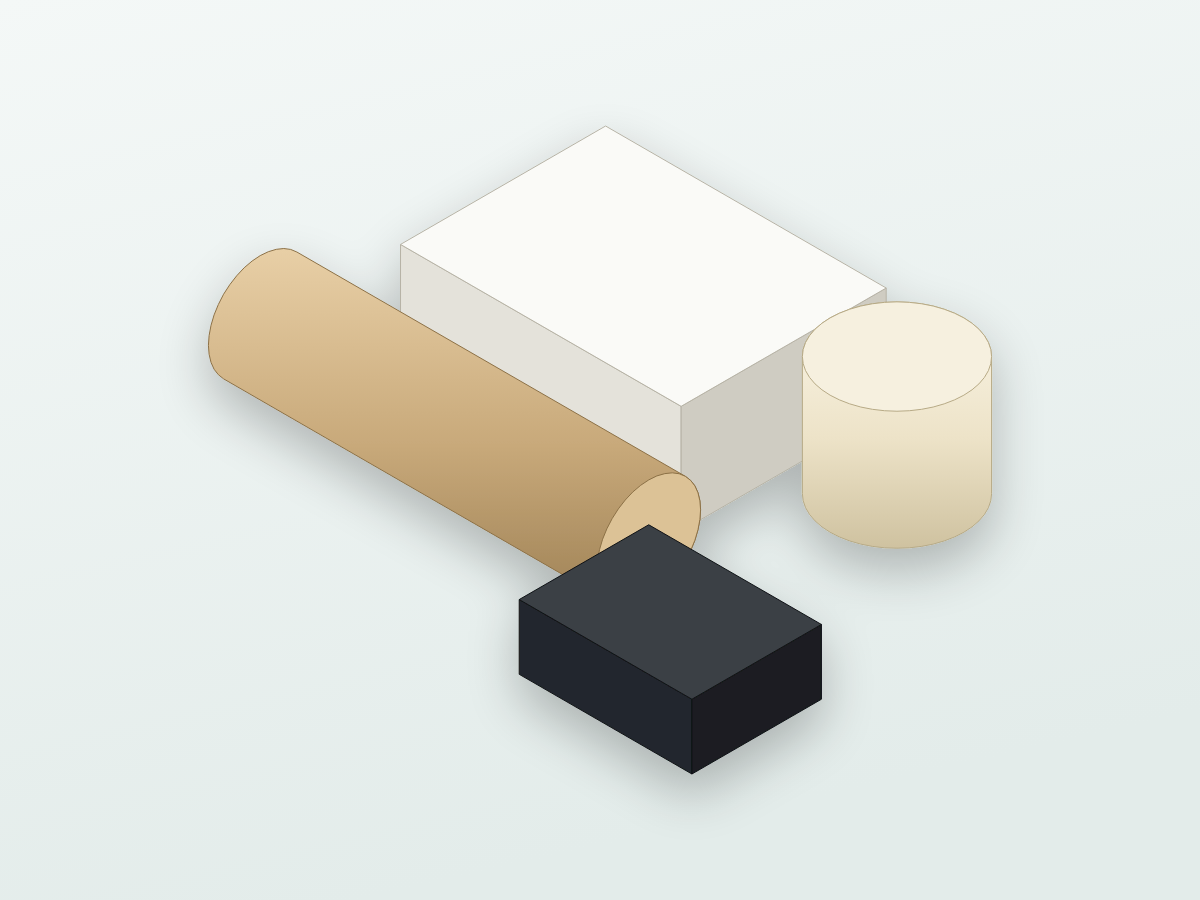
High-performance polymers replace metal where weight, chemical resistance, electrical insulation or sterilization matter. They keep their strength at temperatures above 200 °C and are available in medical, food-contact and glass- or carbon-filled grades.
Grades
PEEK (natural, black, GF30, CF30), PEI (Ultem 1000), PPSU (Radel), PAI (Torlon 4203, 4301, 4501, 4503), PPS (natural, GF30)
Typical properties
- PEEK: glass transition 143 °C, continuous use to about 250 °C, tensile strength about 100 MPa, excellent chemical and hydrolysis resistance
- PEI: glass transition 217 °C, inherently flame retardant (UL94 V-0); PPSU: withstands repeated steam sterilization
- PAI: the highest strength and wear resistance of the unreinforced thermoplastics; PPS: chemical resistance and continuous use to about 200 °C
Typical applications
Medical and dental instruments, semiconductor and test fixtures, aerospace interior and engine-bay parts, pump and valve components, electrical insulators.
PTFE and Polyolefins
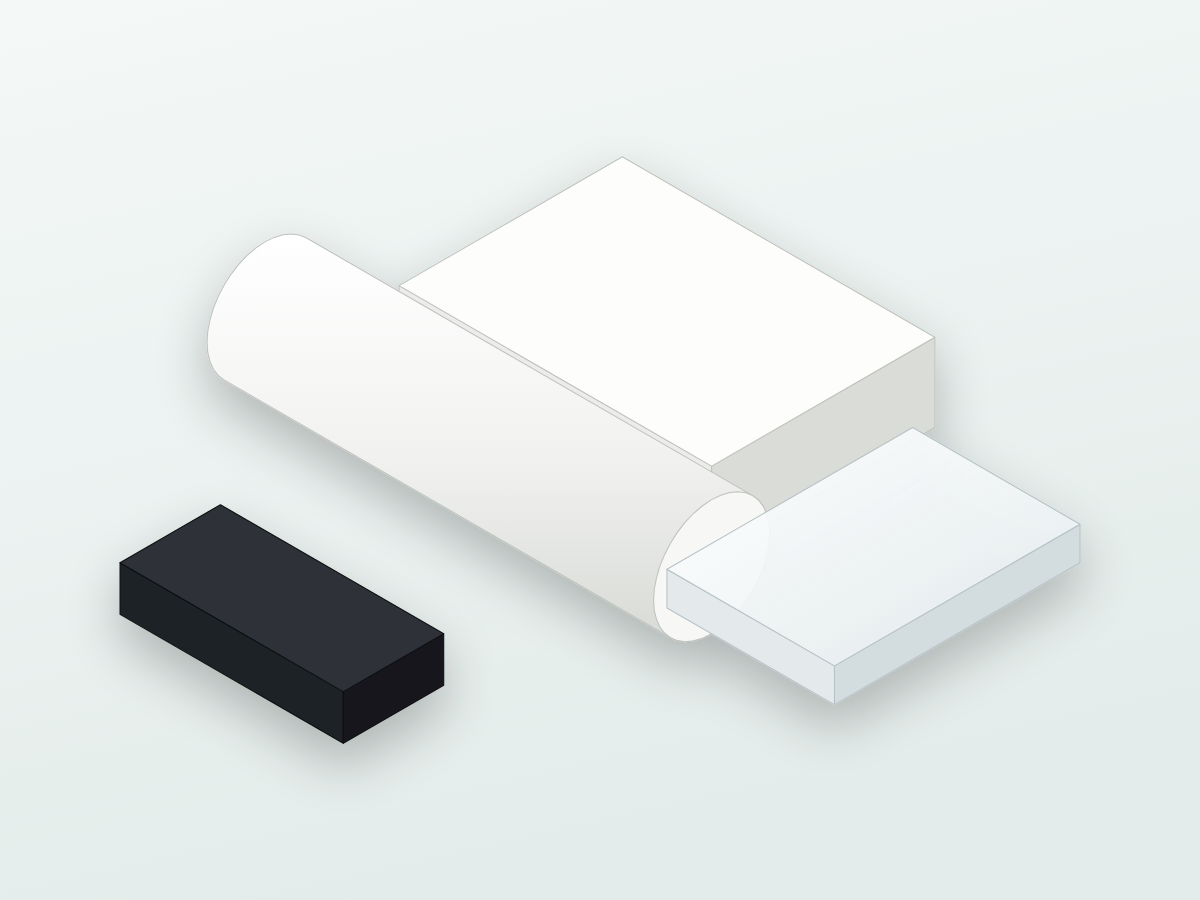
This family covers the most chemically inert and lowest-friction plastics. PTFE resists almost every chemical and works from cryogenic temperatures up to about 260 °C; UHMW-PE has outstanding abrasion resistance; HDPE and PP are economical choices for tanks, guides and chemical-handling parts. These soft materials need careful fixturing and realistic tolerances.
Grades
PTFE (Teflon, white, black, filled), UHMW-PE (UPE, white, black), HDPE, LDPE, PP homopolymer and PP + GF30
Typical properties
- PTFE: coefficient of friction about 0.05–0.10, service temperature from −200 °C to about 260 °C
- UHMW-PE: very high abrasion and impact resistance with low friction; density about 0.93 g/cm³
- PP: density 0.90 g/cm³ with good fatigue resistance for living hinges and chemical resistance to acids and alkalis
Typical applications
Seals, gaskets and valve seats, chemical-handling parts, wear liners and chute linings, conveyor guides, laboratory and food equipment.
Transparent Plastics
Clear plastics are machined for light guides, lenses, covers, display windows and visual prototypes. Polycarbonate is nearly unbreakable; acrylic is more scratch resistant and can be polished to optical clarity. We polish faces and edges so that machined parts look molded.
Grades
PC (clear, white, black, PC + GF30), PMMA (clear, white, black), PS (clear)
Typical properties
- PC: very high impact strength, heat deflection temperature of about 130 °C, light transmission of about 88–90%
- PMMA: light transmission of about 92%, excellent UV and weather resistance, polishable to optical quality
- PS: low-cost clear material for display models and short-term prototypes
Typical applications
Light pipes and lenses, sight glasses, machine guards, medical device covers, display windows, visual and fluid-flow prototypes.
ABS and Styrenics
ABS is the standard material for housings and consumer products: tough, easy to machine and easy to paint or plate. ABS+PC blends add heat and impact resistance, and HIPS is a low-cost option for models and fixtures. Machined ABS parts are ideal for verifying designs that will later be injection molded in the same material.
Grades
ABS (natural, black, white, antistatic), ABS + PC (black, white), HIPS
Typical properties
- ABS: good impact strength with a heat deflection temperature of about 85–100 °C
- ABS + PC: higher heat resistance and toughness for enclosures and automotive interior parts
- HIPS: impact-modified polystyrene, very easy to machine and bond
Typical applications
Electronic enclosures, consumer product housings, automotive interior trims, prototypes for injection-molded parts, jigs and display models.
Polyesters, PVC and Laminates
These materials are selected for electrical insulation, dimensional stability and moisture resistance. PBT and PET hold their size in humid conditions; rigid PVC resists chemicals at low cost; FR-4 and G-10 glass-epoxy laminates and phenolic (Bakelite) sheet are the standard insulators for electrical and electronic parts.
Grades
PBT (black, natural), PET (white, black, PET + GF30), PVC grey, FR-4 (green, yellow), G-10, Bakelite (black, orange)
Typical properties
- PBT and PET: low moisture absorption and good dimensional stability for connectors and precision parts
- FR-4: glass-epoxy laminate rated UL94 V-0 with high dielectric strength; G-10 is the non-flame-retardant equivalent
- PVC: rigid, chemically resistant and economical, for service up to about 60 °C
Typical applications
Insulating plates and spacers, test fixtures and PCB carriers, electrical connectors and terminal blocks, chemical tanks and pipe fittings.
Have a drawing ready?
Upload STEP or IGES models and PDF drawings with the material, quantity and finish. Our engineers review every file for manufacturability and send a detailed quote within 24 hours.
CNC Machining Surface Finishes
Choose from 14 finishing processes to protect your parts, change their appearance or add a functional surface such as wear resistance or conductivity. Coatings add thickness, so tell us which bores, threads and mating faces must be masked or dimensioned after finishing.
As Machined
Parts leave the machine with light tool marks and sharp edges broken. It is the most economical finish and keeps the tightest dimensional control because nothing is added or removed.
- Roughness
- Ra 3.2 µm standard, Ra 1.6 or 0.8 µm on request
- Materials
- All metals and plastics
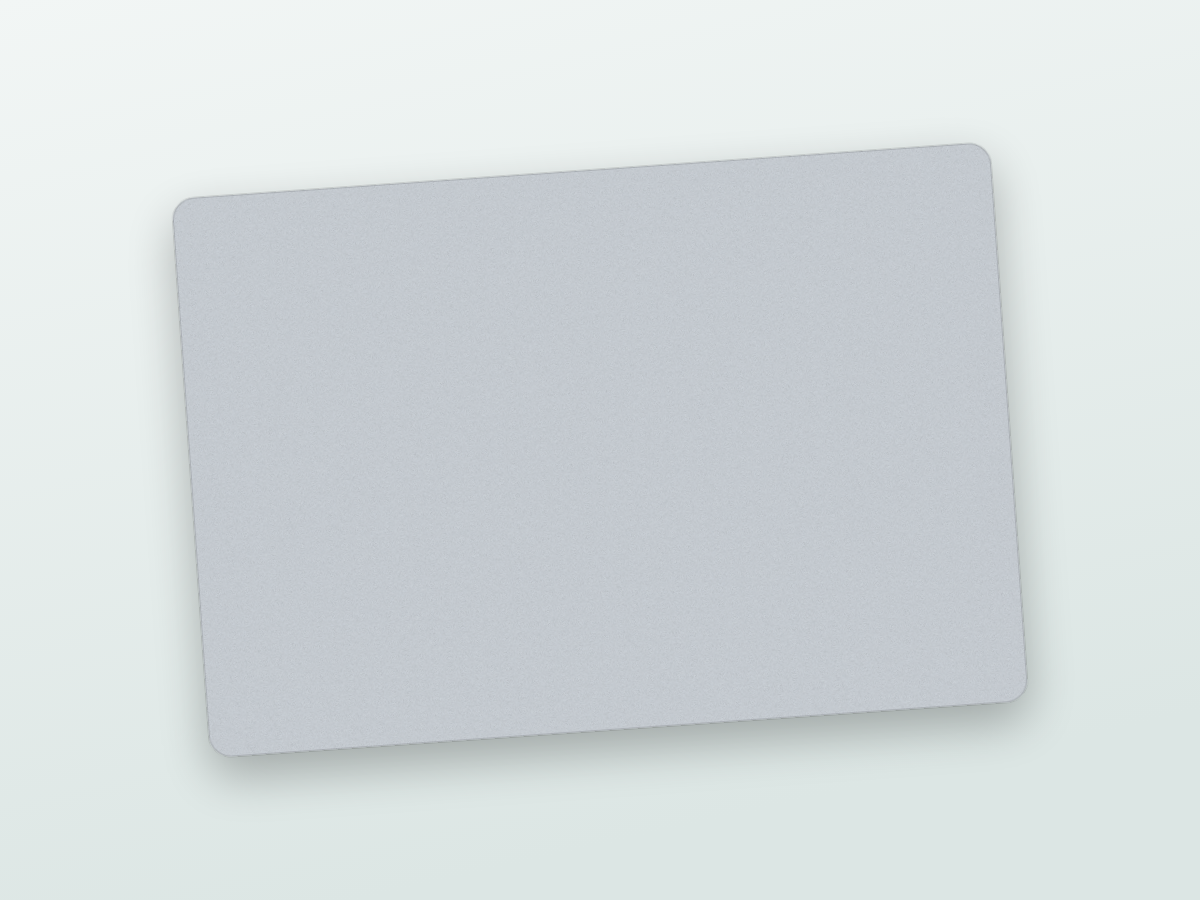
Bead Blasting
Glass beads or other media are blasted at the surface to remove tool marks and leave a uniform satin-matte texture. It is often used before anodizing for a premium, even appearance.
- Appearance
- Uniform matte, fine to medium texture
- Materials
- Aluminum, steel, stainless steel, titanium, brass
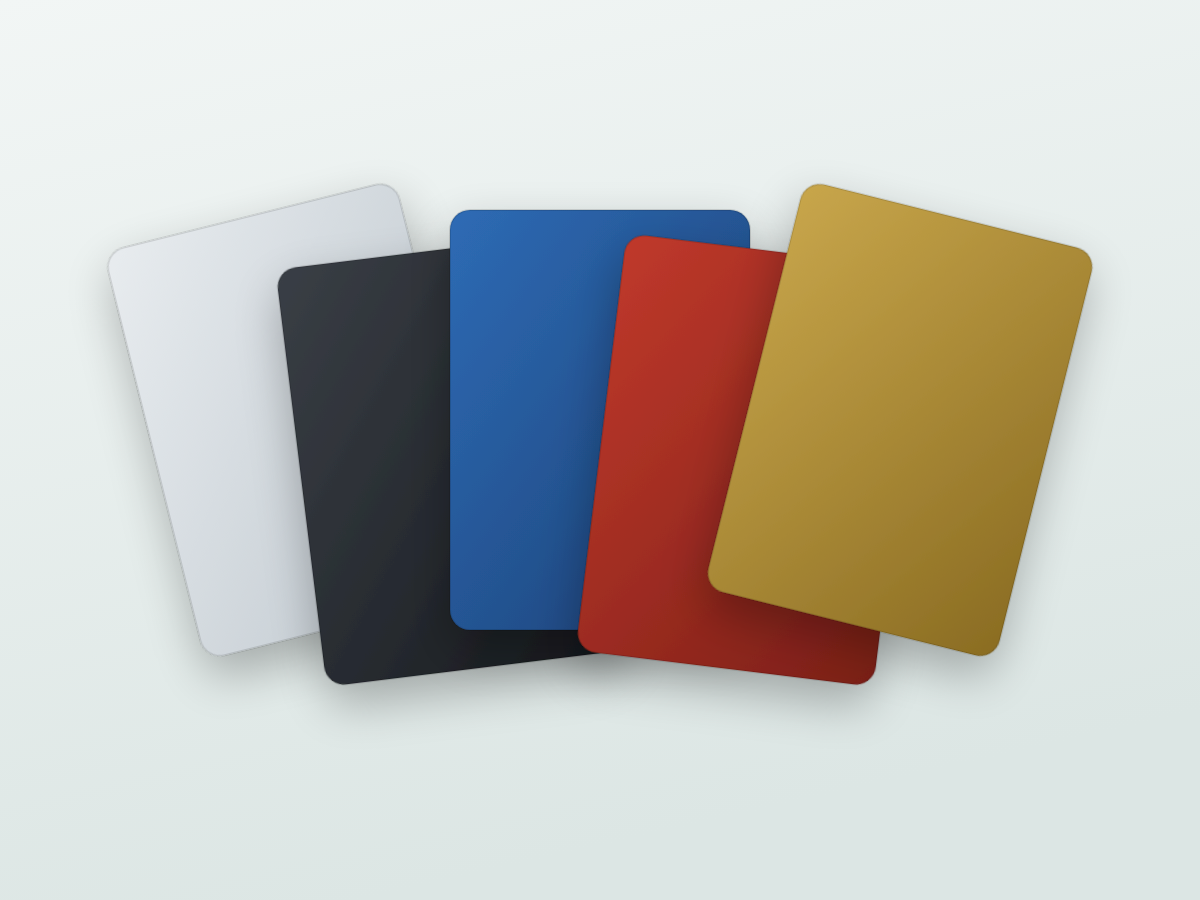
Anodizing (Type II)
An electrochemical process grows a hard, corrosion-resistant oxide layer on aluminum that can be dyed in almost any color. The coating is integral to the metal, so it will not chip or peel.
- Thickness
- 5–25 µm (MIL-A-8625 Type II)
- Colors
- Clear, black, red, blue, gold and custom colors
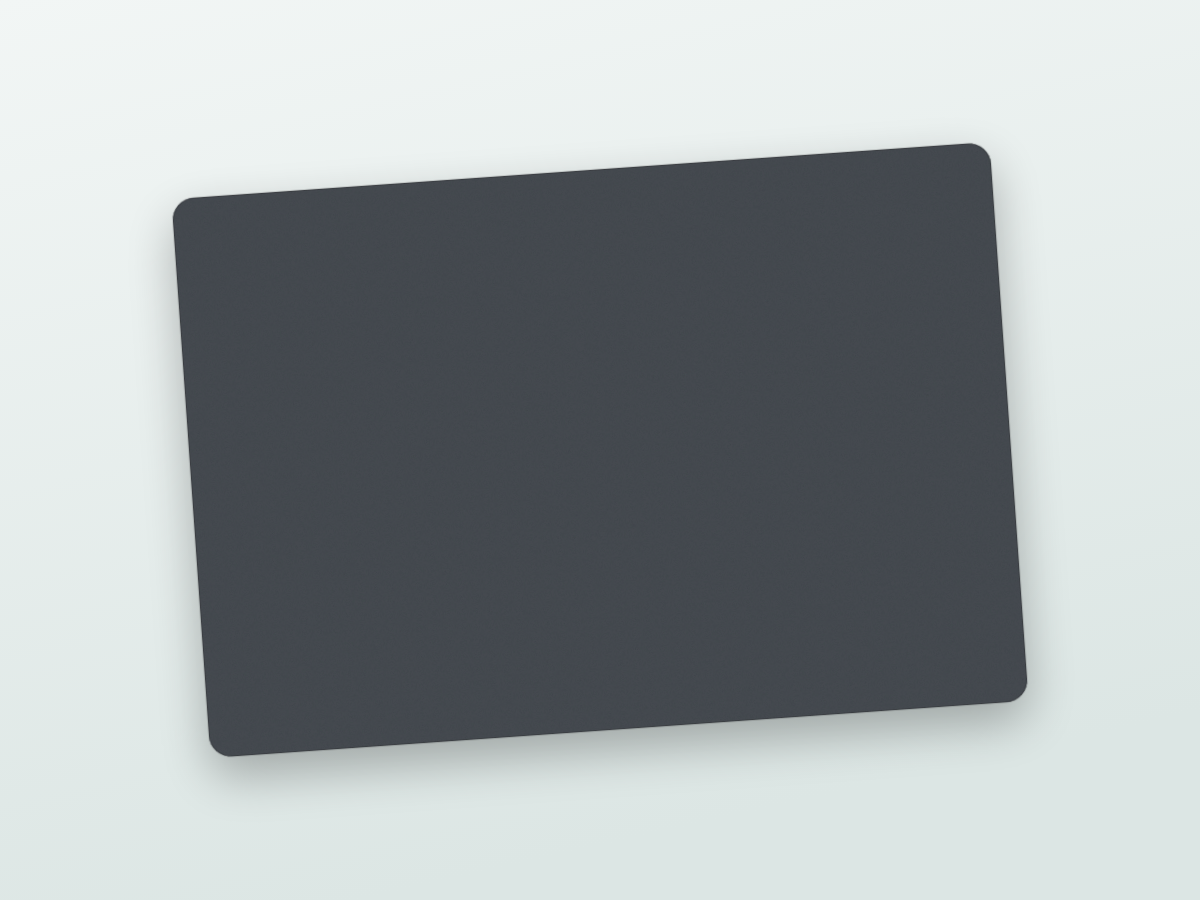
Hard Anodizing (Type III)
A thicker and much harder oxide layer for parts exposed to wear, sliding contact and harsh environments. Hard anodizing is typically dark grey or black and adds measurable thickness, so we plan dimensions before finishing.
- Thickness
- 25–75 µm (MIL-A-8625 Type III)
- Benefit
- High wear and abrasion resistance, electrical insulation
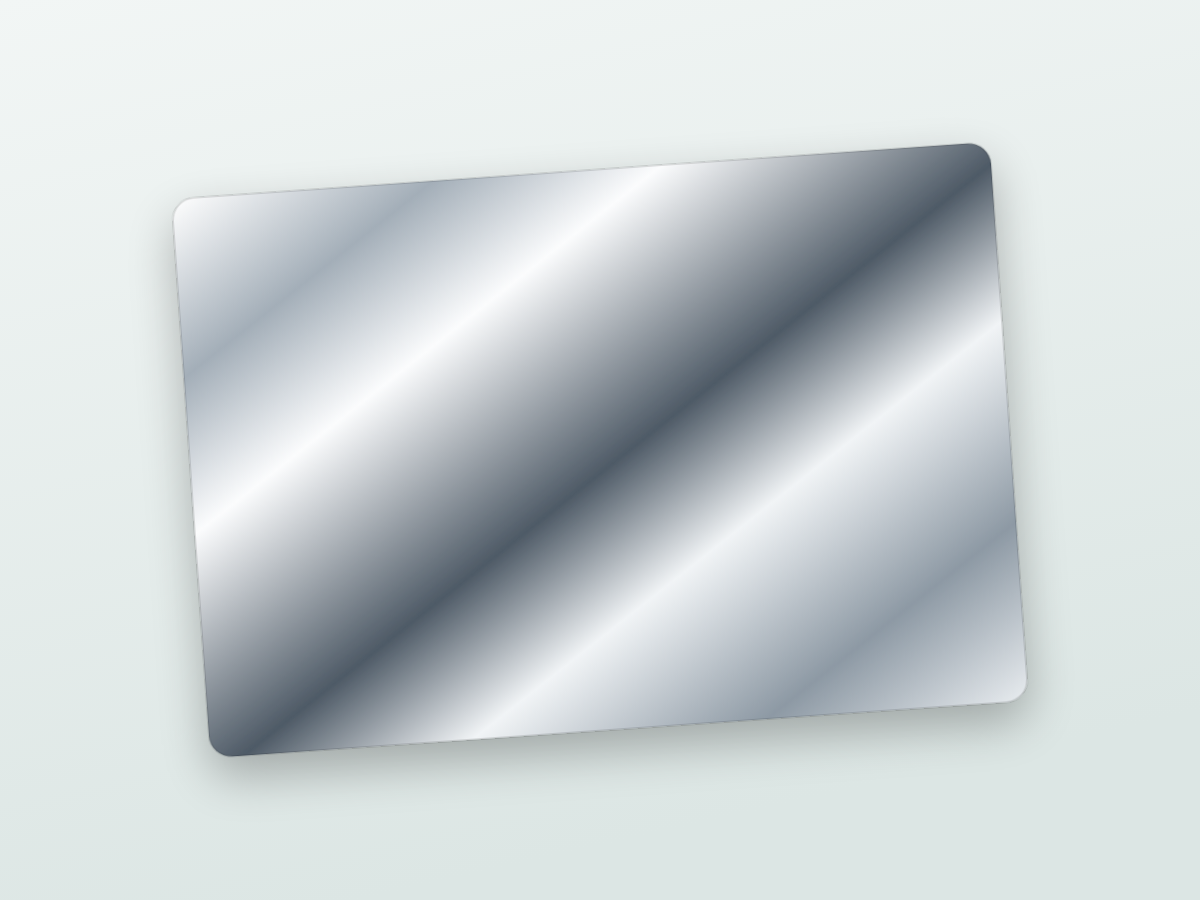
Polishing
Mechanical polishing removes tool marks and brings the surface to a high gloss or mirror finish. It is also used on acrylic and polycarbonate to restore transparency to machined faces.
- Roughness
- Down to about Ra 0.4 µm, mirror on request
- Materials
- Aluminum, stainless steel, brass, copper, PMMA, PC
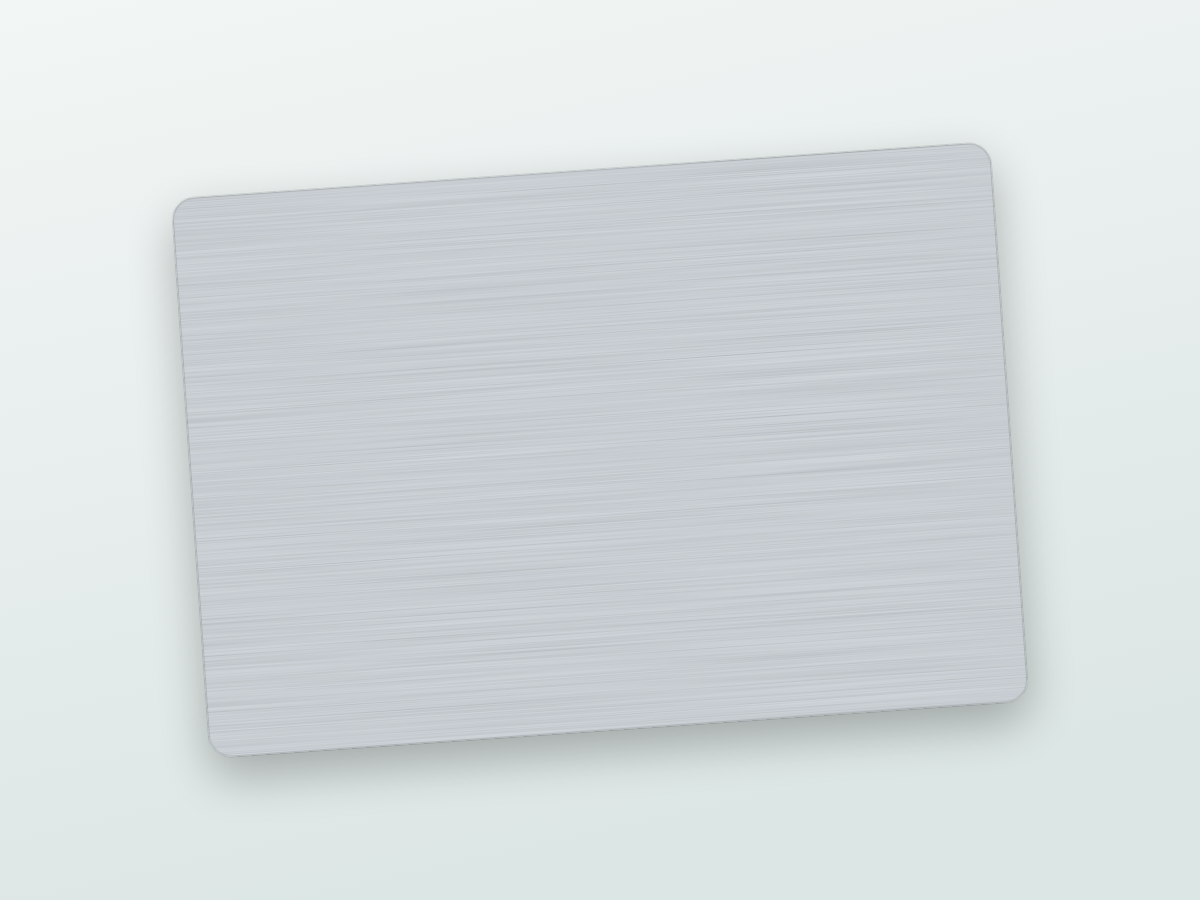
Brushed Finish
Abrasive belts or pads create a fine, unidirectional satin grain that hides fingerprints and small scratches. It is widely used on visible aluminum and stainless steel panels and is often combined with anodizing.
- Appearance
- Linear satin grain, grit chosen to your sample
- Materials
- Aluminum, stainless steel, brass, copper
Powder Coating
Dry powder is applied electrostatically and cured in an oven to form a thick, durable coating with excellent impact and corrosion resistance. Powder coating is available in RAL colors with matte, gloss or textured effects.
- Thickness
- Typically 60–120 µm
- Colors
- RAL and custom colors, matte to gloss
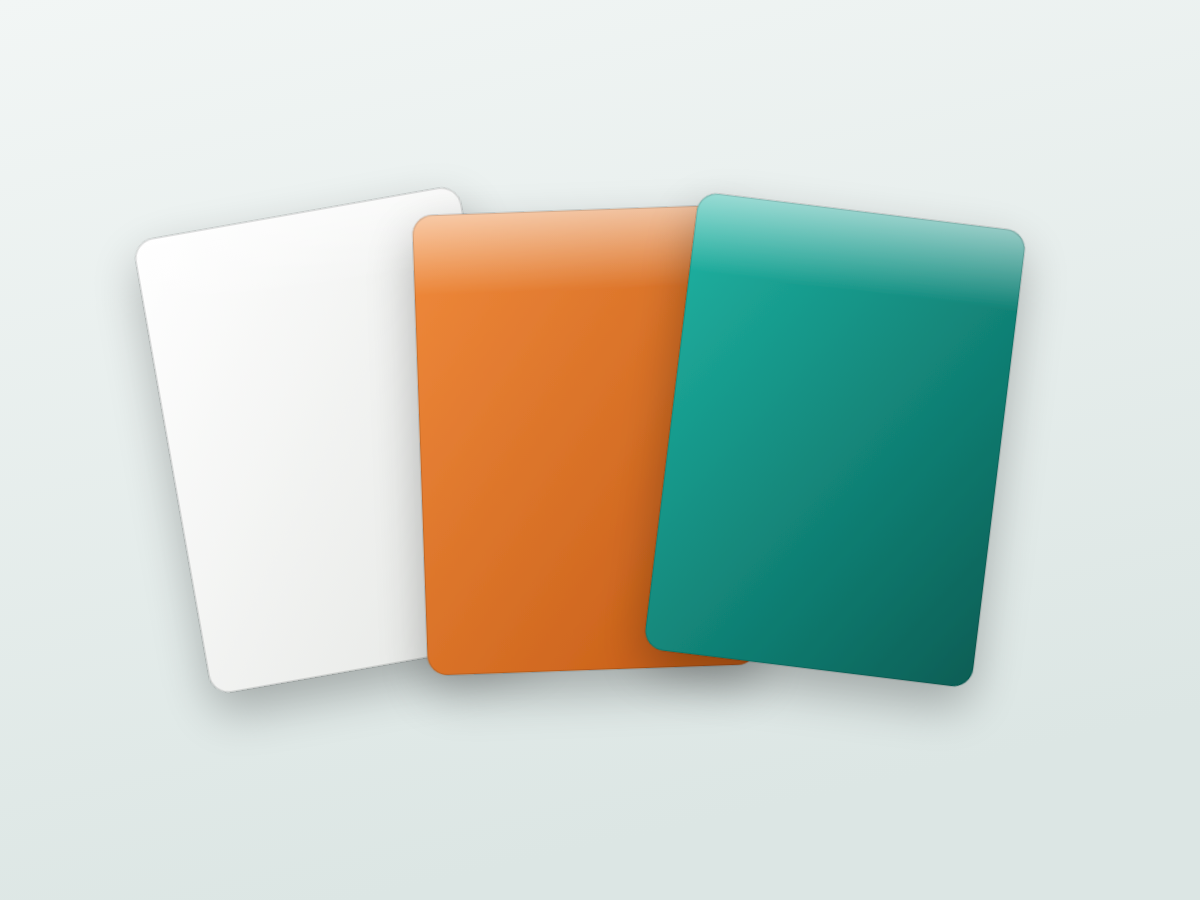
Painting
Wet spray painting gives precise color matching and thin, smooth coats for cosmetic parts and consumer products, including soft-touch and textured paints. We match RAL and Pantone references.
- Colors
- RAL, Pantone or your color sample
- Gloss
- Matte, satin, gloss and soft-touch
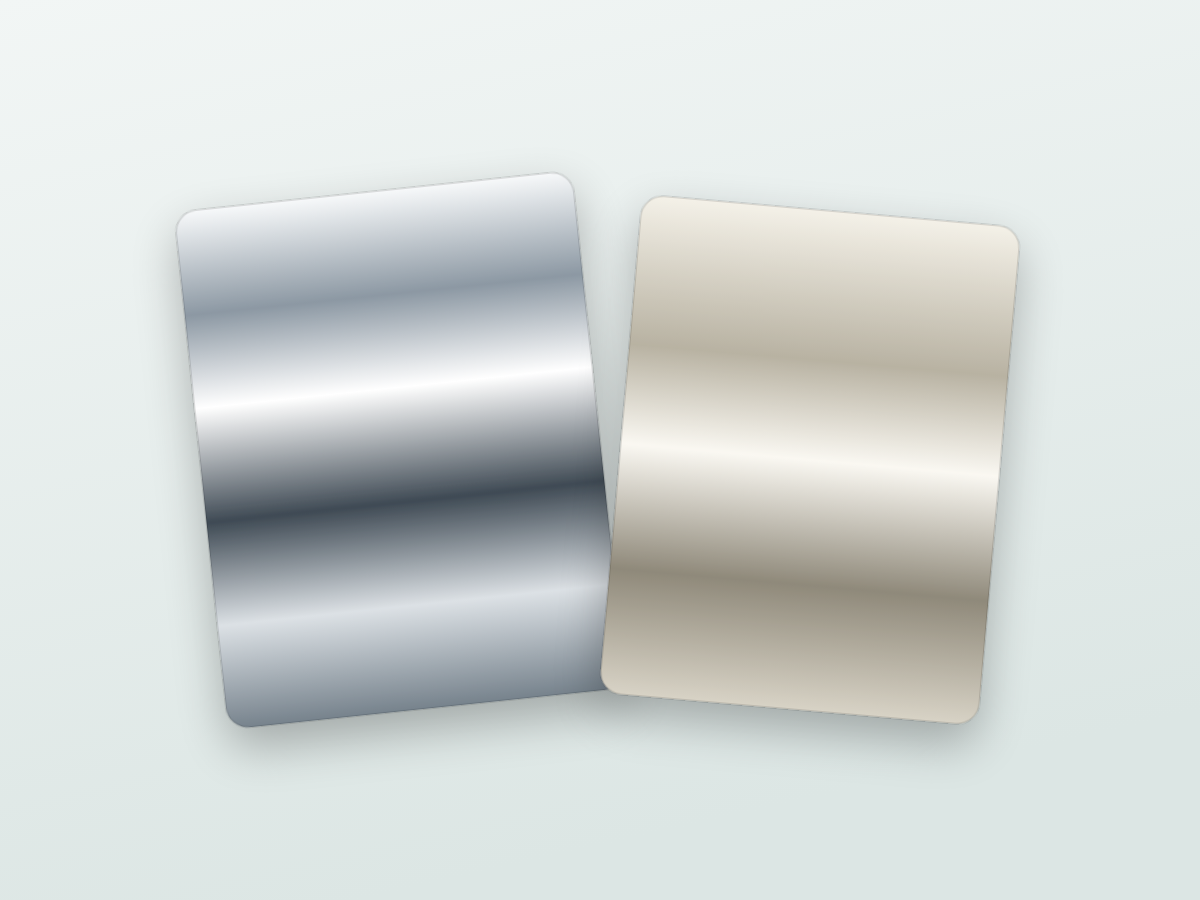
Electroplating
A thin metal layer such as nickel, chrome or zinc is deposited onto the part to improve corrosion resistance, wear resistance, conductivity or appearance. Electroless nickel gives an even thickness on complex shapes.
- Thickness
- Typically 5–25 µm depending on the metal
- Options
- Nickel, electroless nickel, chrome, zinc; others on request
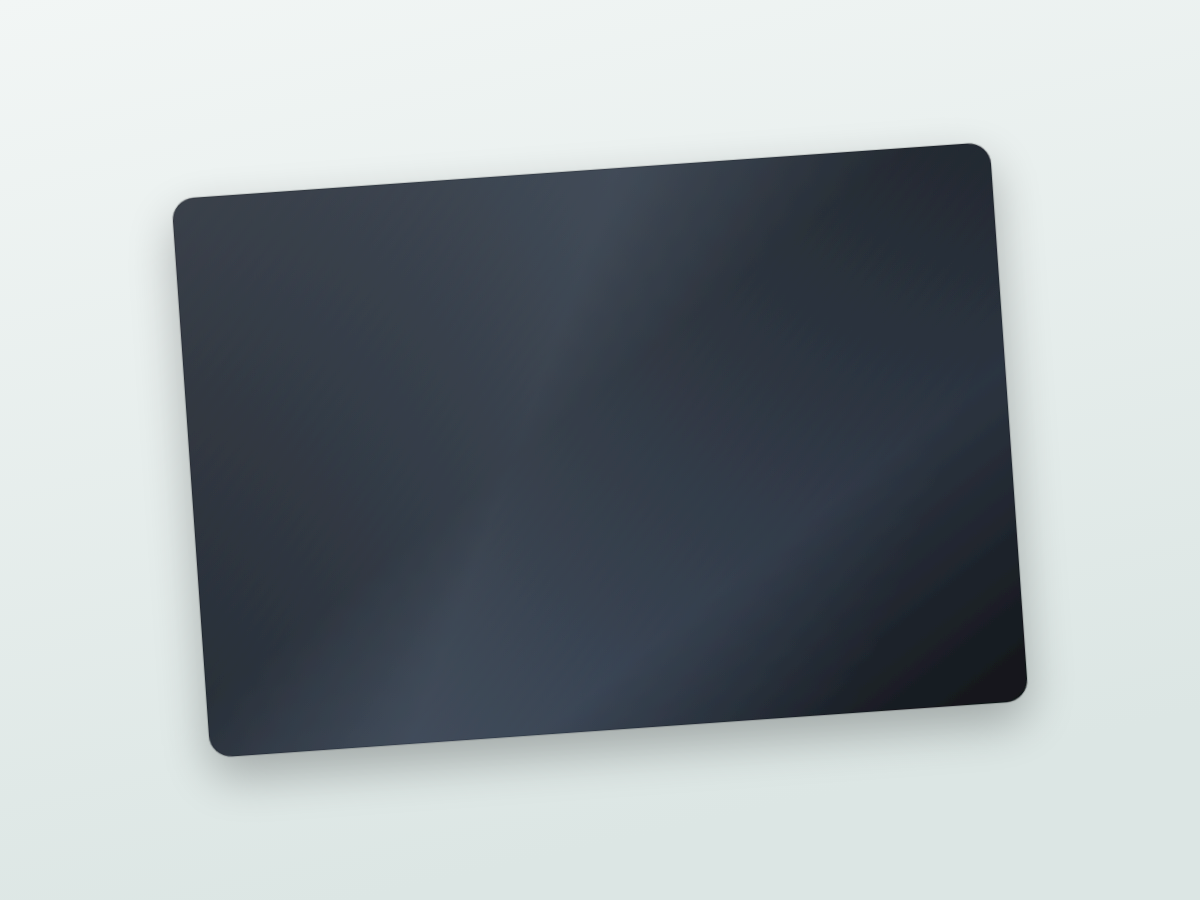
Black Oxide
A conversion coating for steel and stainless steel that forms a deep black surface with mild corrosion resistance once sealed with oil. It adds almost no thickness, so it suits precision parts and tooling.
- Thickness
- Under 1.5 µm, no dimensional change in practice
- Materials
- Carbon steel, alloy steel, stainless steel
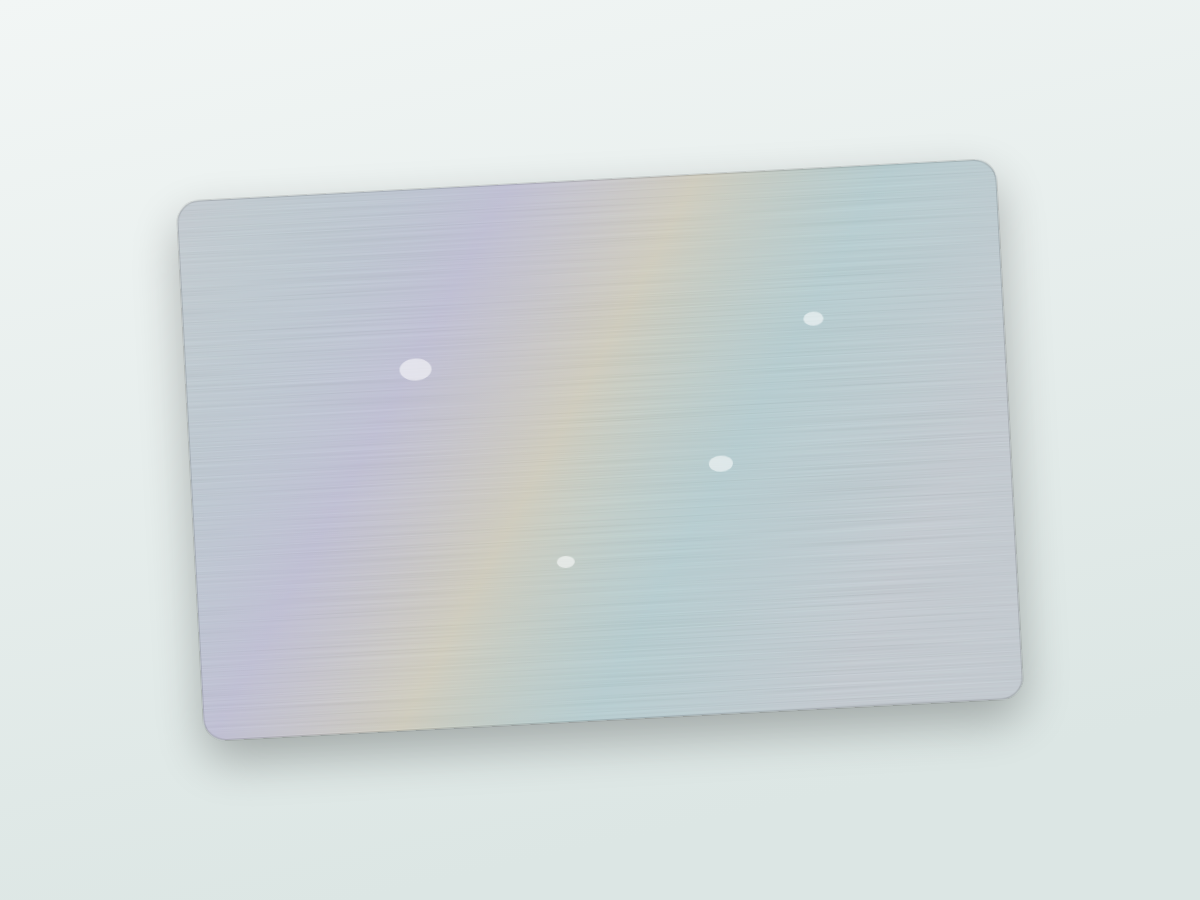
Passivation
A chemical treatment removes free iron from stainless steel surfaces and restores the protective chromium oxide film after machining. The appearance does not change, and neither do the dimensions.
- Standard
- ASTM A967 or A380
- Materials
- Stainless steel
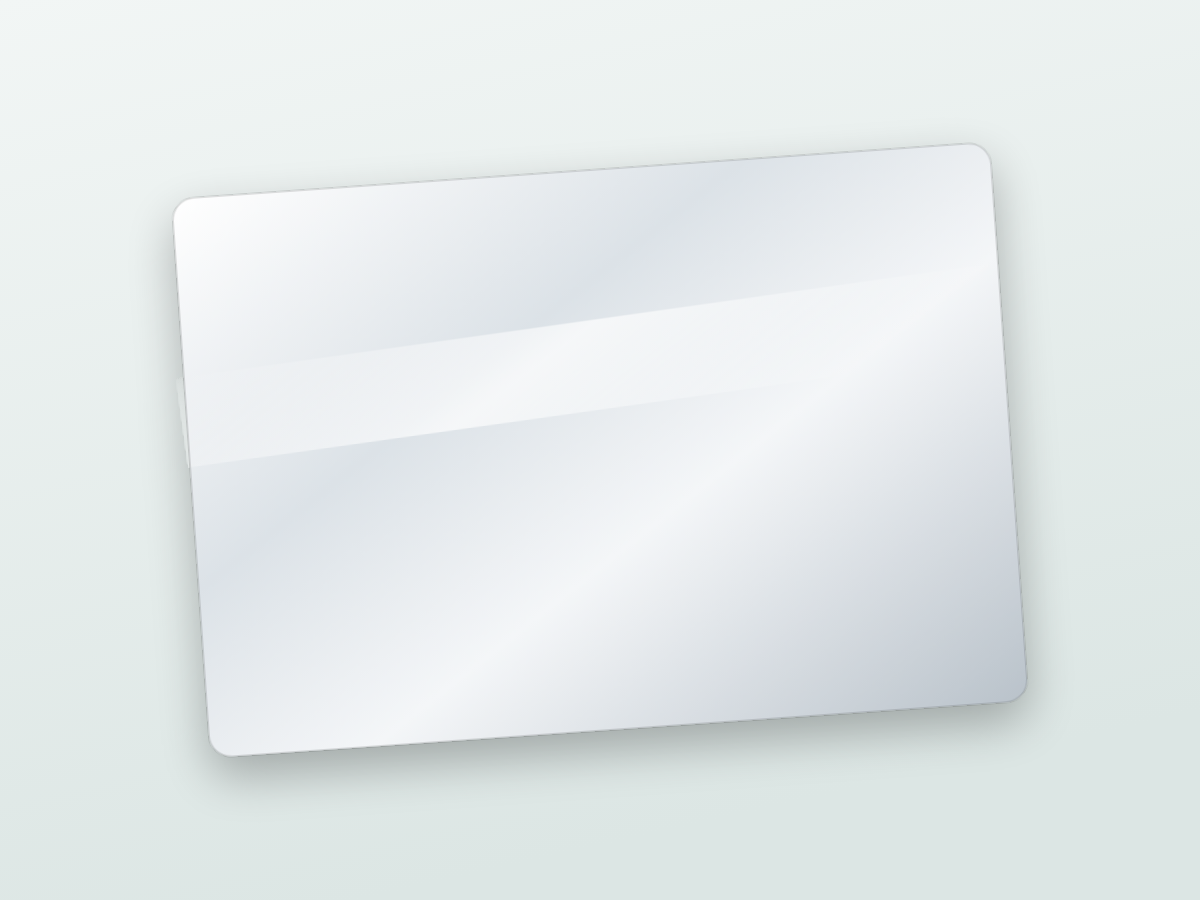
Electropolishing
An electrochemical process removes a thin surface layer to leave a bright, smooth and highly cleanable finish with improved corrosion resistance. It is common on medical, food and semiconductor parts.
- Removal
- A few micrometers, evenly distributed
- Materials
- Stainless steel, aluminum, copper alloys
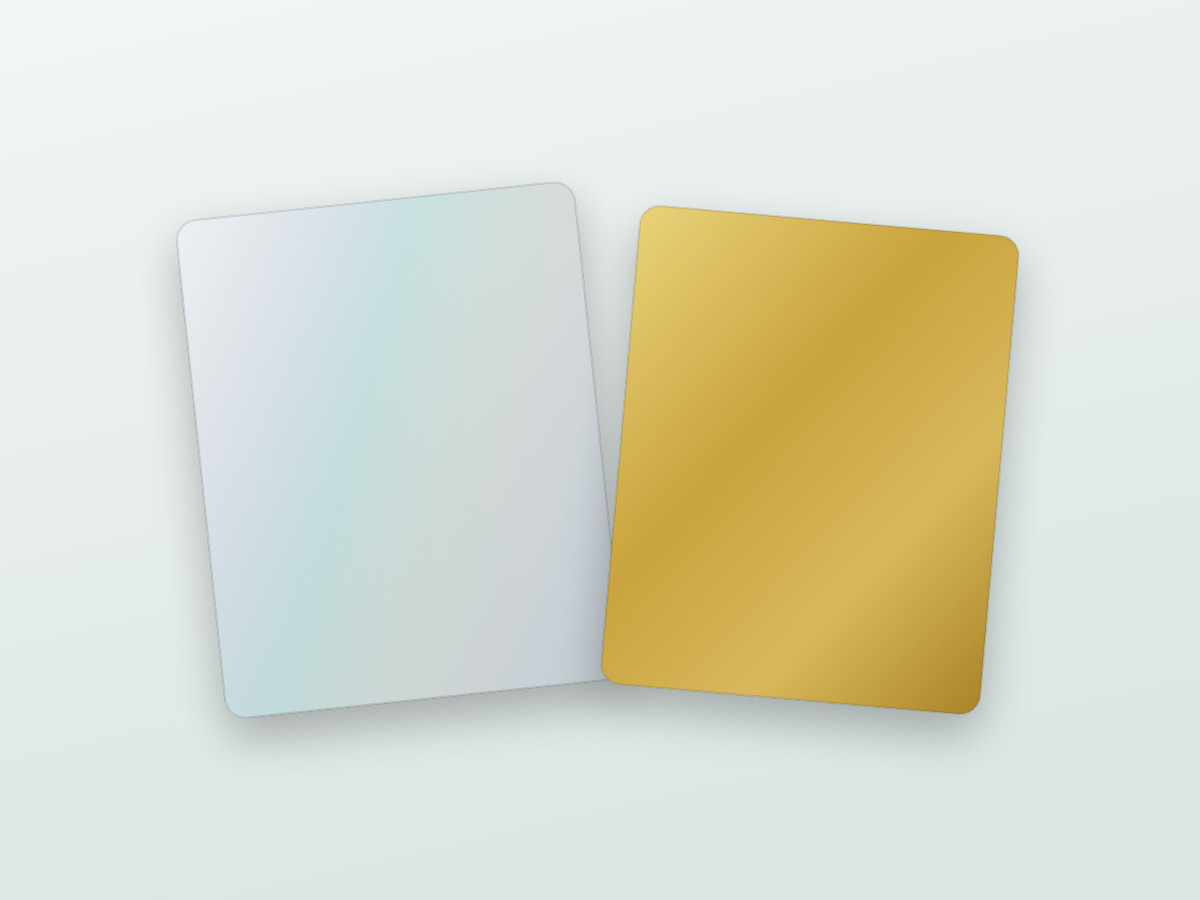
Chromate Conversion (Alodine)
A thin conversion coating protects aluminum against corrosion while keeping the surface electrically conductive, which makes it ideal for grounding points and as a primer under paint.
- Standard
- MIL-DTL-5541 Type I or RoHS-compliant Type II
- Colors
- Clear or gold
Heat Treatment
Hardening, tempering, annealing, carburizing and nitriding change the strength, hardness and toughness of steel and other alloys. Specify the target hardness on the drawing; for tight tolerances, we heat-treat before final machining.
- Processes
- Quench and temper, annealing, carburizing, nitriding, aging
- Hardness
- To your specification, up to about 60 HRC on tool steels
Also available: tumbling and vibratory deburring, rust-preventive oil and laser marking. If a bore has a specified fit after coating, dimension the finished bore and call out the coating on the drawing.
CNC Machining for Various Industries
From aerospace to consumer electronics, our CNC machining serves engineers, startups and established manufacturers who need accurate parts, complete documentation and on-time delivery.
Aerospace
Lightweight structural parts and complex five-axis components in aluminum, titanium and high-temperature alloys, machined to drawing with full material traceability and first-article inspection.
- Typical parts
- Brackets and fittings, housings, manifolds, actuator components, UAV frames, satellite and test-equipment parts.
Automotive and New Energy
Prototype and production parts for vehicle development, electric drivetrains and battery systems, from early design validation to bridge production under an IATF 16949 quality system.
- Typical parts
- Battery and motor housings, busbars, cooling plates, brackets, gearbox and suspension prototypes, test fixtures.
Industrial Automation
Precision parts for machines and production lines that must fit, move and repeat accurately over millions of cycles, with fast turnaround for line upgrades and spare parts.
- Typical parts
- Fixtures and jigs, linear-motion components, end-of-arm tooling, gripper fingers, sensor brackets, machine frames.
Medical Devices
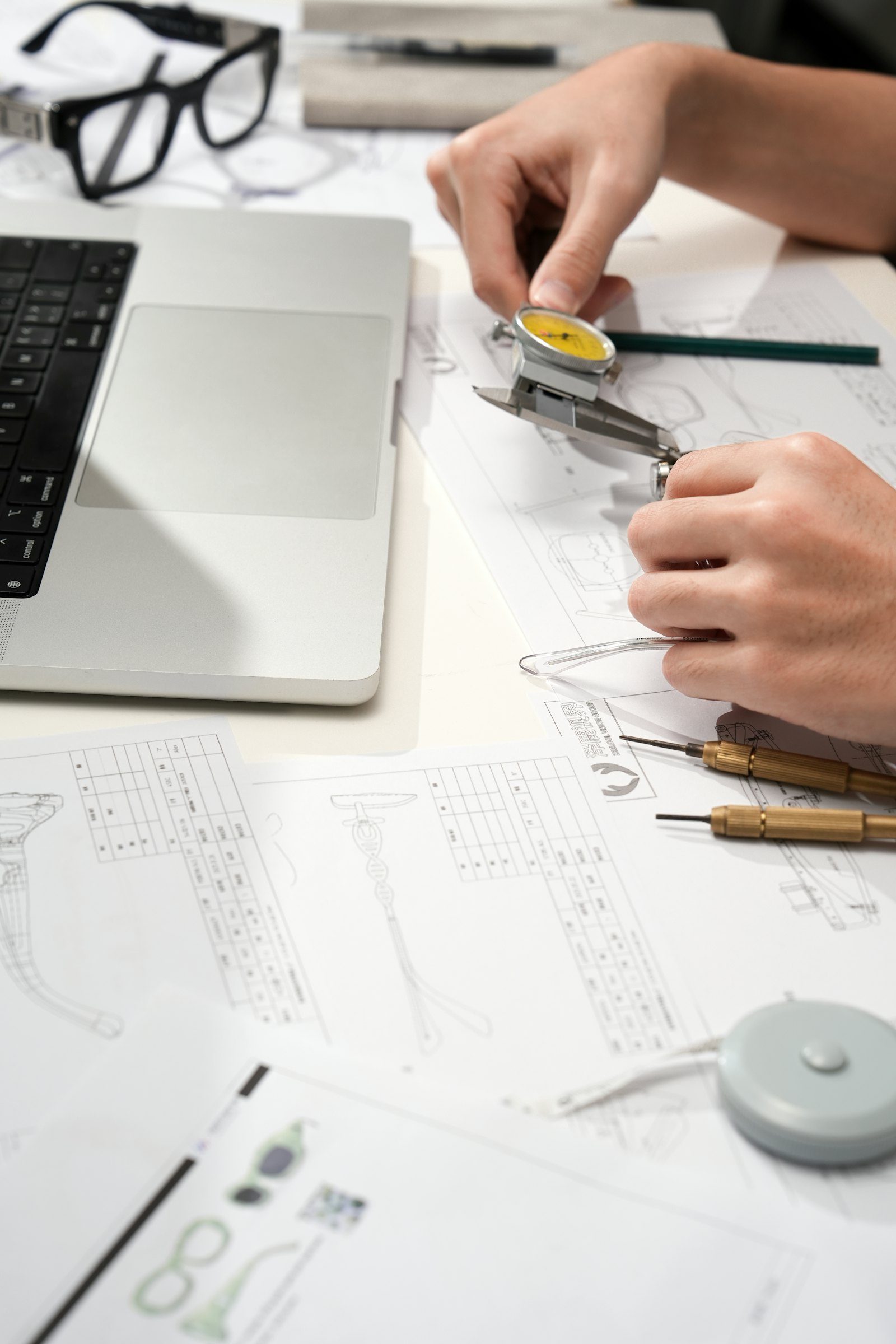
Components for instruments and equipment in stainless steel, titanium, PEEK and other medical-grade materials, produced under an ISO 13485 quality management system with traceable documentation.
- Typical parts
- Surgical instrument parts, device housings, orthopedic and dental prototypes, diagnostic equipment components.
Robotics
Lightweight, stiff and precisely aligned parts for robot arms, mobile robots and grippers, often machined from aluminum, magnesium and engineering plastics.
- Typical parts
- Joint housings, reducer and motor mounts, frames and links, end effectors, sensor and camera mounts.

Consumer Electronics
Cosmetic and functional parts with tight fits and flawless visible surfaces, finished by bead blasting, anodizing, polishing or painting to match your design samples.
- Typical parts
- Device enclosures and frames, buttons and bezels, heat sinks, camera and audio parts, wearable and accessory components.
Tolerances for CNC Machining
Our standard tolerances apply unless your drawing says otherwise. Mark critical dimensions with their tolerances and datums; tighter requirements are reviewed feature by feature and confirmed in your quote.
| Specification | Bohui capability | Notes |
|---|---|---|
| Standard tolerance | ±0.05 mm | Applies to toleranced features without a tighter callout. |
| Precision tolerance | ±0.01–0.02 mm | Reviewed feature by feature against your drawing and GD&T callouts; verified by CMM. |
| General tolerances | Metals: ISO 2768-m. Plastics: ISO 2768-c. | Used for untoleranced dimensions unless your drawing names another standard. |
| Surface roughness | Ra 3.2 µm as machined | Ra 1.6 µm or 0.8 µm on request; polishing for smoother surfaces. |
| Minimum wall thickness | 0.5 mm | Depends on material, wall height and how the wall is supported. |
| Minimum end mill and drill | End mill: 0.5 mm. Drill: 1 mm. | Micro features are reviewed in the free DFM check. |
| Maximum part size | Milling: 4000 × 1500 × 600 mm. Turning: Ø200 × 500 mm. | Larger parts on request. |
| Minimum part size | Milling: 5 × 5 × 5 mm. Turning: Ø2 mm. | Smaller features reviewed case by case. |
| Production volume | Prototyping: 1–100 pcs. Low volume: 101–10,000 pcs. Production: 10,000+ pcs. | No minimum order quantity. |
| Lead time | Simple parts: 1–3 days. Complex parts: 3–7 days. | Typical machining lead times; finishing, inspection and shipping are confirmed with your quote. |
Precision CNC Machining with Guaranteed Quality
Quality is built into every step, from incoming material to final inspection. Our quality management system, experienced inspectors and calibrated measuring equipment make sure that the parts you receive match your drawing, every time.
Certified quality system
Our CNC machining facility is certified to ISO 9001, ISO 13485, ISO 14001 and IATF 16949, so your parts are made under internationally recognized quality, medical, environmental and automotive standards.
Inspection expertise
More than 30 quality engineers and over 20 types of inspection equipment, including ZEISS coordinate measuring machines, 2D vision measuring systems and XRF material analyzers, verify dimensions and materials on every project.
Transparent, traceable process
First-article, in-process and final inspection are documented and traceable to the material batch. We provide COC, COA and COT documents, and a CMM report free of charge for the dimensions you specify.
Design Guidelines for CNC Machining
Following these guidelines keeps your parts easy to machine, accurate and cost-effective. Every file we quote receives a free design-for-manufacturing (DFM) review, so our engineers will flag anything that adds cost or risk before production starts.
| Feature | Recommendation | Why it matters |
|---|---|---|
| Internal corners | Radius of at least one third of the cavity depth, slightly larger than the cutter radius. | Rotating cutters leave a radius; sharp internal corners need EDM and add cost. |
| Pockets and cavities | Depth up to 4× the cavity width; deeper pockets are possible with longer tools. | Long, slender tools deflect and chatter, which limits accuracy and finish. |
| Walls | 0.8 mm or more for metals and 1.5 mm or more for plastics; 0.5 mm minimum on short, supported walls. | Thin walls vibrate during cutting and can distort when the part is unclamped. |
| Holes | Standard drill sizes; depth up to 4× the diameter as standard and up to 12× when required. | Standard drills are faster and more accurate than interpolated or deep holes. |
| Threads | Metric, UNC/UNF and pipe threads from M1.5; thread depth up to 3× the diameter for M1.5–M5 and 4–6× for M5 and above. | Engagement beyond about 1.5× the diameter adds little strength; leave clearance at the bottom of blind holes. |
| Undercuts | Square, full-radius (lollipop) and dovetail profiles with standard cutter sizes. | Standard undercut tools avoid custom tooling and extra setups. |
| Text and logos | Engraved text with a stroke width of at least 0.5 mm and a depth of about 0.1–0.3 mm; laser marking for turned parts. | Narrow strokes need very small cutters, which slows machining and reduces legibility. |
Why Choose Bohui for CNC Machining
High-quality parts
Certified quality systems, ZEISS CMM inspection and documented first-article checks make sure every part fits and performs as designed.
Fast turnaround
Quotes within 24 hours, simple parts quoted in 2–4 hours, and typical lead times of 1–3 days for simple parts and 3–7 days for complex parts.
Engineering support
Free DFM reviews, help with simple 3D models from your sketches, and one project contact from quote to delivery. If we make a part incorrectly, we remake it free of charge.
Bohui CNC Machining Solutions
Rapid Prototyping Accelerate product development with fast-turn machined prototypes in real materials. We specialize in quick, accurate prototypes and prototype tooling that help you verify fit, function and appearance before launch. Explore rapid prototyping
Low- and High-Volume Production From bridge batches to recurring production, we scale with your volumes while keeping the same tolerances, inspection plan and documentation. Dedicated fixtures and programs keep every order consistent. Explore on-demand manufacturing
Inside a Complete CNC Machining Facility
CNC machining starts with a 3D CAD model. Our programmers create toolpaths in CAM software, and computer-controlled machines remove material from a solid block or bar to create the part. Machines with 3, 4 or 5 axes approach the workpiece from different directions, so complex features can be produced with fewer setups and higher accuracy.
Our facility goes beyond standard mills and lathes. Surface grinders produce flat, smooth surfaces, wire EDM cuts precise profiles and sharp internal corners, and sinker EDM forms detailed cavities in hardened steel. With this range of processes, our machinists hold tolerances as tight as 0.01 mm on the features that matter for your assembly.
Automated production lines keep repeat orders running efficiently, with consistent cycle times and fewer handling errors. That efficiency keeps your projects on schedule, from the first prototype to production volumes.
Prepare Your Drawings for a Faster Quote
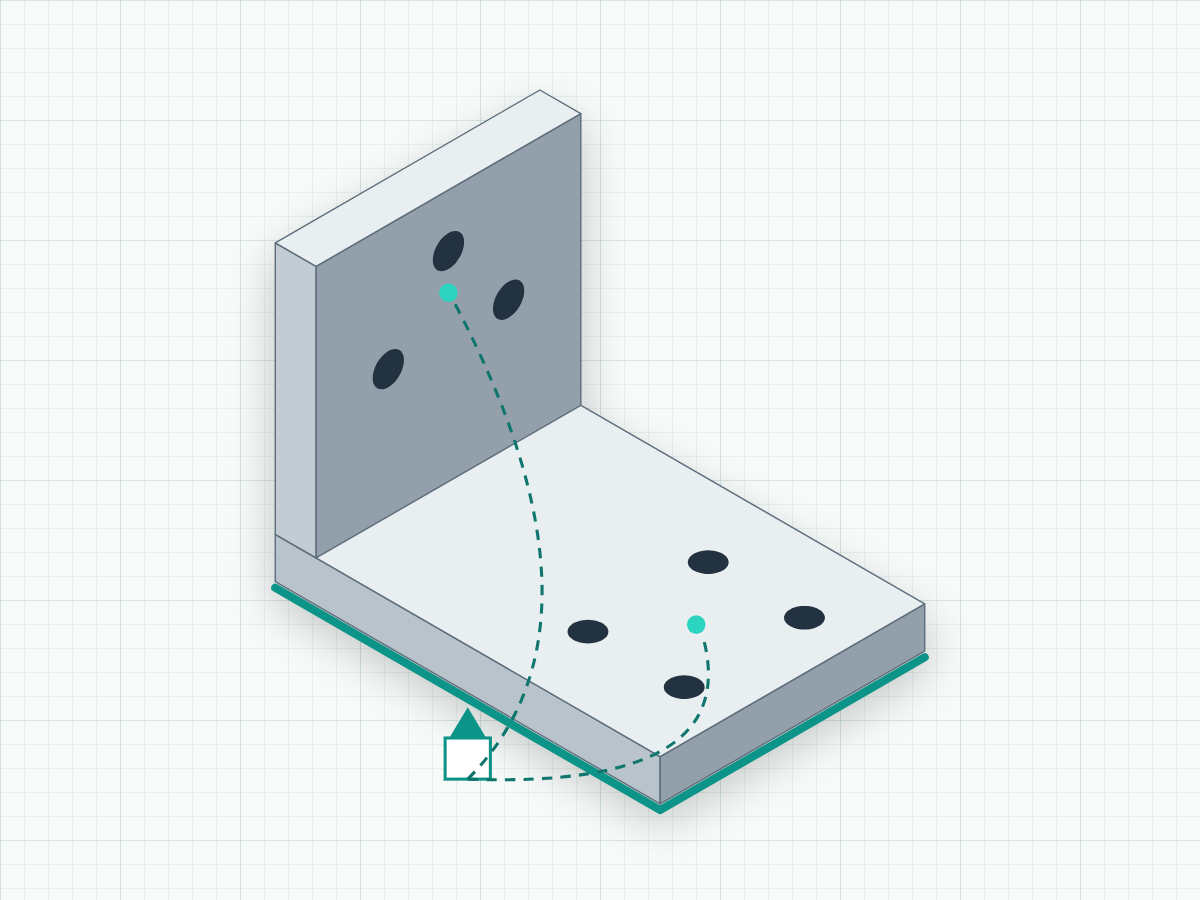
Learn which details our engineers need to quote accurately the first time: revision, critical dimensions and datums, material grade, finish, quantities and inspection requirements. A complete drawing package avoids back-and-forth and gets your parts into production sooner.
CNC Machining FAQs
What are the applications of CNC machining?
CNC machining is used wherever parts need accurate dimensions and real engineering materials. Automotive and aerospace manufacturers use it for engine, structural and actuator components; medical companies for instruments, implants and device housings; electronics brands for enclosures, heat sinks and connectors; and machine builders for fixtures, molds and machine components. It is equally important for prototypes, because a machined part behaves like the final production part.
What are the advantages and limitations of CNC machining?
The main advantages are high precision and repeatability, a very wide choice of metals and plastics, excellent surface quality and the ability to go from CAD file to finished part without tooling. The limitations are higher cost than molding or casting for very large quantities, material waste from the subtractive process, and geometric constraints such as internal sharp corners and deep narrow cavities, which our DFM review helps you avoid.
What is the difference between CNC machining and 3D printing?
3D printing builds parts layer by layer, so it handles complex internal geometry and wastes little material, but its parts are usually less strong and less accurate. CNC machining cuts parts from solid stock, which gives full material properties, tighter tolerances and better surface finish. For functional prototypes and production parts in metal or engineering plastics, CNC machining is usually the better choice; for very complex, low-load shapes, 3D printing can be faster. See our 3D printing service
What is a machining center?
A machining center is a CNC milling machine with an automatic tool changer that holds dozens of tools, so milling, drilling, tapping and boring can be completed in one setup. Four- and five-axis machining centers add rotary axes that tilt or turn the part, giving the cutter access to several faces without re-clamping.
What are G-code and M-code?
G-code and M-code are the programming languages of CNC machines. G-codes control motion, such as rapid moves, straight and circular interpolation and canned drilling cycles. M-codes control machine functions, such as starting the spindle, changing tools and switching coolant on or off. Our CAM software generates these programs from your 3D model.
Who invented CNC machining?
John T. Parsons is widely credited as the father of numerical control. In the late 1940s, he and engineer Frank L. Stulen used punched cards to guide machine tools for producing helicopter rotor blades. Working with MIT, the concept led to the first numerically controlled milling machine in the early 1950s, the ancestor of today's computer-controlled machines.
What tolerances can you achieve?
Our standard machining tolerance is ±0.05 mm, and precision features can be held to ±0.02 mm or as tight as ±0.01 mm after review. Untoleranced dimensions follow ISO 2768-m for metals and ISO 2768-c for plastics. The achievable tolerance depends on the material, feature size and geometry, so mark critical dimensions individually and we will confirm feasibility and the inspection method in your quote.
How do you ensure the quality of CNC machined parts?
Every order follows our certified quality system: incoming material verification, first-article inspection, in-process checks and final inspection against your drawing. Our ZEISS CMMs, 2D vision systems and XRF analyzers verify dimensions and materials, and each shipment is released only after the agreed requirements are confirmed.
Which quality documents can you provide?
We provide certificates of conformance (COC), certificates of analysis (COA) and COT documents, material certificates on request, and a free CMM report for the dimensions you specify. Tell us your required record format and sampling plan with the RFQ.
What if a part is made incorrectly?
If a part does not meet your drawing because of a manufacturing error on our side, we remake it free of charge. Send us the drawing revision, the measured results and photos so that we can review the discrepancy with you.
Can I specify a particular material grade?
Yes. Give the full grade and temper or condition, for example 6061-T6 or 316L. If you are flexible, tell us what the part must withstand and whether substitutes are allowed, and our engineers will suggest a grade that balances performance, cost and lead time.
How do finishes affect part dimensions?
Coatings such as anodizing, powder coating, painting and plating add thickness, while blasting, polishing and electropolishing remove a small amount of material. For fits and threads, specify whether dimensions apply before or after finishing and mark surfaces that must be masked; we plan machining allowances accordingly.
Can you match a specific color?
Yes. For painting and powder coating we match RAL and Pantone references or your physical sample, and anodizing can be dyed in many colors. Color on anodized aluminum varies slightly with alloy and surface texture, so we recommend approving a color sample before production.
Which files should I send for a quote?
Send a 3D model in STEP or IGES format together with a 2D drawing in PDF that shows tolerances, threads, finishes and critical dimensions. If you only have a sketch, send it with the main dimensions; we can help create a simple 3D model.
How fast will I receive a quote?
Our target is a quote within 24 hours, and simple parts are often quoted in 2–4 hours. Complex five-axis parts or drawings that need a detailed engineering review may take about one working day.
Do you have a minimum order quantity?
No. We machine single prototypes as well as production runs of thousands of parts. If you expect follow-on orders, include a second quantity so that we can show you the price break.
What is the lead time for CNC machined parts?
Typical lead times are 1–3 days for simple parts and 3–7 days for complex parts. Finishing, special inspection and shipping are confirmed with your quote; tell us your required delivery date and we will plan the schedule around it.
What is your production capacity?
Our factory runs more than 200 CNC machines, including over 20 five-axis machines, with more than 100 technical staff. We can produce over 10,000 different prototype parts each month and scale to recurring production orders.
How are parts packed and shipped?
Parts are cleaned, protected and packed according to their material and finish, with separate bags, foam or antistatic packaging where required. We ship worldwide by international express and air freight to more than 120 countries and confirm the method with your order.
Can you help improve my design?
Yes. Every quote includes a free DFM review. Our engineers point out features that increase cost or risk, such as deep pockets, thin walls or unnecessarily tight tolerances, and suggest alternatives before you release the design.
Can you support RoHS or other compliance requirements?
Yes. State the requirement in your RFQ together with the material and finish, and we will confirm the applicable processes and the documentation we can provide before production.
CNC Machining Resources
Browse materials by process — Metals and plastics for each process, with grades, typical properties and uses.
Compare surface finishes — Eighteen finishes compared by appearance, protection, thickness and the parts they suit.
See how we inspect parts — Inspection steps, CMM reports and the documents shipped with your parts.
Start Your CNC Project Today
Send us your drawings and requirements, and our engineers will reply with a detailed quote and DFM feedback within 24 hours.

Jane
BOHUI PROTOTYPES LIMITED
Tell me the material, quantity and finish you need, and point out the dimensions that matter most for your assembly.
You can send your request first and add files later by email or WhatsApp. For confidential designs, contact me before sharing your files.
Jane
BOHUI PROTOTYPES LIMITED
- Address: Xiaobian Street, Chang'an Town, Dongguan City, Guangdong Province, China
Request a Quote
Fields marked are required.