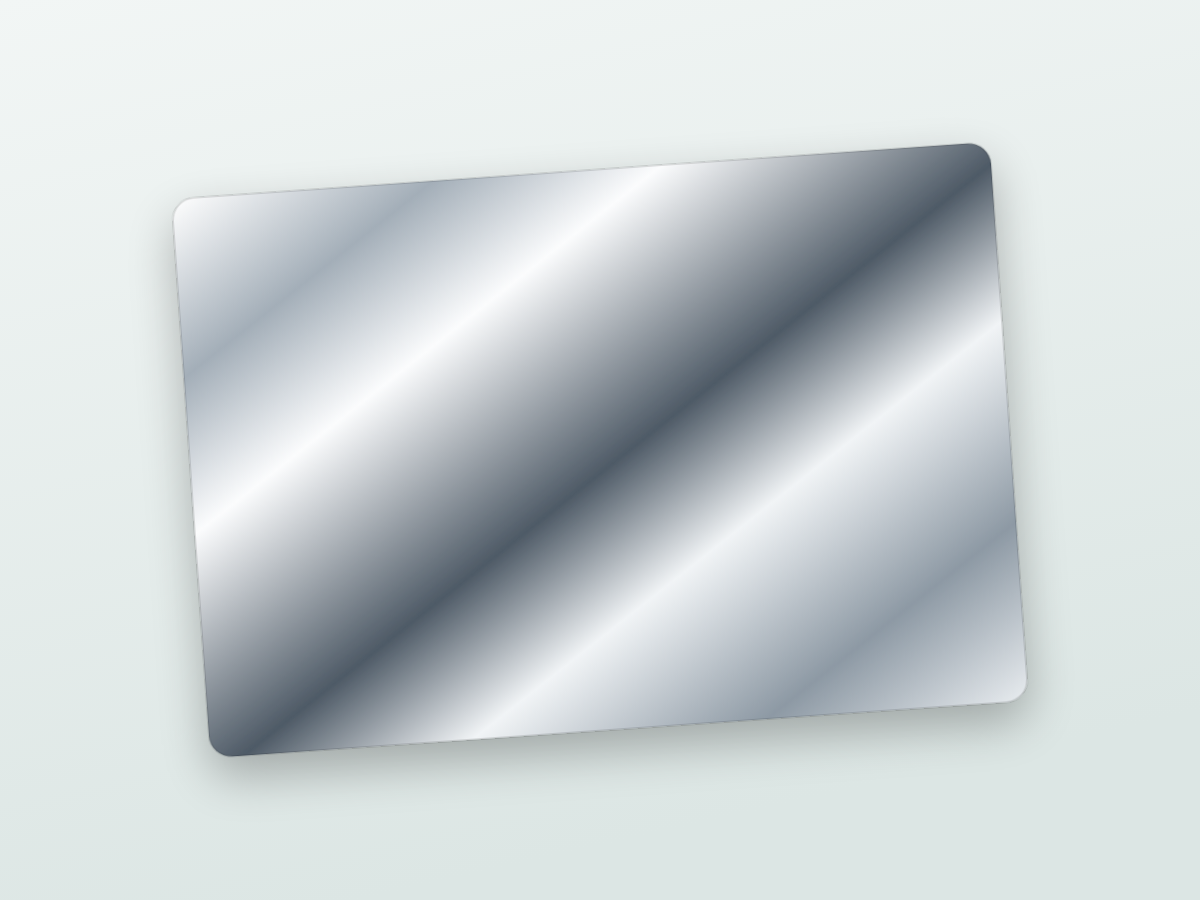
Polishing Services for Metal and Plastic Parts
Smooth, bright surfaces from a soft satin luster to a mirror finish, for prototypes and production parts.
Polishing removes tool marks, scratches and small surface defects and leaves an even, reflective surface. We polish CNC machined, sheet metal, 3D printed and vacuum cast parts in stainless steel, aluminum, brass, copper and clear plastics to a basic, fine or mirror grade in our own factory. Every quote is reviewed by an engineer within 24 hours, simple parts often in 2–4 hours, and there is no minimum order quantity.
What Is Polishing?
Polishing is a mechanical finishing process that smooths a surface by abrasion. Belts, wheels, pads and polishing compounds of finer and finer grit remove the peaks left by machining, sanding or casting step by step, until the surface reaches the agreed roughness and appearance.
Each step removes only a few micrometers, so polishing changes dimensions very little and suits precision parts once a small allowance is planned. On metals it is usually the last step before anodizing, plating or assembly. On acrylic and polycarbonate it restores transparency to machined faces, and on printed and cast parts it removes layer lines and parting marks before painting.
A polished part does more than look good. A smoother surface has lower friction, is easier to clean, gives corrosion fewer places to start, carries coatings more evenly and has fewer micro-defects from which cracks can grow.
Polishing Specifications
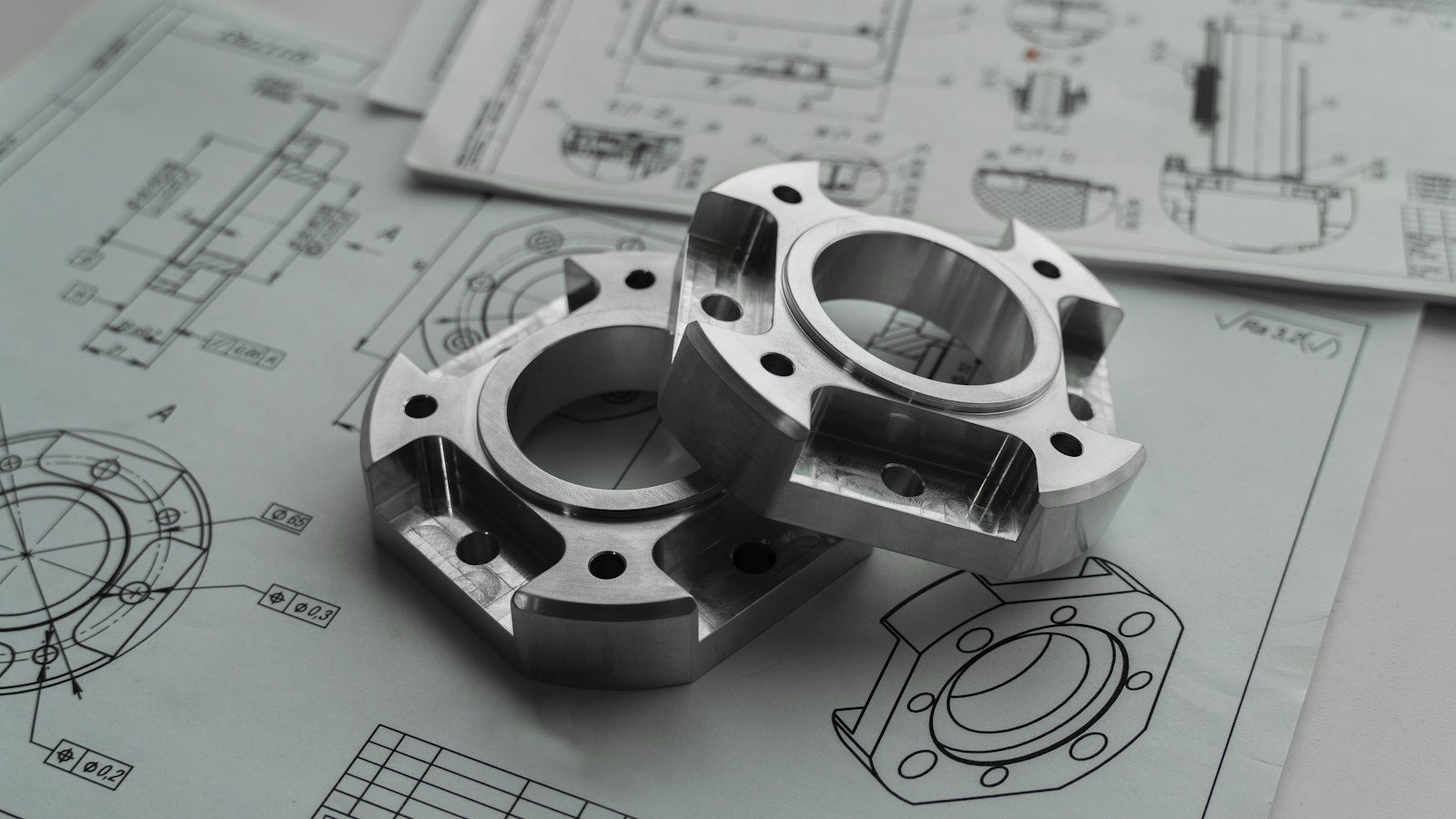
These are typical values for the polishing we do in our own factory, for planning. The result depends on the material, the starting surface and the shape of the part, and we confirm it in your quote.
| Property | Specification | Notes |
|---|---|---|
| Basic polishing | Ra 0.4–0.8 µm | Uniform matte or soft luster; metals and plastics |
| Fine polishing | Ra 0.1–0.4 µm | High gloss with a clear reflection; metals |
| Mirror polishing | Ra 0.1 µm or below | Reflects images clearly; metals |
| Material removal | A few micrometers per surface | Leave an allowance on faces with tight tolerances |
| Starting surface | Ra 1.6 µm or finer for fine and mirror grades | A smoother machined face needs fewer polishing steps |
| Edges | Slightly rounded by polishing | Keep sharp edges and datums out of polished areas |
| Follow-on finishes | Clear anodizing, electroplating, lacquer | Polishing first gives a brighter, more even result |
| Callout | Grade, Ra value or reference sample | State it on the drawing for every polished face |
Advantages of Polishing
A polished surface does more than look good. These are the advantages, and the one point to plan for on the drawing.
Polishing removes tool marks, scratches and small defects and leaves an even satin, gloss or mirror surface, which gives visible parts a clean, high-quality look and feel.
A smoother surface lets mating parts slide with less friction and wear, and dirt, product residue and contamination have fewer places to cling, so parts clean faster.
Polishing removes the micro-pits and embedded particles where corrosion starts, so polished stainless steel and other metals resist staining and pitting better than a rough surface.
Plating, anodizing and coatings follow the surface beneath them. A polished base makes them brighter and more even, because any scratch left before finishing stays visible after it.
Removing fine scratches and tool marks also removes the micro-defects from which fatigue cracks can grow, which improves the durability of loaded and moving parts.
Polishing removes trace amounts of material, typically a few micrometers, and rounds edges slightly. On faces with strict tolerances, leave a polishing allowance or exclude them from polishing.
Polishing Grades
We polish to three grades in our own factory, defined by surface roughness and by how the surface reflects light. Name the grade or an Ra value on your drawing, or send a reference sample, and we agree on the result before production.
Basic Polishing
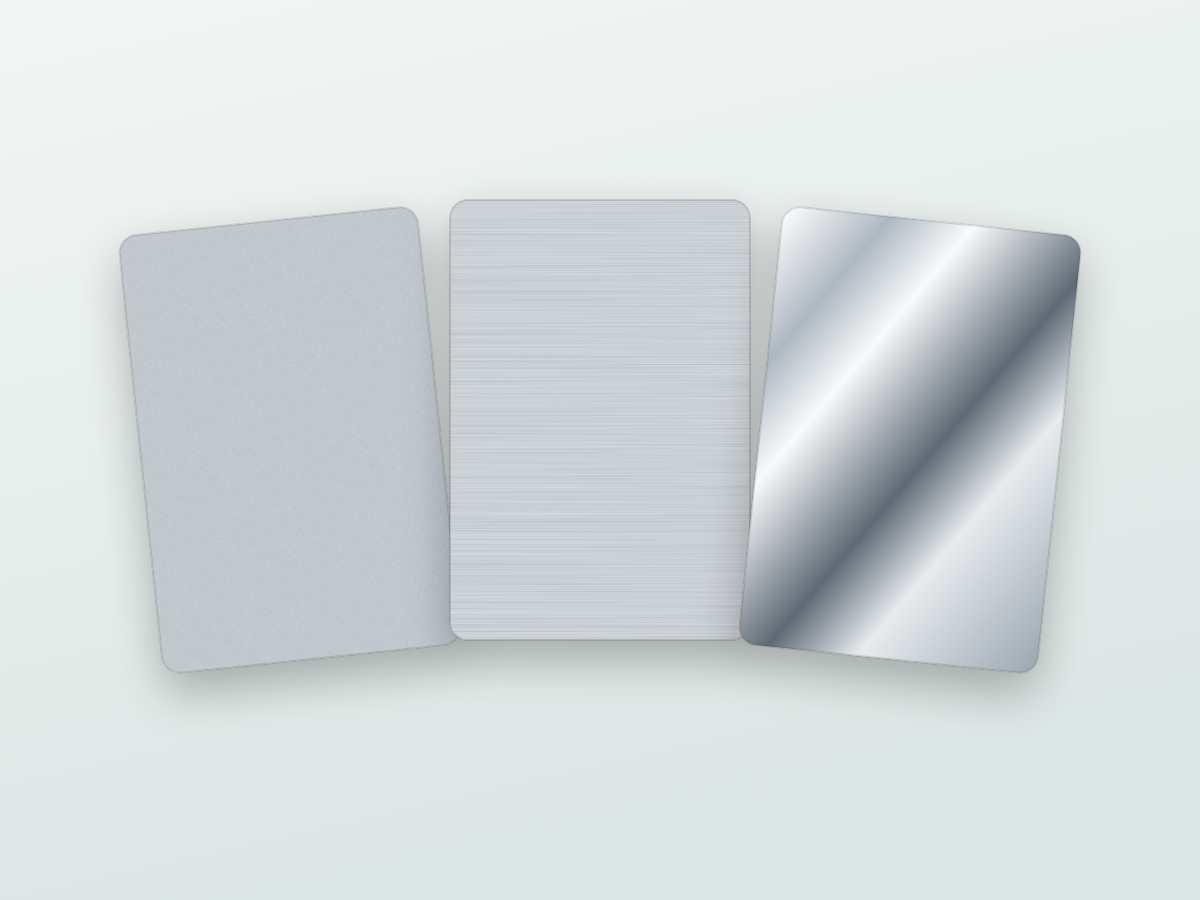
Tool marks and scratches are removed and the surface becomes evenly smooth, with a matte to soft luster but no clear reflection. It is the economical grade for handled and functional parts, and it works on metals and plastics.
- Roughness
- Ra 0.4–0.8 µm
- Materials
- Metals and plastics
Fine Polishing
Finer abrasives and compounds take the surface to a high, uniform gloss with a clear reflection. Fine polishing suits visible metal parts such as housings, trims and handles, and it is the usual base for bright anodizing or decorative plating.
- Roughness
- Ra 0.1–0.4 µm
- Materials
- Metals
Mirror Polishing
A sequence of finer grits followed by buffing produces a brilliant surface that reflects images clearly, with minimal visible defects. Mirror polishing takes the most time and inspection and works best on stainless steel, brass, copper and high-strength aluminum.
- Roughness
- Ra 0.1 µm or below
- Materials
- Metals
Materials for Polishing
Dense, homogeneous materials polish best. Our engineers check the grade and its starting surface with every quote and tell you which polishing grade it can reach. Material certificates are available on request.
Metals and plastics
Stainless steel, aluminum and copper alloys reach every grade up to a mirror; hard and clear plastics take a basic or fine polish.
Stainless Steel
Austenitic stainless steel polishes to a bright, durable mirror and keeps it without a coating. Polishing also removes the micro-pits and embedded particles where corrosion starts.
Grades it reaches
Basic, fine and mirror
Typical parts
Medical and food equipment parts, handles, trims, shafts and decorative hardware
Aluminum
Aluminum polishes quickly to a bright finish, but it is soft, so it scratches and smears more easily than steel. Bare polished aluminum slowly dulls as its oxide film grows, so it is usually clear-anodized or lacquered.
Grades it reaches
Basic, fine and mirror; 6061 and 7075 polish more evenly than softer grades and castings
Typical parts
Housings, bezels, trims, reflectors and consumer product parts
Brass and Copper
Brass and copper take a warm, high gloss with little effort. Both tarnish in air, so polished parts are often lacquered or electroplated with nickel or chrome to keep their shine.
Grades it reaches
Basic, fine and mirror
Typical parts
Decorative hardware, nameplates, electrical contacts and lighting parts
PMMA and PC
Machined faces and edges of acrylic and polycarbonate can be polished back to transparency. PMMA gives the clearest result; PC is softer and needs more care. Harder plastics such as POM take a basic polish.
Grades it reaches
Basic and fine; optically clear on PMMA
Typical parts
Light pipes, windows, lenses, display covers and transparent prototypes
Printed and Cast Parts
3D printed and vacuum cast parts are sanded and polished to remove layer lines, support marks and parting lines, usually before painting or for a glossy display model.
Grades it reaches
Basic; clear resins to a transparent finish
Typical parts
Appearance prototypes, display models and transparent covers
Polishing Applications
Polishing is chosen where a surface is seen, touched, cleaned or slides against another part, and where a coating needs a flawless base.
Consumer Products
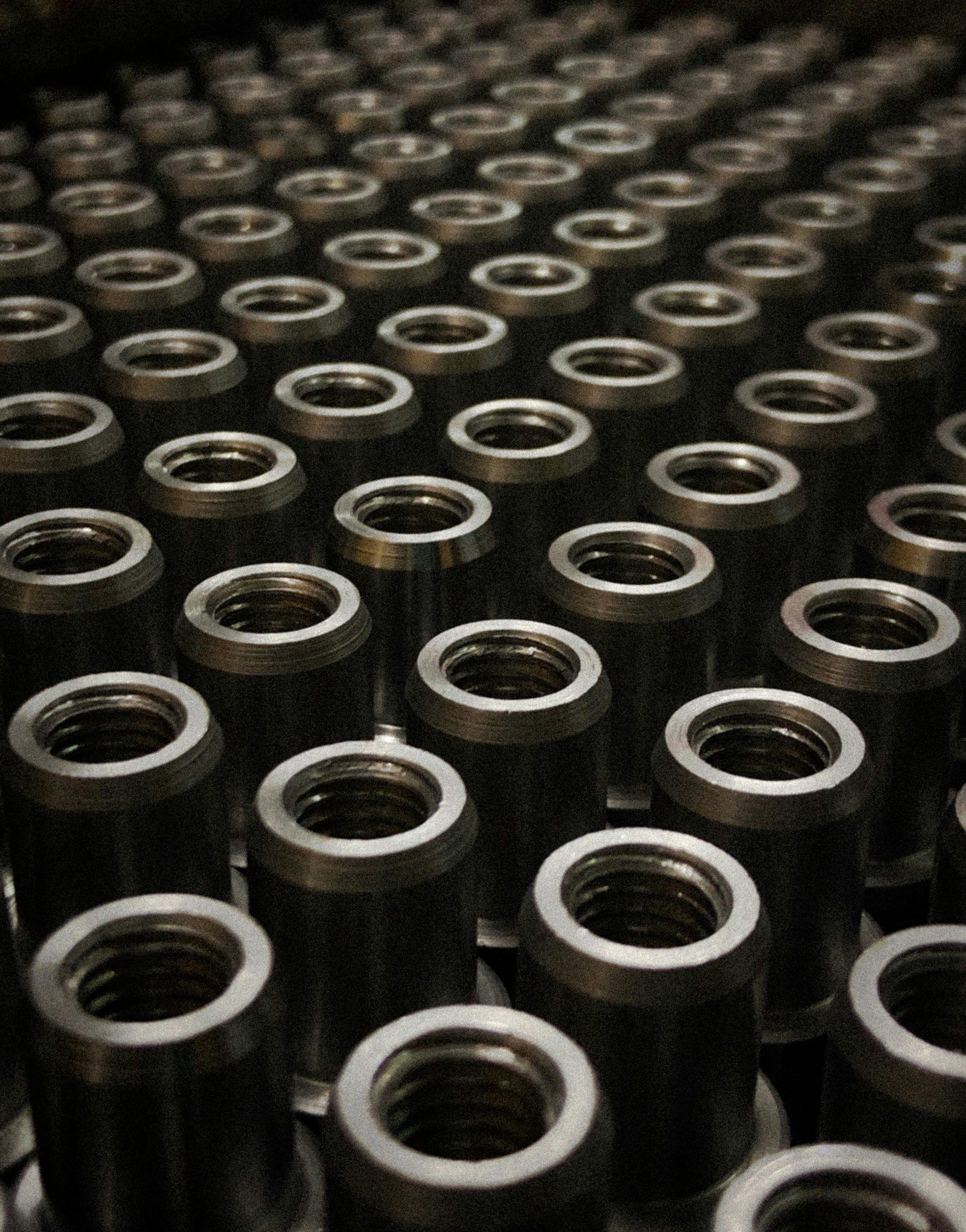
Visible metal and clear plastic parts of appliances, audio equipment, lighting and personal devices are polished for a bright, even appearance that customers see and touch every day, often before clear anodizing or decorative plating.
- Typical parts
- Trims, bezels, knobs, nameplates, lamp reflectors, transparent covers
Medical Devices
Polished stainless steel surfaces are smooth, easy to clean and free of the crevices that hold contamination, which suits surgical instruments, device housings and laboratory equipment that are wiped and disinfected many times.
- Typical parts
- Instrument handles, device housings, trays, laboratory fixtures
Industrial Automation
Shafts, slides, guides and seal faces are polished to lower friction and wear on moving machine parts, and food-line and packaging parts so that product does not stick and cleaning is quick.
- Typical parts
- Shafts, guide rails, seal faces, rollers, food-line parts
Design Considerations for Polished Parts
Most polishing problems can be avoided on the drawing. These points help you get the surface you expect at a predictable cost, and our free DFM review flags anything that adds risk before production.
| Consideration | Recommendation | Why |
|---|---|---|
| Material | Stainless steel, aluminum, brass, copper; PMMA for clear parts | Soft plastics and porous castings do not reach a high gloss |
| Geometry | Open, accessible faces | Deep cavities, sharp inside corners and small features need slow hand work |
| Machined surface | Ra 1.6 µm or finer before fine or mirror polishing | Fewer polishing steps, crisper edges and a lower cost |
| Dimensional allowance | A few micrometers on tight-tolerance faces | Polishing removes material and rounds edges slightly |
| Polished areas | Mark them on the drawing | Polishing only visible faces saves cost and protects datums |
| Requirement | Grade, Ra value, photo or sample | A clear target avoids rework and discussion |
| Protection | Protective film or soft packaging | Polished faces scratch easily in handling and shipping |
Polishing Compared with Related Finishes
Polishing is often weighed against these finishes or combined with them, and all of them are done in our own factory. Each card shows where the other finish fits better and how it works with polishing.

Electropolishing
An electrochemical bath dissolves a thin, even layer from stainless steel and reaches recesses no wheel can. It brightens and passivates the surface but does not remove deep scratches, so heavy marks are polished out first.
- Best for
- Complex stainless parts, hygienic surfaces
- With polishing
- Polish first, then electropolish
As-Machined Finish
Parts leave the machine with fine tool marks at Ra 3.2 µm as standard. It costs least and keeps every dimension as machined, so polishing is added only where appearance, friction or cleaning matter.
- Roughness
- Ra 3.2 µm standard
- Versus polishing
- Lower cost, visible tool marks
SPI Mold Finishes
On injection molded parts, the gloss comes from the mold. The cavity is polished once to an SPI grade such as A2 or B1, and every molded part copies that surface, so the parts themselves need no polishing.
- Best for
- Molded plastic parts in volume
- Grades
- A1 mirror to D3 rough texture

Anodizing
Clear or colored anodizing protects polished aluminum, which would otherwise dull as its oxide film grows. The layer follows the surface exactly, so a polished base gives a bright, glossy anodized finish.
- With polishing
- Polish first, then anodize
- Best for
- Aluminum trims, bezels, knobs
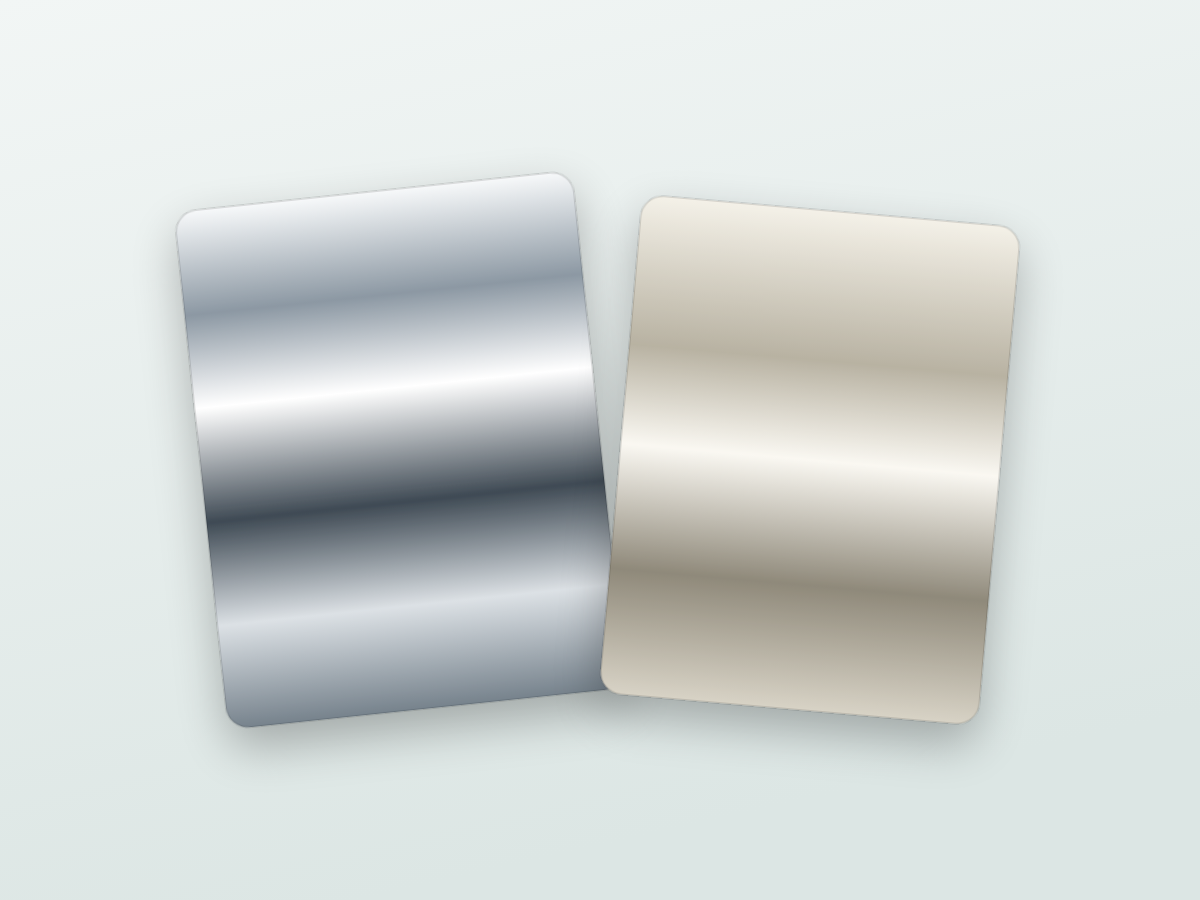
Electroplating
Nickel or chrome plating keeps polished brass, copper and steel bright, because bare copper alloys tarnish and steel rusts. Any scratch left before plating stays visible, so the polish decides the final look.
- With polishing
- Polish first, then plate
- Best for
- Brass, copper and steel hardware
Polishing is often the first step of a finish sequence: polished aluminum is clear-anodized, and polished brass or steel is electroplated. Tell us the full sequence, so that we plan allowances and masking once and run every step in our own factory.
Polishing FAQs
What is the difference between mechanical polishing and electropolishing?
Mechanical polishing uses abrasives and compounds to level the surface. It removes scratches and tool marks and reaches a mirror on flat and convex faces, but only where a wheel or pad can reach. Electropolishing dissolves a thin, even layer in an electrochemical bath, which brightens every surface, including recesses, and improves corrosion resistance, but it cannot remove deep marks. On stainless steel the two are often combined.
Does polishing change the dimensions of my part?
Only slightly. Each polishing step removes a few micrometers, and edges become slightly rounded. That is negligible for most features, but on faces with tight tolerances, such as fits or sealing surfaces, leave a small allowance or exclude them from polishing. Mark on the drawing whether dimensions apply before or after polishing, and our engineers plan the machining accordingly.
Which materials cannot be polished to a mirror?
Soft plastics such as PE, PP and TPE smear instead of polishing, porous castings show their pores as the surface is leveled, and glass-filled plastics expose their fibers. Soft and free-cutting aluminum grades reach a bright finish but may show fine marks under a mirror. Stainless steel, brass, copper and high-strength aluminum give the best mirror results.
How do I specify polishing on my drawing?
Mark the faces to be polished and give the grade or a roughness value, for example "Mirror polish, Ra 0.1 µm max., faces marked A". If appearance matters more than a number, send photos or a reference sample. Also state any follow-on finish, such as clear anodizing or plating, and whether dimensions apply before or after finishing.
How does polishing affect cost and lead time?
Basic polishing adds little time and cost. Fine and mirror grades need more abrasive steps, more hand work and closer inspection, so they cost more and take longer, especially on large faces, complex shapes or soft materials. Polishing only the visible faces is the most effective way to save. We confirm the price and schedule, including polishing, with your quote.
Can you polish prototypes and small quantities?
Yes. There is no minimum order quantity, and single prototypes are welcome. A polished prototype is also a good way to approve the appearance before production: once you accept it, it becomes the reference for later batches. Every quote is reviewed by an engineer within 24 hours, simple parts often in 2–4 hours, with free DFM feedback.
Do polished parts need an additional coating?
Not always. Polished stainless steel keeps its appearance without a coating. Aluminum, brass, copper and carbon steel oxidize or tarnish over time, so they are usually clear-anodized, lacquered or electroplated after polishing. Choose a coating when you need color, wear resistance or protection outdoors or against chemicals, and tell us early, because it affects the polishing grade we start from.
Can polished parts be anodized or plated?
Yes, and polishing first gives the brightest result, because any scratch left before finishing stays visible after it. Polishing is the usual base for clear anodizing on aluminum and for nickel or chrome plating on brass and steel. The standard etch before anodizing dulls a polished surface, so tell us the parts are polished and we adjust the pretreatment. Approve a finished sample when the appearance is critical.
How are polished parts protected during handling and shipping?
Polished faces scratch easily, so they are handled with gloves, covered with protective film where possible and packed separately with EPE foam, protective wrapping and reinforced cartons for international shipments. If the parts go on to assembly, tell us whether the film should stay on, so that it protects the surface until your product is finished.
Get a Quote for Polished Parts
Send us your models and drawings with the polishing grade or Ra target. We make and polish the parts in our own factory, and our engineers reply with a detailed quote and free DFM feedback within 24 hours.

Jane
BOHUI PROTOTYPES LIMITED
Tell me the material, the faces to polish, the grade or Ra value and the quantity. A photo or a sample of the surface you want helps us match it.
You can send your request first and add files later by email or WhatsApp. For confidential designs, contact me before sharing your files.
Jane
BOHUI PROTOTYPES LIMITED
- Address: Xiaobian Street, Chang'an Town, Dongguan City, Guangdong Province, China
Request a Quote
Fields marked are required.