Electropolishing Services
Electrochemical polishing that leaves stainless steel, aluminum and copper alloy parts bright, smooth, clean and more resistant to corrosion.
We electropolish CNC machined and sheet metal parts in our own factory in Dongguan, including welded assemblies and complex shapes, from one prototype to production batches without a minimum order. Tell us the finish you need and the faces to protect, and an engineer will quote within 24 hours, simple parts often in 2–4 hours.
What Is Electropolishing?
Electropolishing removes a thin, controlled layer of metal from the surface of a part by anodic dissolution, the reverse of electroplating. The part is connected as the anode in a bath of concentrated acid electrolyte, usually based on phosphoric and sulfuric acid, and direct current dissolves metal from its surface into the solution.
The peaks of the surface profile dissolve faster than the valleys, because current concentrates on them while a viscous film shields the valleys. Micro-roughness is leveled, fine burrs disappear and the surface turns bright. On stainless steel, iron dissolves faster than chromium, so the new surface is enriched in chromium and strongly passive.
Electropolishing is usually the last step after machining, welding or mechanical polishing. It treats complex shapes evenly, reaches internal bores with an auxiliary cathode, and removes free iron, embedded particles and weld heat tint. It does not remove deep scratches, tool marks or pits.
Electropolishing Specifications
Typical values for parts we electropolish in our own factory. The removal and the finish depend on the alloy and the starting surface; give your target on the drawing, and we confirm it in your quote.
| Property | Specification | Notes |
|---|---|---|
| Materials | Stainless steel, aluminum, copper, brass, titanium, carbon steel, nickel alloys | Austenitic 304 and 316L give the best results |
| Material removal | About 2.5–25 µm per surface | Set by time and current; even on exposed faces |
| Roughness | Ra typically improves by up to about 50% | The final Ra depends on the surface before polishing |
| Appearance | Bright, smooth and reflective | Brightness depends on the alloy and the starting finish |
| Edges | Slightly rounded | Fine burrs dissolve; sharp corners lose a little more metal |
| Corrosion resistance | Higher than after machining or chemical passivation alone | Chromium-rich passive film on stainless steel |
| Common standard | ASTM B912 for stainless steel | State any standard and Ra target on the drawing |
| Limits | Deep scratches, tool marks and pits remain | Grind or polish them out first |
Advantages of Electropolishing
One electrochemical step smooths, cleans and passivates the surface without touching the part. These are the reasons to choose it; the limits to plan for are in the design considerations further down.
Electropolishing levels micro-roughness and leaves a bright, uniform surface that traps less dirt and product, so parts are easier to clean and sterilize and keep looking clean in use.
Nothing touches the part, so exposed faces, slots and cross-holes are treated the same way, and every part in a batch comes out with the same uniform finish.
Free iron, embedded particles and other surface impurities dissolve with the surface layer, leaving a clean, chromium-rich passive film on stainless steel.
The polishing works at a microscopic scale and is set by time and current, so the roughness can be controlled precisely; Ra typically improves by up to about 50% on a fine starting surface.
Only a few micrometers come off each surface, evenly and under control, so tight-tolerance parts keep their sizes when the removal is planned into the critical dimensions.
Removing the stressed, work-hardened surface layer left by machining relieves surface residual stress and lowers the risk of stress corrosion cracking and of fatigue cracks starting at the surface.
What Electropolishing Does
One process has several effects, and all three come from the same electropolishing line in our factory. Most parts are electropolished for one of them and gain the others along the way.
Smoothing and Brightening
Electropolishing dissolves the microscopic peaks left by machining, grinding and rolling, so the surface becomes smoother and reflects light evenly. A smoother surface traps less dirt and product, and it is faster to clean and sterilize.
- Roughness
- Ra typically improves by up to about 50%
- Best on
- Finely machined or polished surfaces
Micro-Deburring
Burrs and sharp edges concentrate the current, so they dissolve first. Electropolishing removes the fine burrs left by machining, drilling and laser cutting in cross-holes, slots and fine threads, where manual deburring is slow or would damage the part.
- Best for
- Small, complex parts and fine features
- Edges
- Slightly rounded and safe to handle
Passivation and Weld Cleaning
Removing the surface layer also removes free iron, embedded particles, weld heat tint and the chromium-depleted zone beside welds. The new chromium-rich surface is more uniform than after chemical passivation alone, so welded and machined stainless parts resist corrosion better.
- Common standard
- ASTM B912
- Typical parts
- Welded frames, tanks, fittings, brackets
Materials for Electropolishing
Electropolishing works on most metals, but each alloy needs its own electrolyte and settings. The cleanliness and grain structure of the alloy decide how bright the result will be, so our engineers check the grade with every quote.
Metals
Material certificates are available on request.
Stainless Steel
Austenitic grades such as 304 and 316L give the brightest, most corrosion-resistant results. Free-machining 303 contains sulfide inclusions that can leave fine pits, and 17-4PH and 400-series grades polish less brightly.
Result
Bright, smooth, chromium-rich and easy to clean
Typical parts
Medical, food and semiconductor parts, welded frames, fittings
Aluminum
Pure and low-silicon wrought alloys polish to a bright, reflective surface, while cast and high-silicon alloys stay dull. Electropolished aluminum is often anodized afterwards to protect the brightness.
Result
Bright and reflective; best on pure and low-silicon grades
Typical parts
Reflectors, trim, decorative and lighting parts
Copper and Brass
Copper and brass electropolish to a bright, clean surface for electrical and decorative parts. Leaded free-cutting brass gives a less even result than copper and plain brass.
Result
Bright, clean and solderable
Typical parts
Contacts, busbars, fittings, decorative hardware
Titanium
Titanium needs special electrolytes and is electropolished where a smooth, clean oxide surface matters, for example on medical and aerospace parts. Tell us the grade, and we set the electrolyte and current for it.
Result
Smooth, clean, bright grey surface
Typical parts
Instrument parts, fasteners, aerospace fittings
Electropolishing Applications
Electropolishing is chosen where a part must stay clean, resist corrosion or look bright without a coating that could chip or flake.
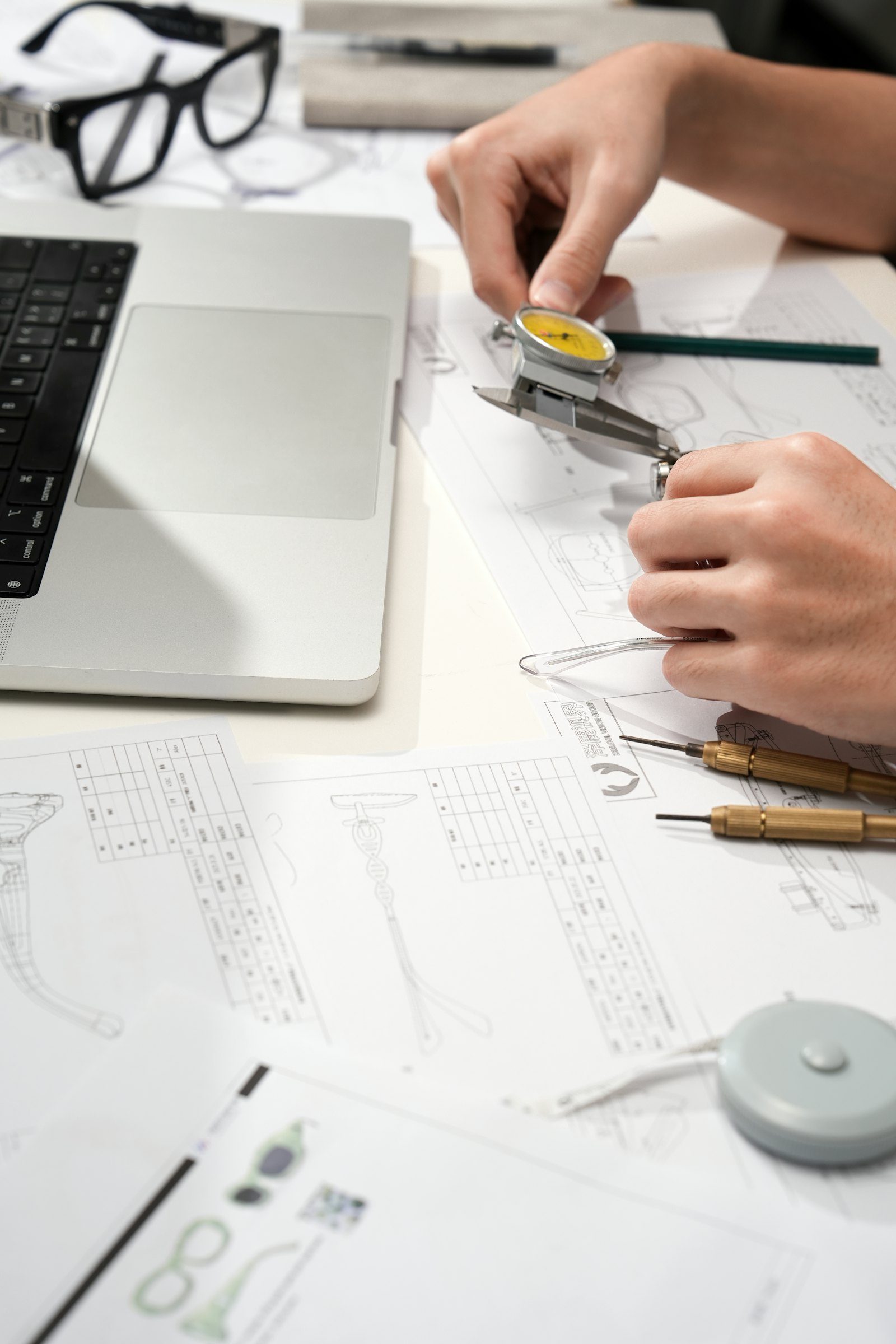
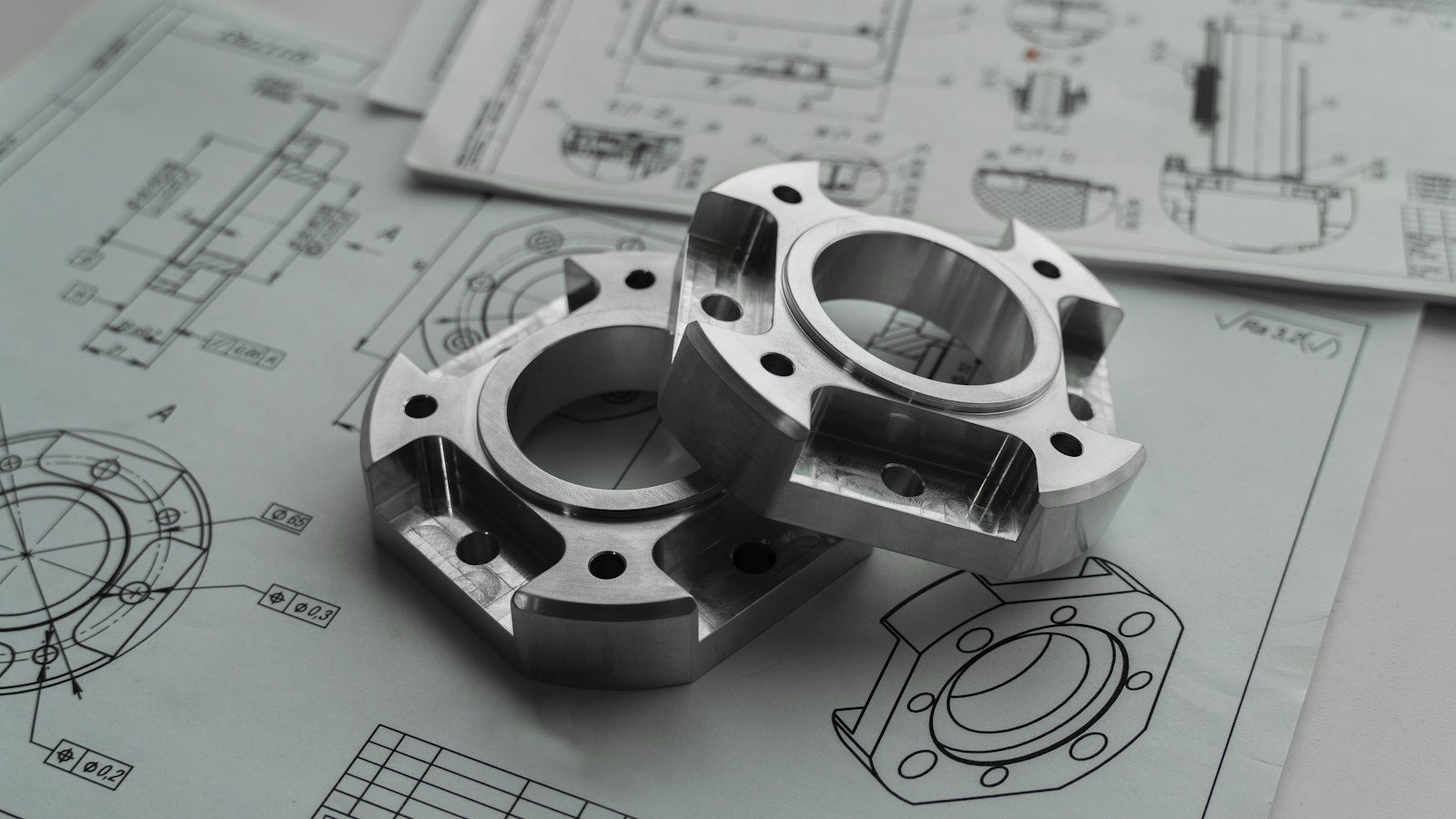
Medical Devices
Instrument parts, device housings, trays and fixtures are electropolished so that they clean and sterilize easily, withstand repeated cleaning without corroding and carry no burrs or embedded particles. Laboratory, food and pharmaceutical equipment uses it for the same reasons.
- Typical parts
- Instrument parts, device housings, trays, fixtures, fittings
Semiconductor
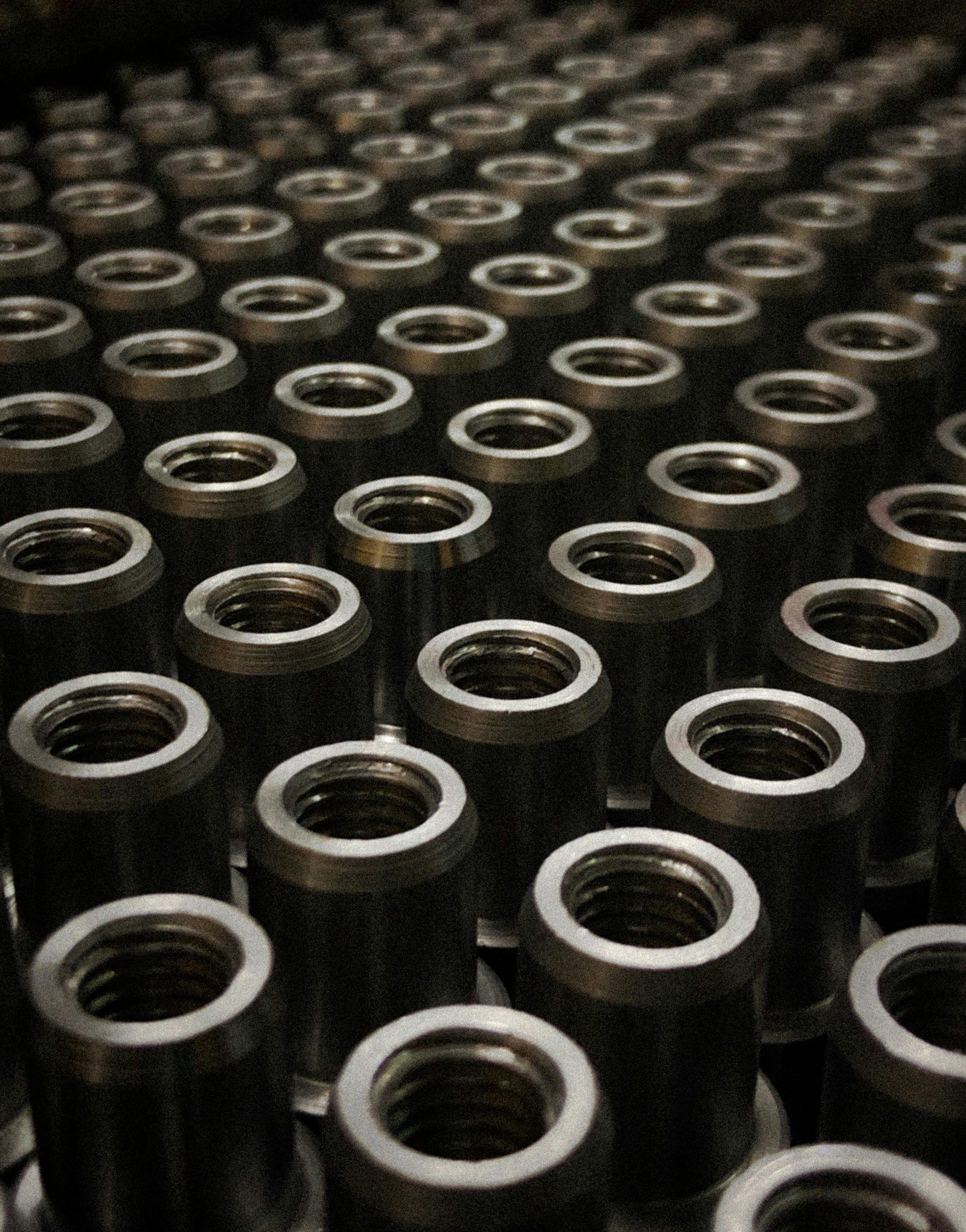
Vacuum chamber parts, gas-handling fittings and wafer-handling fixtures are electropolished to reduce particles and outgassing, because the smooth, clean, chromium-rich surface holds less contamination and releases it more easily during pump-down.
- Typical parts
- Vacuum chamber parts, gas fittings, manifolds, fixtures
Aerospace
Fasteners, fittings, brackets and hydraulic parts are electropolished to remove burrs and the stressed surface layer left by machining, where fatigue cracks and corrosion tend to start, and to give stainless parts a clean, passive surface.
- Typical parts
- Fasteners, fittings, brackets, hydraulic parts
Design Considerations for Electropolished Parts
Electropolishing improves a good surface; it cannot rescue a poor one. These points help you get an even, bright result, and our free DFM review checks them before production.
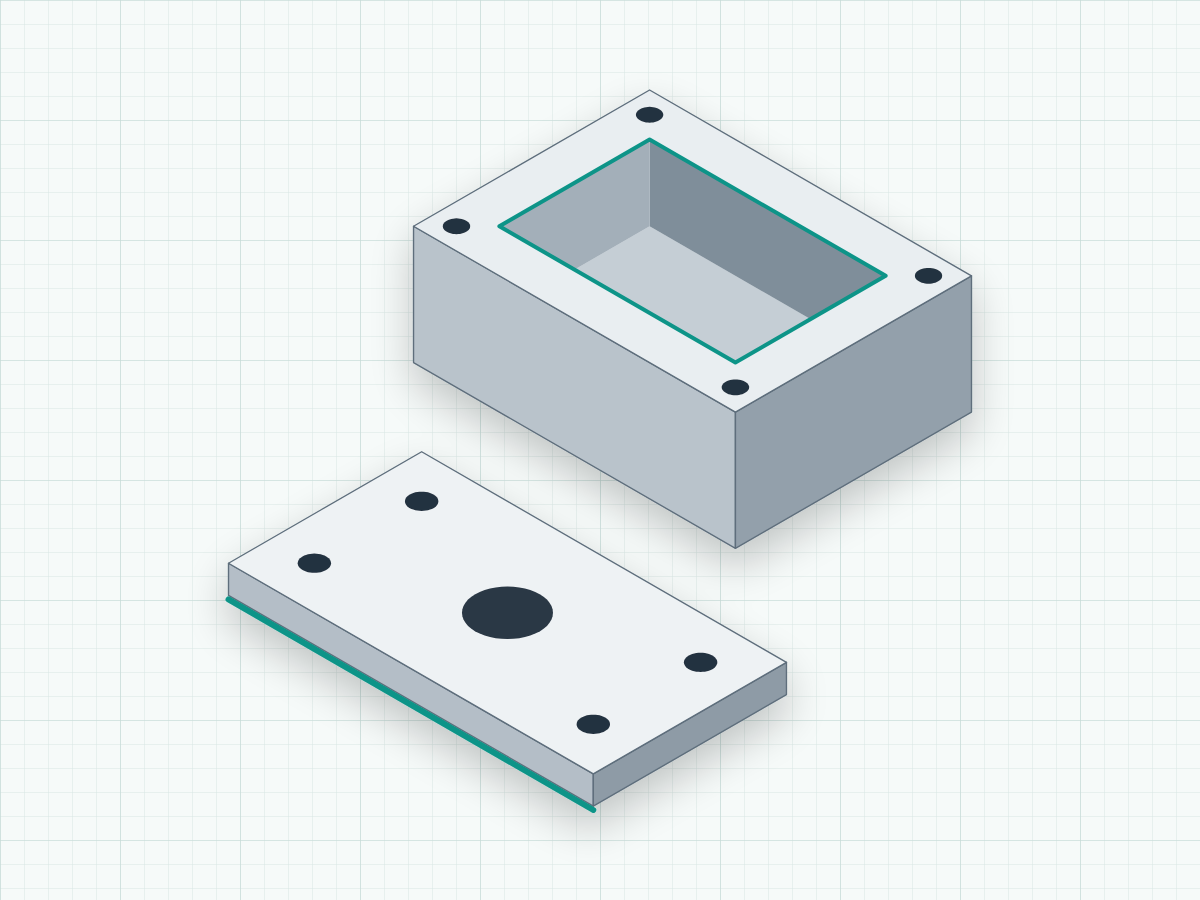
| Consideration | Recommendation | Why |
|---|---|---|
| Starting surface | Machine, grind or polish to the texture you want first | Electropolishing levels micro-roughness but leaves tool marks and scratches visible |
| Material grade | Prefer 304 or 316L to free-machining 303 | Sulfide inclusions in 303 dissolve and leave fine pits |
| Dimensions | Allow for the removal on critical sizes | Each surface loses a few micrometers, slightly more on edges |
| Threads and sharp edges | Mask threads or check them after polishing | Edges dissolve faster, so threads and sharp corners lose more metal |
| Deep bores and recesses | Say which internal surfaces must be polished | Current barely reaches deep recesses; internal bores need an auxiliary cathode |
| Contact marks | Show a face where a small contact mark is acceptable | Each part is held by an electrical contact during polishing |
| Welds | Grind heavy beads and spatter before polishing | Electropolishing removes heat tint, not spatter or undercuts |
| Masking | Mark faces that must stay as machined | Masked areas keep their original finish and dimensions |
Electropolishing Compared with Related Finishes
Electropolishing is often weighed against these finishes and sometimes combined with them; we do all of them in our own factory. Each card shows where the other finish fits better.
Passivation
A chemical acid treatment that removes free iron and restores the passive film on stainless steel without removing measurable metal. It costs less, but it leaves the surface texture unchanged.
- Surface change
- None visible
- Choose it for
- Corrosion protection at lower cost
Polishing
Mechanical polishing removes scratches and tool marks with abrasives and reaches a mirror finish on open faces. It is often done first, with electropolishing as the final cleaning and brightening step.
- Removes
- Scratches, tool marks, light pits
- Limit
- Recesses and small features are hard to reach
Brushed Finish
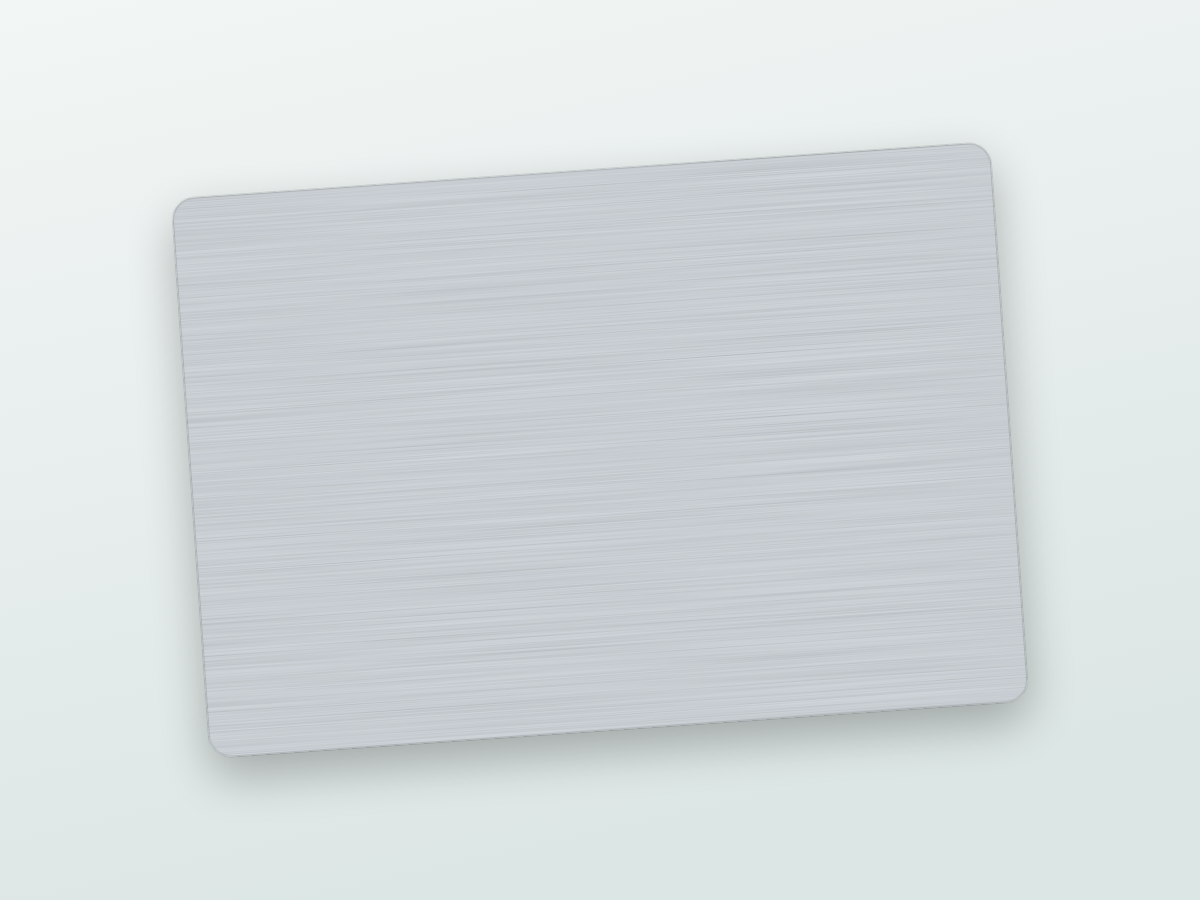
Abrasive belts create a straight satin grain that hides fingerprints on visible panels. A light electropolish after brushing keeps the grain while making the surface cleaner and more corrosion resistant.
- Appearance
- Linear satin grain
- Materials
- Stainless steel, aluminum, brass, copper
Electroplating
Electroplating is the opposite process: it deposits nickel, chrome or a decorative color such as rose gold onto the part. A bright polished or electropolished stainless surface is a good base for decorative plating.
- Process
- Adds metal instead of removing it
- Choose it for
- A new color, a wear layer or conductivity
Anodizing
On aluminum, electropolishing before clear anodizing gives a bright, reflective surface that the oxide layer then protects, as used on reflectors, trim and lighting parts.
- With electropolishing
- Protective layer after brightening
- Materials
- Aluminum
Electropolishing is usually the last step of a finish sequence, after machining, welding, polishing or brushing. Tell us the full sequence, so that we plan the removal and masking for every step.
Electropolishing FAQs
What is the difference between electropolishing and passivation?
Both improve the corrosion resistance of stainless steel. Passivation is a chemical acid treatment that dissolves free iron and contamination and lets a fresh passive film form, but it leaves the surface texture unchanged. Electropolishing removes a thin layer of metal electrochemically, so it also smooths and brightens the surface and leaves it richer in chromium. Passivation changes the surface chemistry; electropolishing changes both the chemistry and the profile.
How does electropolishing differ from mechanical polishing?
Mechanical polishing removes material with abrasives and can take out scratches and tool marks, but it can smear metal, embed abrasive particles and hardly reaches recesses. Electropolishing removes metal electrochemically without touching the part, so it leaves no embedded particles and treats complex shapes evenly, but it does not remove deeper marks. For a mirror finish, parts are often polished mechanically first and electropolished last.
Is electropolishing the same as electroplating?
No, it is the opposite. Electroplating connects the part as the cathode and deposits another metal onto it, which adds thickness. Electropolishing connects the part as the anode and removes metal from its own surface, so nothing is added that could chip or peel later. Both use direct current in an electrolyte bath, which is why they are often confused.
How much material does electropolishing remove?
Typical removal is about 2.5–25 µm per surface. Light brightening and cleaning remove only a few micrometers, while deburring or leveling a rougher surface removes more. Removal is even on flat faces and slightly higher on edges and corners. If a dimension is critical, tell us the tolerance and whether it applies after polishing, and we will plan the removal.
Will electropolishing remove scratches and tool marks?
Only very fine ones. Electropolishing levels micro-roughness, but visible scratches, tool marks, grinding lines and pits remain, and a brighter surface can make them easier to see. If appearance matters, specify a fine machined, ground or polished surface first; electropolishing then makes it brighter, smoother and cleaner.
Which materials can be electropolished?
Stainless steels give the best results, especially austenitic grades such as 304 and 316L. Martensitic, ferritic and precipitation-hardening stainless steels, carbon steel, aluminum, copper, brass, titanium and nickel alloys can also be electropolished with their own electrolytes, although free-machining and cast alloys look less bright. Tell us the exact grade, and we will confirm the result you can expect.
How do I specify electropolishing on my drawing?
State the material grade, the surfaces to electropolish, any target roughness and the faces or threads to mask, for example "Electropolish all over per ASTM B912, Ra 0.4 µm max on face A". If dimensions apply after polishing, say so. Without a specification, tell us what the part needs, and our engineers will suggest a callout.
How are electropolished parts inspected?
Parts are checked for an even, bright appearance, for pits, stains and contact marks on critical faces, and against the dimensions on your drawing. We provide COC, COA and COT documents, and a CMM report free of charge for the dimensions you specify. If a part is wrong because of a manufacturing error on our side, we remake it free of charge.
How do I get a quote for electropolished parts?
Send a STEP, STP or IGES model and a PDF drawing with the material, quantity and finish callout. An engineer reviews every request and quotes within 24 hours, simple parts often in 2–4 hours, with free DFM feedback. There is no minimum order quantity, so single prototypes are as welcome as production batches.
Get a Quote for Electropolished Parts
Send us your models and drawings with the material grade and the finish you need. We make and electropolish the parts in our own factory, and our engineers reply with a detailed quote and free DFM feedback within 24 hours.

Jane
BOHUI PROTOTYPES LIMITED
Tell me the grade, the finish you expect and which faces, threads or bores must not be polished, and I will check the details with our engineers.
You can send your request first and add files later by email or WhatsApp. For confidential designs, contact me before sharing your files.
Jane
BOHUI PROTOTYPES LIMITED
- Address: Xiaobian Street, Chang'an Town, Dongguan City, Guangdong Province, China
Request a Quote
Fields marked are required.