Anodizing Services for Aluminum Parts
Type II and Type III hard anodizing for CNC machined and sheet metal aluminum parts, in clear, black and custom colors.
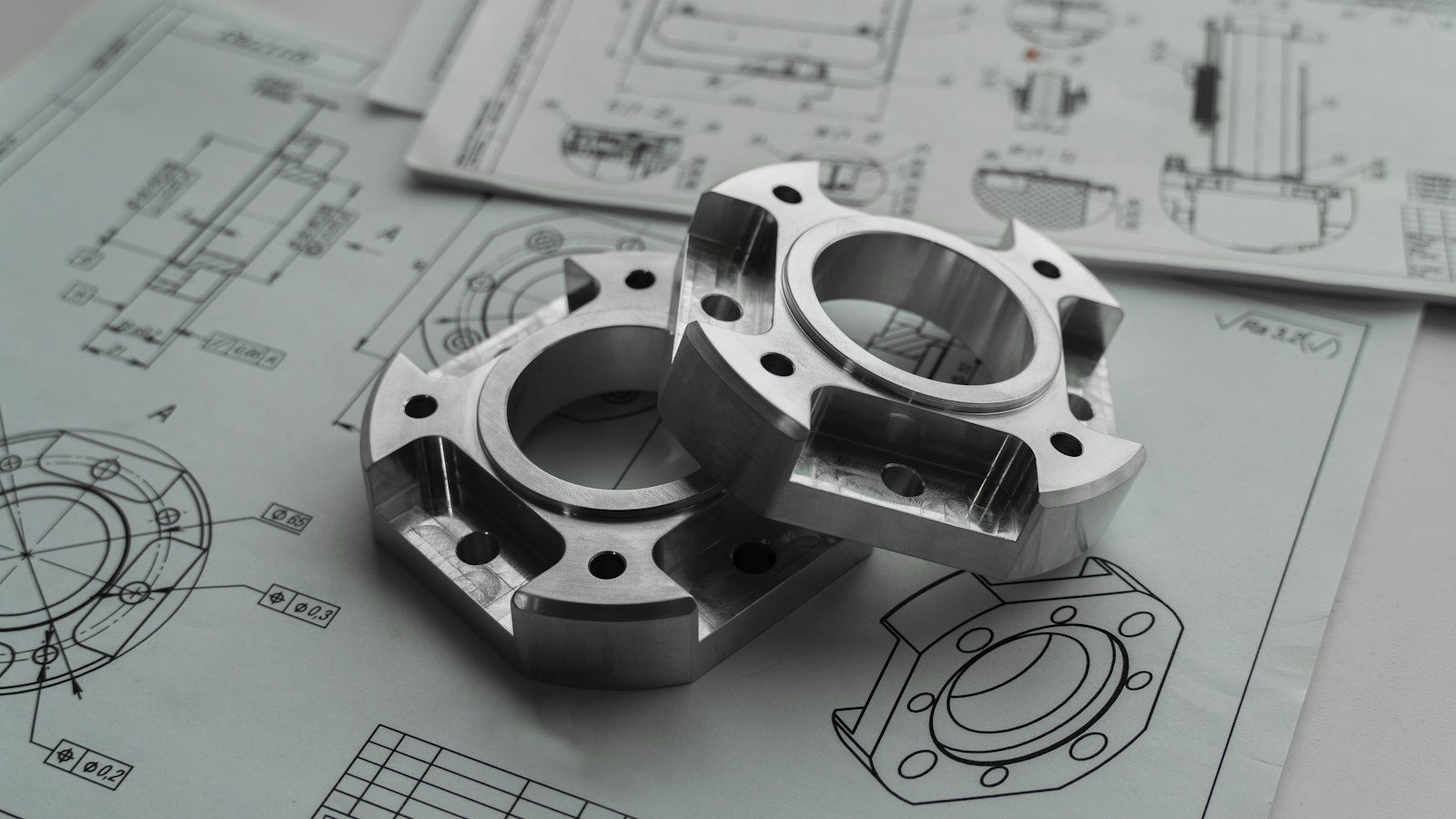
Anodizing grows a hard, corrosion-resistant oxide from the aluminum itself: typically 5–25 µm for Type II and 25–75 µm for hard anodizing (MIL-A-8625). We anodize in our own factory in Dongguan, plan masking, contact points and dimensions before finishing, and every quote is reviewed by an engineer within 24 hours, with no minimum order quantity.
What Is Anodizing?
Anodizing is an electrochemical process that turns the surface of aluminum into aluminum oxide. The part is the anode in an acid bath; when current flows, oxygen combines with the surface and grows a layer that is part of the metal, so it cannot peel or flake like paint.
The oxide grows about half into the metal and half outward, and it is full of fine pores. Before sealing, the pores take dyes for color; sealing in hot water or a nickel acetate bath then closes them for corrosion resistance and color fastness.
Sulfuric acid anodizing (Type II) gives thin protective and decorative layers. Hard anodizing (Type III) runs in a colder bath at a higher current density for thick, dense, wear-resistant layers. Both are defined in MIL-PRF-8625, and both run in our own factory.
Anodizing Specifications
Typical values on wrought aluminum, side by side for the two types we anodize in our own factory. Give the type, class, color and any thickness requirement on your drawing, and we confirm them in your quote.
| Property | Type II | Type III (hard) |
|---|---|---|
| Standard | MIL-PRF-8625 Type II | MIL-PRF-8625 Type III |
| Thickness | 5–25 µm | 25–75 µm |
| Growth per surface | About half the thickness | About half the thickness |
| Colors | Clear, black, red, blue, gold, green, custom | Natural grey to bronze; clear or black |
| Surface hardness | Harder than the base aluminum | About 350–500 HV |
| Corrosion resistance | Moderate to good when sealed | High |
| Wear resistance | Moderate | High |
| Electrical | Insulating | Insulating |
Advantages of Anodizing
Both anodizing types protect and color aluminum in one process, which is why anodizing is the usual finish for aluminum parts. The points to plan for are in the design considerations further down.
The sealed oxide is chemically stable and grows from the aluminum itself, so it shields parts from weather, sweat and cleaning agents without a coating that can chip or peel.
Even a Type II layer is harder than bare aluminum and resists light scratches in handling. Type III hard anodizing reaches about 350–500 HV for sliding, wear and abrasive contact.
Dyes are absorbed into the pores and sealed in, so clear, black and custom colors sit inside the oxide instead of on top of it and do not rub off in use.
The oxide does not conduct, which suits parts that must be isolated from a circuit or a chassis. Faces that need grounding are masked during anodizing and left conductive.
A sealed anodized surface is smooth and closed, so it resists fingerprints and stains and wipes clean, which suits handheld products, front panels and equipment that is cleaned every day.
Type II and Type III add no paint or solvent-based coating: the finish is aluminum oxide, an inert material, and anodized aluminum can be recycled together with ordinary aluminum scrap.
Anodizing Types and Colors
MIL-PRF-8625 defines the anodizing types by process and thickness, and the classes by color: Class 1 is undyed, Class 2 is dyed. We offer all three options below in our own anodizing line.
Type II Clear
Sulfuric acid anodizing without dye keeps the silver tone of the aluminum: glossy over a fine machined or polished surface, matte over sand blasting. It is the standard protective finish for housings, brackets and panels.
- Thickness
- 5–25 µm (MIL-A-8625 Type II)
- Finish
- Glossy or matte
Type II Colored
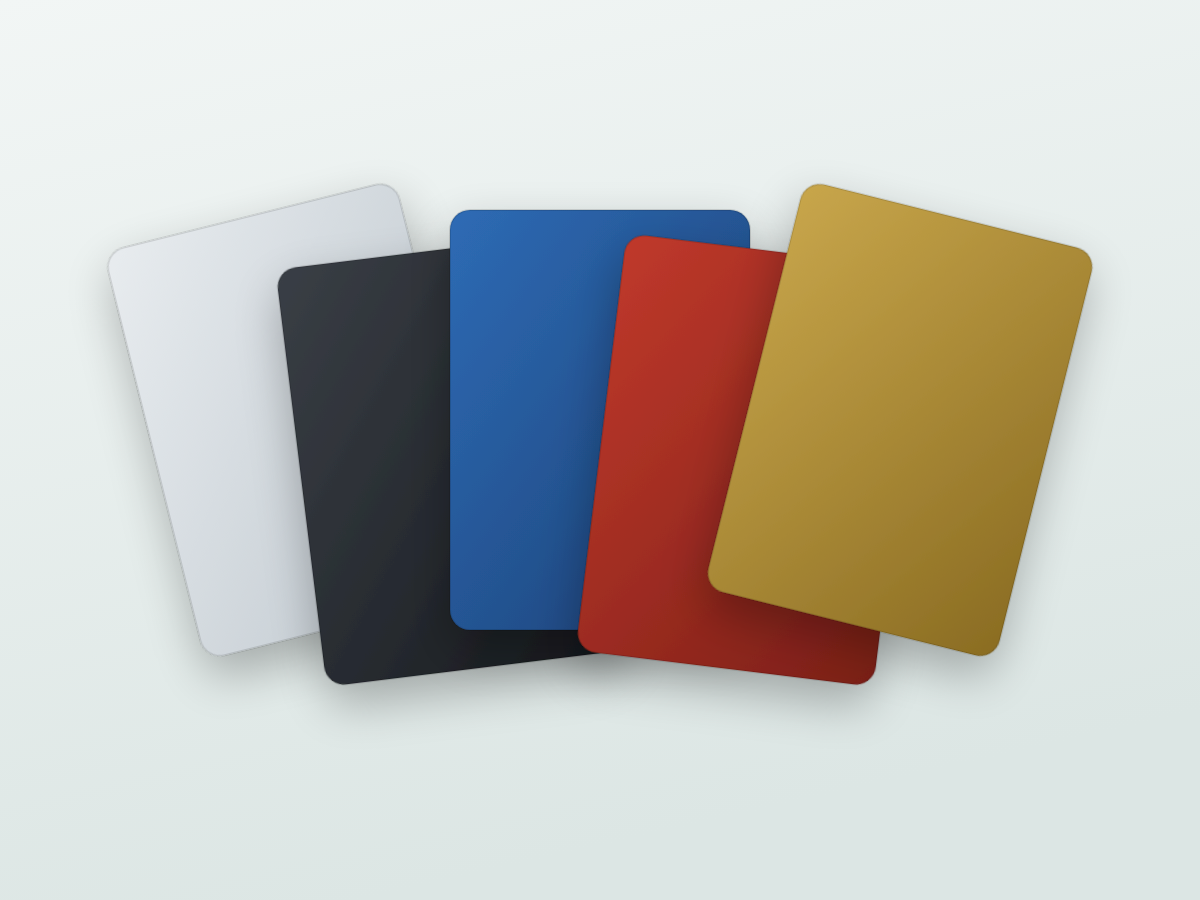
The same layer dyed before sealing, most often black, and also red, blue, gold, green and other colors. We match RAL or Pantone references as closely as the alloy allows, so approve a color sample for cosmetic parts.
- Colors
- Black, red, blue, gold, green, custom
- Class
- Class 2 (dyed)
Type III Hard Anodizing
A thick, dense oxide grown in a cold bath for wear, abrasion and harsh environments. It is naturally grey to bronze, depending on the alloy, and we run it clear or dye it black. It adds measurable thickness, so fits are planned before finishing.
- Thickness
- 25–75 µm (MIL-A-8625 Type III)
- Hardness
- About 350–500 HV
Materials for Anodizing
Anodizing is a process for aluminum. The alloy has the largest effect on color, clarity and hardness, so our engineers check it with every quote and suggest a grade when appearance matters.
Aluminum alloys
Material certificates are available on request.
6xxx Series
The best all-round alloys: clear, even Type II layers and good hard-anodized results. 6063 gives the brightest cosmetic finish.
Typical parts
Housings, heat sinks, profiles, enclosures, brackets
Usual finish
Type II clear or black; Type III on wear faces
5xxx and 7xxx Series
5052 and 5083 sheet anodize well with a slightly warmer tone. 7075 forms a hard, dense layer, ideal for Type III, but shows a faint yellow tint in clear Type II.
Typical parts
Panels, enclosures, aerospace and drone parts, fixtures
Usual finish
Type II black on sheet; Type III on 7075 wear parts
2xxx and Cast Alloys
Copper and silicon make the layer thinner, darker and patchier. Use these alloys where strength or casting matters more than looks, and approve a color sample first.
Typical parts
Structural fittings, machined castings, covers
Usual finish
Black Type II or Type III, or another finish
Anodizing Applications
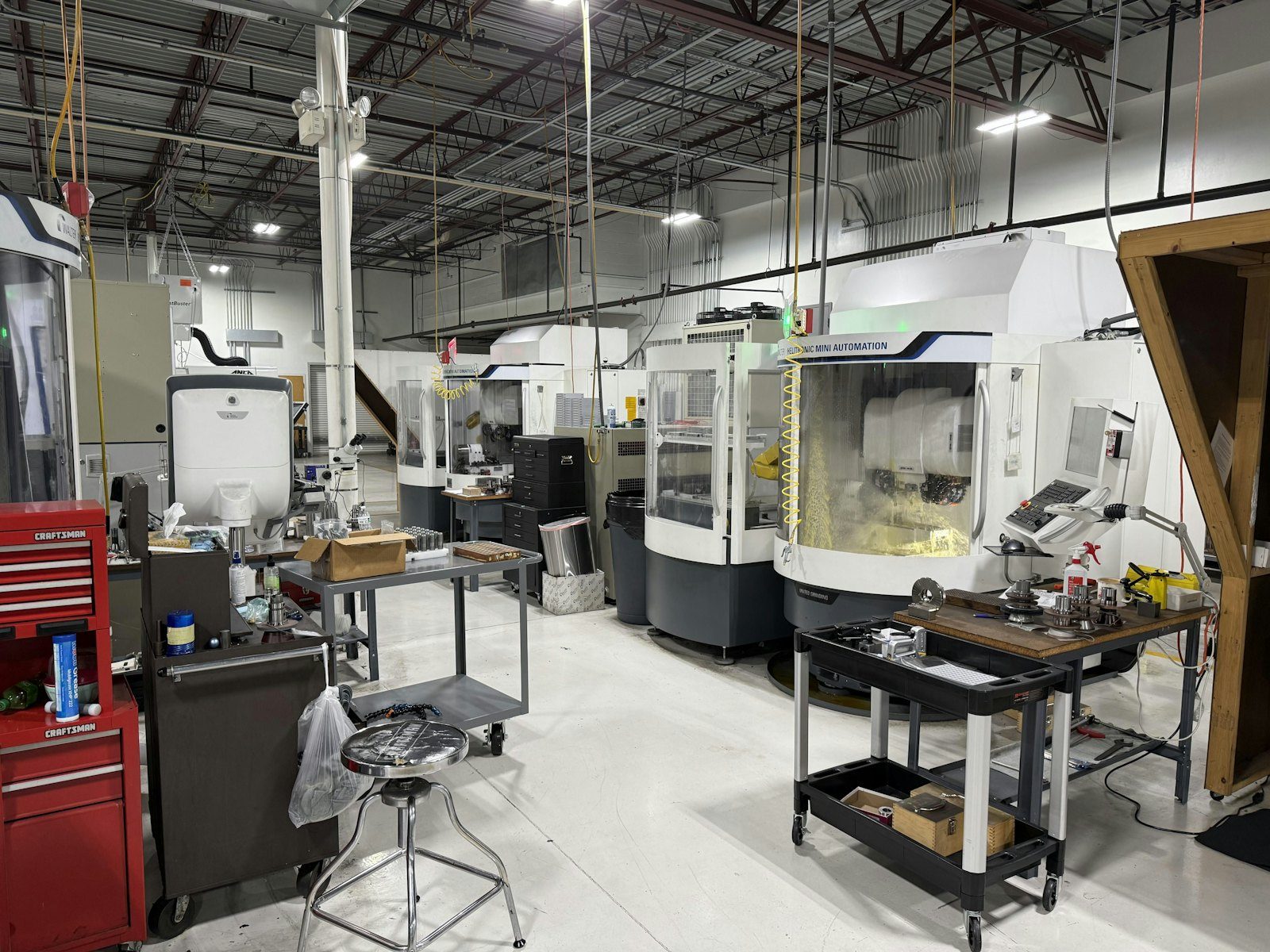
Anodizing protects aluminum parts that are handled, seen or worn, and gives them a lasting color without a separate coating that could chip.
Electronics
Laptop, camera and audio housings, knobs and bezels use Type II anodizing over sand blasting or brushing for an even satin color that resists fingerprints and light scratches in daily use.
- Typical parts
- Housings, bezels, knobs, heat sinks, front panels
Aerospace
Type II and Type III anodizing protect brackets, fittings and actuator parts against corrosion and wear, and black anodizing reduces stray light and glare in optical, camera and sensor assemblies.
- Typical parts
- Fittings, actuator bodies, avionics frames, UAV parts
Robotics
Hard anodized grippers, pistons, rollers and linear slides resist wear in constant sliding contact, while Type II black or clear anodizing protects arm covers, frames and housings in daily factory use.
- Typical parts
- Gripper fingers, pneumatic pistons, guide rails, arm covers
Design Considerations for Anodized Parts
Anodizing gives aluminum a hard, colorfast and corrosion-resistant surface that will not peel. Its limits: the layer insulates, adds thickness, shows machining marks and alloy differences, and every part needs a contact point. Plan these on the drawing.
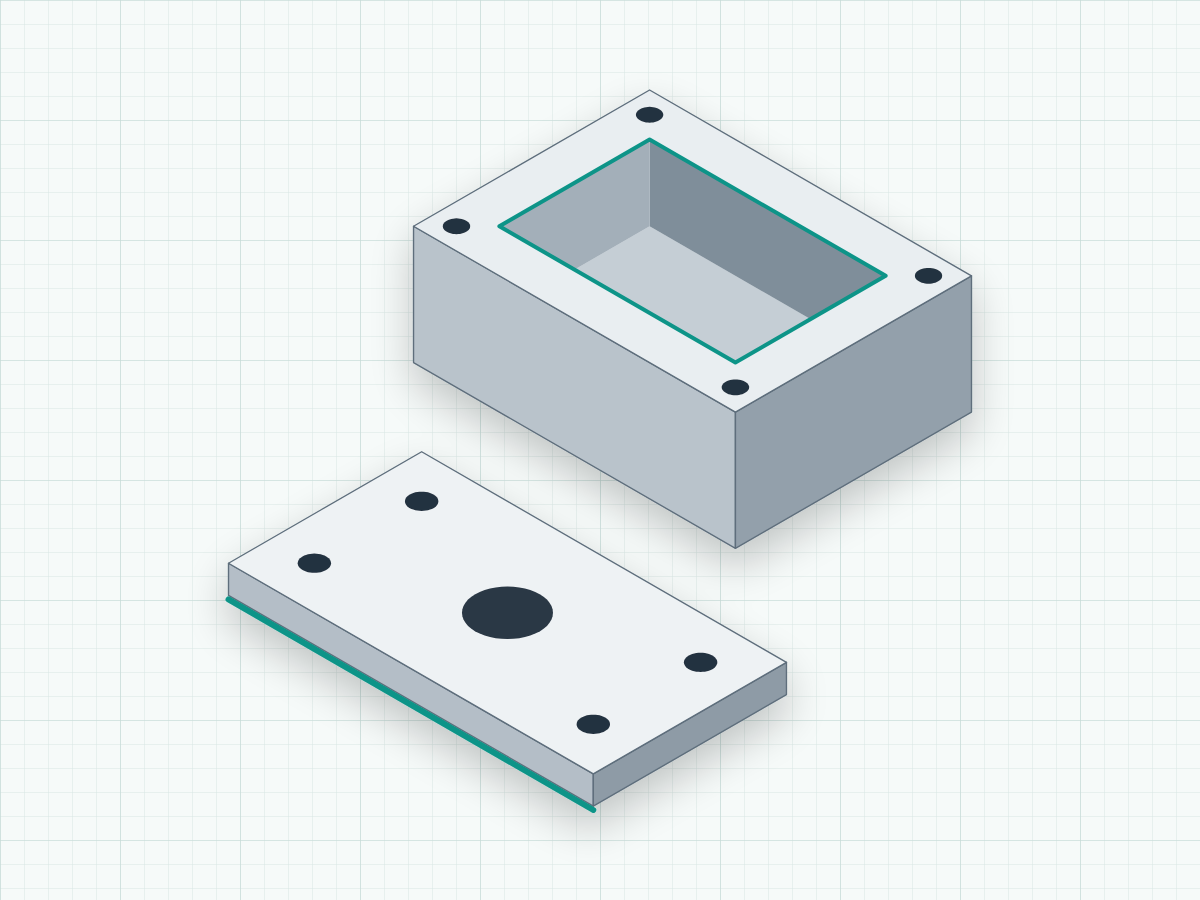
| Consideration | Recommendation | Why |
|---|---|---|
| Dimensional growth | Allow half the thickness per surface | The layer grows half inward, half outward |
| Threads and reamed holes | Mask or plug them for Type III | Thick layers close up fits; fine threads and holes are masked as standard |
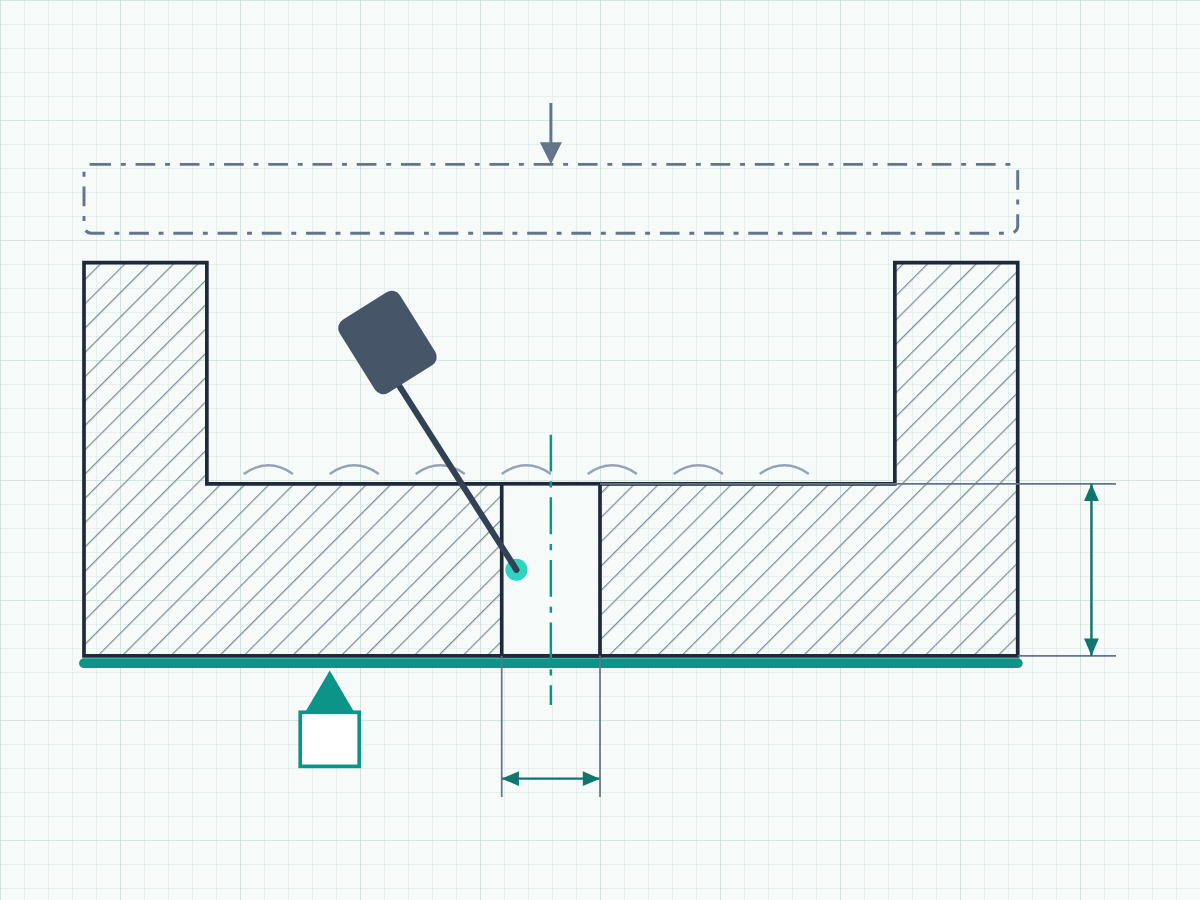
| Contact marks | Show where a small bare mark is acceptable | Each part is held by a contact point that stays uncoated |
| Grounding faces | Mark them for masking | The oxide is an electrical insulator |
| Surface before anodizing | Sand blast (#120) for an even matte look | Anodizing shows tool marks instead of hiding them |
| Color matching | One alloy and one batch for matching parts | Alloy, texture and batch change the shade |
| Sharp edges | Round edges for Type III | The thick layer grows thin and can crack on sharp corners |
| Drawing callout | "MIL-PRF-8625, Type II, Class 2, black" | One line gives us all we need |
Anodizing and Related Finishes
These finishes are most often specified with anodizing, before it or on top of it, and all of them are done in our own factory. Each card shows what it adds.
Sand Blasting
Blasting before anodizing removes tool marks and gives the even matte surface seen on many electronic housings. It changes the look, not the protection, and is the most common pretreatment.
- With anodizing
- Pretreatment, #120 media
- Result
- Uniform matte color
Brushed Finish
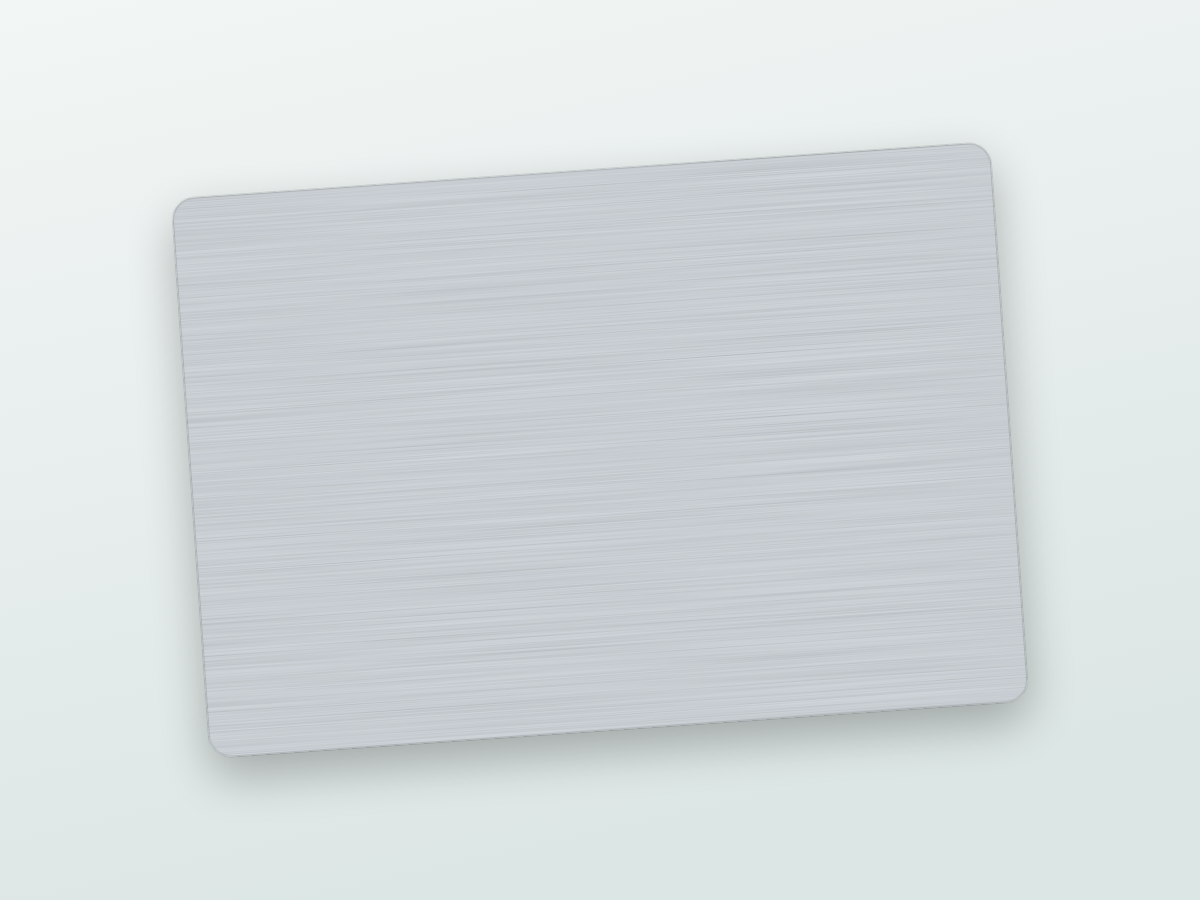
Brushing before anodizing leaves a straight satin grain under the clear or colored layer, which hides fingerprints on visible panels. State the grain direction so it runs the same way on every part.
- With anodizing
- Pretreatment
- Result
- Linear satin grain
Polishing
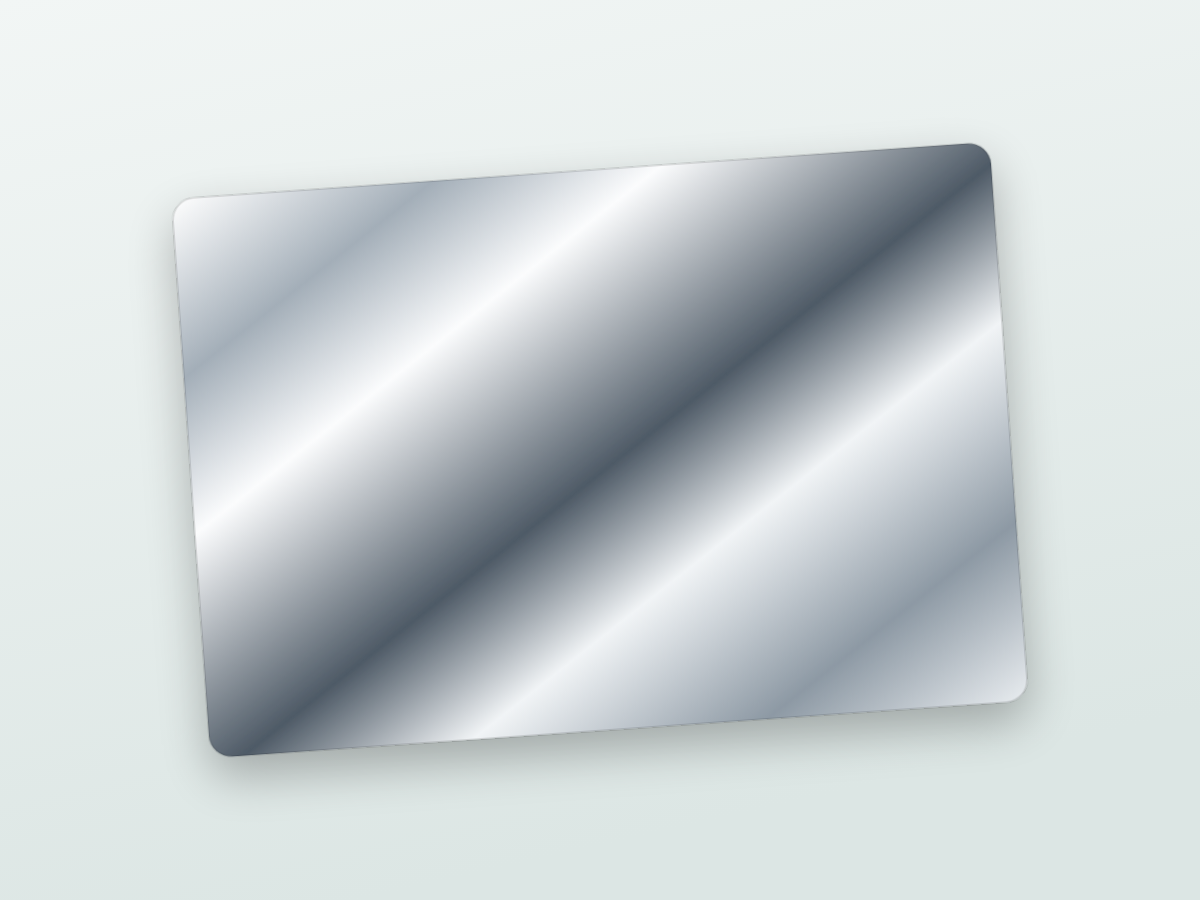
Polishing before anodizing gives a bright, glossy clear or colored finish, because the layer follows the surface beneath it exactly. It suits decorative trims, knobs and bezels where a reflective look is wanted.
- With anodizing
- Pretreatment
- Result
- Bright, glossy color
Teflon Coating
PTFE sealed into or coated over hard anodizing lowers friction and adds non-stick properties for slides, pistons and release surfaces, where hard anodizing alone wears well but grips.
- With anodizing
- PTFE seal or topcoat on Type III
- Benefit
- Lower friction, easier release
Alodine
Where an anodized part needs a conductive spot, the area is masked during anodizing and protected afterwards with a chromate conversion coating, which keeps it conductive and resists corrosion.
- With anodizing
- On masked grounding faces
- Benefit
- Conductive, corrosion-resistant spot
Ask for combined finishes in one request: we plan the order of blasting, anodizing, coating and masking, so every finish on the part is done in one place.
Anodizing FAQs
Type II or Type III: which do I need?
Choose Type II for corrosion protection, color and a clean appearance on housings, panels and brackets. Choose Type III where parts slide, wear or face abrasive or harsh conditions, such as pistons, guides and gripper fingers. Type III is thicker, harder and more costly, adds more to dimensions and has a narrower color range, mainly clear grey and black.
How durable is an anodized finish?
Very durable for its thickness, because the oxide is part of the metal and cannot peel. Sealed Type II resists weather, sweat and cleaning agents for years, and Type III reaches about 350–500 HV, several times harder than the aluminum beneath it. The layer can still be scratched through by sharp tools, and strong acids or alkalis attack it.
Will anodized colors fade?
Organic dyes slowly fade in strong sunlight, red and blue more than black and gold, and poor sealing speeds this up. For outdoor parts, choose clear or black, ask for a well-sealed layer and expect some change over years of exposure. Indoor parts keep their color for the life of the product.
Why do anodized parts differ in color?
The shade depends on the alloy, its temper, the surface texture, the layer thickness and the dye and sealing batch. Parts from different alloys or batches can therefore look slightly different even with the same callout. For parts that must match, use one alloy, order them in one batch and approve a color sample first.
Why do machining marks show after anodizing?
Anodizing follows the surface exactly and makes tool marks, scratches and grain flow more visible, especially under clear and glossy finishes. Sand blasting with #120 media before anodizing is our usual way to give an even matte look; brushing or polishing are alternatives. Mark the cosmetic faces on your drawing.
What are contact marks?
Every part is held on a rack by a contact point that carries the current, and that small spot stays uncoated. We place it in a threaded hole, a hidden face or a countersink by default. If a face must be free of marks, mark it on the drawing and we choose another point.
How do I specify anodizing on my drawing?
Give the standard, type, class and color, for example "Anodize per MIL-PRF-8625, Type II, Class 2, black", plus a thickness if it matters. Mark the faces to be masked, the cosmetic faces and where contact marks are acceptable, and state whether dimensions apply before or after anodizing.
What affects the cost of anodizing?
Part size and how many fit on a rack, the type, the color, masking and any cosmetic requirement. Type III costs more than Type II because it takes longer and needs a cold bath; masking threads and faces adds hand work. Ordering matching parts together and allowing standard contact points keep the cost down.
How do I get a quote for anodized parts?
Send a STEP or IGES model and a PDF drawing with the alloy, quantity and anodizing callout. An engineer reviews every request and quotes within 24 hours, simple parts often in 2–4 hours, with free DFM feedback. There is no minimum order quantity, and a CMM report is free of charge for the dimensions you specify.
Get a Quote for Anodized Parts
Send us your models and drawings with the anodizing callout. We make and anodize the parts in our own factory, and our engineers reply with a detailed quote and free DFM feedback within 24 hours.

Jane
BOHUI PROTOTYPES LIMITED
Tell me the alloy, the quantity and the anodizing type and color you need, and point out the cosmetic faces and any areas that must stay bare.
You can send your request first and add files later by email or WhatsApp. For confidential designs, contact me before sharing your files.
Jane
BOHUI PROTOTYPES LIMITED
- Address: Xiaobian Street, Chang'an Town, Dongguan City, Guangdong Province, China
Request a Quote
Fields marked are required.