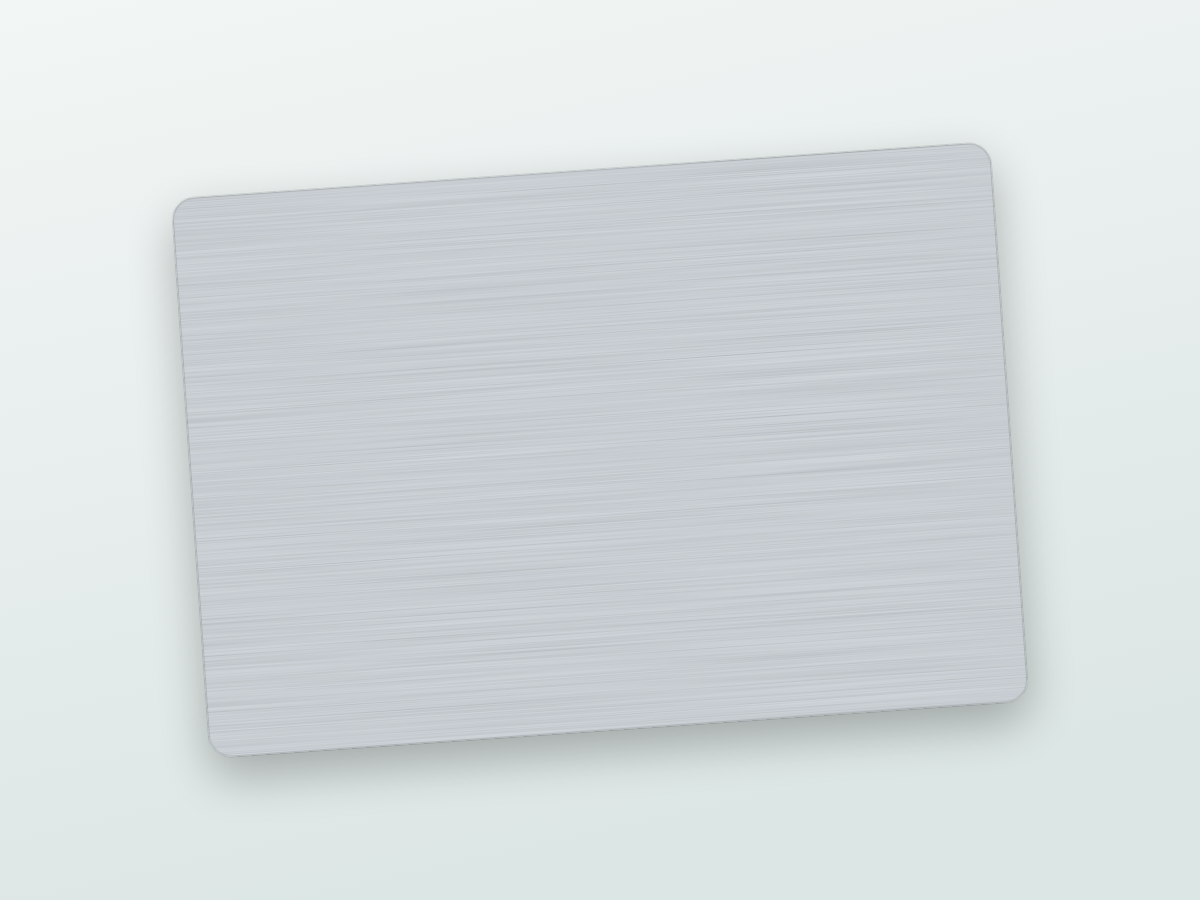
Brushed Finish for Metal Parts
A fine satin grain that hides fingerprints and handling marks on visible aluminum, stainless steel and brass parts.
Brushing removes only a few micrometers, so it suits machined and sheet metal parts alike. We brush parts in our own factory in Dongguan, linear or circular, with #120 grit as standard and finer grains available, and every quote is reviewed by an engineer within 24 hours.
What Is a Brushed Finish?
Brushing is a mechanical finish: an abrasive belt, pad or wheel is drawn across the surface in one direction and cuts fine parallel lines, the grain. Nothing is added; a thin layer of metal is removed.
The grain scatters light into a soft satin sheen that hides fingerprints, small scratches and tool marks. Anodizing, passivation or a clear coat often follows to protect the surface.
Stainless steel, aluminum, brass and bronze are the metals brushed most often. In our own factory the grain is cut straight along a panel or in concentric rings on round faces.
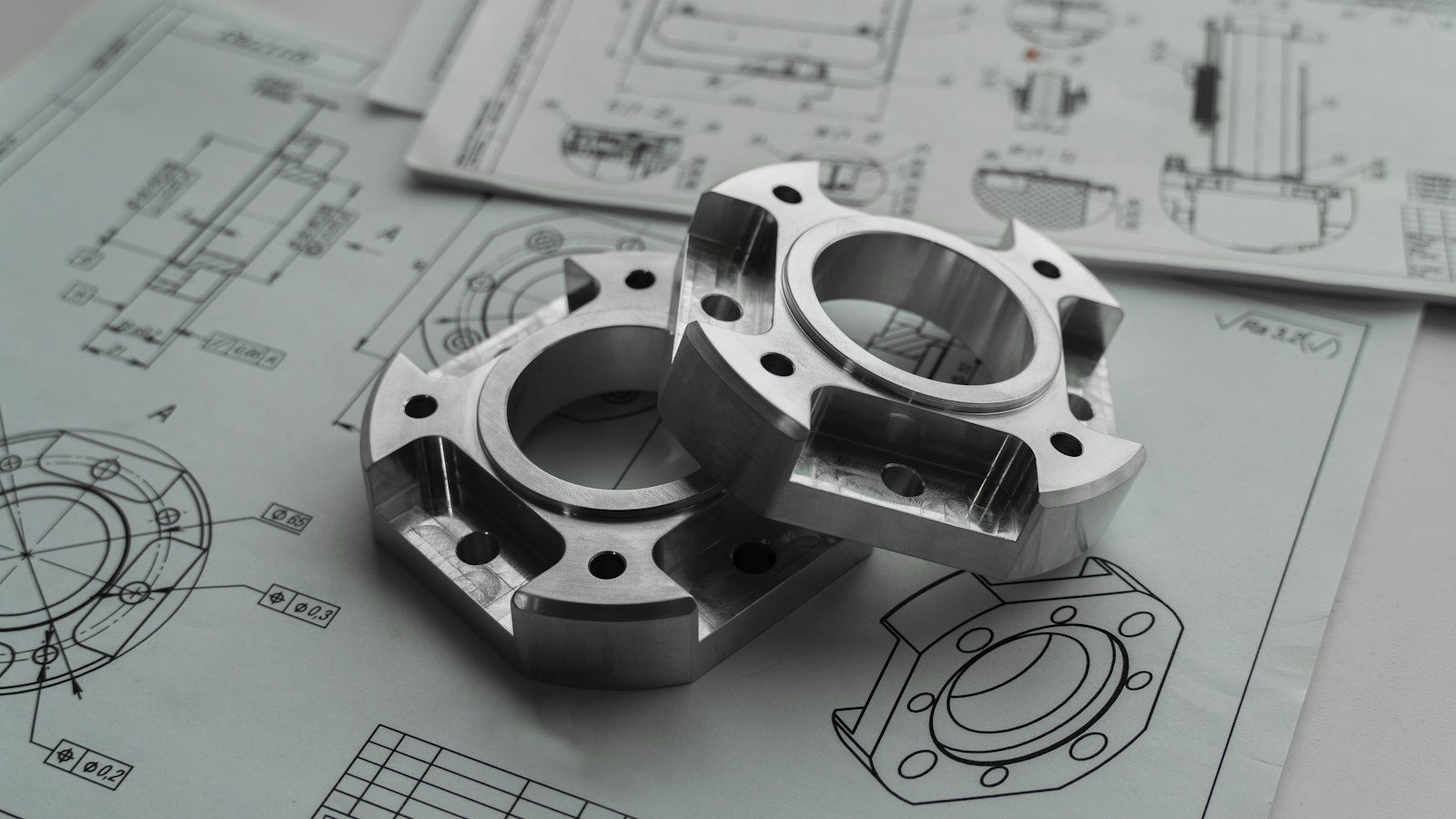
Brushed Finish Specifications
Standard values for parts brushed in our own factory, confirmed in your quote.
| Property | Specification | Notes |
|---|---|---|
| Grit | #120 standard; #150, #180, #200, #220 | Finer grit, softer sheen |
| Grain | Linear or circular | Direction marked on the drawing |
| Materials | Aluminum, stainless steel, brass, copper | Also steel, bronze, titanium, zinc |
| Material removal | A few micrometers | Keep critical fits off brushed faces |
| Appearance | Satin, low glare | Hides fingerprints |
| Corrosion protection | None added | Anodize, passivate or lacquer |
| Geometry | Flat and simply curved faces | Not for pockets or complex shapes |
Advantages of a Brushed Finish
Brushing changes how a metal part looks and feels without adding a layer. These are the reasons to choose it; the points to plan for, such as grain direction and geometry, are in the design considerations further down.
An even grain in one direction gives panels, trims and housings a consistent, premium look from part to part, at a lower cost than polishing or most coatings.
The fine lines scatter light instead of reflecting it, so brushed surfaces stay readable and calm under strong lighting on control panels, dashboards and appliance fronts.
The grain disguises smudges, handling marks and small scratches that would show on a polished face, which keeps parts that are touched every day looking clean.
Aluminum, stainless steel, brass and copper brush well, and so do steel, bronze, titanium and zinc, so one finish can run across the metal parts of an assembly.
Brushing leaves a clean, even surface for anodizing, passivation, plating or a clear coat, and the grain stays visible under each of them.
Brushed Grain Types
Grit and direction define the look. Give both on the drawing, or send a sample to match. We brush all three grades below in our own factory.
Linear Brushing, #120
Our standard: a clearly visible straight grain in one direction for panels, covers and enclosures. It hides handling marks best and is the most economical grade to repeat across a batch.
- Grit
- #120
- Look
- Distinct straight grain
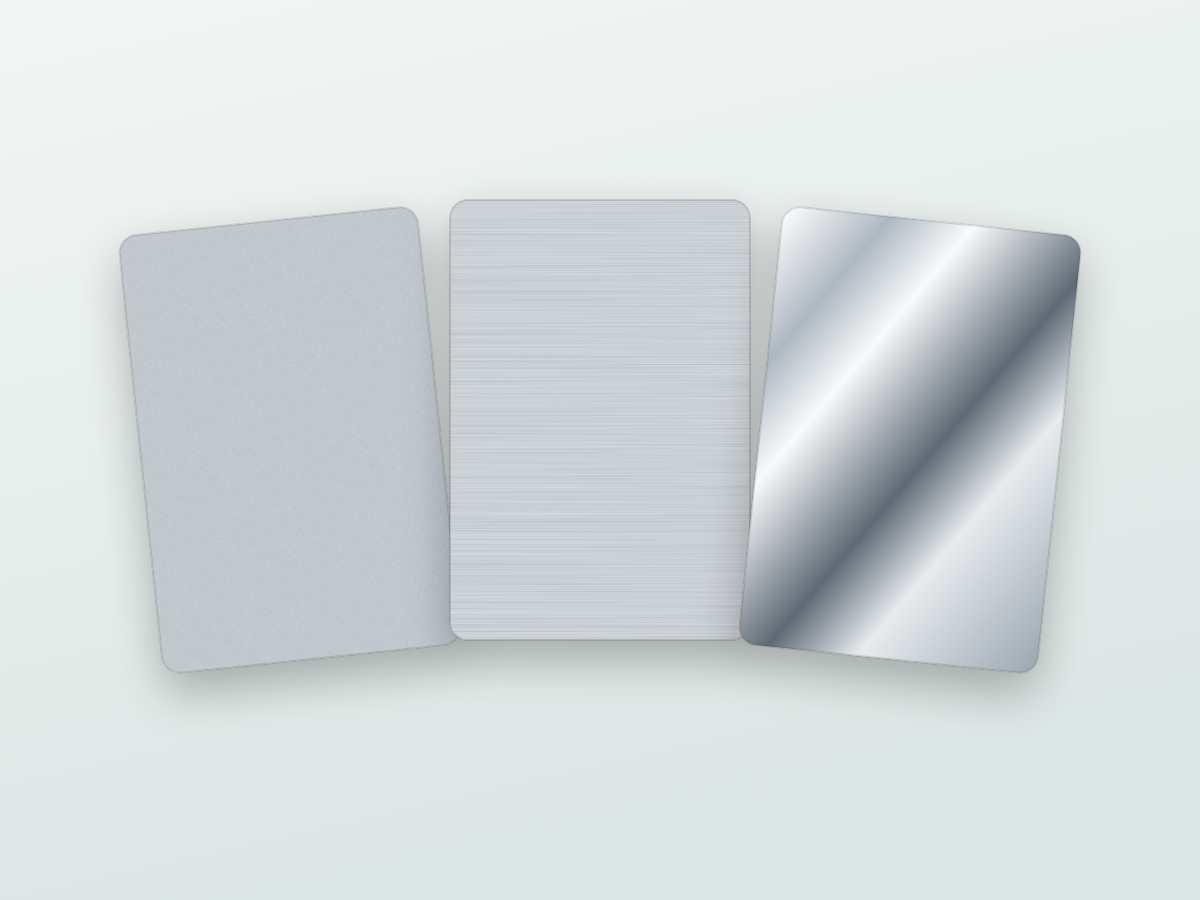
Fine Linear Brushing
Finer abrasives give a shorter, softer grain and a smoother sheen, close to the No. 4 finish of stainless sheet, for consumer products and trim where a coarse grain looks rough.
- Grit
- #150 to #220
- Look
- Fine satin sheen
Circular Brushing
On round faces such as knobs, caps and end faces, we brush the turning part and leave concentric rings. Tell us where the geometry rules out a linear grain, and we plan a circular one.
- Grit
- #120 to #220
- Best for
- Round and turned faces
Materials for Brushing
Most metals brush well; the material decides the look and the protection.
Metals
Material certificates are available on request.
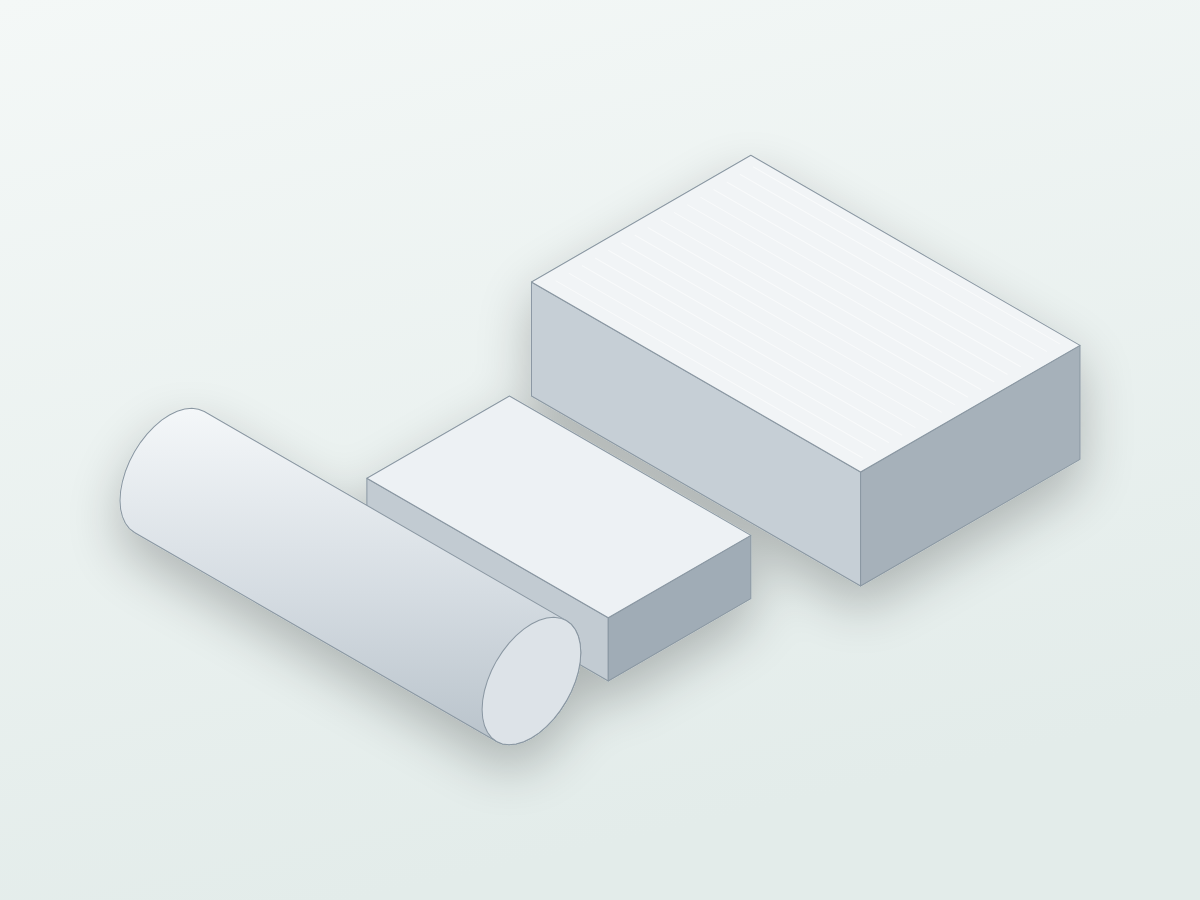
Aluminum
Brushes quickly to a bright satin grain and is usually anodized afterwards.
Protect with
Anodizing or alodine
Stainless Steel
The classic brushed look of appliances; it needs no coating.
Protect with
Passivation
Brass and Copper
A warm satin glow for trims and nameplates that tarnishes without protection.
Protect with
Clear lacquer or plating
Brushed Finish Applications
Brushing suits visible metal surfaces that people see and touch every day.
Consumer Products
Appliance front panels, kitchen equipment, speaker grilles and lamp parts use brushed stainless steel or aluminum for a clean, premium look that hides fingerprints, smudges and small scratches in daily use.
- Typical parts
- Appliance panels, trims, grilles, handles
Electronics
Laptop, audio and camera housings and front panels are brushed before anodizing, so the grain shows through the clear or colored layer and resists fingerprints on surfaces handled every day.
- Typical parts
- Housings, front panels, knobs, bezels
Automotive
Interior trims, dashboard inserts, door handles and badges use a brushed grain for a matte, low-glare surface that stays attractive to touch, usually protected by anodizing or a clear coat.
- Typical parts
- Interior trims, inserts, handles, badges
Design Considerations for Brushed Parts
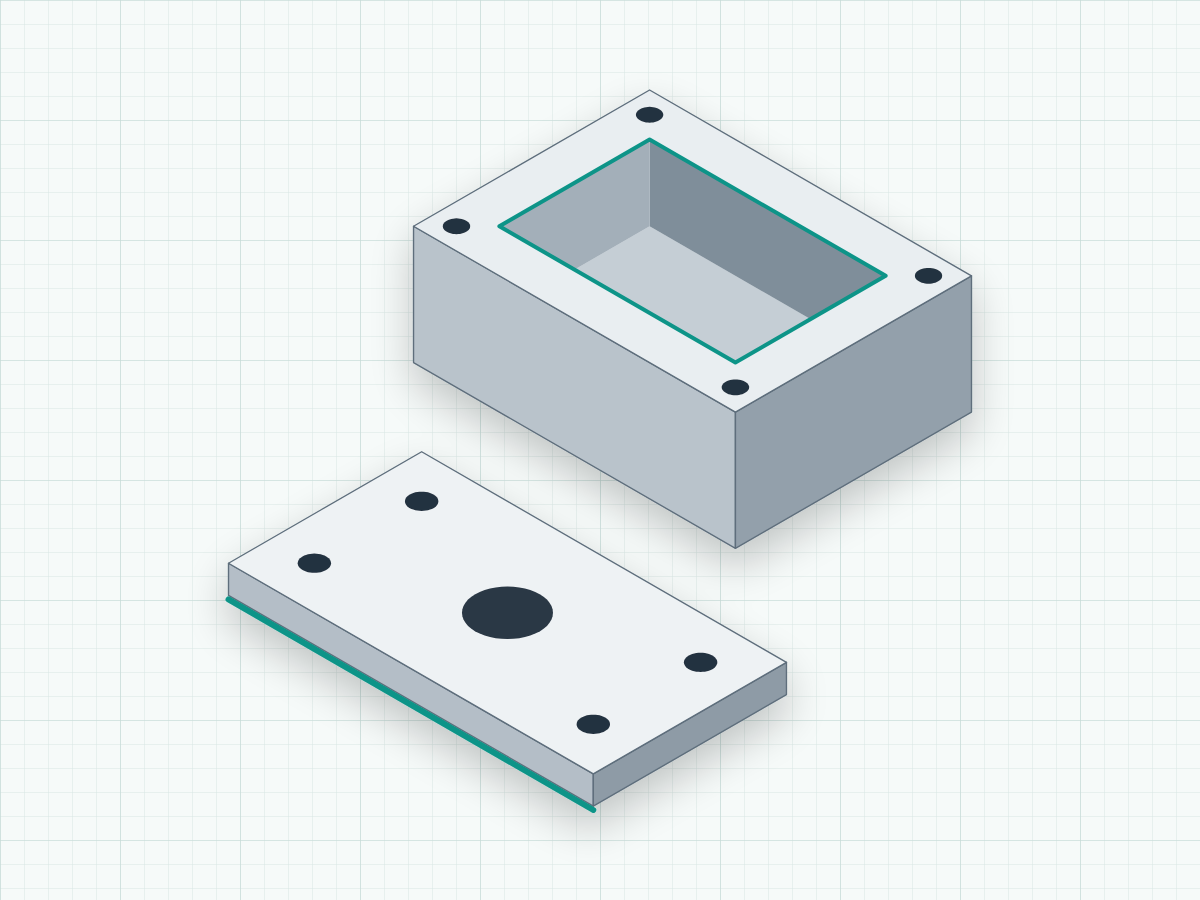
Brushing is low in cost and hides fingerprints. Its limits: it needs flat or simply curved faces, adds no protection and must be planned for direction.
| Consideration | Recommendation | Why |
|---|---|---|
| Grain direction | Mark it on the drawing | It must match across faces and parts |
| Geometry | Flat or simply curved brushed faces | Pockets and steps block the abrasive |
| Tight tolerances | Keep critical fits off brushed faces | Brushing removes a few micrometers |
| Protection | Anodize aluminum; lacquer brass | Brushing adds no coating |
| Matching parts | One grit and an approved sample | Sheen varies with grit and pressure |
| Drawing callout | "Brush #120, linear, direction as shown" | One line gives us all we need |
Brushed Finish Compared with Related Finishes
Brushing is often combined with these finishes, or replaced by them, and all of them are done in our own factory.
Anodizing
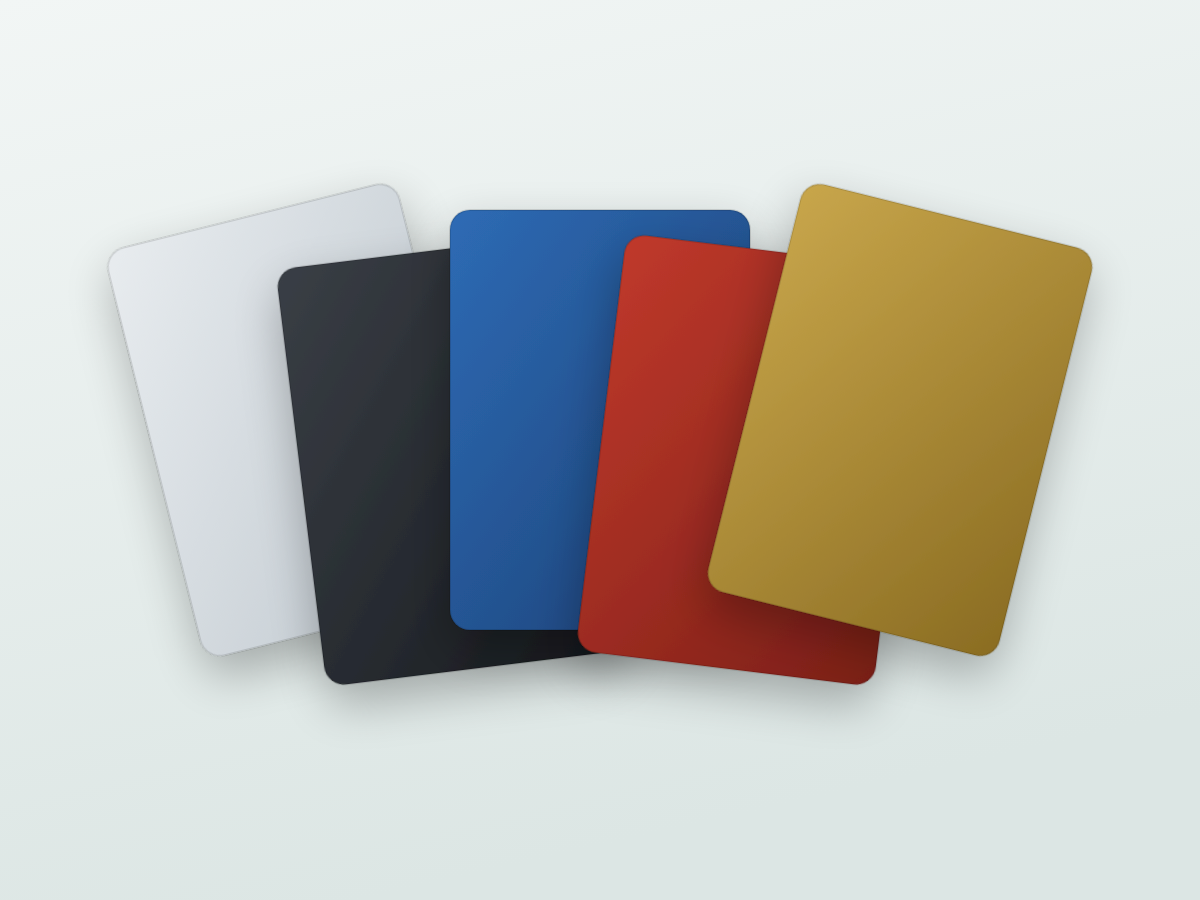
Clear or colored anodizing over a brushed grain protects aluminum against corrosion and wear while the satin texture stays visible: the classic finish of premium electronic housings.
- With brushing
- Applied after brushing
- Thickness
- 5–25 µm Type II
Polishing
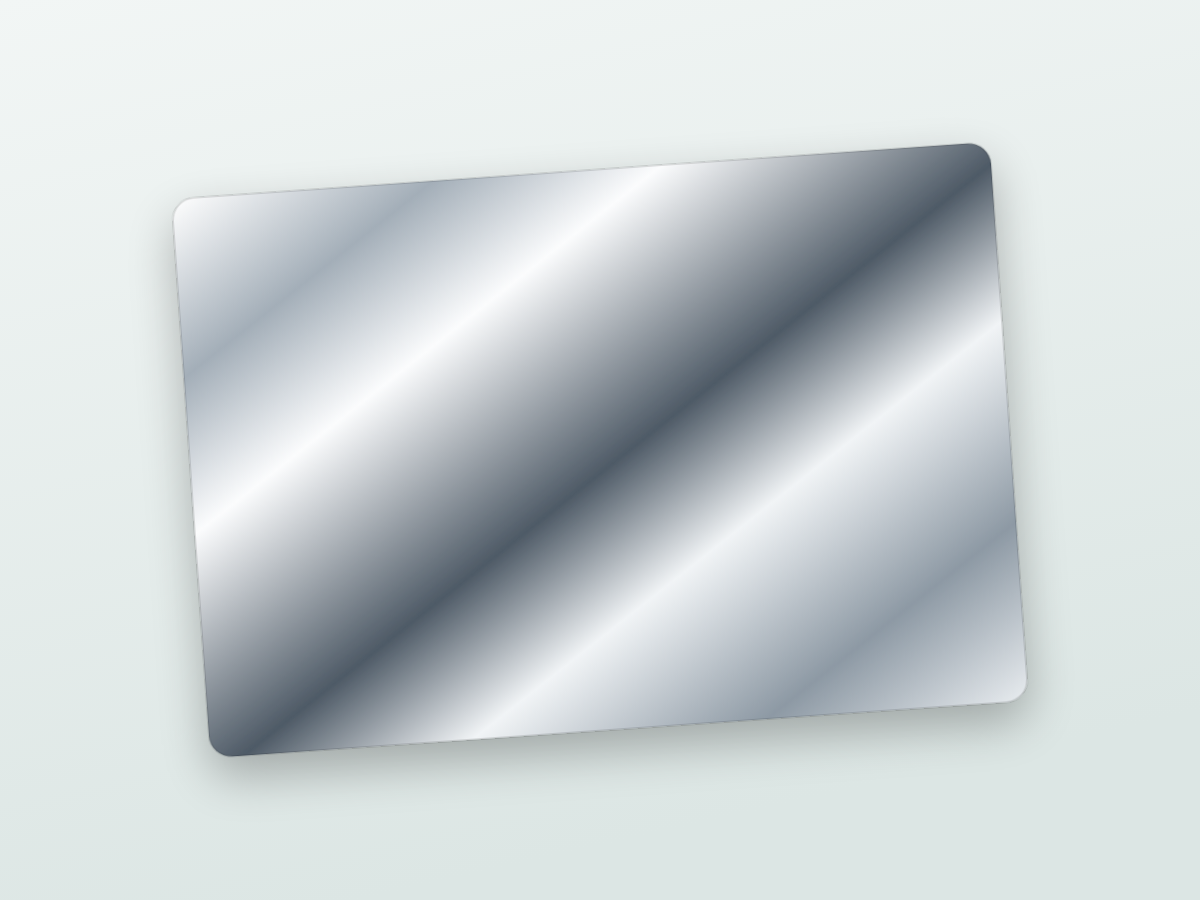
Polishing removes the grain entirely for a bright or mirror surface. It shows fingerprints and scratches more than brushing, so it suits decorative rather than handled faces.
- Look
- Bright to mirror gloss
- Fingerprints
- More visible
Alodine
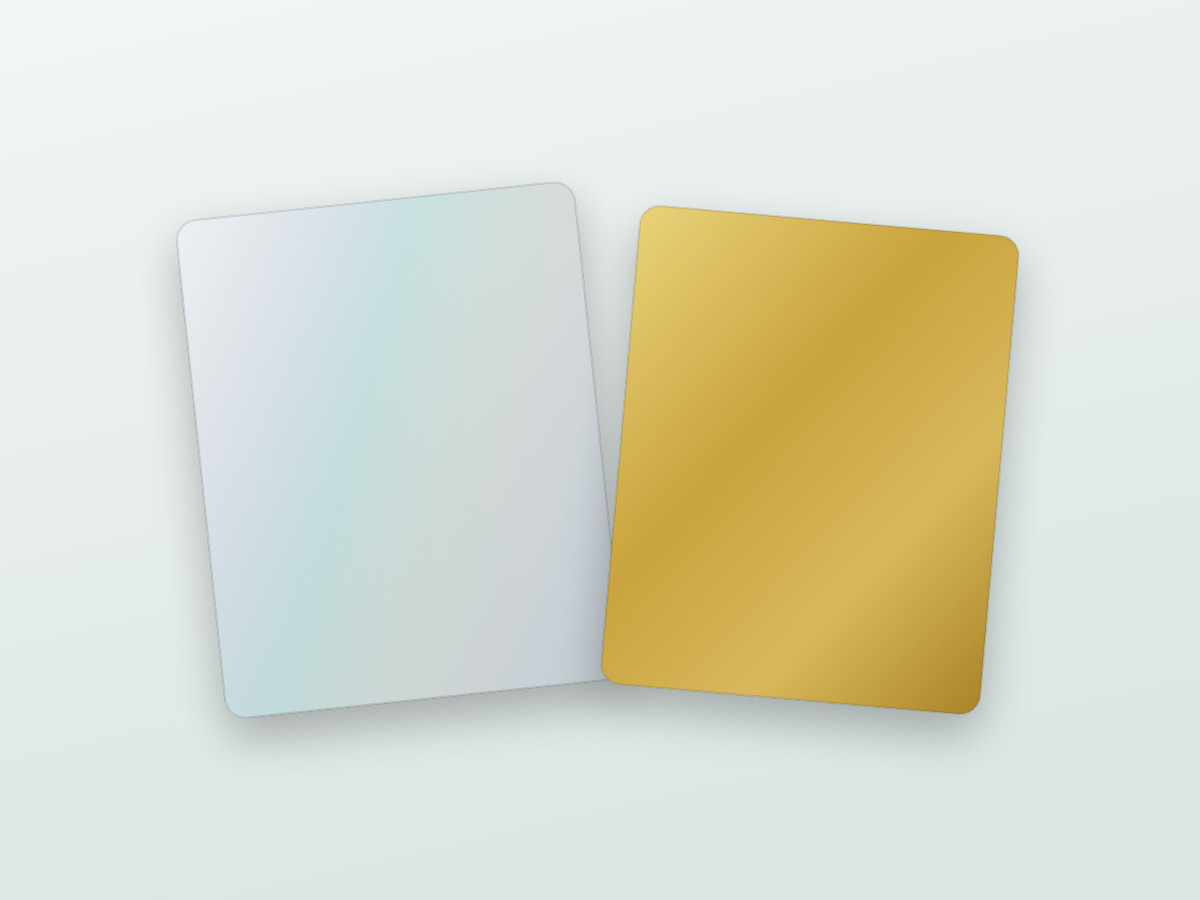
A thin, conductive chromate film protects brushed aluminum where anodizing would insulate, such as enclosure grounding faces, and the brushed grain stays fully visible under it.
- With brushing
- Applied after brushing
- Conductive
- Yes
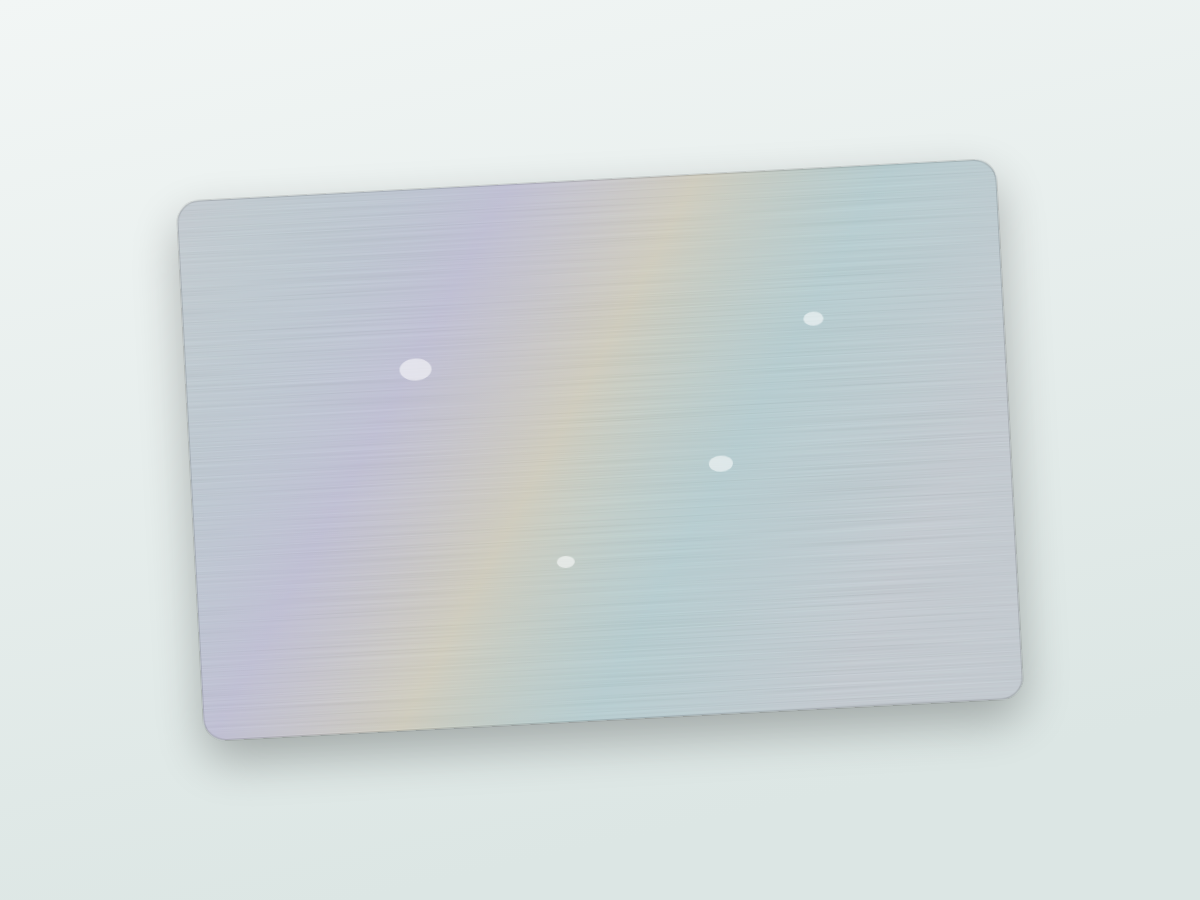
Passivation
Passivating brushed stainless steel removes iron the abrasive may leave in the surface and restores its protective oxide film, without changing the grain, the color or the dimensions.
- With brushing
- Applied after brushing
- Materials
- Stainless steel
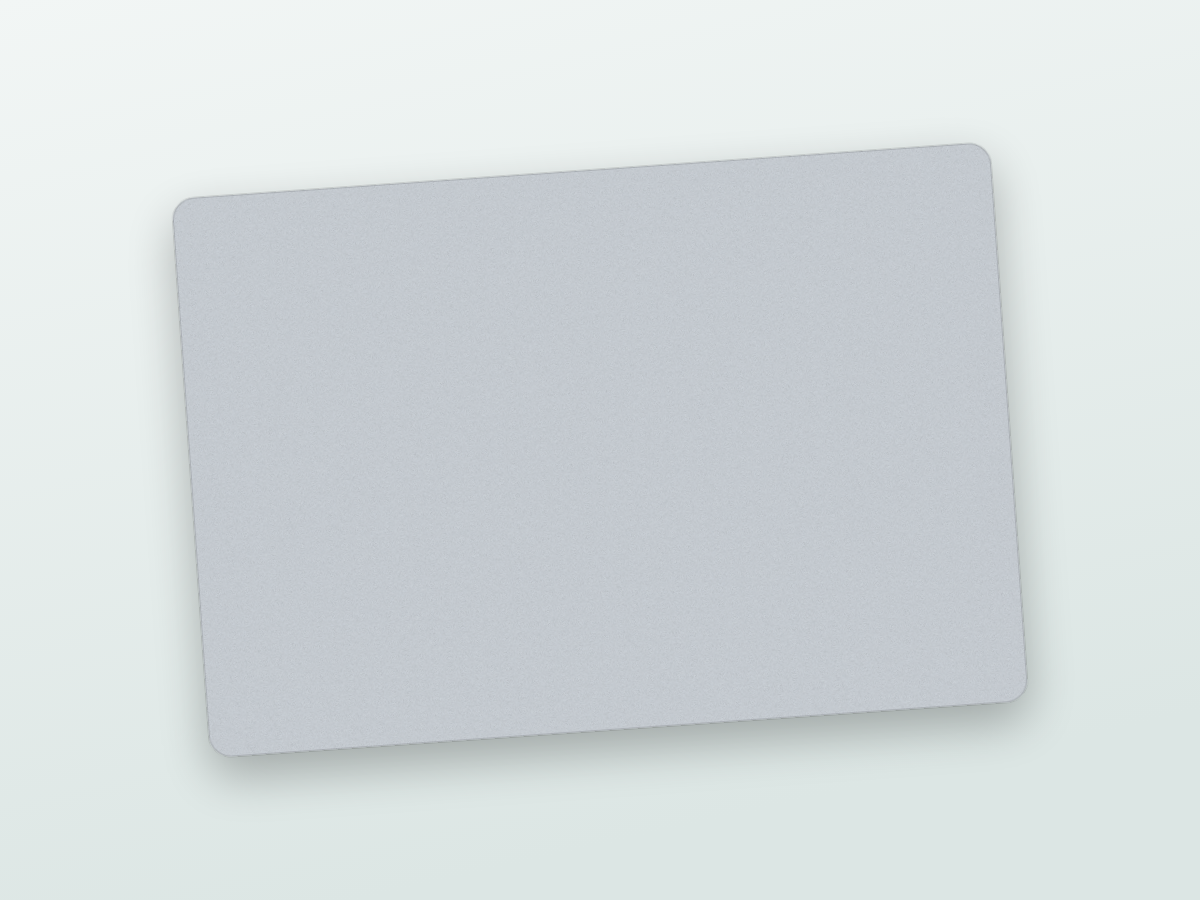
Sand Blasting
Where pockets, ribs or steps rule out an even grain, blasting gives those faces a uniform matte texture instead, while the main visible faces stay brushed.
- With brushing
- On faces that cannot be brushed
- Look
- Uniform matte, no grain
Ask for combined finishes in one request: we plan the order of brushing, blasting, coating and masking, so every finish on the part is done in one place.
Brushed Finish FAQs
What is the difference between brushed and satin finishes?
Both are low-gloss finishes. A brushed finish has a visible directional grain, linear or circular, cut by abrasive belts or pads. A satin finish is smoother and more uniform, with a soft sheen and little visible grain. Fine brushing with #180 to #220 grit comes close to satin.
Why choose a brushed finish?
It gives metal parts a premium, consistent appearance at low cost, cuts glare and hides fingerprints, light scratches and small machining marks. It is also a good base for anodizing or a clear coat, which protect the surface and keep the grain visible.
How is stainless steel brushed?
In one direction with an abrasive belt or pad, starting coarser to remove marks and finishing with the grit that sets the grain, such as #120 or #180. Even pressure and overlapping strokes keep it uniform; passivation afterwards removes embedded iron.
Is brushing suitable for large production runs?
Yes, for flat and simple parts: panels can be brushed by machine for a consistent grain, while parts with steps or bosses need hand work. For large runs we agree a sample as the reference and check the grain and sheen against it.
Does brushing change part dimensions?
Only slightly. Brushing removes a few micrometers and softens sharp edges a little, which does not matter on most panels, covers and trims. Keep precision fits and sealing faces off the brushed faces, or tell us which dimensions apply after finishing.
Can complex parts be brushed?
Faces with pockets, ribs, small radii or steps are hard to brush evenly, because the abrasive cannot reach every corner in one direction. Brush the main visible faces and bead-blast the rest, or keep the cosmetic face flat in the design.
How do I specify a brushed finish?
Give the grit, grain type and direction, for example "Brush #120, linear, parallel to the long edge", mark the faces to be brushed and add any follow-on finish, such as clear anodizing. If appearance is critical, send a sample to match.
Does a brushed part need a protective finish?
That depends on the metal. Stainless steel stays as it is, usually after passivation. Aluminum is normally anodized, or alodined where it must stay conductive. Brass, copper and carbon steel tarnish or rust without a clear lacquer, plating or another coating.
How do I get a quote for brushed parts?
Send a STEP or IGES model and a PDF drawing with the material, quantity, grit and grain direction. An engineer reviews every request and quotes within 24 hours, simple parts often in 2–4 hours, with free DFM feedback and no minimum order quantity.
Get a Quote for Brushed Parts
Send us your models and drawings with the brushing callout. We make and brush the parts in our own factory, and our engineers reply with a detailed quote within 24 hours.

Jane
BOHUI PROTOTYPES LIMITED
Tell me the material, the quantity, the grit and the grain direction you need, and point out the visible faces.
You can send your request first and add files later by email or WhatsApp. For confidential designs, contact me before sharing your files.
Jane
BOHUI PROTOTYPES LIMITED
- Address: Xiaobian Street, Chang'an Town, Dongguan City, Guangdong Province, China
Request a Quote
Fields marked are required.