Sand Blasting Services for Metal and Plastic Parts
A clean, uniform matte surface that hides tool marks and gives anodizing, powder coating and paint a firm grip.
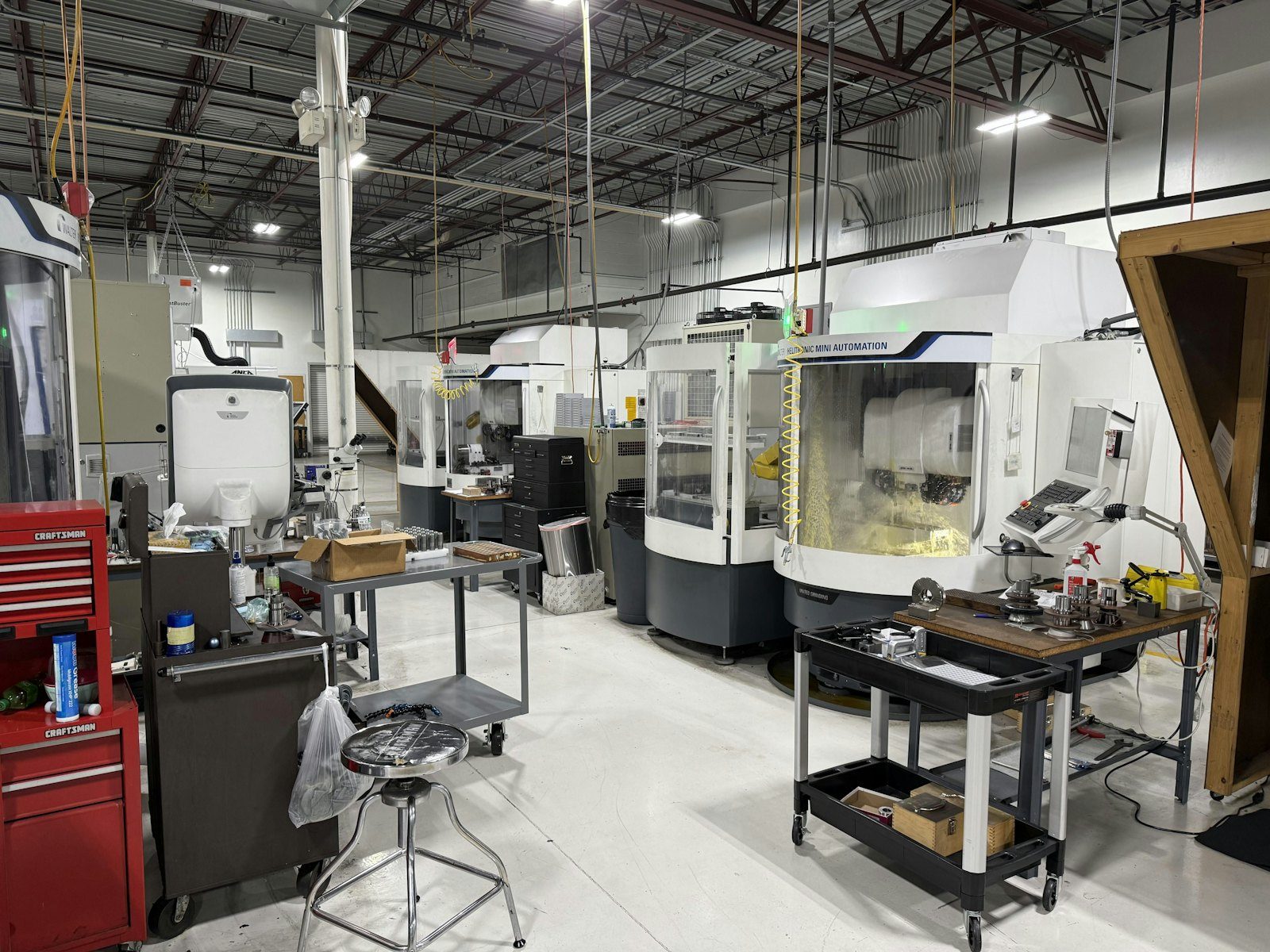
We sand blast CNC machined, sheet metal and 3D printed parts in our own factory in Dongguan: aluminum, steel, stainless steel, brass, copper and titanium, and plastic parts with soft media, in grit sizes from #120 to #220. Every quote is reviewed by an engineer within 24 hours, simple parts often in 2–4 hours, and there is no minimum order quantity.
What Is Sand Blasting?
Sand blasting, also called abrasive or media blasting, propels abrasive particles at a surface with compressed air. Each impact removes a little material and leaves a tiny crater, so the blast cleans off rust, mill scale, laser-cut oxide and old coatings and replaces machining marks with a uniform, non-directional matte texture.
The result depends on the media and the grit size. Hard, angular media such as aluminum oxide and steel grit cut fast and roughen the surface for coatings; round glass beads peen it and leave a softer satin; plastic and organic media clean soft materials without damaging them. Grit sizes from #120 (coarser) to #220 (finer) set how rough and how bright the matte looks.
Blasting is fast and economical and removes contaminants more thoroughly than manual cleaning. The roughened surface helps paint, powder, adhesives and anodizing hold better, and it is a finish of its own: bead-blasted, anodized aluminum is the familiar matte look of many electronic devices.
Sand Blasting Specifications
These are typical values for planning; all blasting is done in our own factory. Put the media, the grit size and the blasted areas on your drawing, or send a sample of the matte you want, and we confirm them in your quote.
| Property | Specification | Notes |
|---|---|---|
| Materials | Aluminum, steel, stainless steel, brass, copper, titanium | Plastics and printed parts with soft media |
| Media | Aluminum oxide, glass bead, steel grit, silica sand | Plastic bead, walnut shell and baking soda for delicate parts |
| Grit size | #120, #150, #180, #200, #220 | #120 (medium-coarse) unless specified; each finer grade gives a smoother matte |
| Appearance | Uniform, non-directional matte | Hides tool marks and light scratches |
| Material removal | Very small on most features | Thin walls and sharp edges need care |
| Steel grit hardness | 40–65 HRC | For heavy rust, scale and coating removal |
| Follow-on finishes | Anodizing, powder coating, painting, plating | Blasting improves adhesion and evens the color |
| Masking | Threads, bores, sealing and datum faces | Mark them on the drawing |
Advantages of Sand Blasting
Blasting cleans, prepares and finishes a surface in one step, which is why it comes before most coatings and is chosen on its own for an even matte. The points to plan for are in the design considerations further down.
Abrasive media strip rust, mill scale, laser-cut oxide, weld discoloration and old paint efficiently, down to clean metal, including on welded frames and heat-treated parts where hand cleaning leaves residue behind.
The fine, even roughness gives paint, powder coating, E-coating, adhesives and anodizing a firm mechanical grip, so coatings bond better and corrosion cannot creep under them as easily.
The process suits all the metals we machine and fabricate, plastics and printed parts with soft media, and in general use also wood, glass and concrete: only the media and the pressure change.
A blast cabinet treats every exposed face of a part in minutes, far faster than sanding or wire brushing, and gives the same result on the first and the last part, which keeps blasting precise and cost-effective.
Aluminum oxide, glass bead and steel grit are inert, non-toxic media that are recovered and reused many times. Blasting needs no acids or solvents, so it is an environmentally friendly finishing step.
The blasted surface is clean, smooth to the touch and evenly matte, with a renewed color. It hides tool marks and fingerprints and looks good on its own or under a clear anodized layer.
Blasting Media
The media decides how aggressively the blast cuts and what the surface looks like afterwards. The name comes from silica sand, which we use for general surface cleaning; aluminum oxide, glass bead and steel grit are the common media for precision parts, because they are cleaner, more consistent and safer to work with.
Aluminum Oxide
Sharp, hard and reusable, aluminum oxide is the most versatile blasting medium. It removes oxide, burrs and light rust quickly and leaves a crisp, even matte, the standard preparation before anodizing, painting and powder coating.
- Shape
- Angular
- Best for
- Aluminum, stainless steel, coating preparation
Glass Bead
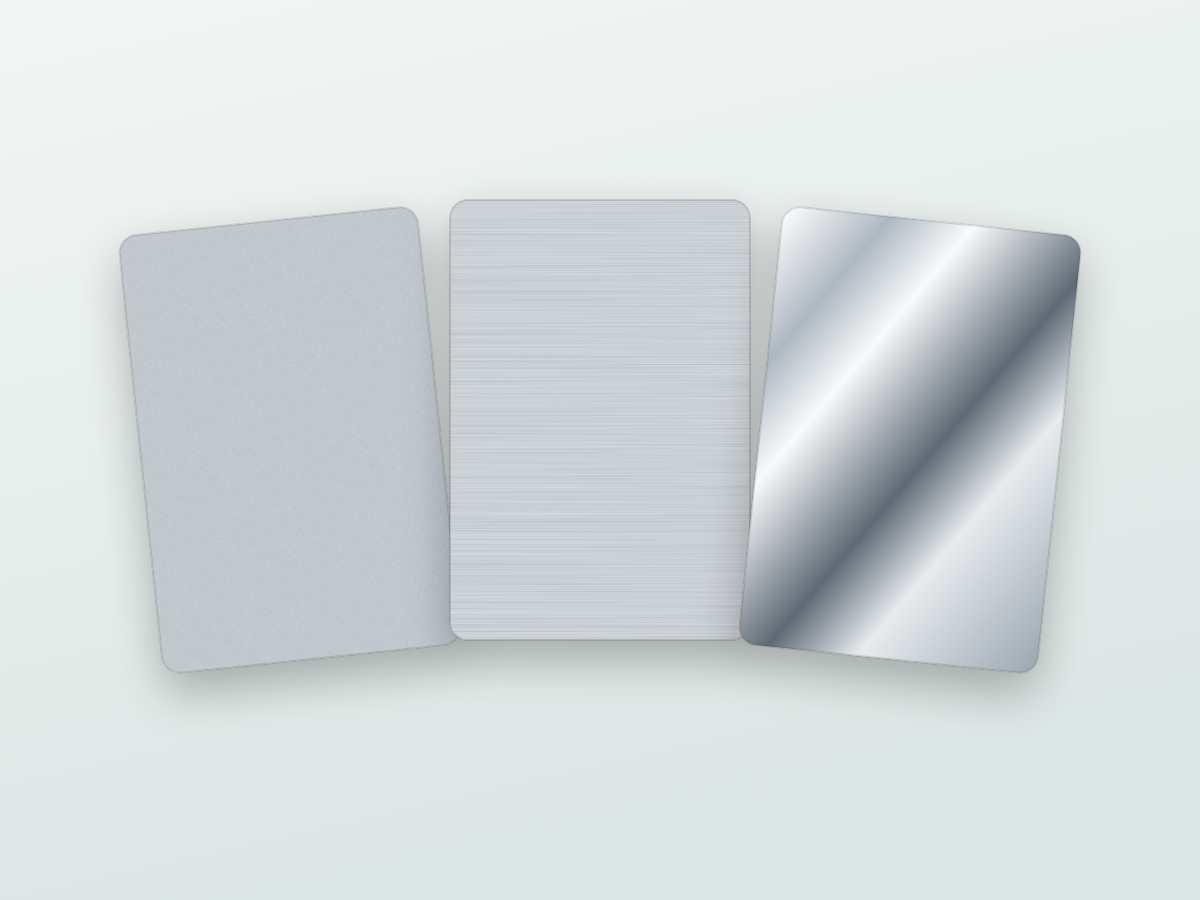
Spherical glass beads peen the surface rather than cut it, removing tool marks with very little material loss. The result is a smooth, bright satin matte, the classic bead-blasted look of anodized enclosures and stainless steel parts.
- Shape
- Spherical
- Best for
- Cosmetic satin finishes, light cleaning
Steel Grit
Hardened steel grit is the most aggressive of the common media. Its angular particles break up heavy rust, scale and old coatings and etch a deep anchor profile into steel before painting or powder coating.
- Hardness
- 40–65 HRC
- Best for
- Steel parts, rust and scale removal
Materials for Sand Blasting
Almost every metal and many plastics can be blasted; what changes is the media, the pressure and what has to follow. Our engineers check the grade and the next finishing step with every quote. Material certificates are available on request.
Metals and plastics
Metals with hard or bead media; plastics and printed parts with soft media at low pressure.
Aluminum
Blasting gives aluminum an even matte that hides tool marks and evens out the color before anodizing. Glass bead gives a satin; aluminum oxide a crisper matte. Thin sheet is blasted at lower pressure to avoid warping.
Usual media
Glass bead, aluminum oxide
Typical parts
Enclosures, housings, heat sinks, consumer electronics parts
Stainless Steel
Bead blasting gives stainless steel a uniform satin matte without any coating. Only clean, non-ferrous media are used, because steel grit would leave iron particles that rust; passivation afterwards restores the protective oxide film.
Usual media
Glass bead, aluminum oxide
Typical parts
Medical and food equipment parts, fittings, brackets
Steel
Steel is blasted mainly to remove rust, mill scale and heat-treatment scale and to create an anchor profile for paint and powder. Bare blasted steel rusts within hours, so it is coated or oiled soon afterwards.
Usual media
Steel grit, aluminum oxide
Typical parts
Frames, brackets, welded assemblies, heat-treated parts
Copper Alloys and Titanium
Brass and copper take a fine, even matte with glass bead. Titanium is blasted for a uniform technical look and as preparation for coating or bonding.
Usual media
Glass bead, fine aluminum oxide
Typical parts
Fittings, decorative hardware, aerospace and medical parts
Plastics and 3D Prints
Plastic bead and other soft media clean and even out plastic and printed parts without deforming them. On SLS nylon, blasting removes residual powder and leaves a uniform matte; on SLA parts it takes off the gloss before painting.
Usual media
Plastic bead, fine glass bead at low pressure
Typical parts
Printed prototypes, housings, display models
Sand Blasting Applications
Sand blasting is chosen to clean a surface before it is coated and to give visible parts a uniform matte that hides tool marks and fingerprints.
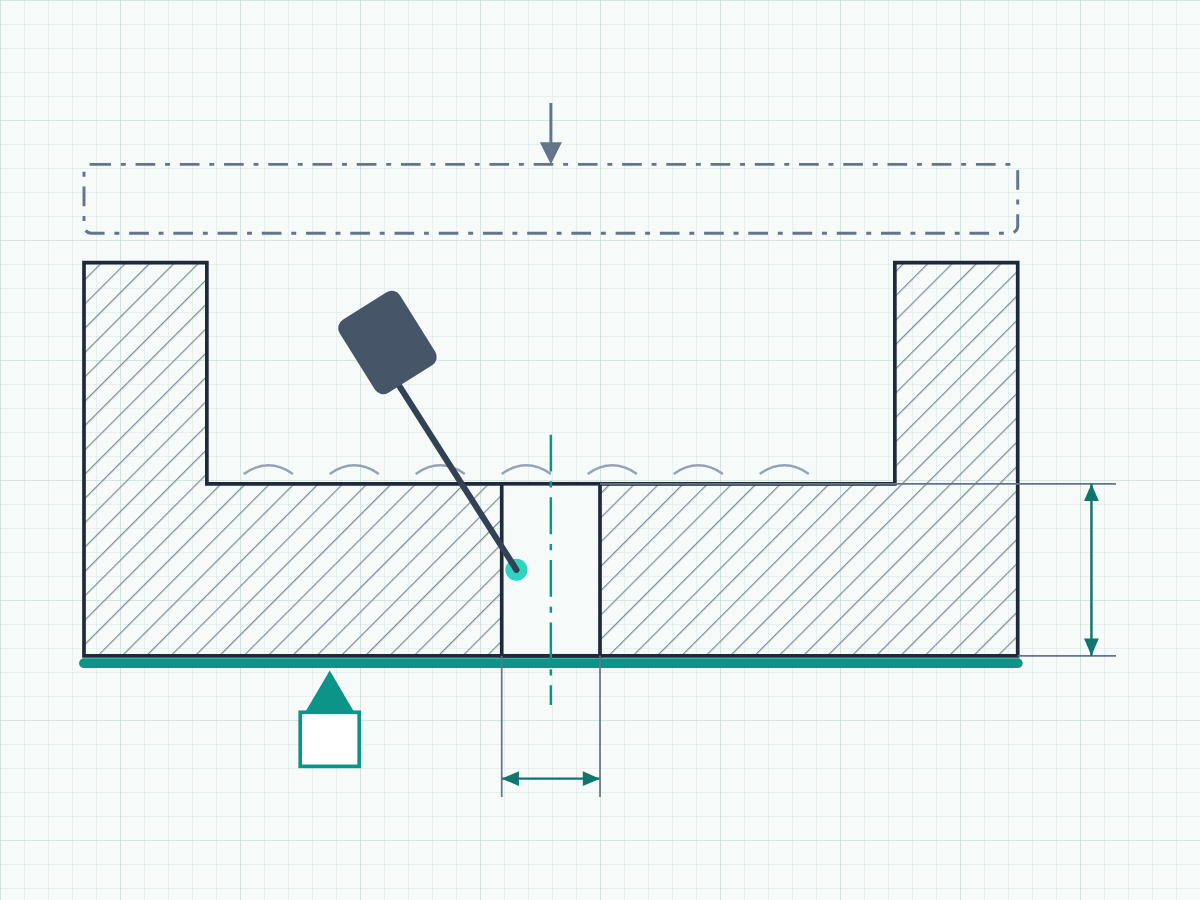
Electronics
Bead-blasted and anodized aluminum is the familiar matte finish of laptops, cameras, audio equipment and control panels: it hides fingerprints and machining marks and gives every housing of a series the same even look.
- Typical parts
- Enclosures, front panels, heat sinks, knobs, device housings
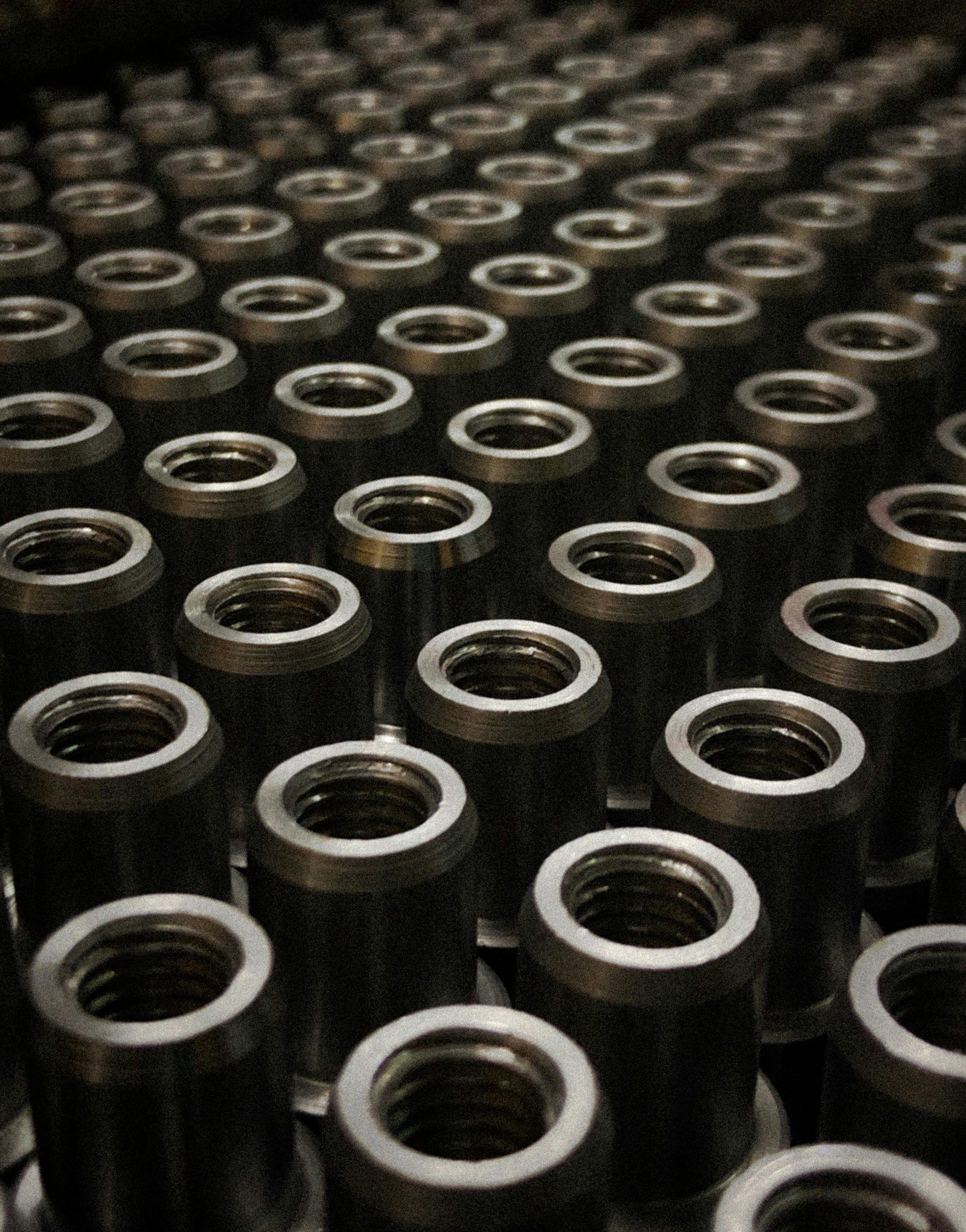
Automotive
Brackets, frames, castings and welded assemblies are blasted to remove scale, rust and weld spatter before painting, powder coating or E-coating, which decides how long the coating protects them against corrosion.
- Typical parts
- Brackets, battery trays, castings, welded frames, test fixtures
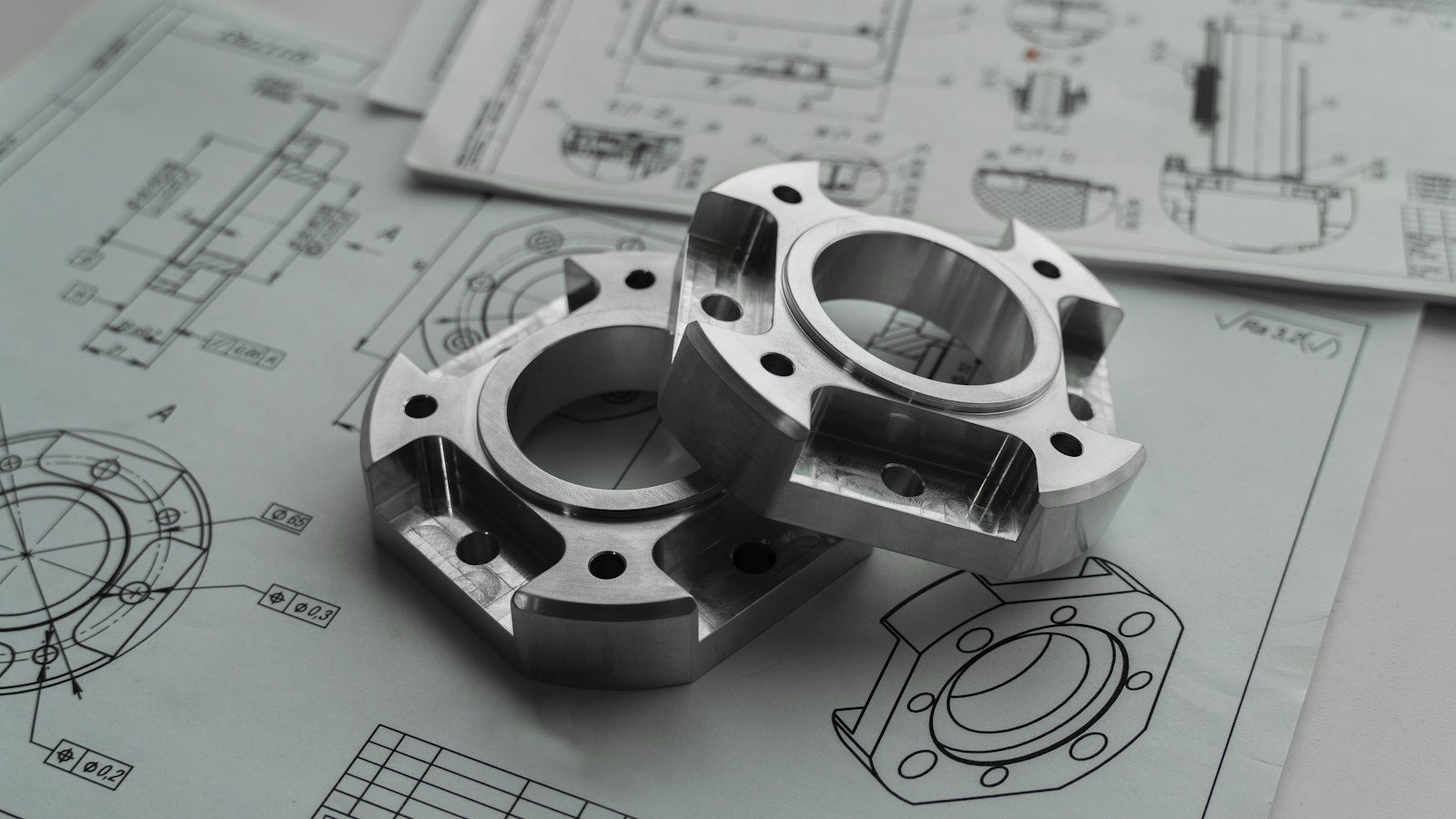
Medical Devices
Instrument handles, device housings and fixtures in stainless steel and titanium receive a uniform, non-glare matte that reduces reflections under bright examination lights and hides the marks of daily handling.
- Typical parts
- Instrument handles, device housings, trays, fixtures
Design Considerations for Sand-Blasted Parts
Blasting is forgiving, but it is not free of side effects on thin, sharp or precise features. These points help you get an even matte without surprises, and our free DFM review flags anything that adds risk before production.
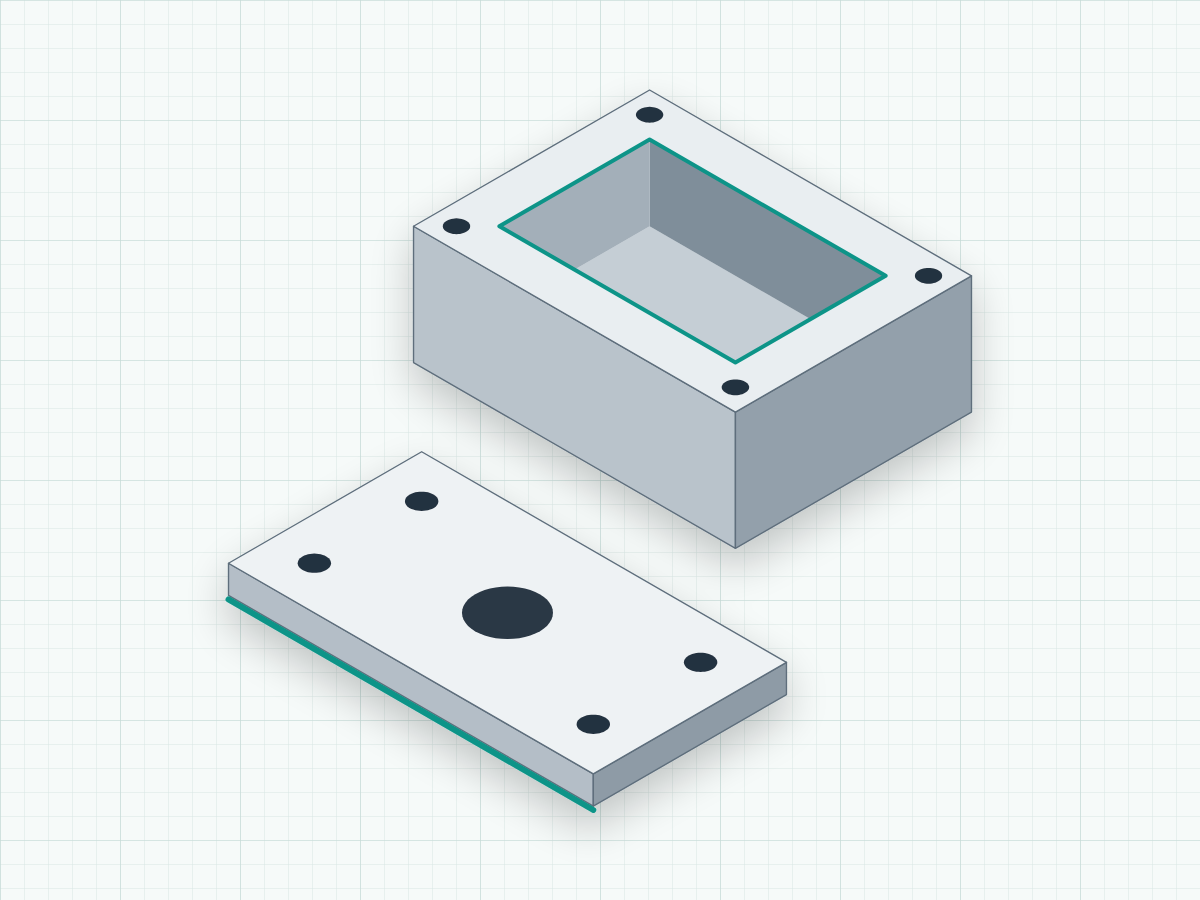
| Consideration | Recommendation | Why |
|---|---|---|
| Thin walls and sheet | Lower pressure; state flatness if it matters | Impacts stretch thin metal and can warp it |
| Masking | Mark threads, bores, sealing and datum faces | Blasting roughens surfaces and can loosen fits |
| Sharp edges | Accept slight rounding or mask them | Edges wear fastest under the blast |
| Deep holes and recesses | Keep them open and accessible | Media reaches blind and deep areas unevenly |
| Appearance | State the media and grit, or approve a sample | Different media give different shades of matte |
| Stainless steel | Non-ferrous media, then passivation | Iron particles from steel grit cause rust spots |
| Bare steel | Coat or oil soon after blasting | Blasted steel rusts within hours |
| Anodized parts | Blast before anodizing, never after | The blast sets the final texture under the oxide |
Sand Blasting Compared with Related Finishes
Sand blasting is often weighed against, or combined with, these finishes, and we do all of them in our own factory. Each card shows where the other finish fits better and how it works with blasting.
Anodizing
Anodizing builds a hard oxide layer on aluminum that blasting alone cannot give. Blasting first, then anodizing, is the classic combination: an even matte texture under a durable, dyed color.
- With blasting
- Blast first, then anodize
- Colors
- Clear, black and custom colors
Powder Coating
Powder coating covers the blasted surface with a thick, tough color layer. The blast cleans and roughens the metal, so the powder bonds firmly and corrosion cannot creep under it.
- Thickness
- Typically 60–120 µm
- With blasting
- The standard pretreatment
As-Machined Finish
The as-machined finish keeps tool marks visible at Ra 3.2 µm as standard and costs least. Blasting replaces those marks with an even matte when appearance matters, at a small extra cost.
- Roughness
- Ra 3.2 µm standard
- Versus blasting
- Lower cost, visible tool marks
Painting
Wet paint matches RAL and Pantone colors in thin, smooth coats. Blasting before painting removes oxide and old coatings and gives the primer a clean, even grip, especially on steel and on printed parts.
- With blasting
- Pretreatment before primer
- Colors
- RAL, Pantone or your sample
Passivation
Passivation removes free iron from stainless steel and restores its protective film. After bead blasting a stainless part, it is the step that keeps the clean satin matte free of rust spots.
- With blasting
- After bead blasting stainless
- Standard
- ASTM A967 or A380
Blasting is usually one step of a sequence: blast, then anodize, coat, paint or passivate. Tell us the full sequence, so that we plan masking and allowances once.
Sand Blasting FAQs
Which blasting media do you use?
The common media are aluminum oxide for crisp matte finishes and coating preparation, glass bead for smooth satin finishes, and steel grit for heavy rust and scale on steel. Silica sand, which gave the process its name, is used for general surface cleaning, while plastic bead, walnut shell and baking soda are used on plastics and delicate parts. We choose the media from your material, the next finishing step and the look you want.
What is the difference between sand blasting and bead blasting?
Bead blasting is sand blasting with spherical glass beads. Angular media such as aluminum oxide cut into the surface and leave a sharper, slightly rougher matte with a good anchor for coatings. Glass beads peen the surface instead and leave a smoother, brighter satin with less material removal. For cosmetic aluminum and stainless steel parts, bead blasting is the usual choice; for coating preparation, angular media.
Which media is best for removing rust?
Steel grit and aluminum oxide. Both are hard and angular, so they break up rust and scale quickly and leave a clean surface ready for coating. Aluminum oxide suits light to moderate rust, while steel grit handles heavy rust, scale and old coatings on steel. After blasting, bare steel should be painted, powder coated or oiled soon, because the clean surface rusts again within hours.
Can sand blasting warp or damage my parts?
Thin sheet, thin walls and delicate features can warp or deform under high pressure or coarse media, because each impact stretches the surface slightly. We lower the pressure, choose a finer or softer medium, blast from both sides where possible and mask critical areas. If flatness matters, state it on the drawing, and we plan the blasting accordingly.
Can plastic or fiberglass parts be blasted?
Yes, with gentle media such as plastic bead, walnut shell or baking soda at low pressure. These clean and matte the surface without cutting into or deforming the softer material, which hard media like aluminum oxide would do. Blasting is common on 3D printed parts to remove residual powder and even out the surface, and on plastic parts before painting.
How long does sand blasting take?
Blasting itself is quick. Small, simple parts take 30 minutes to a few hours, while large or complex parts and big batches can take up to a full working day, depending on the media, the masking and the surface condition. Blasting is usually combined with another finish, so we confirm the complete schedule, including all finishing steps and shipping, with your quote.
Should a coating be applied after sand blasting?
For steel, yes: blasted steel has no protection and rusts quickly, so it is painted, powder coated or oiled. Aluminum is usually anodized or alodined after blasting, and stainless steel is passivated to restore its protective film. Bead-blasted titanium, brass and stainless steel can also be used bare when appearance and corrosion conditions allow it.
Does sand blasting change part dimensions?
Only slightly. Glass bead removes almost nothing, while angular media remove a few micrometers and round sharp edges a little. That is negligible for most features, but threads, bearing fits, sealing faces and datums should be masked. Mark these areas on the drawing, and state whether dimensions apply before or after blasting.
How do I specify sand blasting on my drawing?
Give the media, the grit size and the surfaces to blast, for example "Bead blast #120, all external surfaces, mask threads". If appearance is critical, send a sample or photo of the matte you want, or ask us to blast a sample part first. Also state the next finish, such as anodizing or powder coating, so that we prepare the surface for it.
Get a Quote for Sand-Blasted Parts
Send us your models and drawings with the media, grit and areas to blast. We make and blast the parts in our own factory, and our engineers reply with a detailed quote and free DFM feedback within 24 hours.

Jane
BOHUI PROTOTYPES LIMITED
Tell me the material, the media or grit, the next finishing step and the quantity, and point out the threads, faces and thin walls that need care.
You can send your request first and add files later by email or WhatsApp. For confidential designs, contact me before sharing your files.
Jane
BOHUI PROTOTYPES LIMITED
- Address: Xiaobian Street, Chang'an Town, Dongguan City, Guangdong Province, China
Request a Quote
Fields marked are required.