Passivation Services
A chemical treatment that removes free iron from stainless steel parts and restores their protective chromium oxide film, without changing their size or appearance.
We passivate CNC machined and sheet metal stainless steel parts to ASTM A967 or A380 in our own factory, from one prototype to production batches with no minimum order quantity. Tell us the grade and any standard your drawing calls out, and an engineer will quote within 24 hours, simple parts often in 2–4 hours.
What Is Passivation?
Stainless steel resists corrosion because of a very thin, invisible chromium oxide film on its surface. Machining, cutting, bending, grinding and handling can embed free iron and other particles in that surface and disturb the film, so a new part can show rust spots even though the alloy itself is stainless.
Passivation is a chemical cleaning in a dilute acid, usually nitric or citric acid, that dissolves free iron and contamination without attacking the steel. Parts are degreased, immersed for a set time and temperature, rinsed thoroughly and dried, and the clean, chromium-rich surface then forms a uniform passive film in air. Unlike plating or painting, nothing is added.
Passivated parts keep their dimensions and their look, and they resist rust spots, staining and discoloration far better in humid, salty or chemical cleaning environments. Passivation does not remove heat tint, scale or deep contamination, and it does not make the surface harder or more wear resistant.
Passivation Specifications
Typical values for the passivation we do in our own factory. Give the standard, method and any verification test on your drawing, and we confirm them in your quote.
| Property | Specification | Notes |
|---|---|---|
| Materials | Stainless steel; copper and brass | Copper alloys receive their own anti-tarnish treatment |
| Appearance | No visible change | The surface stays as machined, brushed or polished |
| Dimensional change | None measurable | No allowance needed on fits or threads |
| Common standards | ASTM A967, ASTM A380, AMS 2700 | Name the method, or let us choose one for the grade |
| Acids | Nitric, nitric with sodium dichromate, citric | Citric for RoHS and medical parts |
| Verification tests | Water immersion, humidity, salt spray, copper sulfate | ASTM A967 tests; state the one your drawing requires |
| Wear resistance | Not increased | Choose a harder finish for sliding parts |
| Before passivation | Clean, scale-free surface | Heat tint and scale are removed first by pickling or electropolishing |
Advantages of Passivation
Passivation adds nothing to the part, yet it decides how well stainless steel resists corrosion in service. These are its advantages, and the one thing it does not do.
Removing free iron lets a uniform chromium oxide film form, so passivated parts are far less susceptible to corrosion in humid, salty or chemical cleaning environments than untreated parts.
The acid bath dissolves embedded iron, machining residue and other surface contaminants, which leaves the part chemically clean, an advantage for medical, food and semiconductor equipment.
Passivated stainless parts keep their look: the treatment prevents discoloration, staining and the small rust spots that free iron from tools and handling would otherwise cause.
The parts are immersed, so the acid reaches bores, threads, pockets and intricate features that a coating or a polishing tool cannot, and every surface of a complex part is treated alike.
Nothing is added and no measurable metal is removed, so fits, threads and the machined, brushed or polished look stay exactly as they were before treatment.
Passivation does not increase the wear resistance or hardness of the surface. For sliding or abrasive contact, choose a harder finish or heat treatment and passivate the stainless parts afterwards.
Passivation Types
Passivation is named after the acid it uses. ASTM A967 and AMS 2700 define several methods of each kind. We run all three baths below in our own factory; if your drawing names none, we choose one that suits the grade.
Nitric Acid Passivation
The traditional method uses dilute nitric acid, an oxidizing acid that dissolves free iron and helps the passive film form. It works on most 300-series grades and is still required by many aerospace and defense specifications.
- Common standards
- ASTM A967 Nitric, AMS 2700 Method 1
- Best for
- 300-series stainless steel
Nitric Acid with Sodium Dichromate
Adding sodium dichromate to the nitric bath reduces the risk of flash attack, a dark etching of the surface, on free-machining and lower-chromium grades. The bath contains hexavalent chromium, so it is used only where a specification requires it.
- Best for
- 303, 416, 420 and 440C
- RoHS
- Avoided for RoHS products
Citric Acid Passivation
Citric acid removes free iron as effectively as nitric acid on most grades, without toxic fumes or hazardous waste. It is safer to handle, gentler on free-machining grades and increasingly the default choice for medical, food and consumer parts.
- Common standards
- ASTM A967 Citric, AMS 2700 Method 2
- Best for
- Most stainless grades, RoHS products
Materials for Passivation
Every stainless grade can be passivated, but the bath and the settings depend on its chromium content and inclusions. Tell us the exact grade, and our engineers choose the method with every quote.
Metals
Material certificates are available on request.
300-Series Stainless Steel
Austenitic grades respond best to passivation, in nitric or citric acid. They are the usual choice for medical, food and marine parts that must stay free of rust spots.
Usual method
Citric or nitric acid
Typical parts
Housings, fittings, shafts, brackets, welded frames
Free-Machining and 400-Series
Sulfur inclusions in free-machining grades and the lower chromium content of martensitic grades make them prone to flash attack. They are passivated in a controlled bath, and martensitic parts after hardening.
Usual method
Citric acid, or nitric acid with sodium dichromate
Typical parts
Screws, pins, valve parts, instrument parts
Precipitation-Hardening Grades
PH stainless steels combine high strength with good corrosion resistance. They are passivated after aging, so that the final surface is the one that goes into service.
Usual method
Nitric or citric acid after aging
Typical parts
Aerospace fittings, shafts, gears, surgical instrument parts
Copper and Brass
Copper alloys receive a different, anti-tarnish passivation that slows discoloration and oxidation while keeping their color, conductivity and solderability.
Usual method
Anti-tarnish passivation after cleaning
Typical parts
Contacts, terminals, fittings, decorative parts
Passivation Applications
Passivation is specified wherever stainless steel parts must stay clean and free of rust, from surgical instruments to vehicle fuel systems.
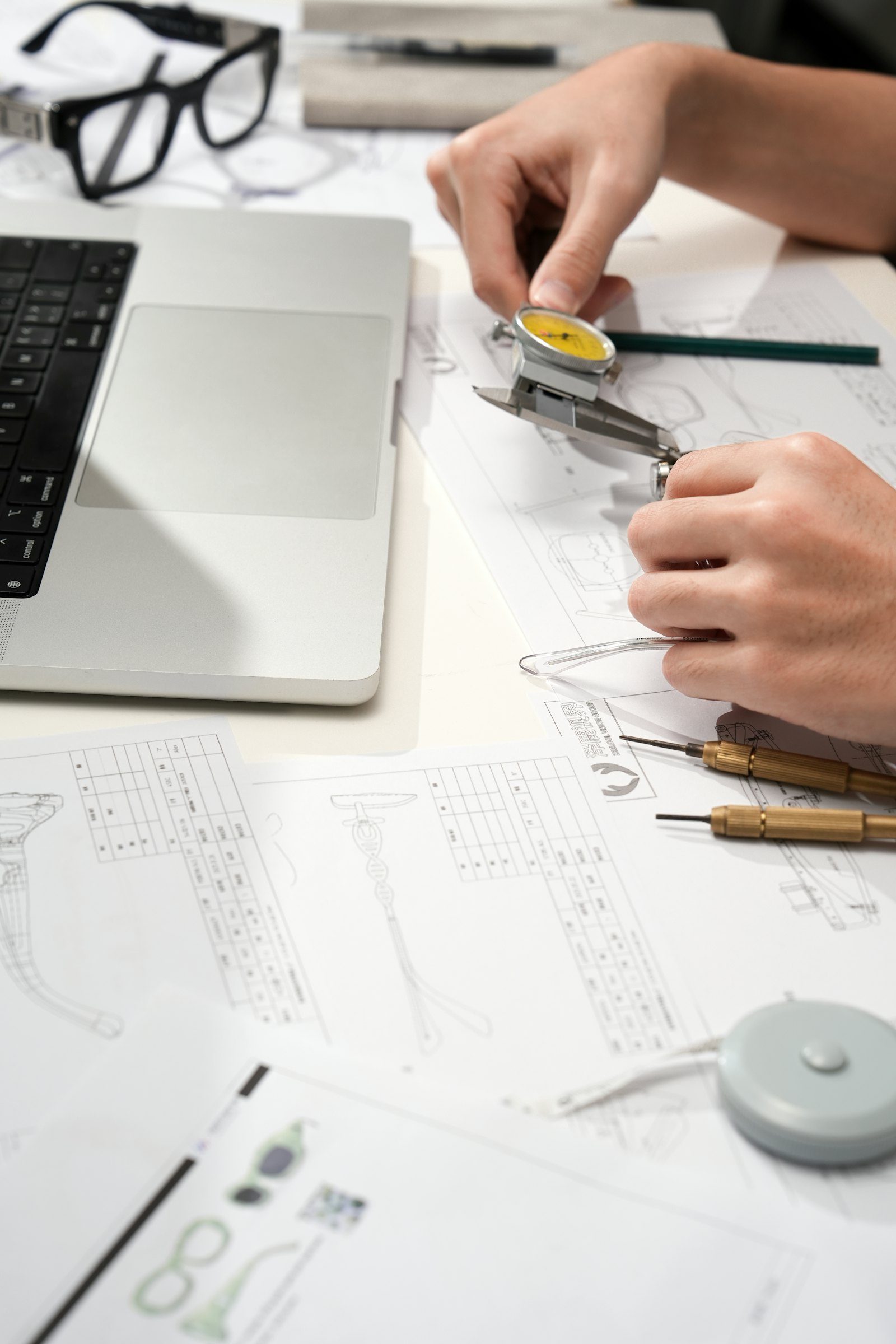
Medical Devices
Surgical instrument parts, device components and hospital equipment are passivated so that they resist corrosion from repeated cleaning and sterilization and leave no free iron on surfaces that touch patients or fluids.
- Typical parts
- Instrument parts, device components, fittings, trays
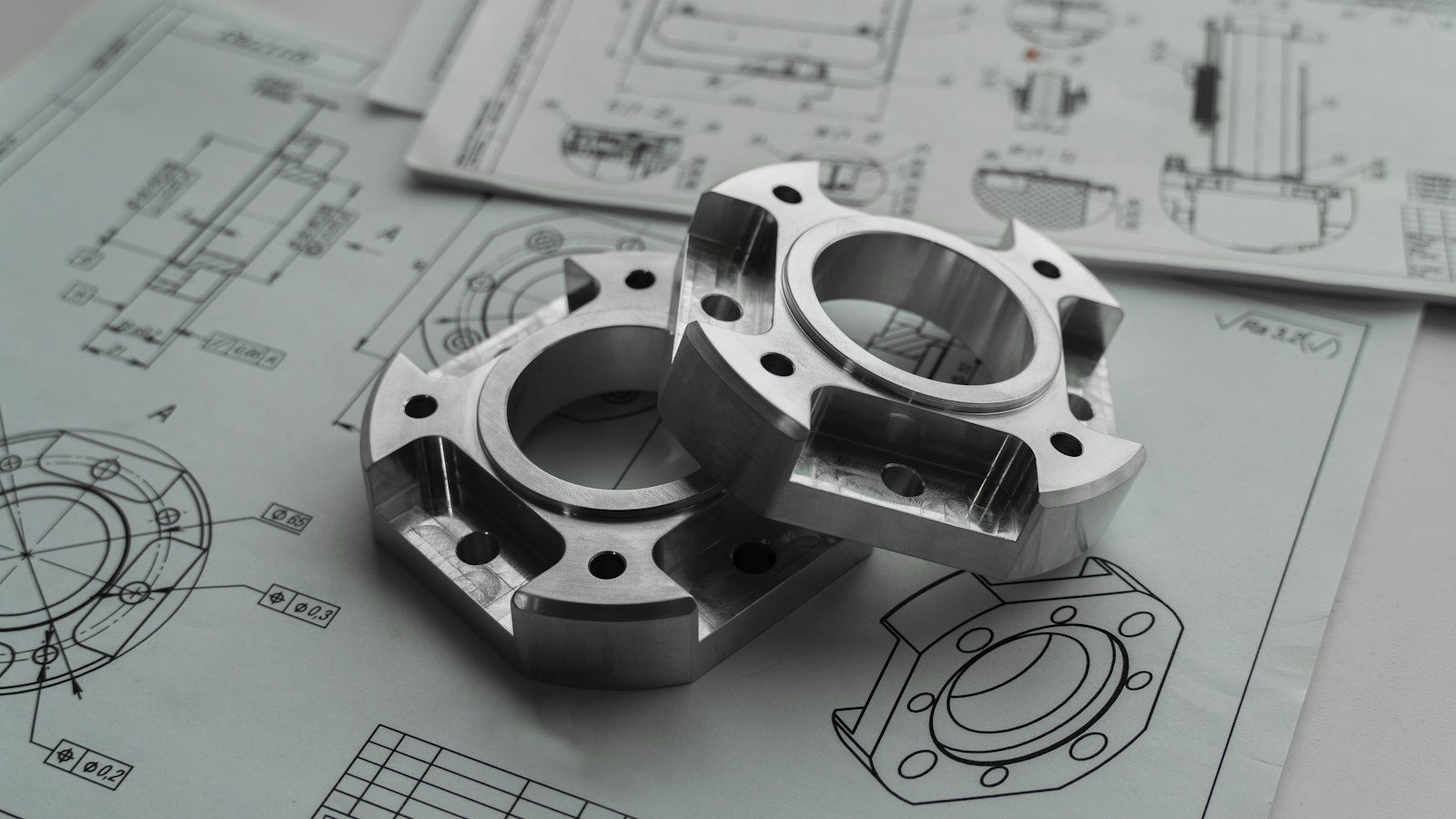
Aerospace
Stainless fasteners, fittings, brackets and hydraulic parts are passivated to AMS 2700 or ASTM A967 to prevent corrosion in humid and salty environments and to keep structural parts sound over long service lives.
- Typical parts
- Fasteners, fittings, brackets, hydraulic parts
Automotive
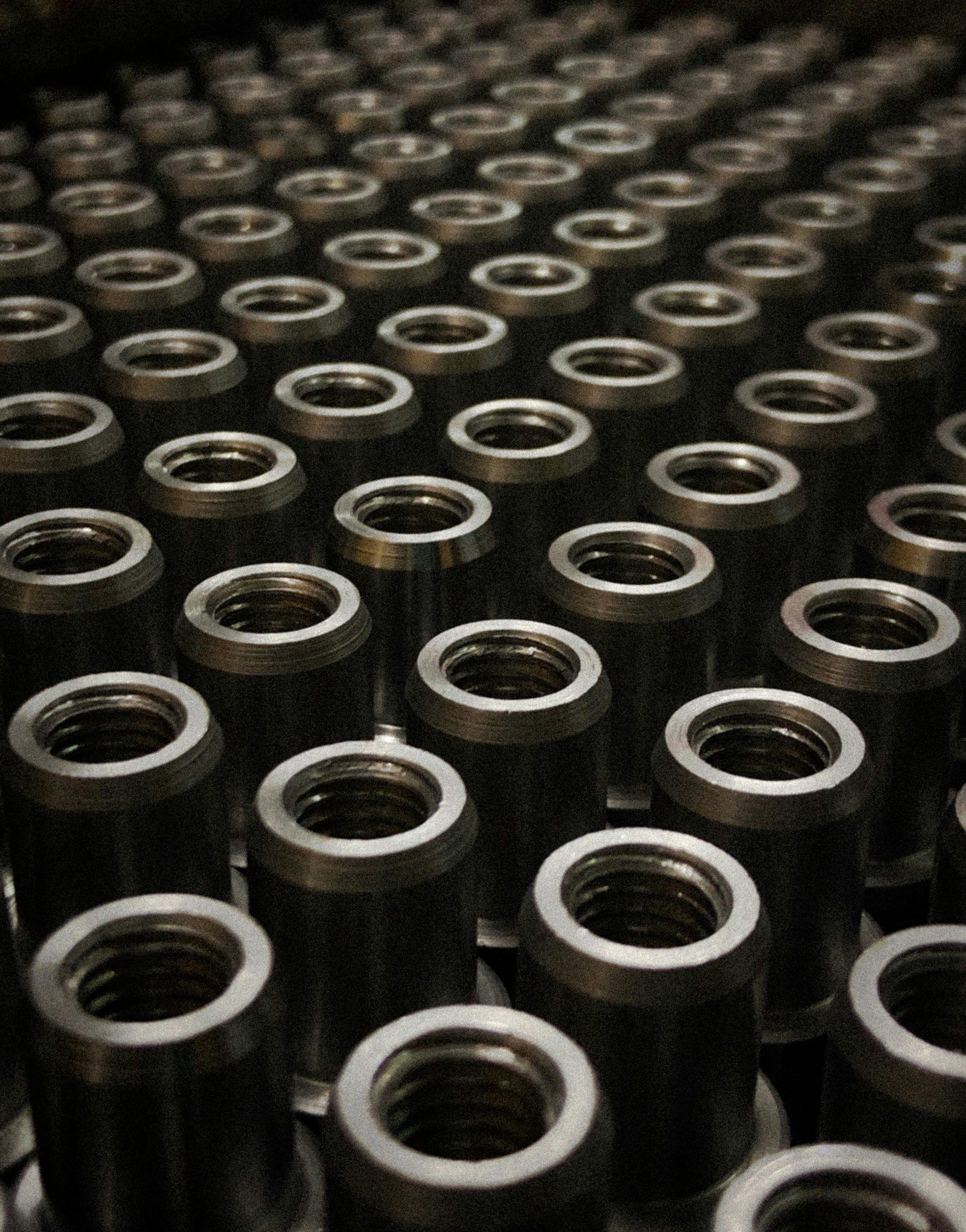
Stainless exhaust parts, fasteners, fuel-line fittings and sensor housings are passivated to resist road salt, moisture and heat, so they stay free of rust staining and keep working reliably under harsh conditions.
- Typical parts
- Exhaust parts, fasteners, fuel fittings, sensor housings
Design Considerations for Passivated Parts
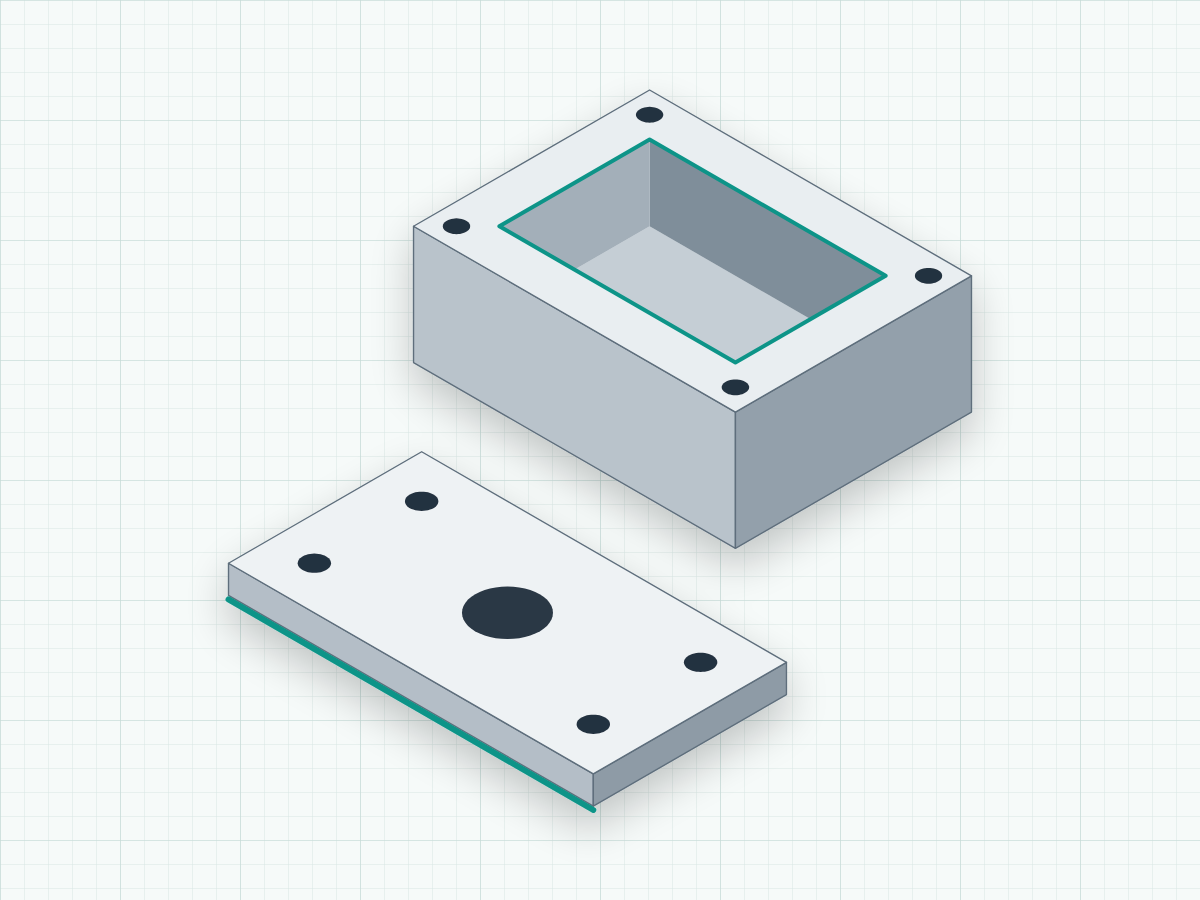
Passivation is simple and low in cost, adds nothing to the part and leaves its look unchanged. Its limits: it does not remove heat tint or scale, does not hide marks and does not add wear resistance. Our free DFM review checks the points below.
| Consideration | Recommendation | Why |
|---|---|---|
| Dimensions and threads | No allowance needed | Nothing is added, and removal is not measurable |
| Material grade | State the exact grade, for example 303 or 316L | The bath and settings depend on the grade |
| Welded parts | Remove heat tint by pickling or electropolishing first | Passivation alone does not remove weld discoloration |
| Heat-treated parts | Passivate after hardening, aging and grinding | The final surface must be the passivated one |
| Crevices and blind holes | Keep them open and drainable | Trapped acid can cause staining and corrosion later |
| Assemblies | Passivate parts before joining other metals | Acid attacks aluminum, carbon steel and bonded joints |
| Verification test | Name the test, for example water immersion or salt spray | Different industries require different tests |
| Drawing callout | "Passivate per ASTM A967, Citric 2" | One line gives us all we need |
Passivation Compared with Related Finishes
Passivation is often chosen together with, or instead of, these finishes, and all of them are done in our own factory. Each card shows where the other one fits better.
Electropolishing
Electropolishing removes a thin layer of metal electrochemically, so it also smooths, brightens and deburrs the surface and removes heat tint. It costs more, but it gives the highest corrosion resistance and cleanability.
- Surface change
- Smoother and brighter
- Choose it for
- Medical, food and welded parts
Black Oxide
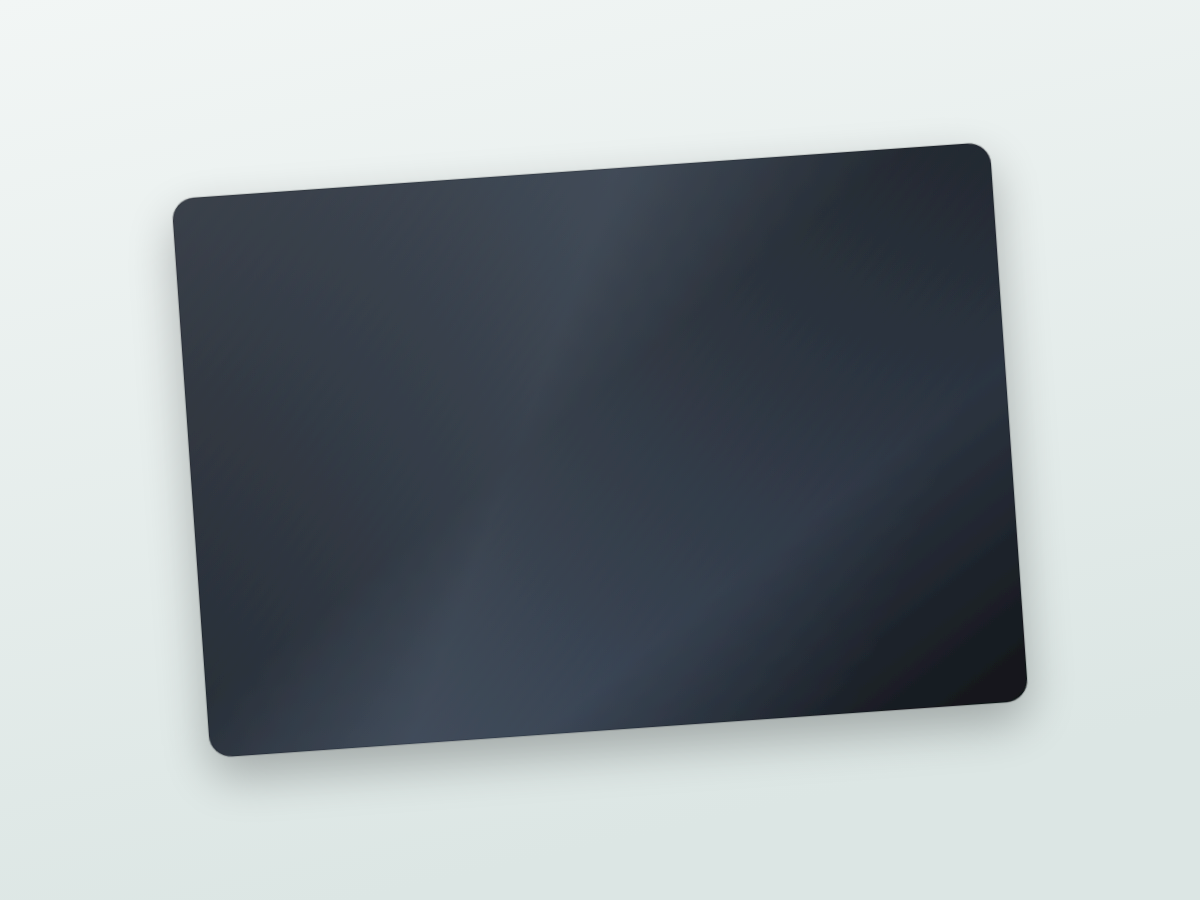
Black oxide turns carbon steel and stainless steel deep black with almost no added thickness. Choose it where parts must be black and low in glare; passivation leaves stainless steel its natural color.
- Appearance
- Deep black
- Materials
- Carbon, alloy and stainless steels
Heat Treatment
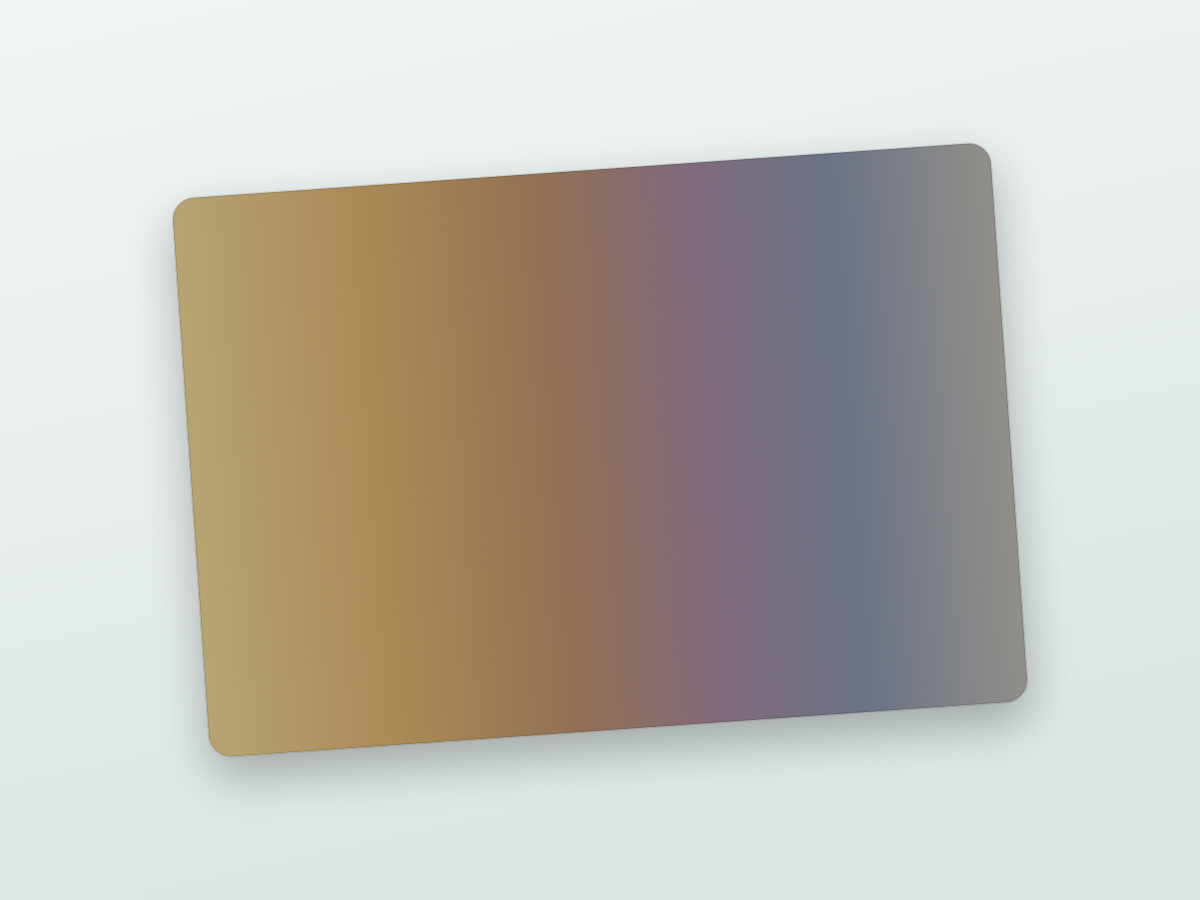
Martensitic and precipitation-hardening stainless steels are hardened or aged before they are passivated. Heat treatment changes the strength of the part; passivation then restores the corrosion resistance of its final surface.
- Sequence
- Heat treat first, passivate last
- Materials
- 420, 440C, 17-4PH and similar
Polishing
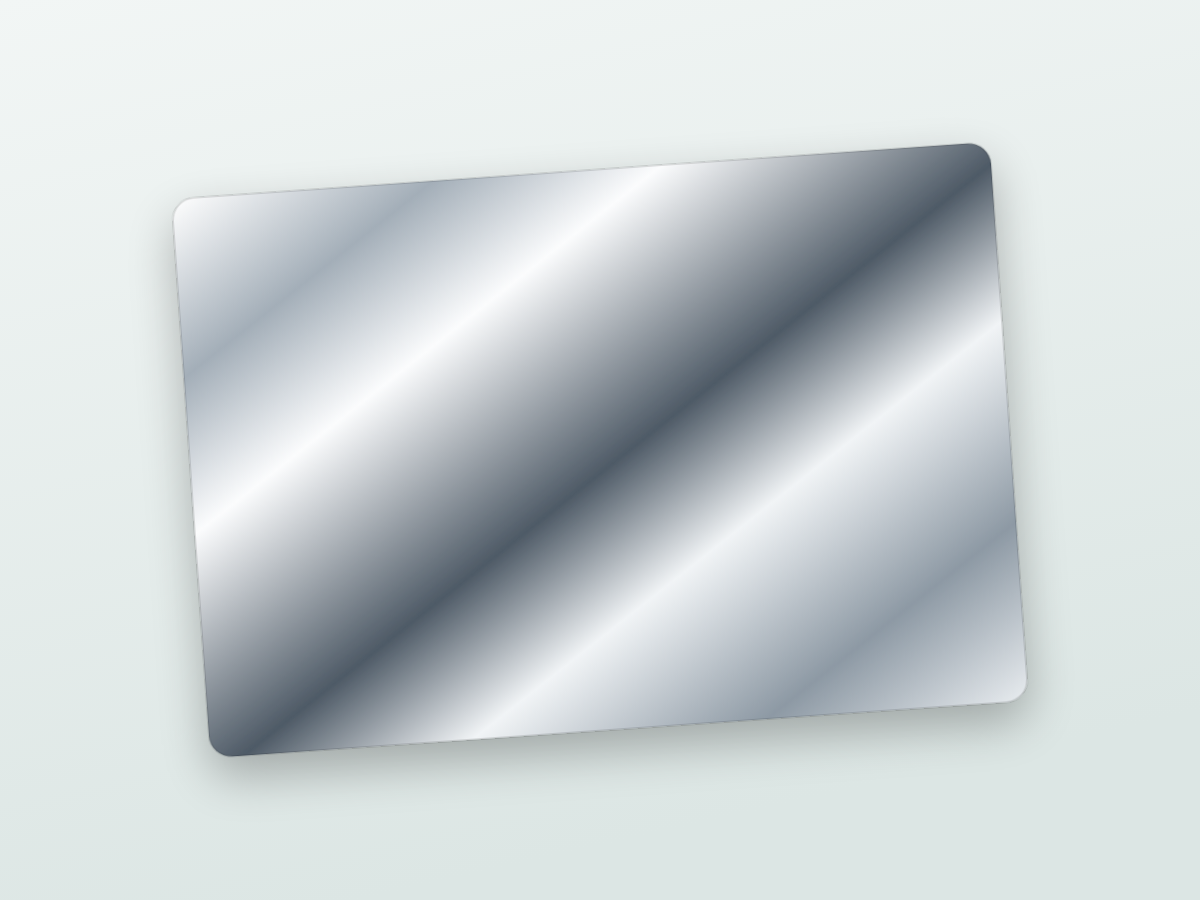
Polishing makes stainless steel smooth and bright but can leave abrasive and iron particles in the surface. Passivating the polished part afterwards removes them, so the mirror finish stays free of rust spots.
- Sequence
- Polish first, passivate last
- Choose it for
- Glossy, decorative or hygienic faces
Brushed Finish
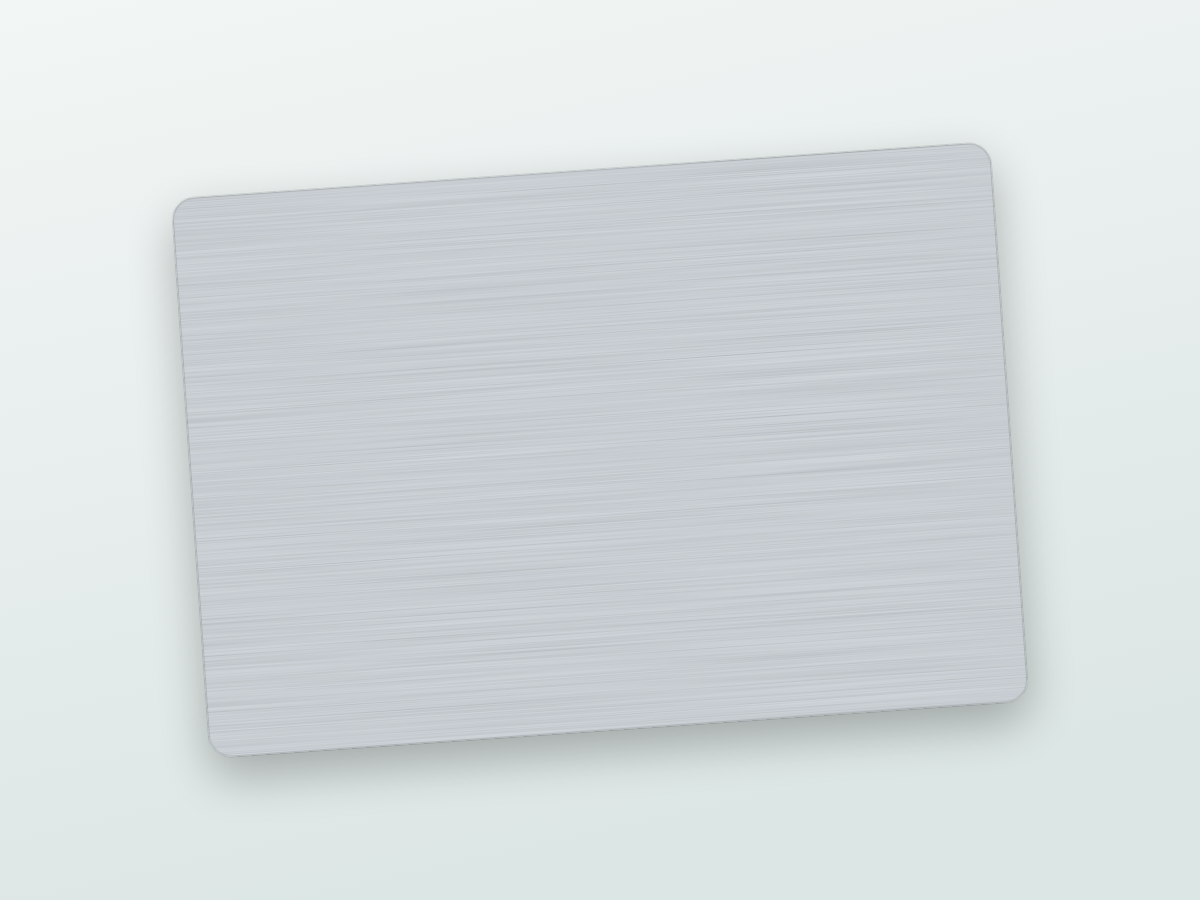
A brushed satin grain hides fingerprints on visible stainless panels. Brushing can embed abrasive and iron particles, so brushed stainless parts are passivated afterwards to keep the grain clean and rust-free.
- Sequence
- Brush first, passivate last
- Appearance
- Linear satin grain
Passivation is usually the last step for stainless steel parts, after machining, welding, heat treatment and any brushing or polishing. Tell us the full sequence, so that we plan every step and run it in our own factory.
Passivation FAQs
What is stainless steel passivation?
Passivation, sometimes mistakenly called passification or passivization, is a chemical treatment that removes free iron and other contamination from the surface of stainless steel with a dilute nitric or citric acid. The clean, chromium-rich surface then forms a thin, transparent and uniform passive oxide film, which protects the part from rust spots and corrosion in service.
Does stainless steel passivate naturally?
Yes. Stainless steel forms a passive film by itself whenever its clean surface meets oxygen in the air. The problem is the free iron and particles left by machining, cutting and handling: they stay embedded, interrupt the film and rust. Chemical passivation removes them and lets a uniform film form quickly and reliably, which natural exposure cannot guarantee.
How is passivation different from electropolishing and pickling?
Passivation removes free iron and contamination without removing measurable metal, so the surface texture stays as it is. Pickling, usually with nitric and hydrofluoric acid, removes heat tint and scale by dissolving a surface layer, and electropickling does the same with current. Electropolishing removes a thin layer electrochemically and also smooths and brightens the surface. Pickled or electropolished parts are passive afterwards too.
How can I verify that parts are properly passivated?
ASTM A967 lists tests that detect free iron: water immersion, high humidity, salt spray and copper sulfate tests, and ASTM A380 adds the ferroxyl test, which turns blue where iron is present. A passivated part shows no rust or blue spots after the test. Name the test your drawing requires, and whether it is done on parts or test pieces.
Should I choose nitric or citric acid passivation?
Both remove free iron effectively from most grades. Nitric acid is the traditional choice and is still required by many aerospace and defense specifications. Citric acid is safer to handle, produces no toxic fumes, is gentler on free-machining grades and suits RoHS, medical and food parts. If your drawing names no method, we choose the one that suits the grade.
Why do passivated parts sometimes still rust?
Usually because something passivation cannot remove is still on the surface, such as heat tint, scale, embedded steel from tools or deep contamination. Free-machining grades can also suffer flash attack in the wrong bath, and parts can pick up new iron from steel tools, brushes or packing after treatment. Clean handling, the right method and removing heat tint first prevent it.
How do I specify passivation on my drawing?
State the standard, the method and any verification test, for example "Passivate per ASTM A967, Citric 2, water immersion test". Give the exact material grade, mark any surfaces that must not be treated and say whether parts are welded or heat treated. Without a specification, tell us what the part needs, and our engineers will suggest a callout.
How are passivated parts inspected?
Parts are checked for a clean, uniform surface without stains, rust spots or etching, and against the dimensions on your drawing, with the verification test run where the drawing specifies it. We provide COC, COA and COT documents, and a CMM report free of charge for the dimensions you specify. If a part is wrong because of a manufacturing error on our side, we remake it free of charge.
How do I get a quote for passivated parts?
Send a STEP, STP or IGES model and a PDF drawing with the grade, quantity and passivation callout. An engineer reviews every request and quotes within 24 hours, simple parts often in 2–4 hours, with free DFM feedback. There is no minimum order quantity, so single prototypes are as welcome as production batches.
Get a Quote for Passivated Parts
Send us your models and drawings with the stainless grade and the passivation callout. We make and passivate the parts in our own factory, and our engineers reply with a detailed quote and free DFM feedback within 24 hours.

Jane
BOHUI PROTOTYPES LIMITED
Tell me the grade, the standard and any verification test you need, and point out whether the parts are welded or heat treated.
You can send your request first and add files later by email or WhatsApp. For confidential designs, contact me before sharing your files.
Jane
BOHUI PROTOTYPES LIMITED
- Address: Xiaobian Street, Chang'an Town, Dongguan City, Guangdong Province, China
Request a Quote
Fields marked are required.