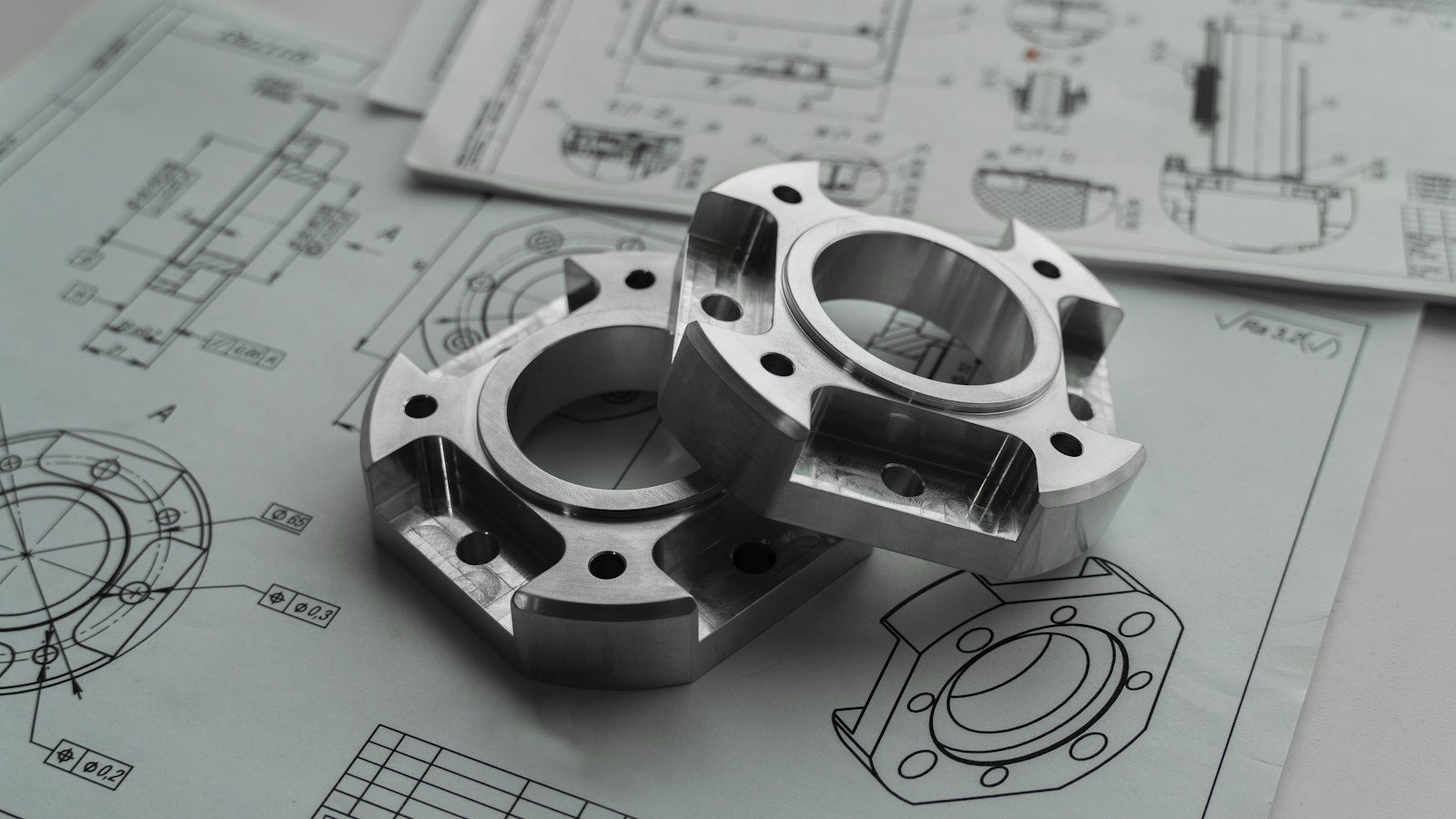
Custom 3D Printing Services
SLA, DLP, SLS, MJF, FDM and SLM metal parts printed in Bohui's own factory in Dongguan, from a single prototype to low-volume production.
Send your 3D model and get an engineer-reviewed quote within 24 hours, with simple parts often quoted in 2–4 hours. We print plastic, resin and metal parts with standard tolerances from ±0.2 mm, lead times from 1 day for simple parts and no minimum order quantity, then finish, inspect and ship them to customers in more than 120 countries. Our factory is certified to ISO 9001, ISO 13485, ISO 14001 and IATF 16949.
3D Printing Services for Custom Parts
Each printing technology solves a different problem. Resin printing gives the finest detail, powder-bed nylon gives strong functional parts without support structures, filament printing gives large parts at low cost, and laser melting gives dense metal parts. Use this overview to match the process to your part's function, material and quantity; our engineers confirm the choice with every quote. We also offer binder jetting (BJ), with its materials and accuracy confirmed in your quote.
SLA 3D Printing
Stereolithography cures liquid photopolymer resin with a UV laser, one thin layer at a time. It gives the sharpest detail and smoothest surfaces of our plastic processes, which suits appearance models, fine features, clear covers, housings for fit checks and master patterns for vacuum casting. After printing, parts are washed, post-cured under UV light and their supports removed.
- Resins
- ABS-like, clear, tough, high-temperature
- Max. build size
- 1400 × 700 × 500 mm
- Tolerance
- ±0.2 mm; ±0.15% above 100 mm
MJF 3D Printing
HP Multi Jet Fusion jets a fusing agent and a detailing agent onto each layer of nylon powder, then fuses the whole layer with infrared heat. Parts come out dense, with fine detail, nearly uniform strength in every direction and a slightly grainy grey surface. Because a full layer fuses at once, MJF is efficient for strong functional parts in small production batches.
- Material
- PA12 nylon
- Max. build size
- 264 × 343 × 348 mm
- Tolerance
- ±0.2 mm; ±0.25% above 100 mm
SLS 3D Printing
Selective laser sintering fuses fine nylon powder with a laser. The unfused powder holds the part as it grows, so overhangs, internal channels, living hinges and nested parts print without support structures. SLS parts are strong, slightly flexible and heat resistant, a good choice for functional prototypes, ducts, clips, housings and complex low-volume end-use parts.
- Materials
- PA12, glass- and carbon-filled nylon
- Max. build size
- 380 × 280 × 380 mm
- Tolerance
- ±0.3 mm; ±0.35% above 100 mm
SLM Metal 3D Printing
Selective laser melting, also called DMLS or laser powder bed fusion, fully melts fine metal powder layer by layer into dense metal parts for aerospace, medical and industrial use. It builds internal cooling channels, lattices and consolidated assemblies that cannot be machined from solid. Parts are printed on supports, stress-relieved, cut from the build plate and finished; critical faces can be CNC machined afterwards.
- Metals
- AlSi10Mg, 316L, Ti6Al4V, copper
- Max. build size
- 320 × 320 × 400 mm
- Tolerance
- ±0.2 mm; ±0.25% above 100 mm
FDM 3D Printing
Fused deposition modeling extrudes a thermoplastic filament through a heated nozzle and lays the part down bead by bead. Visible layer lines and coarser detail make FDM less suited to cosmetic parts, but it is the most economical way to print large housings, jigs, fixtures, gauges and concept models in real thermoplastics. Parts are weaker across the layers, so we orient them for the load.
- Filaments
- ABS, PLA, PC, ASA
- Max. build size
- 914 × 610 × 660 mm
- Tolerance
- ±0.2 mm on small parts
DLP 3D Printing
Digital light processing cures each whole layer of photopolymer resin at once with a projected UV image, instead of tracing it with a laser. Layers build quickly with very fine detail and smooth surfaces, which suits small, intricate parts such as connector housings, clips, buttons and miniature models printed in batches. As with SLA, parts are washed, post-cured and their supports removed.
- Best for
- Small, finely detailed resin parts
- Materials
- Photopolymer resins
Our 3D Printing Factory in China. Shipping Worldwide.
Bohui prints parts in its own factory in Dongguan, alongside our CNC machining and sheet metal fabrication, and handles everything from rapid prototypes to production batches with consistent quality. Printing, post-processing, machining of critical features and inspection run under one quality system, so printed parts and the machined or fabricated parts they assemble with can be made, checked and shipped together. Our engineers and project managers keep communication clear from quote to delivery, and we ship by international express and air freight to customers in more than 120 countries.
Printing technologies
7
SLA, DLP, SLS, MJF, FDM, SLM and BJ
Types of inspection equipment
20+
including ZEISS CMM inspection
Quote turnaround
24 h
simple parts often quoted in 2–4 hours
Countries
120+
our parts are shipped to
Production floor
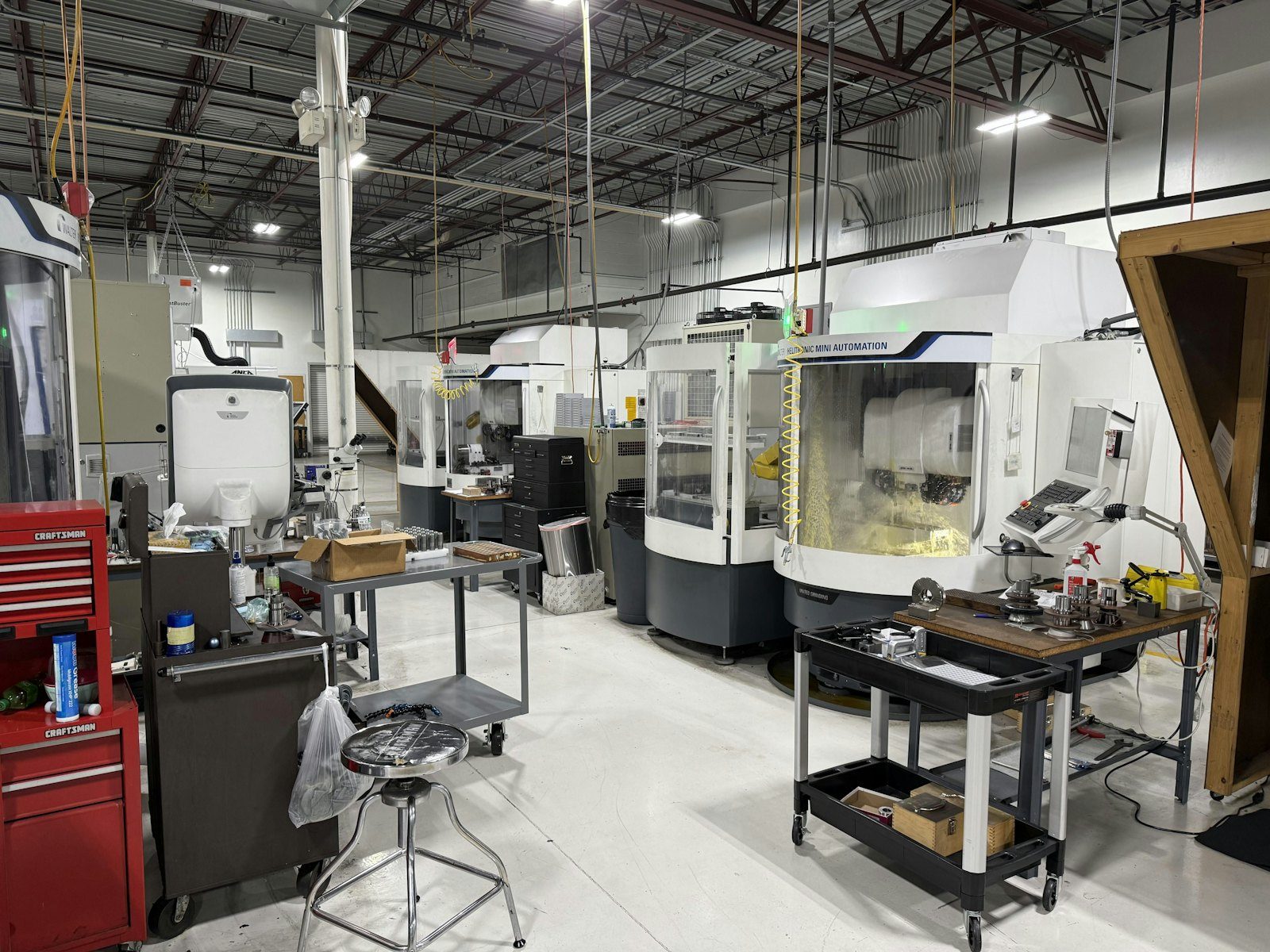
Printing, post-processing and CNC machining in our own factory in Dongguan.

Engineering review
Every model is reviewed by an engineer for orientation, supports and wall thickness.
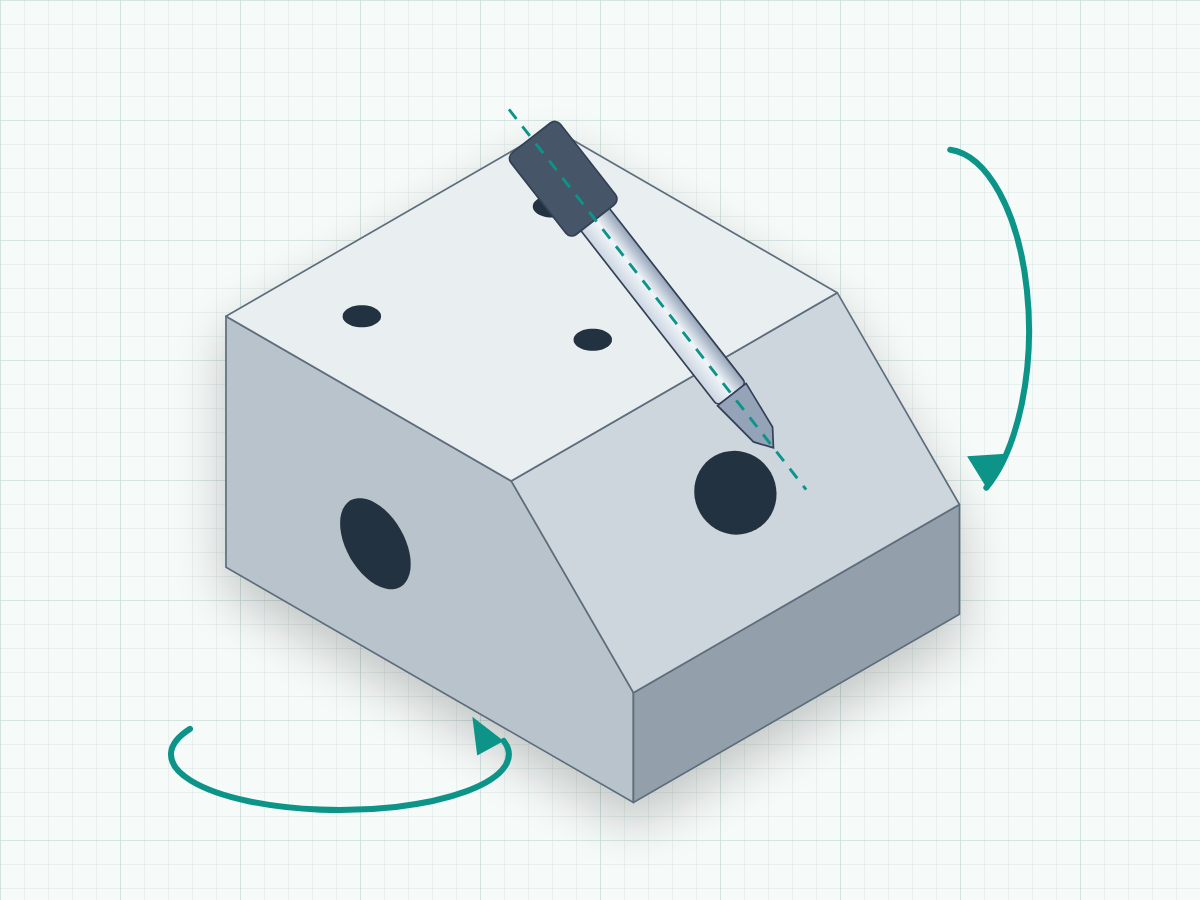
Machined features
Critical faces, bores and threads machined after printing where your drawing needs them.
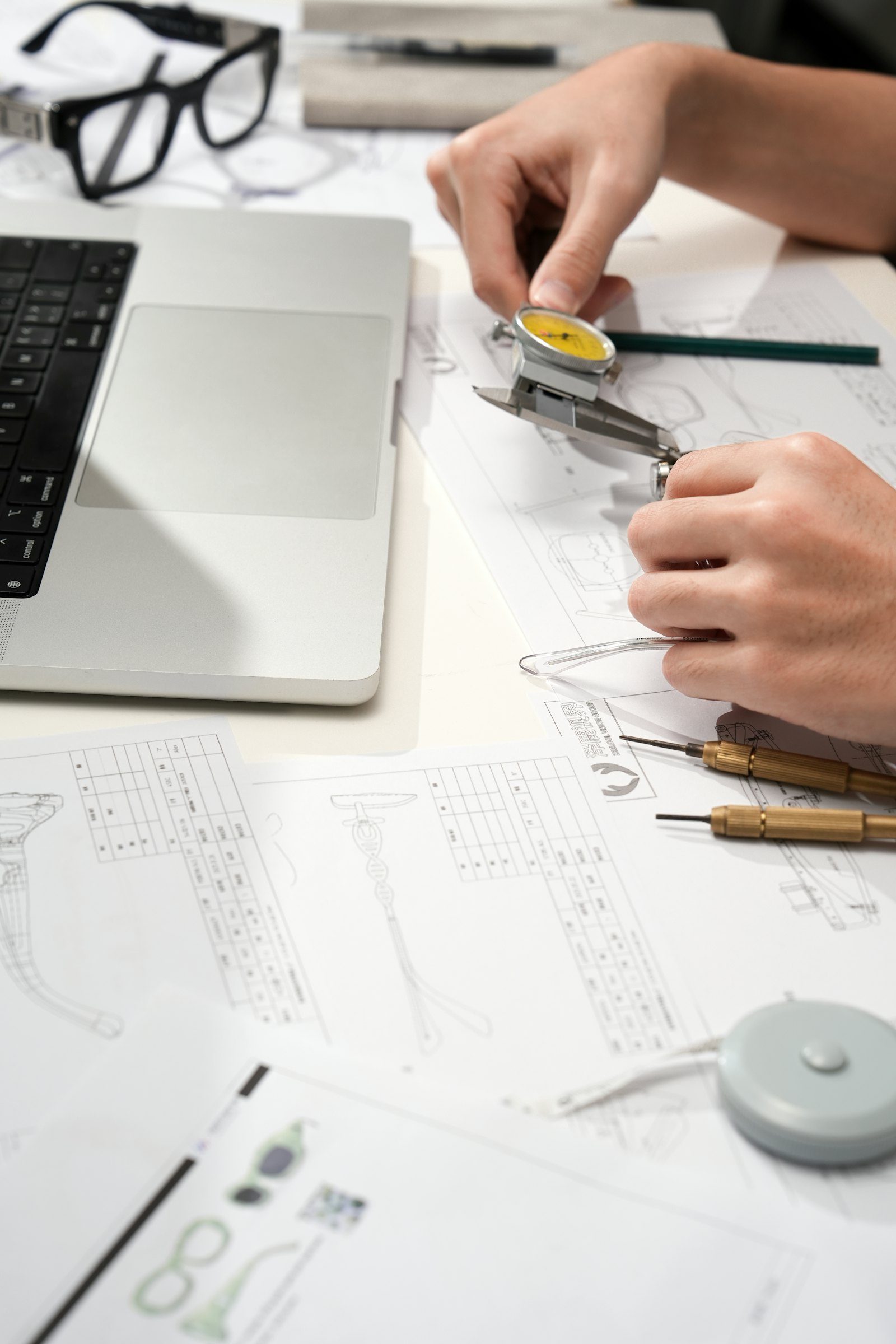
Inspection
Dimensions checked against your drawing, with ZEISS CMM for critical features.
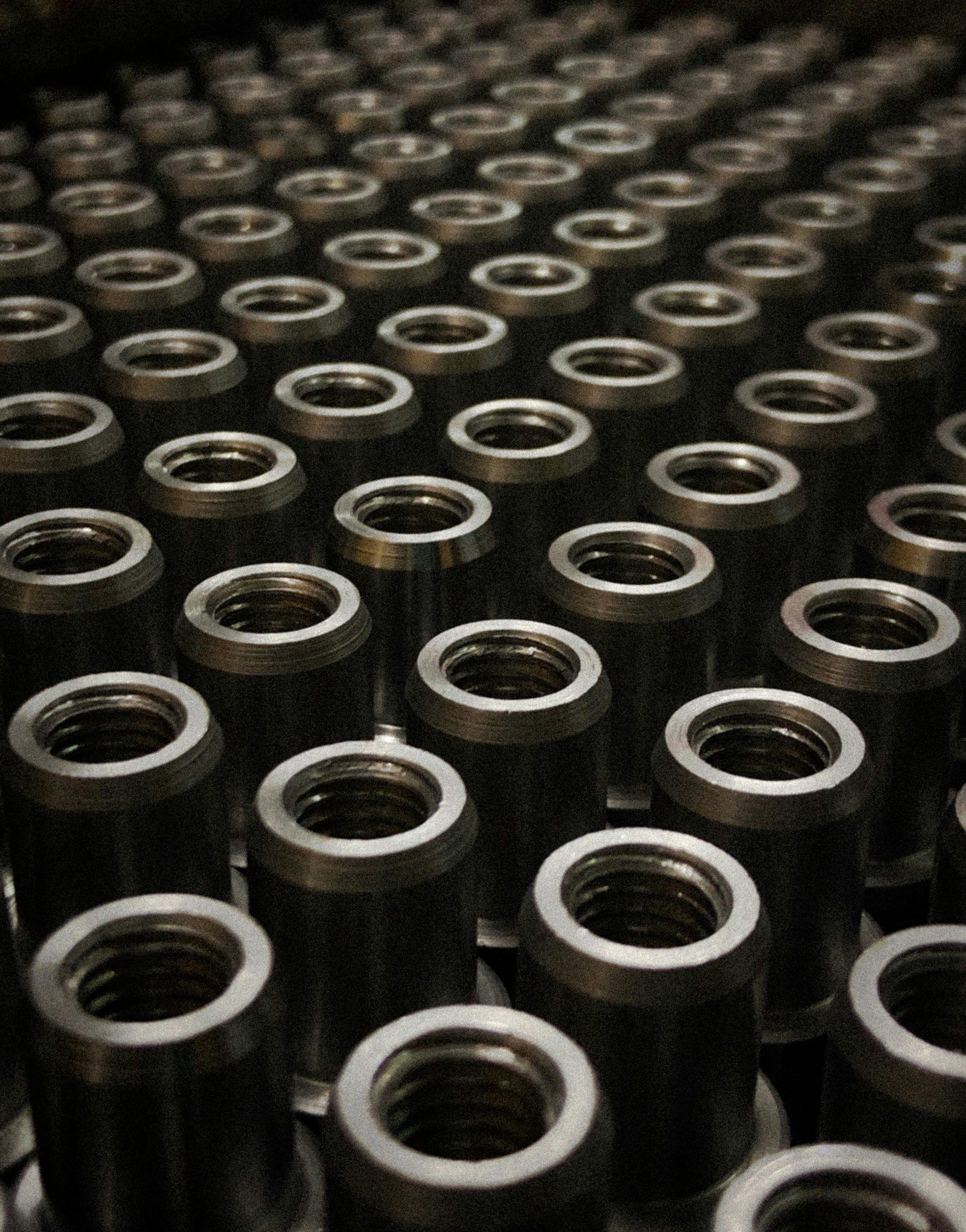
Batch production
From a single prototype to low-volume batches, with no minimum order.
Finished parts
Parts packed to protect their surfaces and shipped to more than 120 countries.
3D Printing Materials
We print in metal alloys, engineering nylons and thermoplastics, and photopolymer resins. Material and process are chosen together, because each process works with its own family: metal powders for SLM, nylon powders for SLS and MJF, filaments for FDM and resins for SLA and DLP. If your part needs a material that is not listed, tell us in your request and our engineers will evaluate it. The figures below are typical values for reference; printed properties depend on the process, build orientation and post-treatment.
Metals
Metal powders for SLM, for dense, strong parts with internal features that machining cannot reach.
Aluminum
AlSi10Mg is the standard aluminum alloy for laser melting: light, strong for its weight, thermally conductive and corrosion resistant. It suits lightweight brackets, heat exchangers and housings in aerospace and automotive work, and it machines well after printing.
Typical properties
- Tensile strength about 300–450 MPa, depending on heat treatment
- Density about 2.67 g/cm³; good thermal conductivity
- Usually stress-relieved after printing
Uses and finishes
Brackets, heat sinks and heat exchangers, manifolds, drone and automotive prototypes. Sand blasting, machining, polishing, painting.
Stainless Steel
316L stainless steel combines strength and ductility with excellent corrosion resistance, so printed parts suit medical instruments, food and fluid-handling components and marine hardware. It polishes to a bright finish.
Typical properties
- Tensile strength about 550–650 MPa; elongation about 30–40% as printed
- Density about 7.9 g/cm³; molybdenum for resistance to chlorides
- Weldable and machinable after printing
Uses and finishes
Surgical and laboratory tool prototypes, valve bodies, nozzles, fluid manifolds, marine fittings. Sand blasting, polishing, machining, powder coating.
Titanium
Ti6Al4V combines high strength and fatigue resistance with low weight and excellent corrosion resistance, and it is widely used for aerospace and medical components. Printing avoids most of the costly material waste of machining titanium from solid.
Typical properties
- Tensile strength about 950–1,100 MPa after heat treatment
- Density about 4.43 g/cm³, roughly 56% of steel
- Keeps its strength up to about 400 °C
Uses and finishes
Aerospace brackets and fittings, lightweight robot and motorsport parts, medical device prototypes. Sand blasting, polishing, machining.
Copper
Copper conducts heat and electricity better than the other common printable metals. Printing builds heat exchangers, induction coils and cold plates with internal channels and fine fins that would be very hard to machine or braze from separate parts.
Typical properties
- Conductivity depends on the alloy and heat treatment; we confirm the grade with your quote
- Density about 8.9 g/cm³
- Reflects laser light strongly, so minimum features are reviewed part by part
Uses and finishes
Heat exchangers and cold plates, induction coils, electrical connectors, thermal management parts. Machining, polishing, electroplating.
Plastics and Resins
Nylon powders for SLS and MJF and filaments for FDM give strong functional parts and large prints; photopolymer resins for SLA and DLP give smooth appearance models, fine details and clear parts.
Nylon PA12
PA12 is the standard powder-bed material: tough, wear resistant, stable in shape and low in moisture uptake, with low friction that suits clips, gears and moving parts.
Typical properties
- Tensile strength about 45–50 MPa; elongation at break about 10–20%
- Heat deflection temperature about 160–175 °C at 0.45 MPa
- Density about 1.01 g/cm³; good resistance to oils, fuels and greases
Uses
Functional prototypes, housings, ducts, clips and snap fits, brackets, gears and small batches of end-use parts.
Filled and Heat-Resistant Nylon
Glass and carbon fillers make nylon stiffer and more stable under heat, for brackets, fixtures and housings that carry load or sit close to motors and other heat sources.
Grades
- Glass-filled PA12: higher stiffness and dimensional stability, lower elongation
- Carbon-filled nylon: very high stiffness for its weight; minimum wall 2.0 mm on SLS
- Heat-resistant black nylon: grades rated for 110 °C and 140 °C
Uses
Jigs and fixtures, engine-bay and motor-adjacent prototypes, drone and robot arms, structural brackets.
FDM Thermoplastics
FDM filaments are real thermoplastics, so printed parts behave much like molded ones along the layers, though they are weaker across them. ABS and ASA are tough, PC adds heat and impact resistance, and PLA is economical for concept models.
Typical properties
- ABS: tensile strength about 30–40 MPa; heat deflection about 85–95 °C
- ASA: similar to ABS, with better UV resistance for outdoor parts
- PC: tensile strength about 55–65 MPa; heat deflection about 130–140 °C
- PLA: rigid and accurate, but softens from about 55 °C
Uses
Large housings, jigs, fixtures, gauges, concept models and low-cost prototypes.
ABS-Like Resin
ABS-like resin is the general-purpose SLA material. It prints fine details and smooth surfaces and is stiff and tough enough for housings, covers and snap-fit trials. It sands, primes and paints well, which makes it the usual choice for appearance models.
Typical properties
- Tensile strength about 40–50 MPa; elongation at break about 10–20%
- Heat deflection temperature about 50–60 °C at 0.45 MPa
- Becomes brittle with long UV exposure, so it is not meant for outdoor use
Uses
Appearance and presentation models, enclosures for fit checks, master patterns for vacuum casting, consumer product prototypes.
Clear Resin
Clear resin prints as a translucent part. After sanding, polishing and a clear coat it becomes close to transparent, for lenses, light pipes, flow-visualization models and covers that must show what is inside.
Typical properties
- Tensile strength about 45–65 MPa, depending on grade
- Heat deflection temperature about 45–55 °C at 0.45 MPa
- Thick sections and long UV exposure turn it slightly yellow
Uses
Light guides, lenses and display windows, fluid-flow models, transparent housings for demonstrations.
Tough and High-Temperature Resins
Tough resins imitate polypropylene: they bend and absorb impact without cracking, for snap fits and living hinges at prototype stage. High-temperature resins keep their shape well above 100 °C, for hot-air ducts, fixtures and parts tested near heat sources.
Typical properties
- PP-like resin: elongation at break about 15–25%
- High-temperature resin: heat deflection from about 100 °C to over 200 °C, depending on grade and post-cure
- Higher heat resistance comes with more brittleness
Uses
Snap-fit and clip prototypes, living-hinge trials, hot-air and fluid-flow test parts, lighting prototypes.
Finishing Services for 3D Printed Parts
Post-processing decides how a printed part looks, feels and fits. We finish plastic, resin and metal prints for prototypes, functional parts and end-use products in our own factory, from support removal and machined fits to painted, plated or polished surfaces. Tell us which faces are visible and which must stay as printed for fit.
As-Machined
Supports are removed and the part is cleaned without cosmetic work. Critical bores, faces and threads can be CNC machined after printing, which suits functional prototypes and internal parts that need precise assembly fits.
- Best for
- Functional parts with tight fits
- Processes
- SLA, SLS, MJF, FDM, SLM
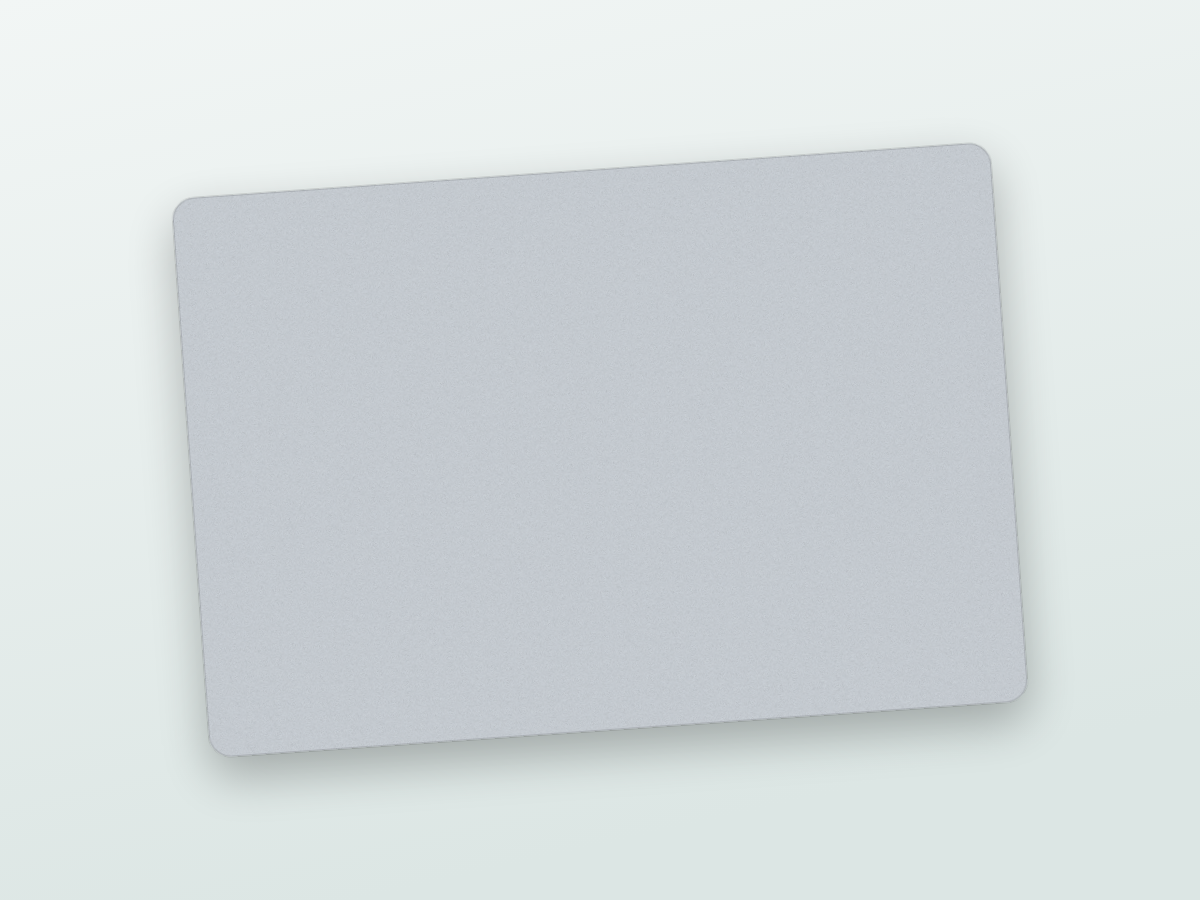
Sand Blasting
Glass bead or other fine media is blasted at the surface to remove loose powder, support marks and light layer lines, leaving an even matte texture. It is the standard cleaning step for powder and metal prints and keys the surface for paint.
- Appearance
- Uniform matte, fine to medium grain
- Processes
- SLS, MJF, SLM, SLA
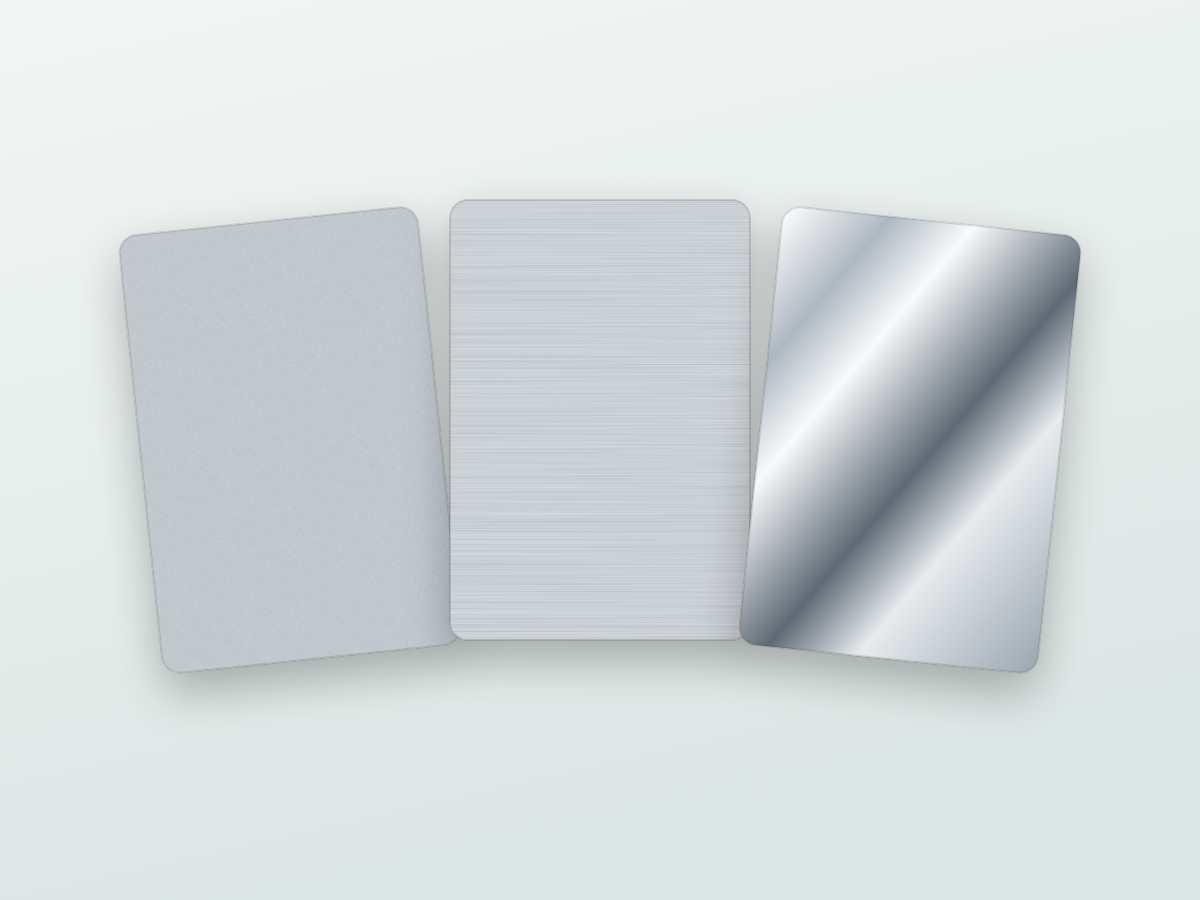
Tumbling
Parts run in a vibratory machine with abrasive media that rounds edges and smooths the grainy surface of powder-bed prints. It is an economical way to give batches of small nylon and metal parts a more even, pleasant surface.
- Best for
- Batches of small SLS, MJF and SLM parts
- Result
- Smoother surface, slightly rounded edges
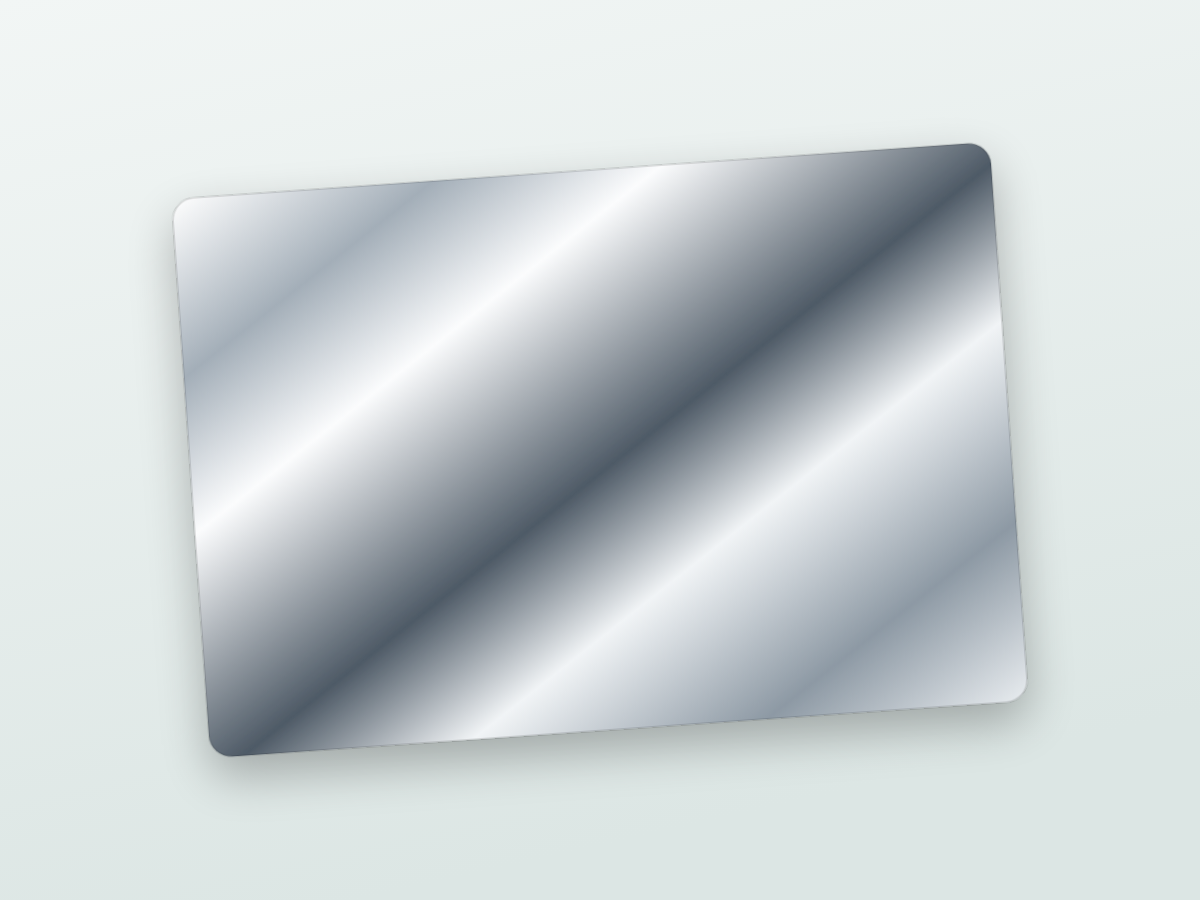
Polishing
Manual and mechanical polishing removes layer lines and support marks on resin and metal parts. On stainless steel and other SLM parts it brings roughness down to about Ra 1.6–3.2 µm, and visible faces can be taken further toward a mirror-like finish.
- Roughness
- Ra 1.6–3.2 µm on metal; Ra 1.6 µm on SLA
- Materials
- Stainless steel, aluminum, titanium, resins
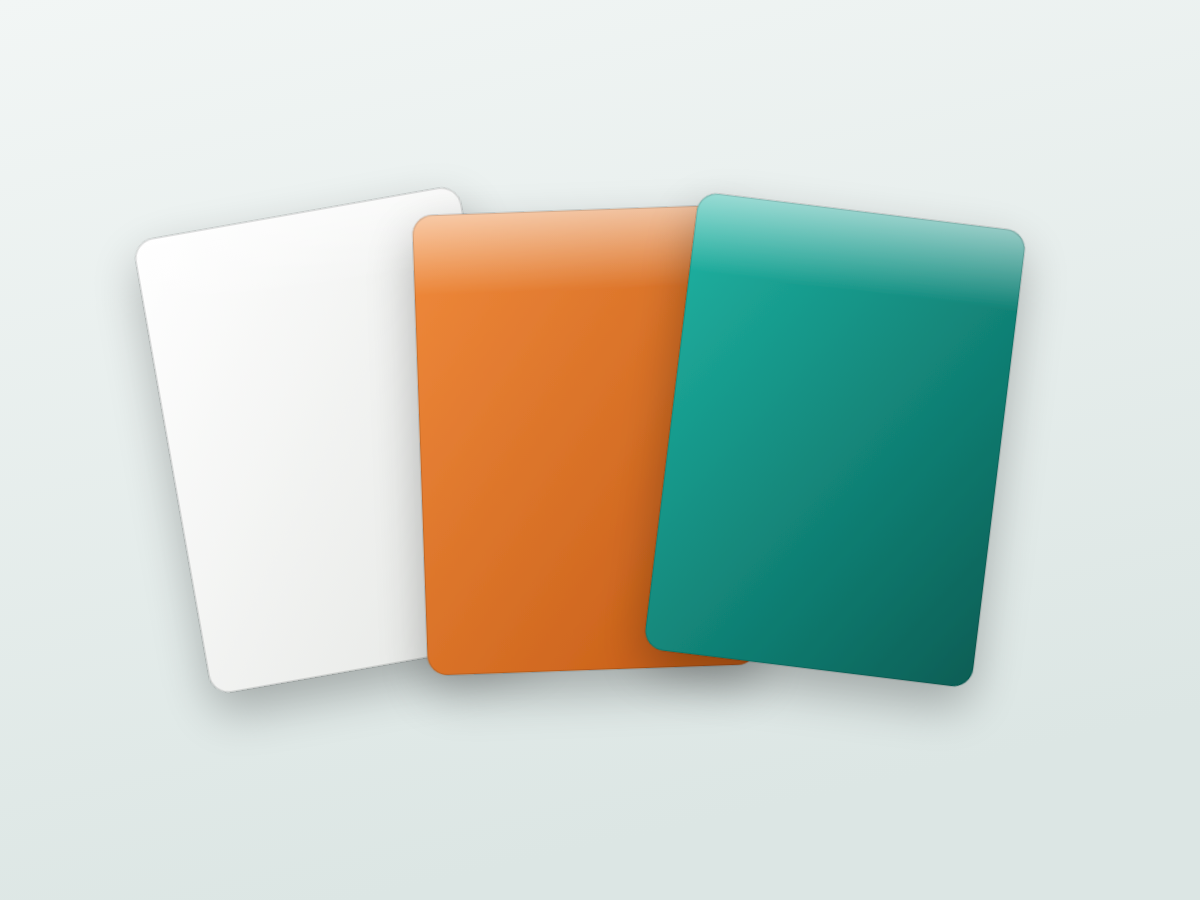
Painting
Parts are sanded, primed and spray painted for presentation models and consumer product prototypes, in matte, satin, gloss or soft-touch finishes. Colors are matched to RAL or Pantone references or to your physical sample.
- Colors
- RAL, Pantone or your color sample
- Materials
- Resins, nylon, FDM plastics, metals
Powder Coating
Dry powder is sprayed electrostatically onto metal prints and cured in an oven into a thick, tough coating with good scratch and corrosion resistance. It suits aluminum and stainless steel brackets, housings and end-use parts that are handled every day.
- Thickness
- Typically 60–120 µm
- Materials
- SLM metal parts
Electroplating
A thin metal layer adds a metallic look, wear resistance or conductivity. Plastic prints are vacuum metallized for a chrome-like appearance, while metal prints are plated in a wet bath with nickel, chrome or other metals.
- Plastic parts
- Vacuum plating (metallizing)
- Metal parts
- Nickel, chrome and other metals
Heat Treatment
Metal prints hold internal stresses from rapid melting and cooling. Stress relieving before the part leaves the build plate prevents warping, and further heat treatment adjusts strength, hardness and ductility to the requirements of your part.
- Purpose
- Stress relief, strength and ductility
- Materials
- Aluminum, stainless steel, titanium
Coatings add thickness and change the feel of printed surfaces, so mark the faces, holes and threads that must stay free of paint or plating, and tell us whether a dimension applies before or after finishing.
3D Printing from Prototyping to Production
3D printing is often the first step of a product's manufacturing route. The same engineers follow your part from the first printed model to the process that suits its final volume, so what you learn at each stage carries over to the next.
Prototyping. Printed concept models, fit-check samples and functional prototypes, with lead times from 1 day for simple parts. Change and reprint the design as often as you need before committing to tooling.
Low-volume production. Batches of end-use parts printed on MJF or SLS without tooling, or vacuum casting from a printed master pattern for 5–100 production-like parts.
High-volume production. Once the design is frozen and volumes justify a mold, injection molding gives the lowest unit cost. We review draft, wall thickness and gate positions early.
3D Printing Capabilities and Standards
These standard values apply unless your drawing says otherwise. Accuracy depends on part size, geometry, build orientation and material, so mark the features that matter; tighter requirements are reviewed feature by feature and confirmed in your quote.
| Process | Standard tolerance | Notes |
|---|---|---|
| SLA | ±0.2 mm; ±0.15% of the dimension above 100 mm | 25–100 µm layers; Ra 3.2 µm as printed, 1.6 µm polished; about 4 business days |
| SLS | ±0.3 mm; ±0.35% above 100 mm | 100–120 µm layers; Ra 3.2–6.3 µm; about 6 business days |
| MJF | ±0.2 mm; ±0.25% above 100 mm | About 80 µm layers; Ra 3.2–6.3 µm; untoleranced nylon dimensions to ISO 2768-cL; about 5 business days |
| FDM | ±0.2 mm on small parts | 0.1–0.3 mm layers with visible lines; large parts confirmed in your quote |
| SLM | ±0.2 mm; ±0.25% above 100 mm | 30–50 µm layers; Ra 3.2–6.3 µm, polishing available; about 6 business days |
| Tighter tolerances | Down to ±0.05 mm on selected features | Reviewed feature by feature; reached by process choice or by machining after printing |
| Production volume | From 1 piece | No minimum order quantity |
| Fastest lead time | From 1 day | For simple parts; finishing and shipping confirmed with your quote |
Have a 3D model ready to print?
Upload STEP or STL files, with a PDF drawing for any critical dimensions, and tell us the material, quantity and finish. Our engineers review every file for printability and send a detailed quote within 24 hours.
3D Printing for Various Industries
3D printing serves two kinds of parts especially well: precise assembly components, with critical features machined after printing, and high-appearance visual parts, painted or polished to a finished look. We print both for engineers and manufacturers, from first prototypes to low-volume production.
Aerospace
Lightweight titanium, aluminum and nylon parts for aircraft interiors, drones, satellites and ground test equipment, with lattice and topology-optimized shapes that save weight without losing stiffness, and first-article inspection against your drawing.
- Typical parts
- Brackets, ducts, UAV frames, sensor housings, test fixtures
Automotive
Printed prototypes and low-volume parts for vehicle development, electric drivetrains and charging equipment, from styling models to heat-resistant functional parts tested in the engine bay, made under an IATF 16949 quality system.
- Typical parts
- Air ducts, clips, lamp and trim prototypes, battery-pack fixtures, brackets
Industrial Automation
Grippers, fixtures and guards for production lines, printed in days for line changes and retrofits. Nylon end effectors with internal air channels weigh less than machined aluminum ones and can be redesigned and reprinted quickly when the product changes.
- Typical parts
- Gripper fingers, end effectors, assembly jigs, sensor mounts, cable guides
Medical Devices
Prototypes and low-volume parts for medical devices and laboratory equipment in stainless steel, titanium, nylon and resins, made under an ISO 13485 quality system. Material and compliance requirements are confirmed with you before production starts.
- Typical parts
- Device housings, surgical tool prototypes, anatomical models, lab fixtures
Electronics
Enclosures, bezels, buttons and internal brackets printed for fit checks with circuit boards, displays and connectors before tooling, and copper parts with fine fins and internal channels for thermal management.
- Typical parts
- Enclosure prototypes, light pipes, connector housings, cold plates, cable clips
Consumer Products
Appearance models and functional prototypes for appliances, wearables, sports equipment and household products, sanded and painted to match your color and texture references for user testing, product photography and trade shows.
- Typical parts
- Housings, knobs and buttons, handles, wearable prototypes, presentation models
Why Choose Bohui for 3D Printing
Engineers who order printed parts look for three things: parts made and checked in one place, short and predictable lead times, and advice on the right process before anything is printed.
Made in our own factory
Printing, support removal, machining of critical features and inspection happen in our own factory in Dongguan, certified to ISO 9001, ISO 13485, ISO 14001 and IATF 16949. If a part is wrong because of a manufacturing error on our side, we remake it free of charge.
Fast quotes and lead times
Engineer-reviewed quotes within 24 hours, simple parts often quoted in 2–4 hours, no minimum order quantity and lead times from 1 day for simple parts. Printing needs no tooling, so a design change costs a new build, not a new mold.
Engineering support
Every quote includes free DFM feedback on the technology, material, wall thickness, orientation and supports. Our engineers can create a simple 3D model from your sketch, and one project contact follows your order from quote to delivery.
3D Printed Parts Made Right, Inspected and Documented
Quality is built into every step, from file review and build preparation to final inspection. Our certified quality system, experienced inspectors and calibrated measuring equipment make sure that the dimensions, materials and finishes of printed parts match your drawing on every order.
Certified quality system
Our factory is certified to ISO 9001, ISO 13485, ISO 14001 and IATF 16949, so your printed parts are made and checked under internationally recognized quality, medical, environmental and automotive standards.
Inspection equipment and engineers
More than 30 quality engineers and over 20 types of inspection equipment, including ZEISS CMM, 2D vision measuring systems, XRF material analyzers, gauges, micrometers and calipers, verify the dimensions, materials and finishes of printed parts.
Documented checks
First-article, in-process and final inspection results are recorded for your order. We provide COC, COA and COT documents, material certificates on request, and a CMM report free of charge for the dimensions you specify.
Design Guidelines for 3D Printing
Following these guidelines keeps printed parts strong, accurate and economical. The values are starting points that depend on the process and material. Every file we quote receives a free DFM review, so our engineers will flag thin walls, trapped powder or unsupported features before printing starts.
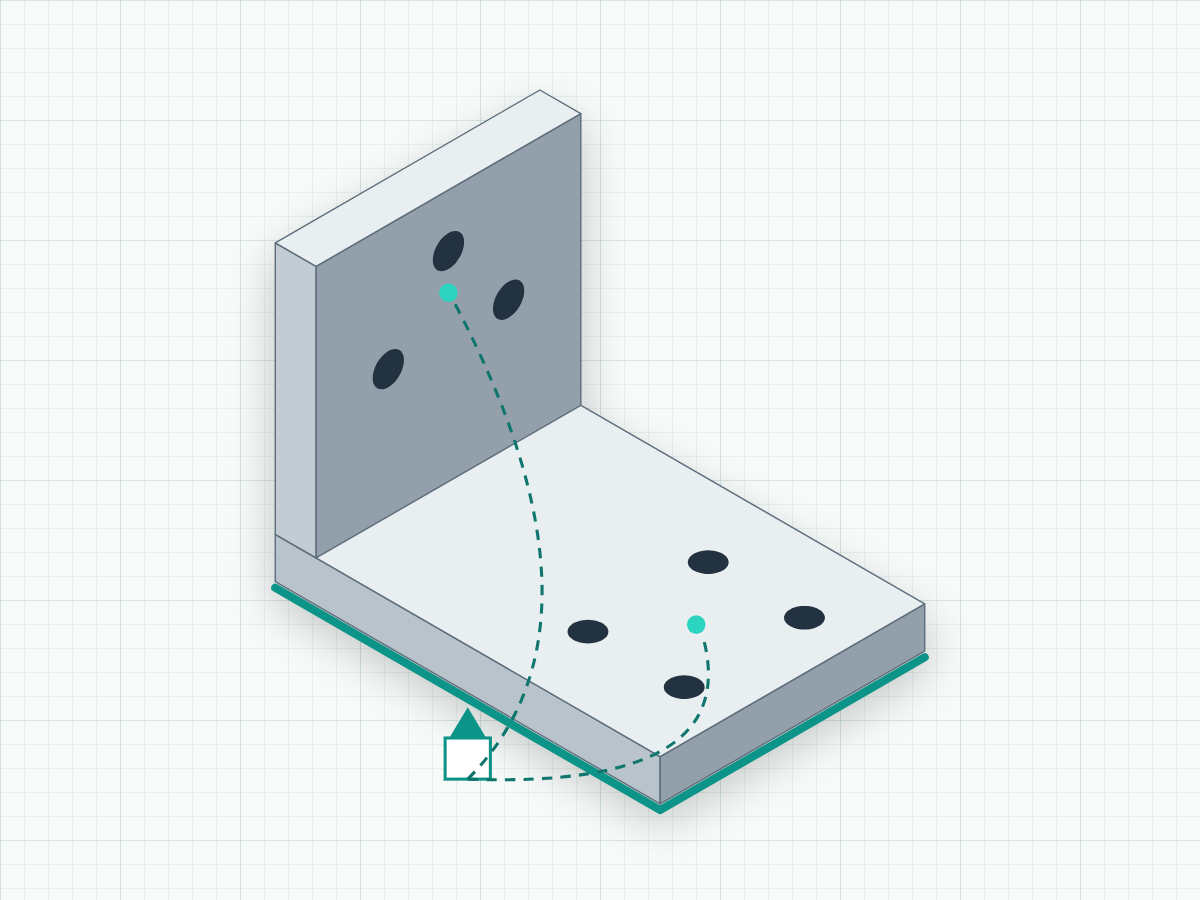
| Design rule | Recommended value | Why |
|---|---|---|
| Minimum wall thickness | SLA 0.6 mm (0.4 mm if supported on both sides); MJF 1 mm; SLS 0.7 mm in PA12, 2.0 mm in carbon-filled nylon; SLM 0.8 mm; FDM about 1.2 mm | Thinner walls warp, break during cleaning or do not print completely. |
| Thick sections | Even walls; hollow or rib thick areas instead of printing solid blocks | Thick solid sections shrink unevenly, warp and add cost, especially in SLS and MJF. |
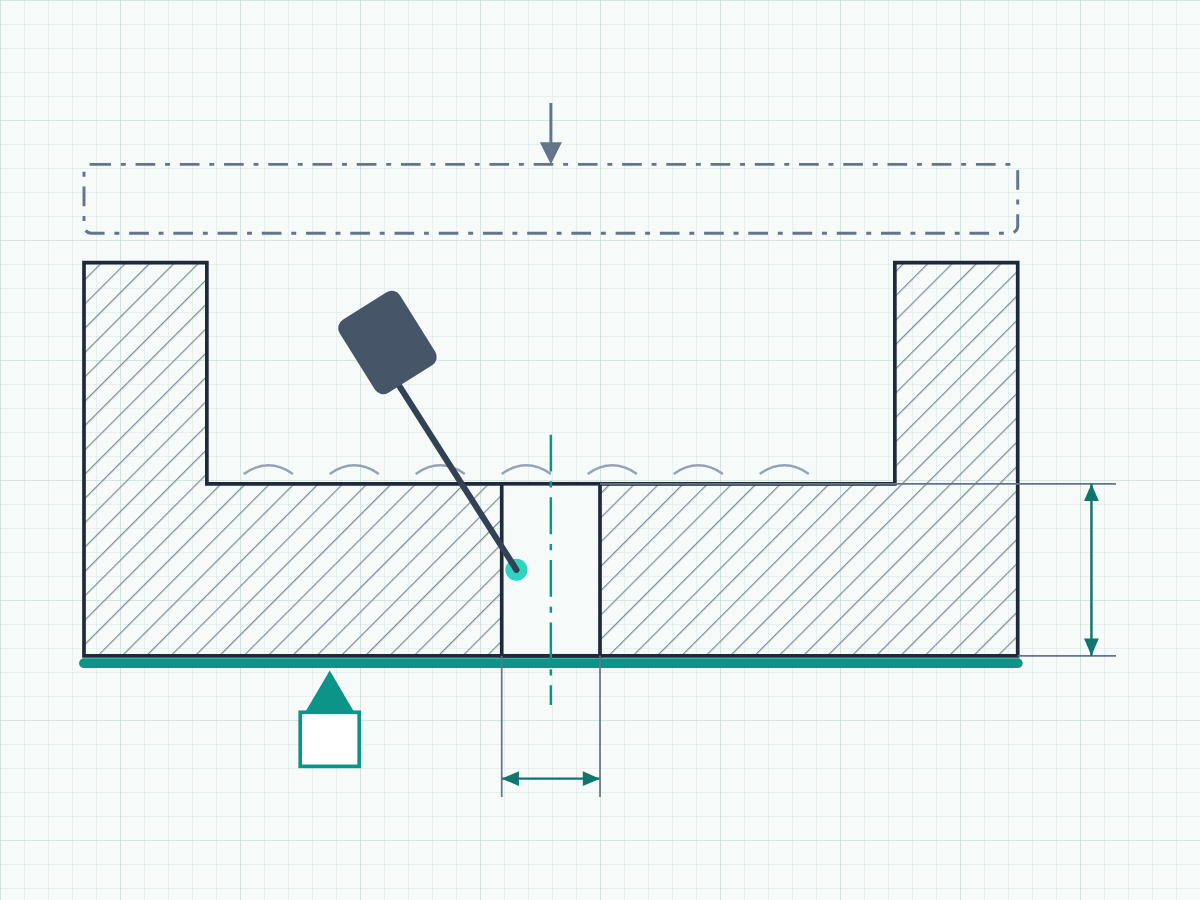
| Holes and channels | Diameter at least 1 mm on SLA and 1.5 mm on SLS, MJF and SLM; drill or ream critical holes | Small holes close up with cured resin or fused powder and print slightly undersize. |
| Clearance between mating parts | 0.2–0.3 mm on SLA; 0.4–0.5 mm on SLS, MJF and FDM; at least 0.5 mm for parts printed assembled | Too small a gap fuses parts together or makes them bind after finishing. |
| Overhangs and supports | Faces at 45° or more from horizontal print without supports on FDM and SLM; SLA and DLP use supports; SLS and MJF need none | Lower overhangs need supports, which leave marks and add finishing time. |
| Escape holes in hollow parts | At least two holes, 3.5 mm or more on SLA and 5 mm or more on SLS and MJF | Trapped resin or powder adds weight, can crack the part and cannot be removed later. |
| Embossed and engraved details | At least 0.5 mm high or deep and 0.5 mm wide; 0.3 mm on SLA | Finer details blur in powder and filament processes and disappear after blasting. |
| Threads | Print coarse threads from M6; tap, machine or insert smaller and load-bearing threads | Fine printed threads are weak and imprecise; machined threads and inserts last. |
What Is 3D Printing?
3D printing, or additive manufacturing, builds a part directly from a digital model by adding material one thin layer at a time. Software slices the model into layers and plans any supports; the printer then cures resin (SLA and DLP), fuses powder (SLS, MJF and SLM) or extrudes molten filament (FDM) layer by layer until the part is complete. Most parts are then cleaned, cured or heat treated and finished.
Typical applications are prototypes for form, fit and function tests, jigs and fixtures, end-use parts in small series, replacement parts printed on demand, master patterns for vacuum casting, customized consumer products, and anatomical, architectural and educational models.
Printing is not the best route for every part. Tight tolerances, smooth machined faces and simple solid metal parts are often better and cheaper by CNC machining, which holds ±0.05 mm as standard; thin metal enclosures by sheet metal fabrication; and plastic parts in the thousands by injection molding. Our engineers suggest the process that suits each part.
Advantages of 3D Printing
Printing changes what is economical to make. These are the reasons engineers use it for prototypes, short runs and parts that cannot be made any other way.
Because no tool or mold is needed, a new design can be printed within a day or two and changed as often as necessary, without paying for fixtures or new tooling.
Printing makes shapes that cutting cannot: internal channels, lattices, organic forms and several parts consolidated into one, often lighter than the machined or assembled design.
Material is added only where it is needed, so waste is low compared with machining a part from solid, which matters most for titanium and other costly metals.
Prototypes for form, fit and function tests are printed in days, so design reviews, changes and reprints fit into a normal development schedule.
The unit cost stays nearly the same from one part to a small batch, which makes printing economical for short runs and bridge production before tooling.
Short lead times and on-demand printing of end-use and replacement parts help products reach the market sooner and keep spare-part stock low.
3D Printing FAQs
How do I choose the right 3D printing technology?
Start with what the part must do. For appearance models, fine details and smooth surfaces, SLA is the best fit, and DLP is a fast alternative for small, finely detailed resin parts in batches. For strong, functional nylon parts, choose SLS or MJF; MJF is especially efficient for batches. FDM is the economical choice for large, simple parts, jigs and fixtures, and SLM produces dense metal parts for high loads, heat or complex internal channels. Material, surface finish, quantity and budget narrow the choice further. Send us your model and requirements, and our engineers will recommend the process in your quote.
What is the difference between SLS and MJF?
Both build nylon parts in a bed of powder without support structures. SLS fuses each layer by tracing it with a laser, while MJF jets fusing and detailing agents onto the whole layer and fuses it with infrared heat. MJF parts are usually denser, slightly more accurate and more uniform in every direction, and full builds are fast, which favors batches. SLS offers a slightly larger build volume and more filled materials, such as carbon-filled nylon. MJF parts come out grey, SLS parts white.
Are 3D printed parts strong enough for end-use applications?
Many are. MJF and SLS nylon parts are tough enough for clips, housings, ducts and brackets in daily use, and SLM metal parts reach strengths comparable to cast or wrought material after heat treatment. Printed parts can be weaker in the build direction, especially FDM parts, so we orient each part according to its main loads. Resin parts are best for prototypes, because standard resins become brittle with age and UV light. Tell us the loads, temperatures and environment, and we will recommend a suitable process and material.
When is 3D printing more economical than CNC machining or injection molding?
3D printing needs no tooling or fixtures, so it is usually the cheapest route for one-off prototypes, complex shapes and small batches, typically from one to a few hundred pieces depending on size. CNC machining becomes better value when parts need tight tolerances, smooth faces or solid metal, and injection molding once volumes reach the thousands and the design is frozen. Many projects use all three in sequence. Send us your model and expected quantities, and we will compare the routes for you.
Can you 3D print metal parts?
Yes. We print metal parts by selective laser melting (SLM, also called DMLS) in aluminum AlSi10Mg, stainless steel 316L, titanium Ti6Al4V and copper. The parts are dense and strong and can contain internal cooling channels, lattices and shapes that cannot be machined. After printing they are stress-relieved, removed from the build plate and finished by sand blasting, machining or polishing. Metal printing costs more than plastic printing, so it pays off for complex, lightweight or consolidated parts rather than simple shapes that machine easily.
What tolerances can you hold on 3D printed parts?
Our standard tolerances are ±0.2 mm for SLA, MJF and SLM and ±0.3 mm for SLS, for dimensions up to 100 mm; larger dimensions take a percentage of their length: 0.15% for SLA, 0.25% for MJF and SLM and 0.35% for SLS. Tighter tolerances, down to about ±0.05 mm, are possible on selected features, either by choosing the most accurate process or by machining critical bores and faces after printing. Mark critical dimensions on your drawing, and we will confirm what can be held in your quote.
What is the maximum size you can print?
It depends on the technology. Our largest SLA builds reach 1400 × 700 × 500 mm and FDM about 914 × 610 × 660 mm, while SLS builds up to 380 × 280 × 380 mm, MJF 264 × 343 × 348 mm and SLM 320 × 320 × 400 mm. Larger parts can be printed in sections and bonded or joined with pins and screws. Very large parts in one piece also take longer and cost more, so tell us the overall size and how the part will be used, and our engineers will suggest how to split or orient it.
How do I prevent warping and distortion?
Warping comes from uneven shrinkage as printed material cools or cures. Keep wall thicknesses even, avoid large flat areas and thick solid blocks, and add ribs or fillets where flat faces meet. Hollowing thick sections, with escape holes for resin or powder, also helps. Metal parts are stress-relieved on the build plate before they are removed. Our engineers choose the build orientation and support strategy for each part and flag shapes at risk in the free DFM review.
Can you print threads, snap fits and moving parts?
Yes, with some limits. Coarse threads from about M6 can be printed, but smaller and load-bearing threads should be tapped or machined after printing, or made with threaded inserts. Snap fits and living hinges work well in tough materials such as PA12 nylon and PP-like resin; standard resins are too brittle for repeated flexing. Moving parts can be printed already assembled on SLS and MJF if you leave at least 0.5 mm of clearance and a way for the powder to escape.
Which materials can you 3D print?
Plastics include PA12 nylon, glass- and carbon-filled nylon and heat-resistant nylon for SLS and MJF, and ABS, PLA, PC and ASA filaments for FDM. For SLA and DLP we use ABS-like, clear, tough and high-temperature resins. Metal parts are printed in aluminum AlSi10Mg, stainless steel 316L, titanium Ti6Al4V and copper. If your application calls for another material, tell us in your request and our engineers will evaluate it. Material certificates are available on request, and more details are on our materials page.
Can 3D printed parts be painted or color matched?
Yes. Resin and nylon parts are sanded, primed and spray painted in matte, satin, gloss or soft-touch finishes, matched to RAL or Pantone references or to your physical sample. Metal prints can also be powder coated for a thick, durable layer, and plastic parts can be vacuum metallized for a chrome-like look. All finishing is done in our own factory. For presentation models, send a color sample and tell us which faces are visible, so that we place supports away from them. Details are on our painting page.
Can you make transparent parts?
Yes, with clear SLA resin. As printed, clear resin parts are translucent with visible layer lines; sanding, polishing and a clear coat make them close to optically clear, which suits lenses, light pipes, flow models and display covers. Thin sections become clearer than thick ones, and long exposure to UV light turns clear resin slightly yellow. For fully transparent production parts, CNC machined acrylic or polycarbonate is an alternative.
How smooth are 3D printed surfaces?
As printed, SLA parts reach about Ra 3.2 µm, and SLS, MJF and SLM parts about Ra 3.2–6.3 µm with a slightly grainy texture. Polishing brings SLA and metal parts to about Ra 1.6 µm, and sand blasting, tumbling, priming and painting improve the look further. FDM parts show layer lines unless they are sanded and filled. Faces that do not touch supports are usually the smoothest, so tell us which surfaces are cosmetic and we will orient the part accordingly.
Which files should I send for a quote?
Send a 3D model in STEP, STP or IGES format; STL files also work for printing, but they describe the surface as triangles and cannot be measured as precisely. Add a PDF drawing if the part has critical dimensions, threads, tolerances or finishing requirements. Include the material, quantity and finish, and a second quantity if you expect repeat orders. If you only have a sketch, send it with the main dimensions; our engineers can create a simple 3D model.
How fast will I receive a quote?
Our target is a quote within 24 hours, and simple parts are often quoted in 2–4 hours. Projects that need a detailed DFM review are usually quoted within one working day, and urgent requests can be prioritized. Every quote is reviewed by an engineer, who checks the technology, orientation, wall thicknesses and finishing before pricing, so the part you are quoted is a part we can print.
Do you have a minimum order quantity?
No. We print single prototypes as well as low-volume production batches, and one-piece orders are welcome. Printing needs no tooling, so the unit price of a single part is close to that of a small batch, although nesting several parts in one build can lower it. If you expect larger volumes, tell us, and we will show whether vacuum casting or injection molding would be more economical.
How long does 3D printing take?
Simple parts can be printed in as little as 1 day. Standard lead times are about 4 business days for SLA, 5 for MJF and 6 for SLS and SLM parts. Larger or taller parts, metal heat treatment, painting and other finishing add time, as do larger quantities. We confirm the schedule, including finishing and shipping, with your quote; tell us your required date and we will plan the build around it.
What affects the cost of 3D printed parts?
The main cost drivers are the technology, the material, the part's volume and height in the build, the supports it needs, the finishing and the quantity. You can reduce cost by hollowing thick sections, choosing the least expensive process that meets your requirements, avoiding tight tolerances where they are not needed and orienting cosmetic faces away from supports. On SLS and MJF, several parts nested in one build lower the cost of each. Our free DFM review points out these savings before you order.
Which quality documents can you provide?
We provide certificates of conformance (COC), certificates of analysis (COA) and COT documents, material certificates on request, and a free CMM report for the dimensions you specify. Standard parts receive basic inspection records from calipers, height gauges and similar instruments, while critical features are measured on our ZEISS CMM. Tell us your required record format and sampling plan with your request for quote.
What if a part is printed incorrectly?
If a part does not meet your drawing because of a manufacturing error on our side, we remake it free of charge. Send us the drawing revision, the measured results and photos, so that we can review the discrepancy with you. If the issue comes from the design itself, for example a wall that is too thin for the chosen process, we first discuss the options with you and agree on the best way forward.
Can you finish, assemble and ship complete parts?
Yes. We can combine printed parts with CNC machined parts, sheet metal, hardware and purchased components and deliver them as finished subassemblies through our assembly service. Parts are packed according to their material and finish, with EPE foam, antistatic bags where needed, protective wrapping and reinforced cartons for international shipments. We ship by international express and air freight to more than 120 countries, and can also use your own courier account.
Start Your 3D Printing Project Today
Send us your 3D models and drawings, and our engineers will reply with a detailed quote and free DFM feedback within 24 hours.

Jane
BOHUI PROTOTYPES LIMITED
Tell me the technology or material you have in mind, the quantity and the finish, and point out the features and surfaces that matter most for your part.
You can send your request first and add files later by email or WhatsApp. For confidential designs, contact me before sharing your files.
Jane
BOHUI PROTOTYPES LIMITED
- Address: Xiaobian Street, Chang'an Town, Dongguan City, Guangdong Province, China
Request a Quote
Fields marked are required.