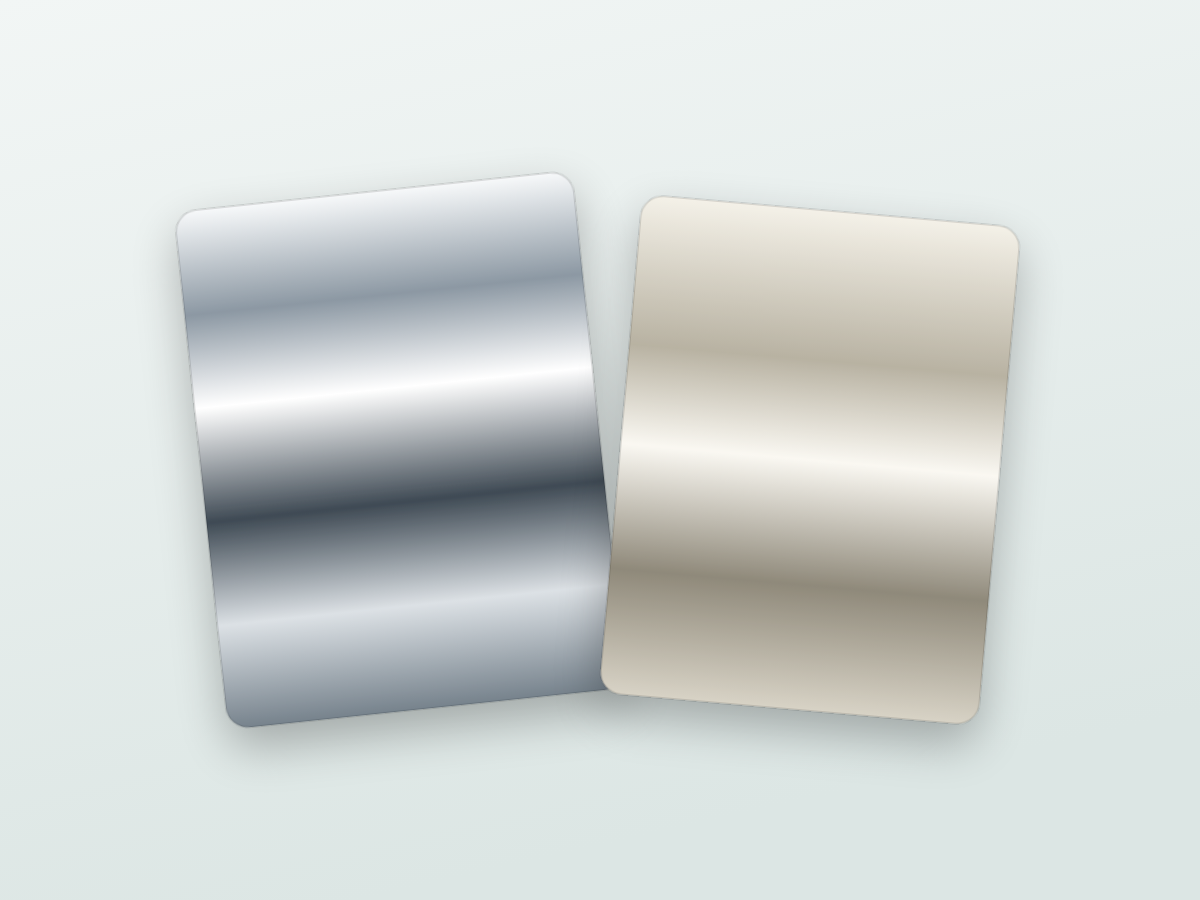
Electroplating Services
Zinc, nickel, chrome, silver and gold plating that protects metal parts against corrosion and wear, improves conductivity or gives them a bright, durable surface.
We plate CNC machined and sheet metal parts in our own factory in Dongguan, from single prototypes to production batches, with no minimum order quantity. Tell us the plating, the minimum thickness and the areas to mask, and an engineer will review your drawing and quote within 24 hours, simple parts often in 2–4 hours.
What Is Electroplating?
Electroplating deposits a thin layer of metal onto a part with direct current. The part hangs in a bath of dissolved metal salts and is connected as the cathode; metal ions from the solution are reduced onto its surface and are replaced from a soluble anode or by additions to the bath. The layer grows with current density and time, so a few micrometers of zinc, nickel, chrome, silver or gold can be built up in a controlled way.
Plating protects the base metal against rust, raises surface hardness and wear resistance, improves conductivity and solderability, and gives a bright, even appearance. It does not hide scratches or tool marks, because the layer copies the surface beneath it.
Advantages of Electroplating
One thin metal layer can change what a part's surface does. These are the reasons to plate a part; how plating behaves on edges, threads and recesses is covered in the design considerations further down.
A continuous plated layer seals steel and copper alloys off from moisture, oxygen and salts, and zinc goes further: it corrodes first and keeps protecting exposed steel at scratches and cut edges.
Nickel and hard chrome raise surface hardness well above that of the base metal, so shafts, rods, rollers and sliding parts resist wear, galling and scratches for longer.
Bright nickel, chrome and gold give parts an even, reflective metallic look that resists tarnish, which is why they are used on trim, handles, fittings and decorative hardware.
Silver and gold keep contact resistance low and stable, and nickel makes copper parts easy to solder, so plating improves the electrical performance of connectors, busbars and terminals.
The layer grows with current density and time, so anything from a fraction of a micrometer of gold to 25 µm of zinc or nickel, or more for hard chrome, is built up to the value on your drawing.
The Electroplating Process
Good adhesion depends on preparation. Every plating job in our own factory runs through the same three stages, with a rinse after every step, and the first stage is finished before any metal is deposited.
Prepare. Parts are degreased, cleaned and activated in acid to remove oil, oxide and scale, and rinsed after every stage. Aluminum is zincated and stainless steel receives a nickel strike first.
Plate. The part is plated as the cathode in the bath of the zinc, nickel, chrome, silver or gold system you specify. Current density and time set the thickness; chrome goes over a nickel underlayer.
Finish and dry. Parts are rinsed and dried. Zinc receives a passivate and often a sealer, hardened steel is baked to drive out absorbed hydrogen, and polishing can follow for appearance, at extra cost.
Electroplating Types
The plating metal decides what the surface can do. We plate all six systems below in our own factory; they cover most corrosion, wear, electrical and decorative requirements, and other metals can be evaluated on request.
Zinc Plating
The standard rust protection for steel brackets, fasteners and sheet metal parts. Zinc is more active than iron, so it corrodes first and keeps protecting the steel at scratches and cut edges. A clear, blue, yellow or black passivate and an optional sealer extend its life.
- Thickness
- 5–12 µm; up to 25 µm for harsh service
- Common standard
- ASTM B633
Nickel Plating
A hard, bright, semi-bright or satin layer with good corrosion and wear resistance for steel, copper and brass parts. Nickel is also the usual underlayer for chrome, silver and gold, and it makes copper alloys easy to solder.
- Thickness
- 5–25 µm
- Hardness
- About 200–500 HV, depending on the bath
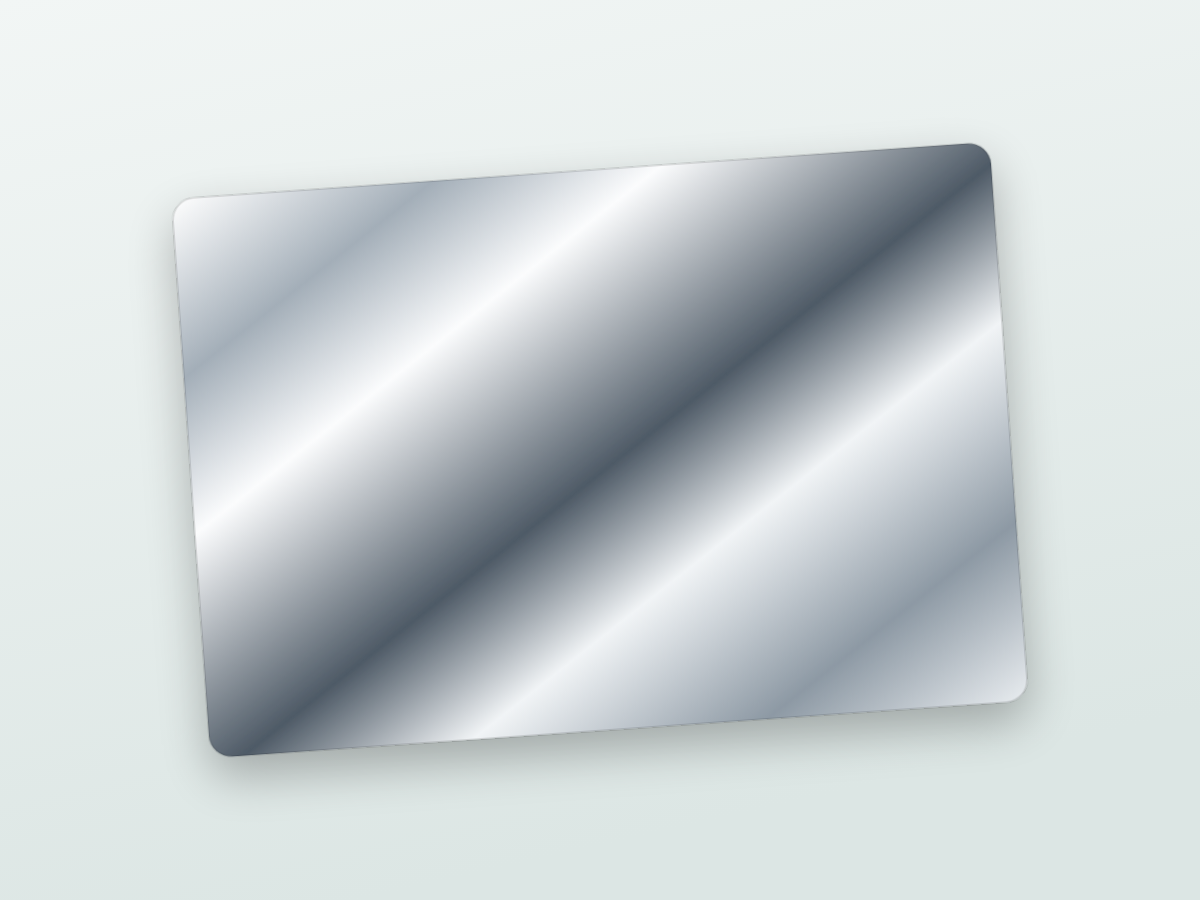
Decorative Chrome
A very thin, bluish-bright chrome layer over nickel that resists tarnish and scratches on visible parts such as trim, handles and fittings. RoHS-compliant trivalent chrome can be selected where the product requires it.
- Thickness
- Under 1 µm over 5–20 µm nickel
- Appearance
- Mirror bright with a bluish tone

Hard Chrome
A much thicker chrome layer plated directly onto steel for wear resistance and low friction on shafts, piston rods, rollers and tooling. Hard chrome is often ground to size after plating, so leave grinding stock where tolerances are tight.
- Thickness
- From about 20 µm
- Hardness
- About 800–1,000 HV
Silver Plating
Silver has the highest electrical and thermal conductivity of all metals, so we plate it on busbars, RF connectors, switch contacts and high-current terminals. It solders well, but it tarnishes in air containing sulfur, so sealed packing or an anti-tarnish treatment is recommended.
- Thickness
- 3–12 µm
- Base metals
- Copper, brass, nickel-plated steel
Gold Plating
Gold does not oxidize, so even a thin layer keeps contact resistance low and stable on connector pins, switch contacts and sensor parts. We plate it over nickel, which stops copper diffusing into the gold; hard gold lasts on contacts that are mated many times.
- Thickness
- 0.05–2.5 µm, by application
- Common standards
- ASTM B488, MIL-DTL-45204
Electroplating Specifications
Typical values for the plating systems we run in our own factory. Give the plating, the minimum thickness and the post-treatment on your drawing, and we confirm them in your quote.
| Property | Specification | Notes |
|---|---|---|
| Zinc | 5–12 µm; 25 µm for harsh service | Clear, blue, yellow or black passivate |
| Nickel | 5–25 µm | Underlayer for chrome, silver and gold |
| Decorative chrome | Under 1 µm over 5–20 µm nickel | Bright, tarnish-resistant visible parts |
| Hard chrome | From about 20 µm | Ground to size where tolerances require |
| Silver | 3–12 µm | Electrical contacts, busbars and RF parts |
| Gold | 0.05–2.5 µm over nickel | Connector and switch contacts, decorative trim |
| Base materials | Steel, stainless steel, copper, brass, aluminum | Aluminum and stainless steel need special activation |
| Appearance | Bright, semi-bright, satin or matte | Follows the surface beneath; polish or blast first to change it |
Materials for Electroplating
Most metals can be plated once the surface is properly activated. The base material decides the pretreatment, the plating sequence and which systems make sense, so our engineers check the grade with every quote.
Metals
Material certificates are available on request.
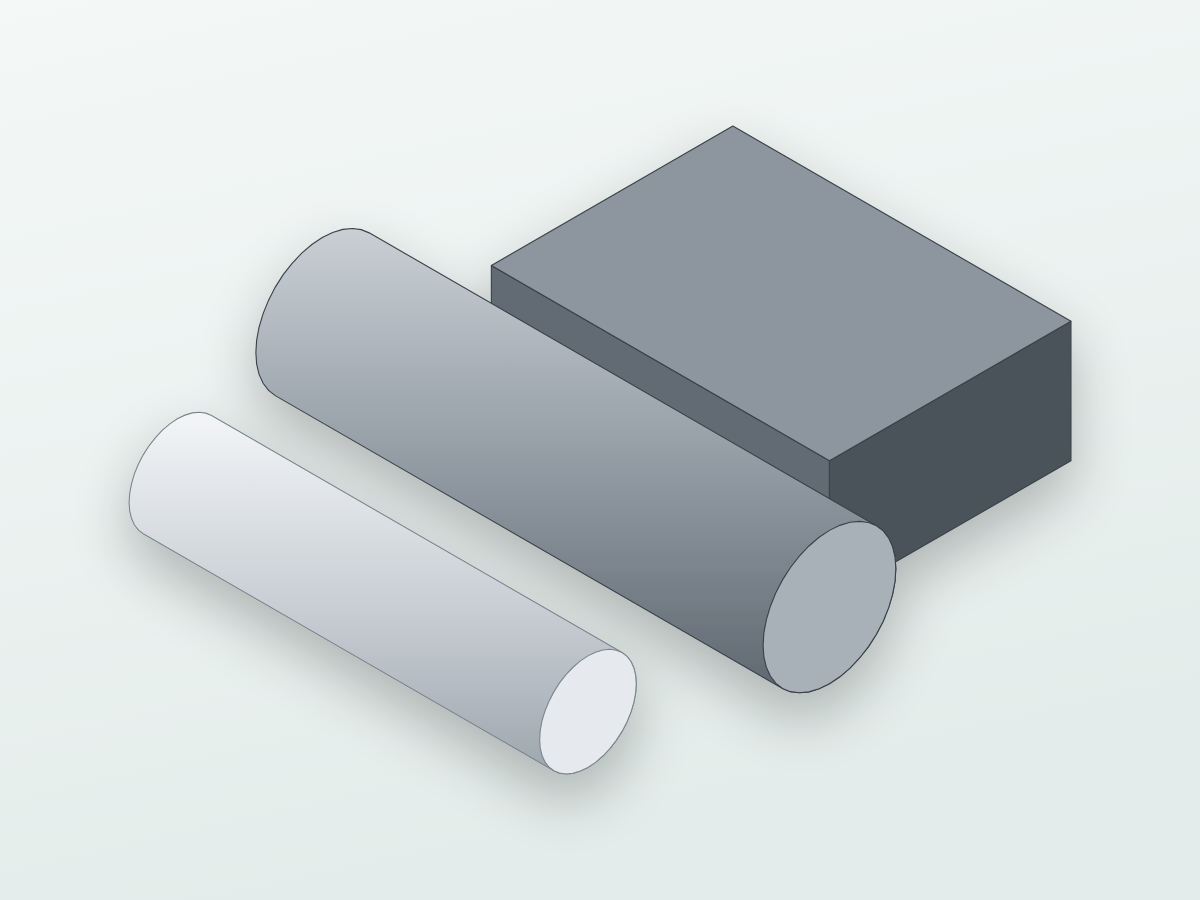
Carbon and Alloy Steel
The most common base for zinc, nickel and hard chrome. Bare steel rusts quickly, so brackets, fasteners, shafts and sheet metal parts are almost always plated or coated.
Common plating
Zinc for rust protection, nickel for wear and appearance, hard chrome for sliding surfaces
Watch for
Hardened parts above about 31 HRC are baked after plating so that absorbed hydrogen does not make them brittle
Stainless Steel
Stainless steel forms a tight oxide film that stops plating from bonding, so it first receives a nickel strike. For corrosion protection alone it is usually passivated instead.
Common plating
Nickel strike, then gold, silver or decorative chrome
Typical parts
Connector shells, contacts, decorative trim, medical and food equipment parts
Copper and Brass
Copper alloys plate easily and are the usual base for electrical parts. A nickel underlayer stops copper and zinc from diffusing into gold or silver and keeps the surface solderable over time.
Common plating
Nickel, silver, gold, chrome
Typical parts
Busbars, terminals, connector pins, RF parts, decorative hardware
Aluminum
Aluminum is zincated before nickel plating, because its oxide film reforms instantly. It is plated where it must be solderable, conductive or look like a different metal; for corrosion protection, anodizing or alodine is usually the simpler choice.
Common plating
Nickel, then chrome, silver or gold
Typical parts
Connector housings, heat sinks, RF housings, decorative parts
Electroplating Applications
Plated parts are used wherever metal must resist corrosion, carry current reliably or keep a finished look for years.
Automotive
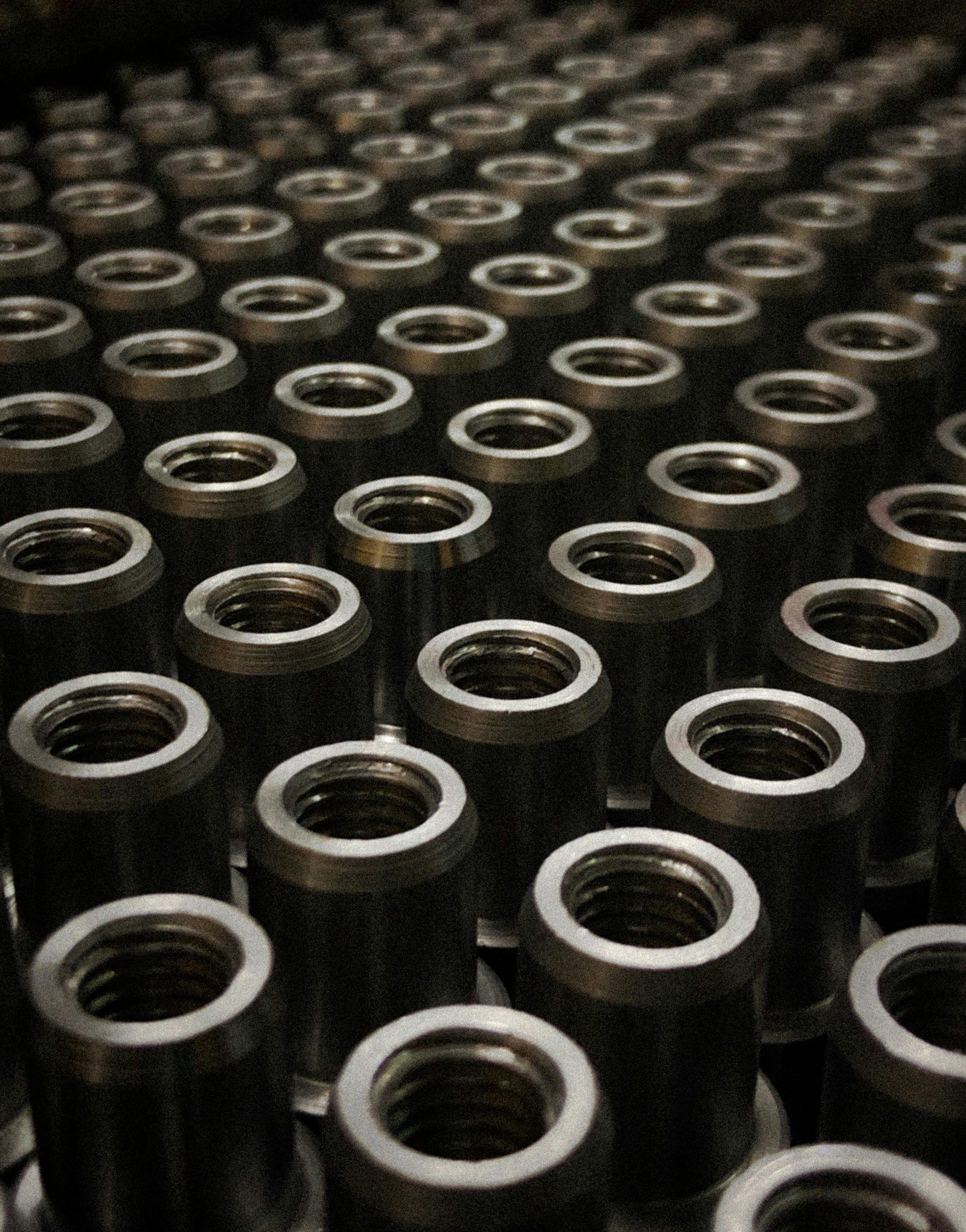
Zinc-plated brackets and fasteners resist road salt and humidity, nickel and hard chrome protect sliding and hydraulic parts, and plated connectors keep vehicle electrics reliable under vibration and temperature cycles.
- Typical parts
- Fasteners, brackets, connectors, hydraulic rods, sensor housings
Electronics
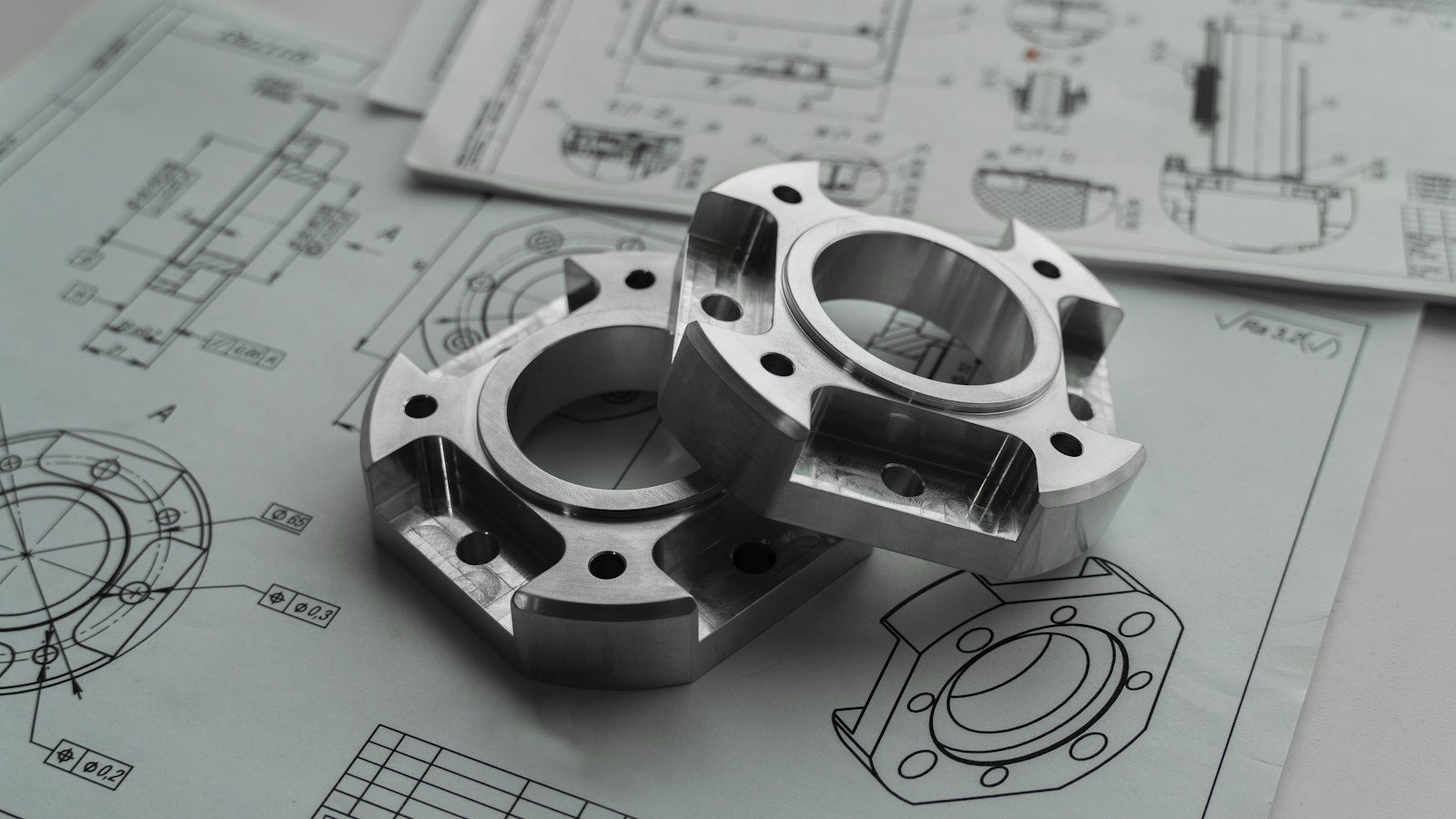
Silver and gold keep contact resistance low on connectors, switch contacts and busbars, while nickel acts as a diffusion barrier and makes copper parts solderable. Plated shields and grounding parts carry current without corroding.
- Typical parts
- Connector pins, busbars, terminals, RF housings, EMI shields
Consumer Products
Bright nickel, chrome and gold give appliances, eyewear, watches, bathroom fittings and decorative hardware a durable surface that resists tarnish, fingerprints and daily cleaning, and keeps its look for years.
- Typical parts
- Knobs and trim, frames, handles, decorative hardware
Design Considerations for Electroplated Parts
Plating follows the surface it is applied to and builds up unevenly, so plan dimensions and masking before you release the drawing. Our free DFM review flags features that will plate poorly or cause problems in assembly.
| Consideration | Recommendation | Why |
|---|---|---|
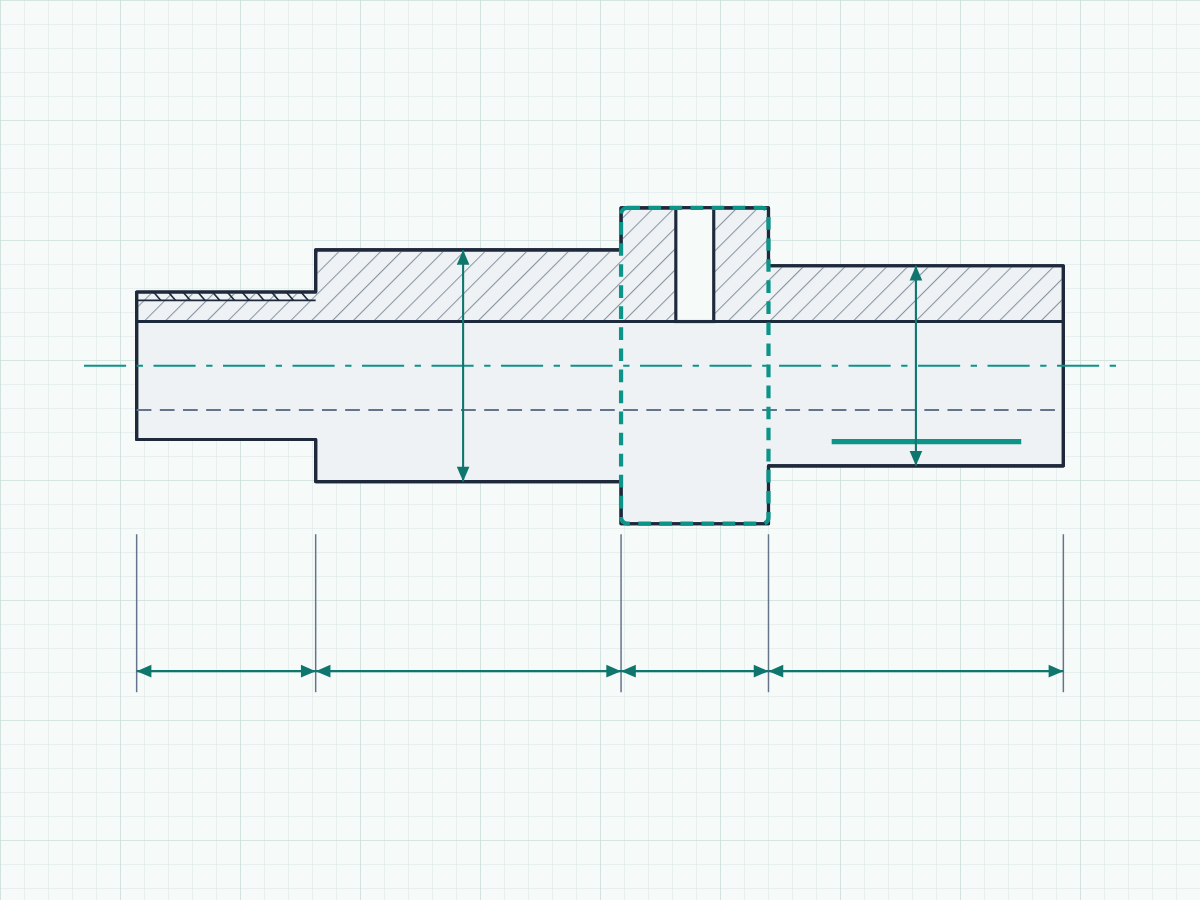
| Dimensions | State whether they apply before or after plating | Each face grows by the plating thickness, so a diameter grows by twice that amount |
| Threads | Give the thread class after plating, or mask the threads | Thick layers make threads gauge tight; thin zinc usually fits standard threads |
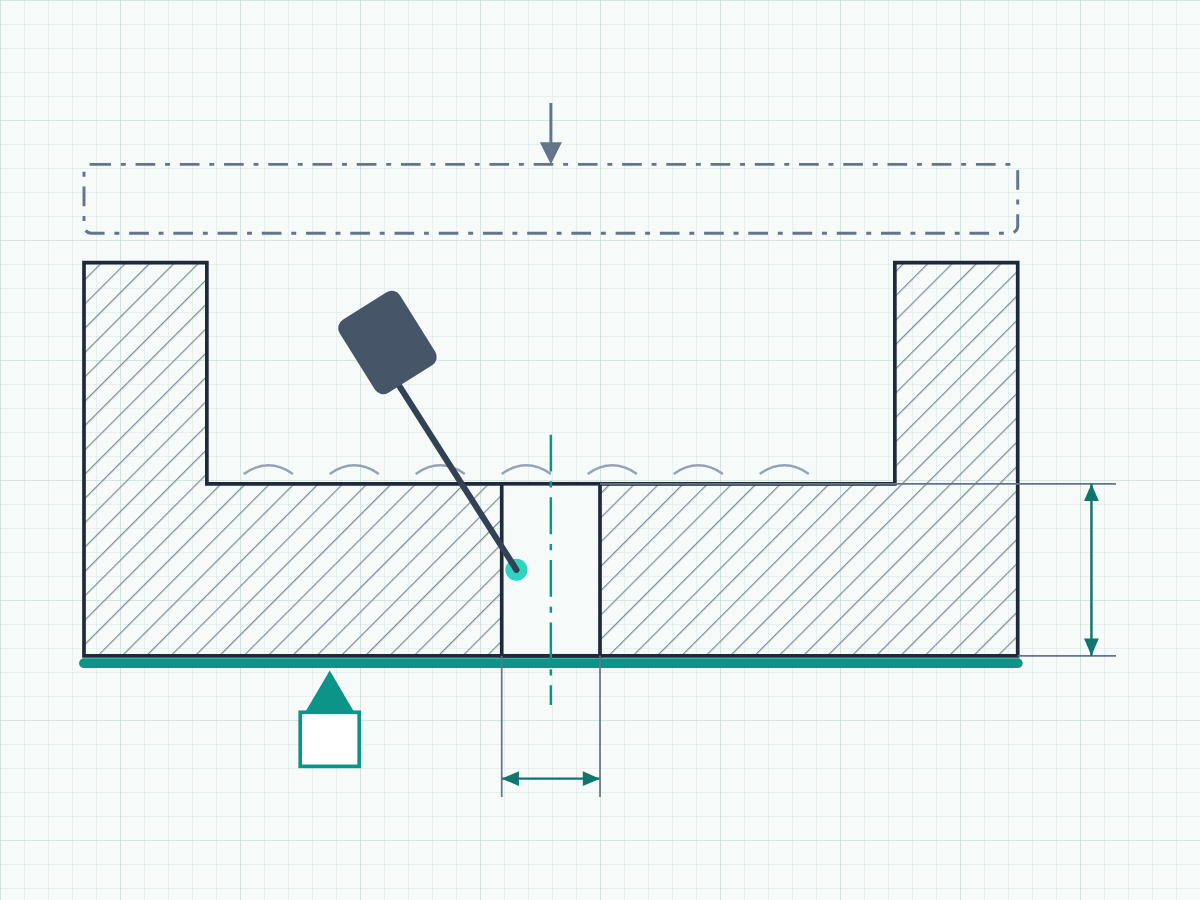
| Edges and recesses | Add radii; avoid deep blind holes and narrow slots | Current concentrates on edges and barely reaches recesses, so thickness varies |
| Masking | Mark faces, bores and threads that must stay bare | Contact faces, bearing seats and press fits often need to stay uncoated |
| Surface before plating | Specify the roughness or a pre-finish | The layer copies the texture beneath it; polish first for a mirror finish |
| Hardened steel | State the hardness and the baking requirement | Steel above about 31 HRC is baked after plating against hydrogen embrittlement |
| Mixed metals | Plate parts before joining different metals | Each alloy needs its own pretreatment, and solution trapped in joints corrodes |
| Closed sections | Add drain and vent holes | Trapped air blocks plating, and trapped solution bleeds out and stains |
Electroplating Compared with Related Finishes
Electroplating is one of several ways to protect and finish metal parts, all of them done in our own factory. Each card shows where the other finish fits better, or how it works together with plating.
Electroless Nickel Plating
Nickel-phosphorus is deposited chemically, without current, so the layer is equally thick in holes, bores and on edges. Choose it over electrolytic nickel for complex shapes and tight tolerances.
- Coverage
- Uniform on all wetted surfaces
- Compared with plating
- More even, usually more costly
Polishing
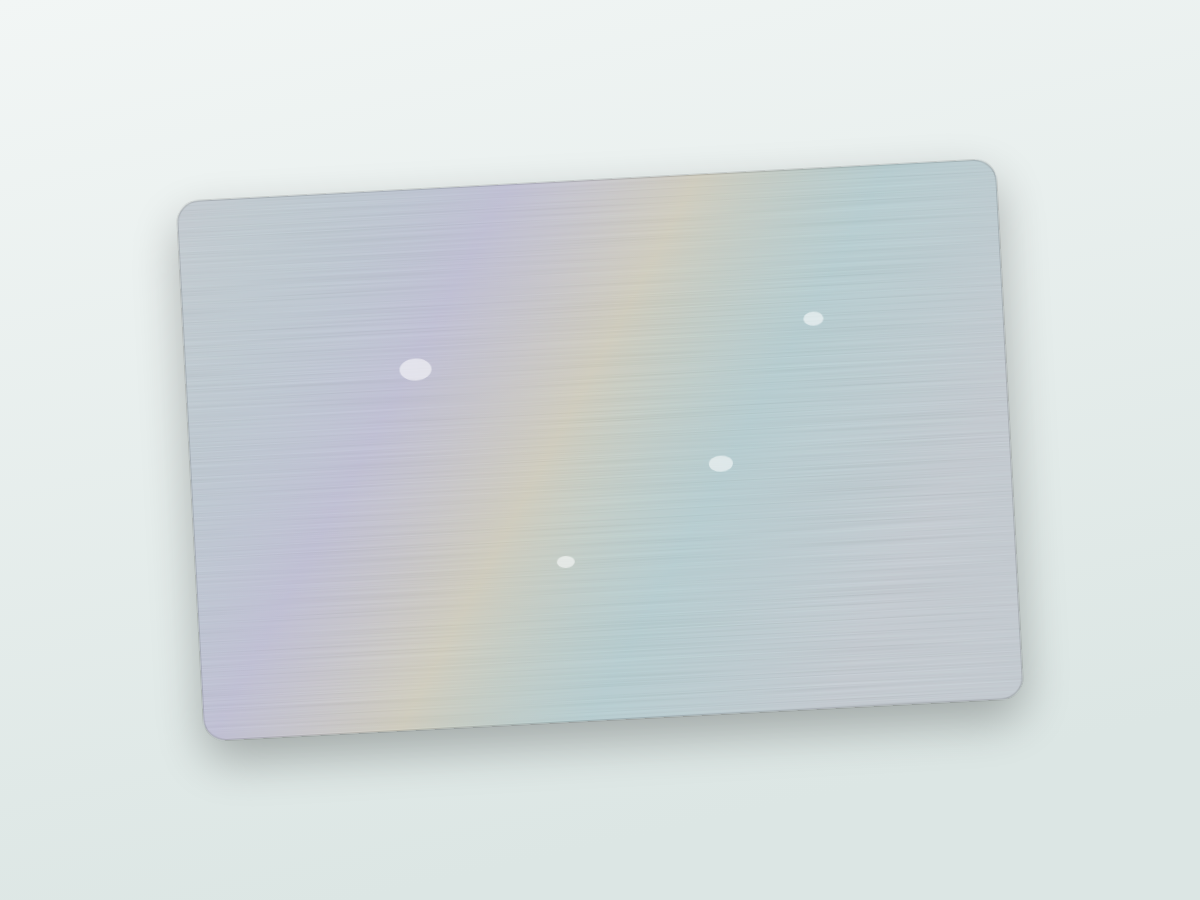
Mechanical polishing levels the surface before plating. Because the plated layer copies the texture beneath it, a mirror chrome or bright nickel finish needs a polished base.
- Role
- Pretreatment for bright plating
- Materials
- Steel, stainless steel, brass, copper, aluminum
Passivation
Stainless steel seldom needs plating for corrosion protection. Passivation restores its own chromium oxide film after machining or welding, without adding thickness or changing its appearance.
- Added thickness
- None
- Materials
- Stainless steel
Sand Blasting
Blasting before plating gives an even matte or satin base, so nickel or chrome comes out with a soft, low-glare sheen instead of copying tool marks and scratches.
- Role
- Pretreatment for satin plating
- Result
- Even matte metallic look
Powder Coating
Zinc plating under powder coating gives steel parts two layers of protection: the coating seals and colors the part, and the zinc keeps protecting the steel where the coating is chipped.
- With plating
- Applied over zinc
- Thickness
- Typically 60–120 µm
Plating is often one step of a finish sequence: parts are polished or blasted first, and zinc-plated parts may be painted or powder coated afterwards. Tell us the full sequence, so that we plan masking and thickness for every step and do every finish on the part in one place.
Electroplating FAQs
Is nickel plating better than zinc plating?
Neither is better in general. Zinc is a sacrificial coating: it corrodes first and keeps protecting steel at scratches and cut edges, which makes it the economical choice for brackets and fasteners. Nickel is a barrier coating that is harder, brighter and more wear resistant, but once it is scratched through, the steel underneath can rust. Choose zinc for low-cost rust protection, and nickel for wear, appearance or as an underlayer.
How does electroplating protect against rust?
The plated layer separates the base metal from moisture, oxygen and salts. Barrier metals such as nickel and chrome protect as long as the layer is continuous, so thickness and freedom from pores matter. Zinc goes further: it is more active than steel, so it corrodes preferentially and protects exposed steel next to it. A passivate and a sealer on top slow the corrosion of the zinc itself.
Can any metal be electroplated?
Most engineering metals can, with the right pretreatment. Steel, copper and brass plate well after cleaning and activation. Aluminum and stainless steel form oxide films that must be removed and replaced, by zincating aluminum or giving stainless steel a nickel strike. Titanium and magnesium need specialized processes. Plastics and ceramics can be plated too, after etching and chemical metallizing; we confirm the process for your material in the quote.
How thick should the plating be?
It depends on the function and the environment. Zinc on indoor steel parts is typically 5–8 µm, and 12–25 µm for outdoor or harsh service. Nickel for corrosion and wear is usually 5–25 µm, decorative chrome stays below 1 µm over nickel, and contact gold ranges from a fraction of a micrometer to about 2.5 µm. State a minimum thickness and where it is measured, because recesses receive less than edges.
Can zinc-plated parts be painted or powder coated?
Yes. Zinc is a good base for paint and powder coating, and it keeps protecting the steel where the topcoat is damaged, so the combination lasts longer than either coating alone. The surface must be clean and free of oil, and the passivate must suit the paint system, so tell us about the topcoat when you order the plating.
Is electroplating RoHS compliant and environmentally safe?
Plating uses metal salts and chemicals that must be handled, treated and disposed of under strict control. For the finished part, RoHS restricts substances such as hexavalent chromium, cadmium and lead, so compliant options such as trivalent passivates on zinc can be selected on request, and your requirement is confirmed in the quote. Our factory is also certified to ISO 14001 environmental management.
How do I specify electroplating on my drawing?
State the base material, the plating metal, the minimum thickness and where it is measured, the post-treatment such as passivate color or baking, and any standard, for example "Zinc plate per ASTM B633, Fe/Zn 8, clear trivalent passivate". Mark the faces, threads and bores that must stay bare, and say whether dimensions apply before or after plating.
How are plated parts inspected?
Parts are checked for coverage, adhesion and appearance, and against the dimensions on your drawing, with plating thickness measured where the drawing specifies it. We provide COC, COA and COT documents, and a CMM report free of charge for the dimensions you specify. If a part is wrong because of a manufacturing error on our side, we remake it free of charge.
How do I get a quote for plated parts?
Send a STEP, STP or IGES model and a PDF drawing with the material, quantity and plating callout. An engineer reviews every request and quotes within 24 hours, simple parts often in 2–4 hours, with free DFM feedback. There is no minimum order quantity, so single prototypes are as welcome as production batches.
Get a Quote for Electroplated Parts
Send us your models and drawings with the plating callout. We make and plate the parts in our own factory, and our engineers reply with a detailed quote and free DFM feedback within 24 hours.

Jane
BOHUI PROTOTYPES LIMITED
Tell me the base material, the plating and the minimum thickness you need, and point out the faces, threads or bores that must stay bare.
You can send your request first and add files later by email or WhatsApp. For confidential designs, contact me before sharing your files.
Jane
BOHUI PROTOTYPES LIMITED
- Address: Xiaobian Street, Chang'an Town, Dongguan City, Guangdong Province, China
Request a Quote
Fields marked are required.