Powder Coating Services for Metal Parts
A thick, tough and evenly colored coating that protects enclosures, frames and brackets against impact, wear and corrosion.
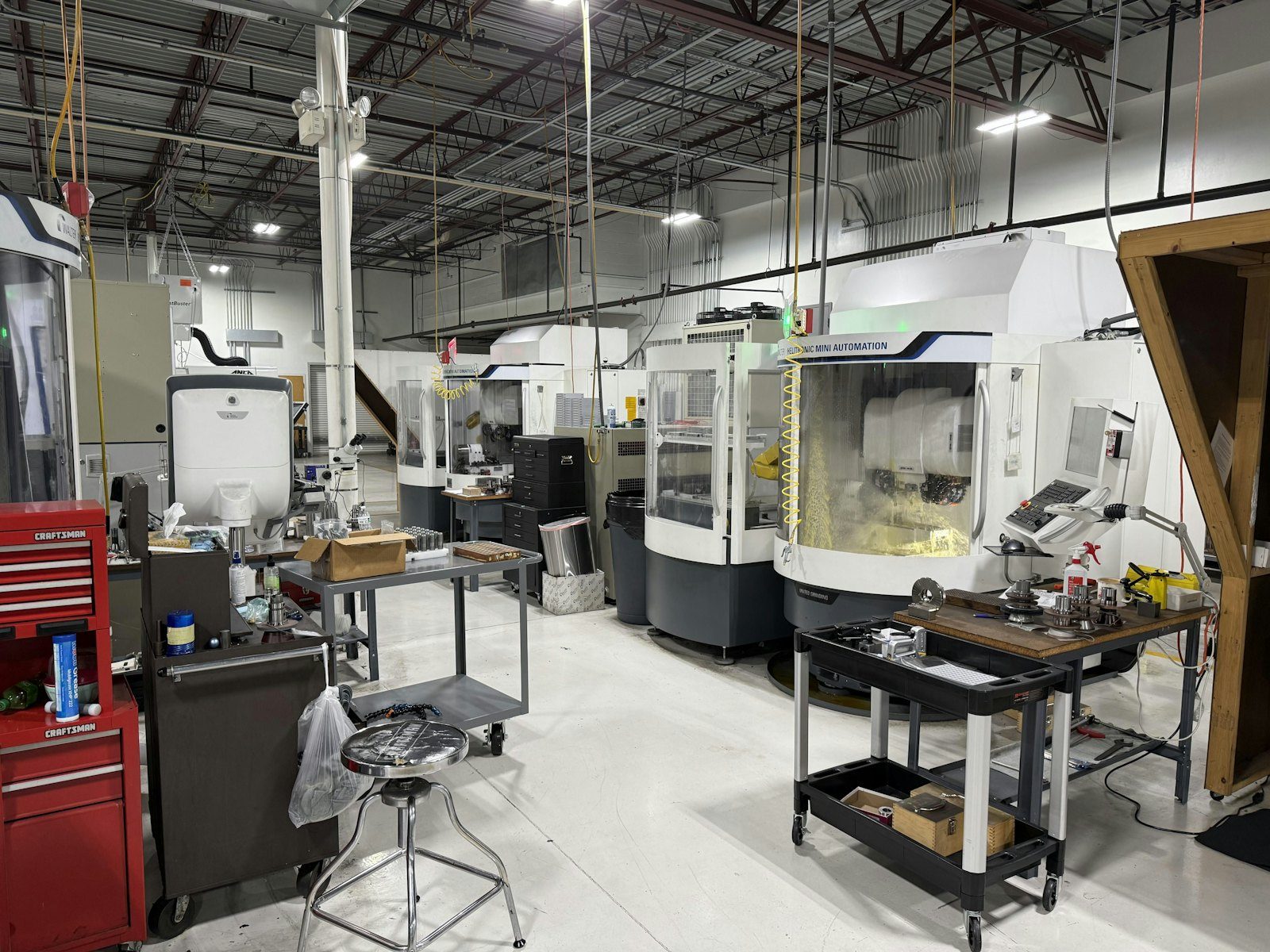
We powder coat sheet metal and CNC machined parts in aluminum, steel and stainless steel in our own factory, in RAL and Pantone colors, from matte to high gloss and from smooth to textured. Every quote is reviewed by an engineer within 24 hours, simple parts often in 2–4 hours, and there is no minimum order quantity.
What Is Powder Coating?
Powder coating is a dry finishing process. A fine powder of resin, pigment and additives is given an electrostatic charge and sprayed onto the grounded metal part, where it clings evenly to every face it can reach. The part then goes into an oven, where the powder melts, flows out and cures into a continuous, hard film.
Good adhesion starts before the powder. Parts are cleaned and degreased, and steel is usually sand blasted or given a conversion coating, aluminum a chromate or chrome-free conversion coating, so that the film bonds firmly and corrosion cannot creep under it from a scratch.
In one coat, powder builds a film several times thicker than wet paint, without drips, runs or sags. The cured coating resists chipping, scratching, fading and corrosion. It contains no solvents and releases almost no volatile organic compounds (VOCs), and overspray can be collected and reused.
Powder Coating Specifications
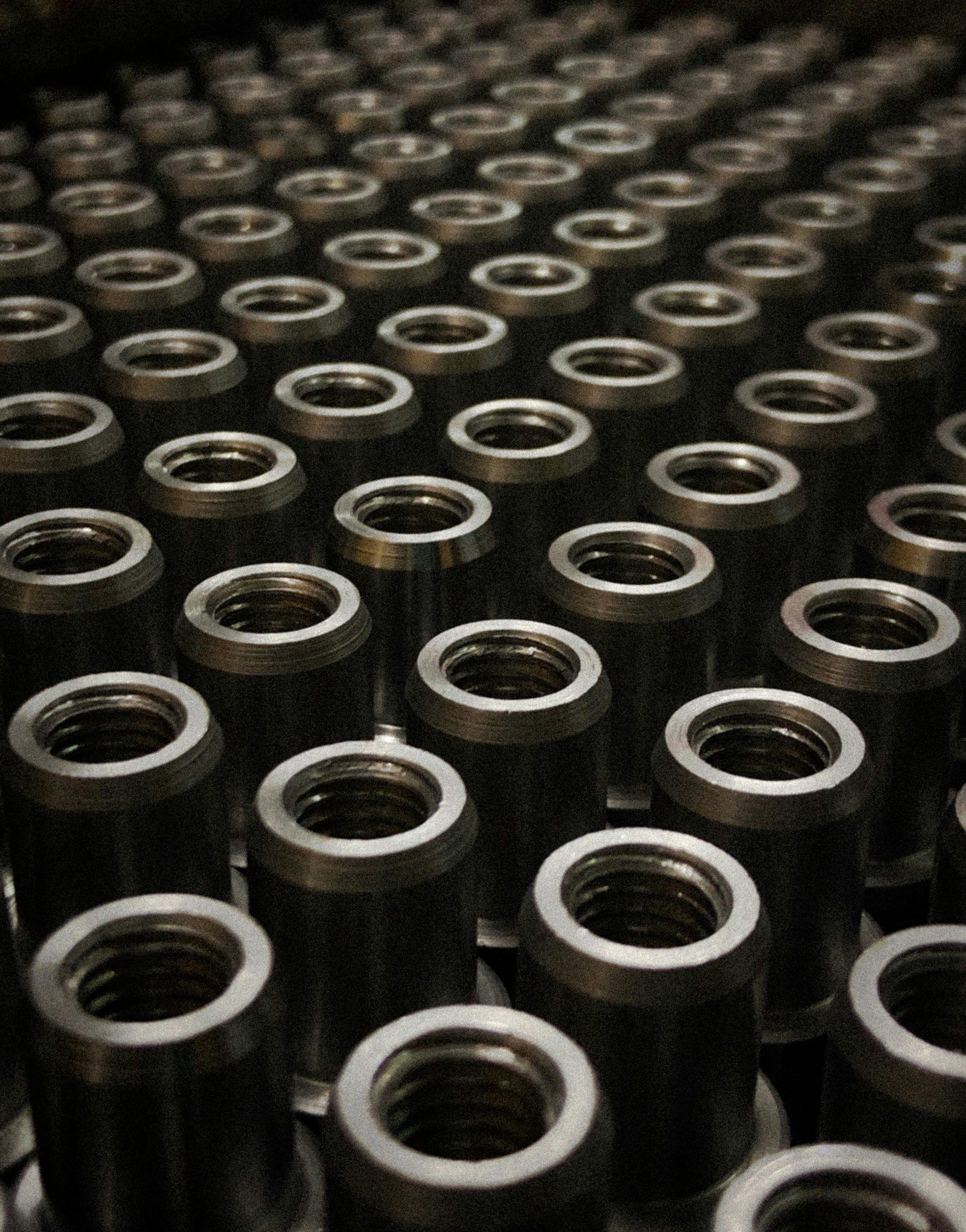
These are typical values for the powder coating we do in our own factory, for planning. Put the color code, gloss level and texture on your drawing, and we confirm them in your quote.
| Property | Specification | Notes |
|---|---|---|
| Materials | Aluminum, steel, stainless steel | Parts must withstand the curing temperature |
| Coating thickness | 50–150 µm, typically 60–120 µm | Per surface, usually in one coat |
| Colors | RAL and Pantone colors, black and white | Default RAL 9003; custom colors matched to your sample |
| Gloss | Matte below 30 GU, gloss above 70 GU | Satin and semi-gloss in between, measured at 60° |
| Textures | Smooth, fine texture, coarse texture | Textures hide handling marks and small surface flaws |
| Curing | Oven cure, typically 160–200 °C | Heat-sensitive parts and assemblies need checking |
| Appearance | Uniform, solid color with a light orange peel | For a show surface without orange peel, choose wet painting |
| Pretreatment | Cleaning plus sand blasting or conversion coating | Decides adhesion and corrosion resistance |
Advantages of Powder Coating
Powder coating is the toughest color finish for metal parts. These are its advantages, and two notes we ask you to read before you order.
One coat cures into a thick, hard film that resists chipping, scratching and fading far better than wet paint, so coated frames, enclosures and brackets keep their look for years.
RAL and Pantone colors, black and white, from matte below 30 GU to gloss above 70 GU, smooth or textured: powder covers almost any color and finish a design calls for.
The powder contains no solvents and releases negligible volatile organic compounds when it cures, and overspray is collected and reused, which makes it a cleaner finish than solvent-based paint.
Over a proper pretreatment, the closed film gives steel and aluminum parts reliable protection against rust and corrosion and extends the service life of the metal underneath.
Our default powder color is RAL 9003, signal white. We still confirm the color, gloss level and texture with you before production when your drawing does not state them.
Outdoor use, chemical exposure or corrosive immersion need a different powder and pretreatment. Name these conditions in your request, and we choose the most durable system for them.
Powder Coating Types
The resin decides where a powder coating performs best. We coat with all three in our own factory. Tell us whether your part is used indoors or outdoors and what it is exposed to, and we choose the powder system with you.
Polyester Powder
Polyester powders keep their color and gloss in sunlight and weather, so they are the standard choice for outdoor cabinets, frames, brackets and equipment housings. They combine good flexibility and impact resistance with a wide range of colors and textures.
- Best for
- Outdoor and general-purpose parts
- UV resistance
- Good color and gloss retention
Epoxy Powder
Epoxy powders give the hardest films with the best chemical and corrosion resistance and excellent adhesion. They chalk and yellow in sunlight, so they are used indoors, for machine parts, tool and electrical housings, and as a protective primer under a polyester topcoat.
- Best for
- Indoor parts, chemical exposure
- UV resistance
- Low; chalks outdoors
Hybrid Epoxy-Polyester
Hybrid powders blend both resins into a smooth, economical coating with good decorative quality and better resistance to overbake yellowing than pure epoxy. They suit indoor enclosures, furniture, appliance panels and consumer products that are not exposed to direct sunlight.
- Best for
- Indoor decorative parts
- UV resistance
- Moderate
Materials for Powder Coating
Powder coating is a finish for metals that conduct the electrostatic charge and survive the curing oven. The base metal decides the pretreatment, so our engineers check the grade and the operating environment with every quote. Material certificates are available on request.
Metals
Steel, galvanized steel, aluminum and stainless steel, in sheet or machined form.
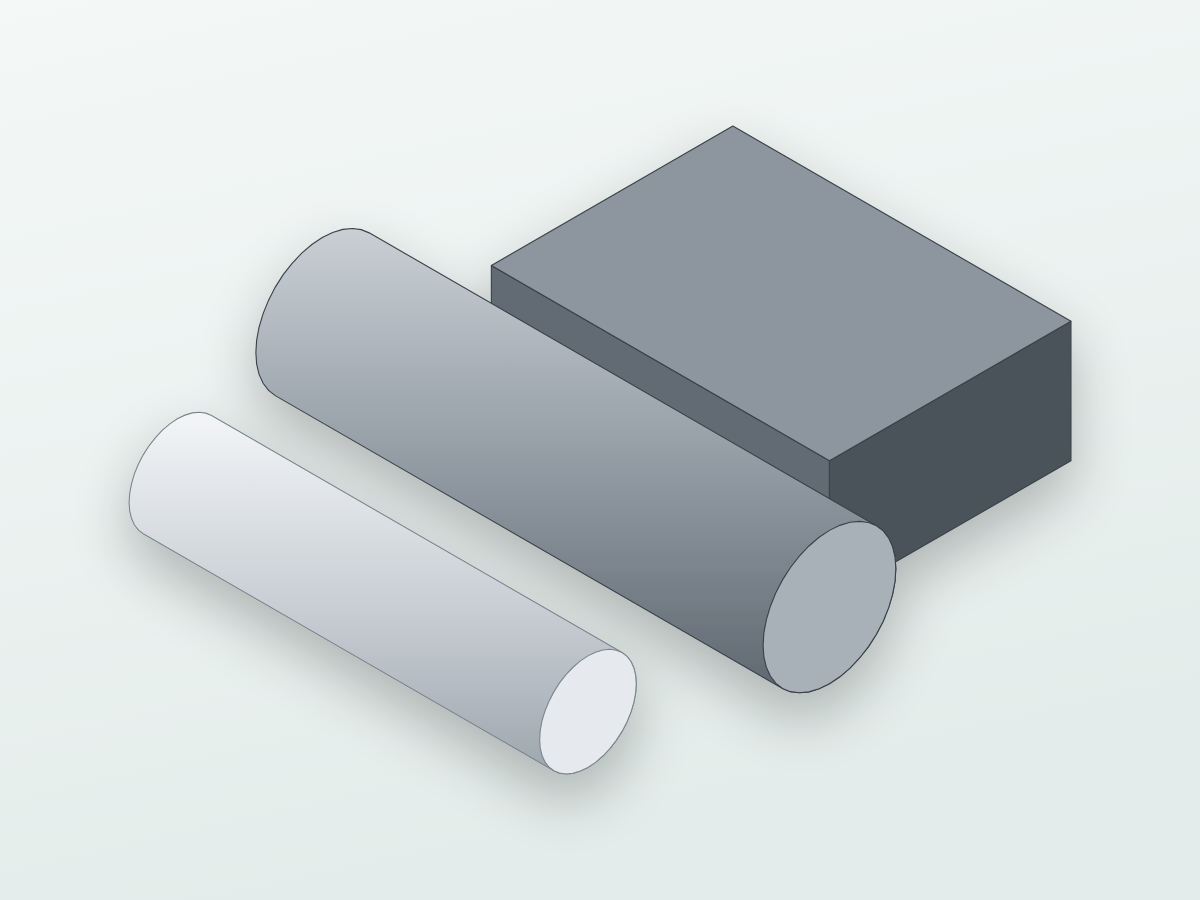
Carbon Steel
Bare steel rusts quickly, so powder coating is its most common protective finish. Cold-rolled sheet gives the smoothest result; hot-rolled steel is blasted first to remove mill scale.
Pretreatment
Degreasing, sand blasting or phosphate conversion coating
Typical parts
Machine frames, electrical cabinets, brackets, guards and chassis
Galvanized Steel
A zinc layer under the powder gives the best corrosion protection for outdoor steel. The zinc needs a suitable pretreatment and degassing, otherwise trapped gas can leave pinholes in the coating.
Pretreatment
Light sweep blasting or a zinc-compatible conversion coating
Typical parts
Outdoor cabinets, charging stations, roof and wall equipment
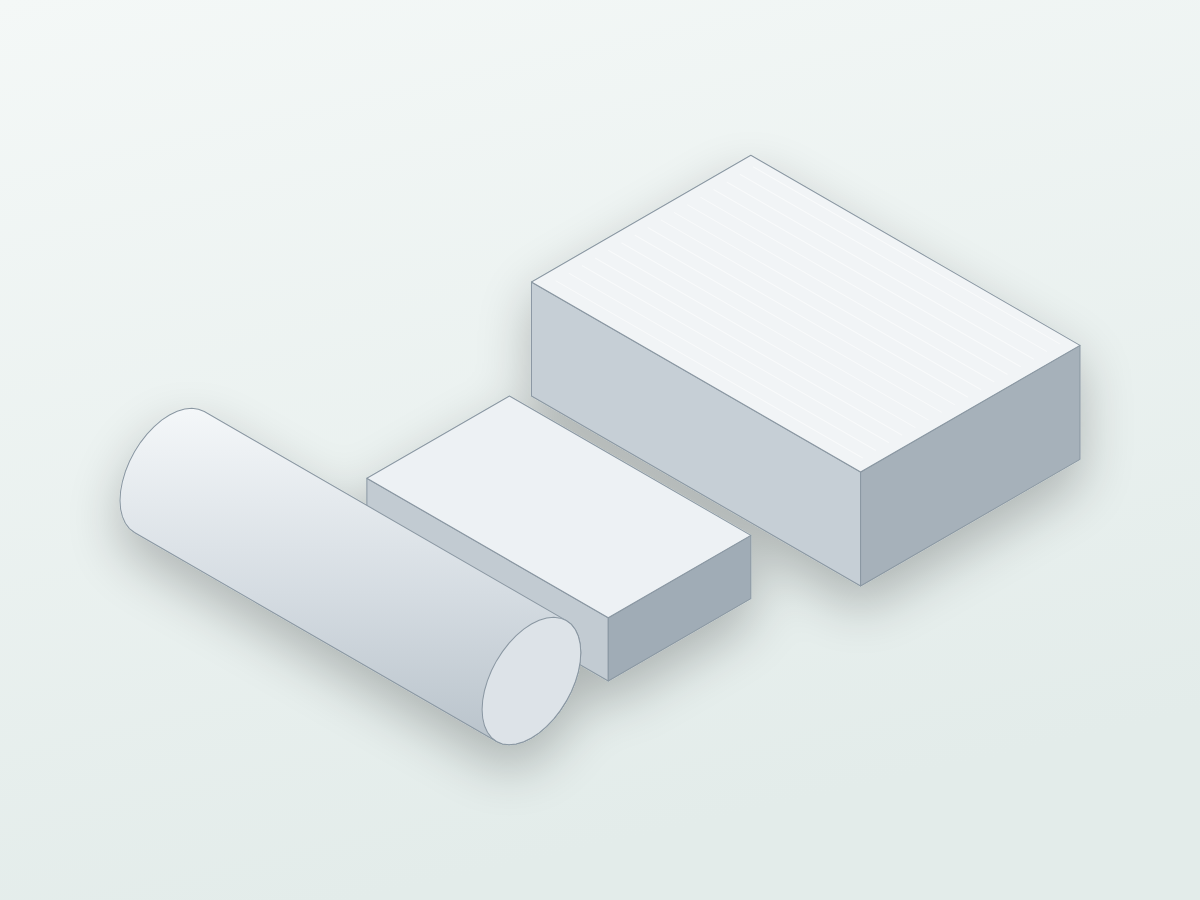
Aluminum
Powder-coated aluminum is light and does not rust under a damaged coating, which makes it a durable choice for enclosures and outdoor parts. Castings are preheated to drive out trapped gas before coating.
Pretreatment
Chromate or chrome-free conversion coating, or sand blasting
Typical parts
Electronic enclosures, heat sinks, drone and robot frames, panels
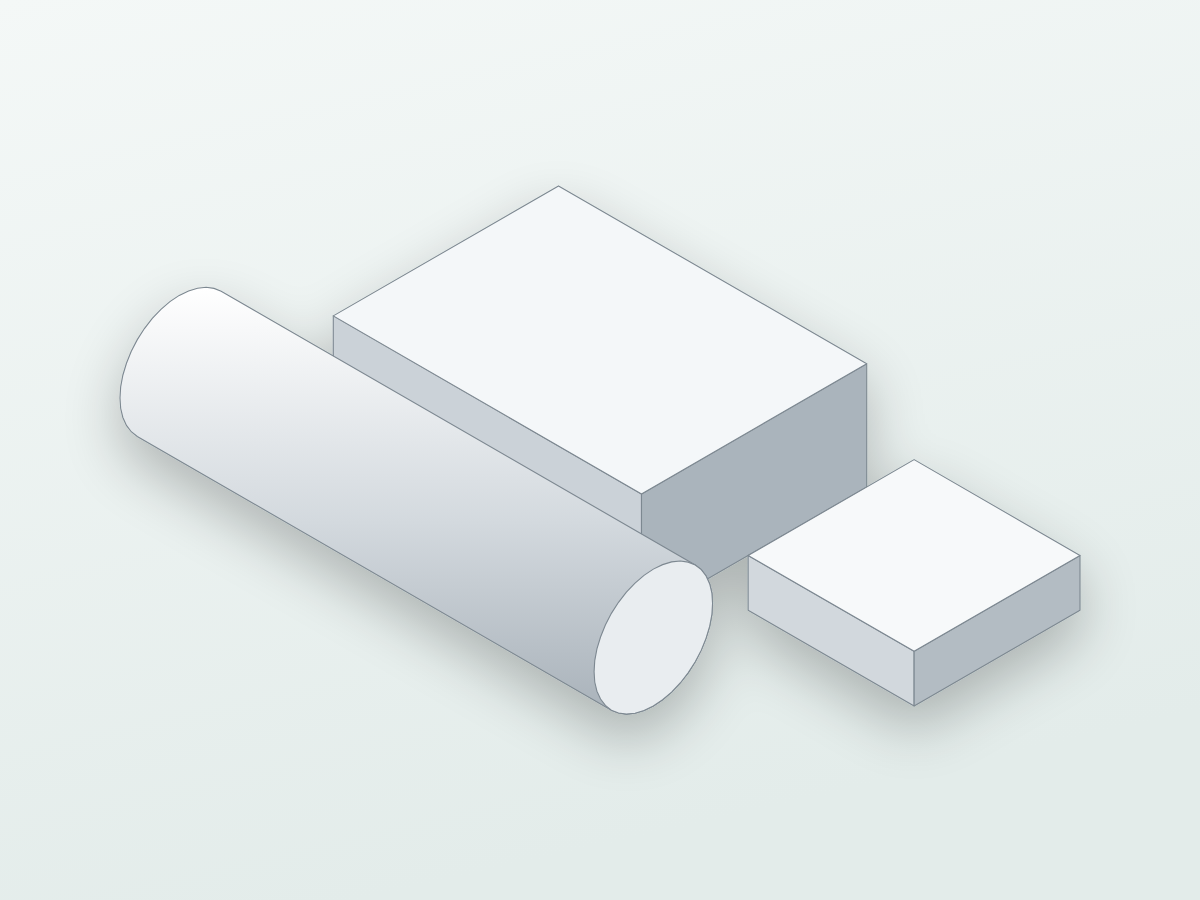
Stainless Steel
Stainless steel is coated for color and identification rather than for corrosion protection. Its smooth, passive surface must be roughened by blasting for the powder to bond reliably.
Pretreatment
Sand blasting and degreasing
Typical parts
Colored food and medical equipment covers, outdoor fittings
Powder Coating Applications
Powder coating protects and colors metal parts wherever they are handled every day, face the weather or must stand up to knocks, cleaning agents and wear.
Automotive
Brackets, battery boxes, charger housings and frames are powder coated against road salt, stone chips and moisture, with durable black and color finishes for vehicles, charging equipment and test rigs.
- Typical parts
- Brackets, battery trays, charger housings, frames, test fixtures
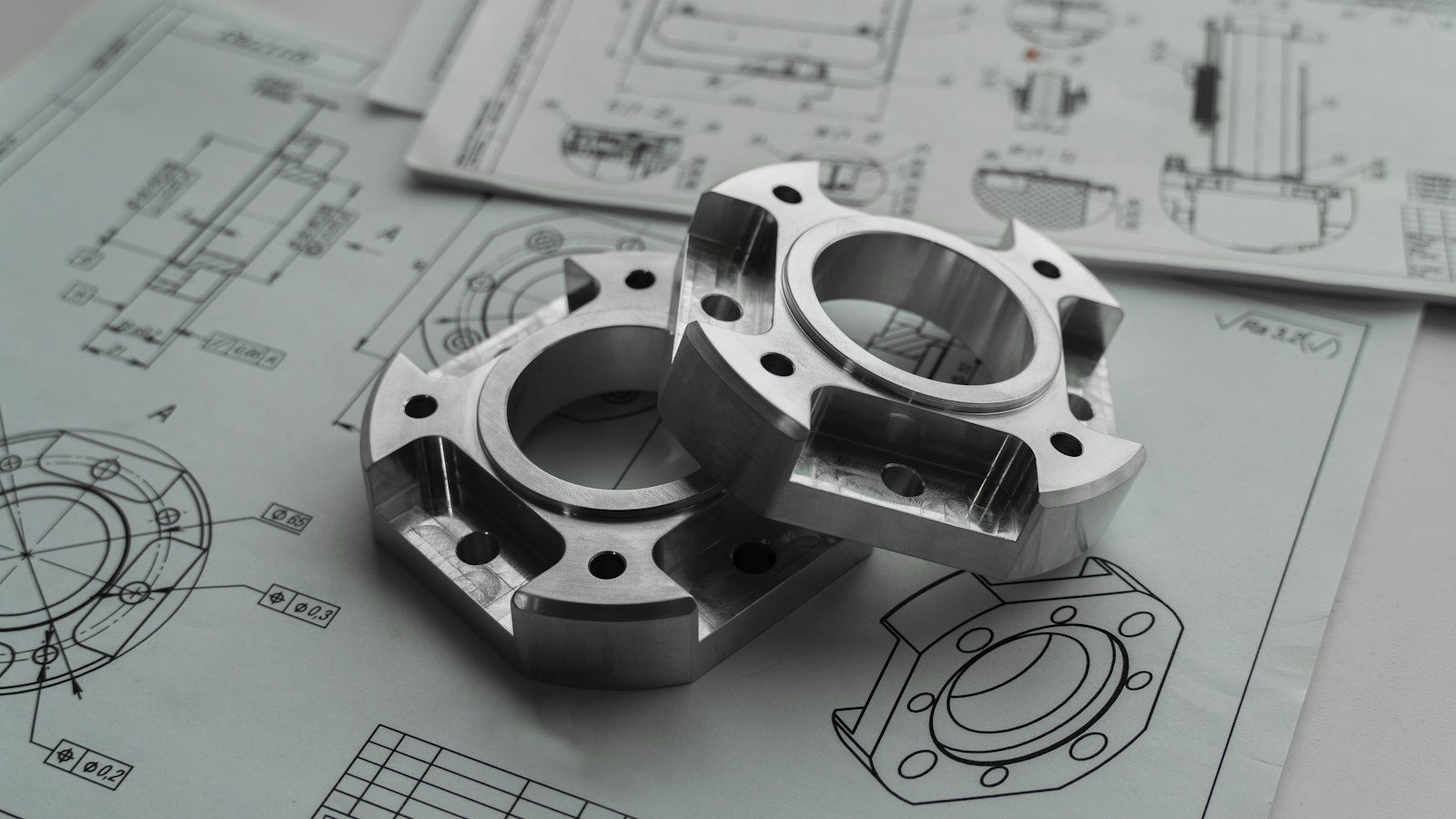
Aerospace
Interior parts, ground support equipment and test-stand frames receive a tough, durable and easy-to-clean coating, usually over an aluminum conversion coating, wherever the drawing does not specify an aircraft-grade paint system.
- Typical parts
- Ground support frames, equipment racks, cabinet panels, test stands
Electronics
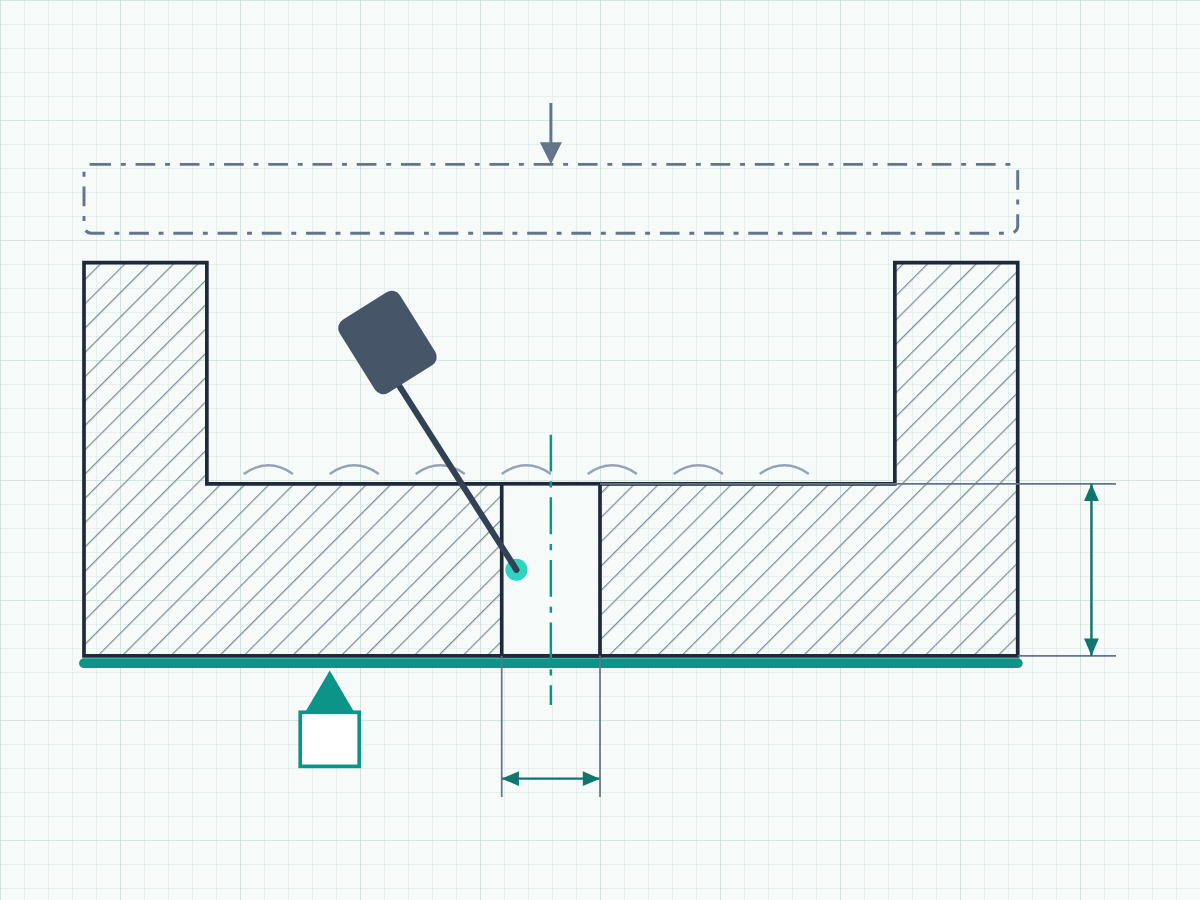
Enclosures, rack chassis and heat sinks get an insulating, corrosion-resistant coating in brand colors, with grounding points, threads and contact faces masked so that they stay bare, conductive and to size.
- Typical parts
- Enclosures, rack panels, chassis, heat sinks, control boxes
Medical Devices
Equipment housings, carts and clinic furniture are coated with smooth, hard finishes that withstand frequent cleaning and disinfection and keep one consistent color and gloss across a whole product family.
- Typical parts
- Equipment housings, carts, stands, monitor arms
Consumer Products
Appliances, furniture, bicycles, lighting, garden tools and outdoor products use powder coating for a durable, colorful finish that resists wear, scratches and fading, indoors as well as in sun and rain.
- Typical parts
- Appliance panels, lamp bodies, furniture frames, speaker grilles
Industrial Equipment
Machine guards, control cabinets and conveyor frames are coated in safety and machine colors, with a film that resists oil, coolant, cleaning agents and daily handling on the factory floor.
- Typical parts
- Machine guards, control cabinets, conveyor frames, sensor brackets
Design Considerations for Powder-Coated Parts
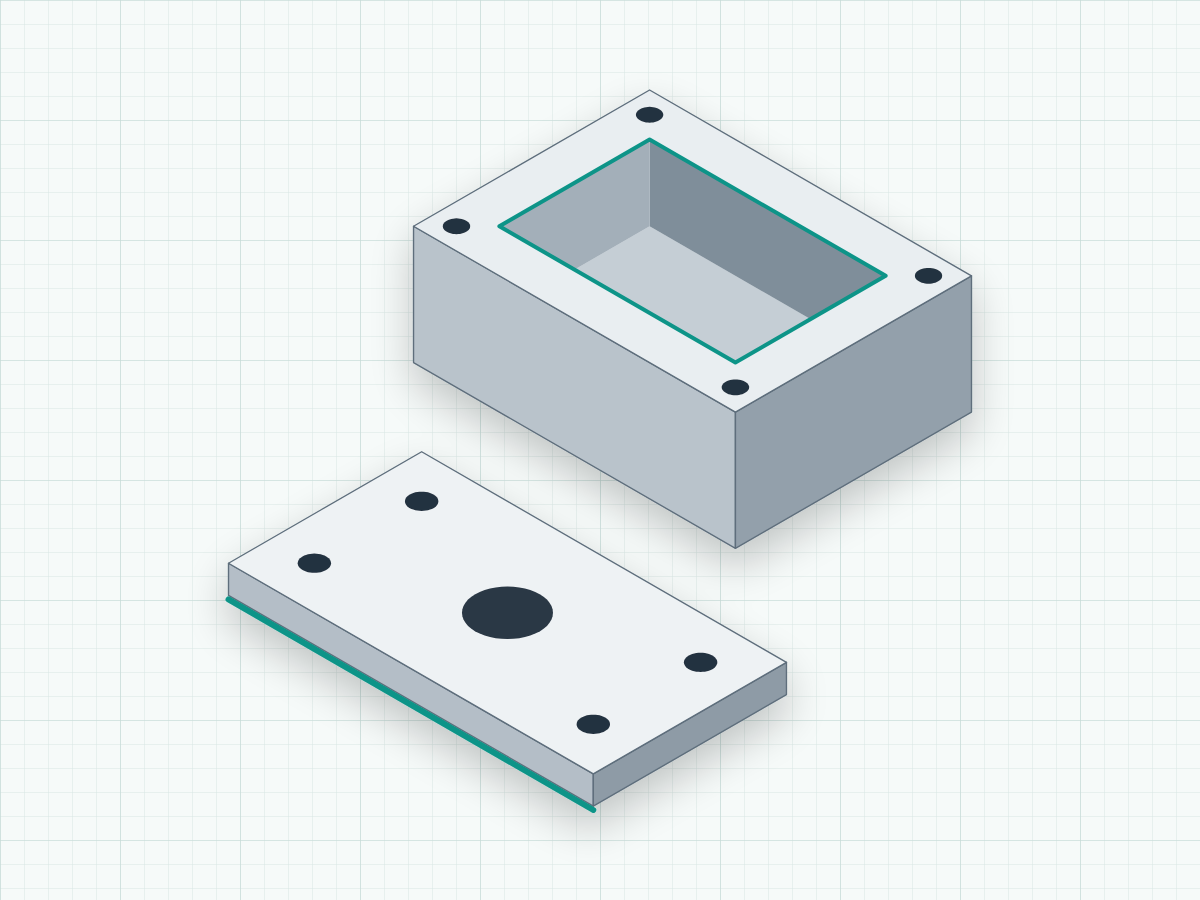
Powder coating is a thick finish, so it changes fits and has to be planned on the drawing. These points help you get an even, durable coating, and our free DFM review flags anything that adds risk before production.
| Consideration | Recommendation | Why |
|---|---|---|
| Fits and holes | Allow 60–120 µm per coated surface | Holes, slots and threads become smaller |
| Masking | Mark threads, bores, contact and grounding faces | Masked areas stay bare, conductive and to size |
| Edges and small features | Break sharp edges; avoid very fine details | Powder builds up on edges and fills fine features |
| Recesses and inside corners | Keep them open and shallow | The electrostatic field keeps powder out of deep corners |
| Hanging points | Provide a hole or a hidden area to hang the part | Contact points stay uncoated |
| Hardware | Press in hardware before coating and mask its threads | Coating in threads blocks screws, and pressing in cracks the film |
| Environment | State outdoor, chemical or immersion use | It decides the powder type and pretreatment |
| Callout | RAL or Pantone code, gloss level and texture | One line defines the appearance |
Powder Coating Compared with Related Finishes
Powder coating is often weighed against these finishes or combined with them, and all of them are done in our own factory. Each card shows where the other finish fits better and how it works with powder coating.
Painting
Wet paint gives thinner, smoother coats and exact color matching, and it needs no curing oven, so it also suits plastics and heat-sensitive parts. It is less resistant to impact and abrasion than powder.
- Thickness
- Typically 25–50 µm
- Best for
- Cosmetic panels, plastics, tight fits
E-Coating
Electrophoretic coating deposits an even film on every surface, including box sections and recesses that spray cannot reach. It is used alone as a black finish or as a corrosion-resistant primer under powder.
- Thickness
- Typically 15–30 µm, even in recesses
- With powder coating
- E-coat primer, powder topcoat
Sand Blasting
Blasting removes scale, rust and laser-cut oxide and roughens the surface, so the powder bonds firmly. It is the usual preparation for steel and stainless steel, and a finish of its own for bare matte parts.
- Role
- Cleaning and keying before coating
- Media
- Aluminum oxide, steel grit, glass bead
Alodine
A chromate conversion coating under the powder bonds it to aluminum and stops corrosion from creeping under a scratch. On masked grounding points it stays bare and conductive while the rest of the part is coated.
- With powder coating
- Pretreatment and grounding points
- Materials
- Aluminum
Electroplating
Zinc or nickel plating protects screws, studs and small hardware that are too fine for a thick powder film. Plated hardware is pressed into the coated part, or masked during coating, so threads stay clean.
- Thickness
- Typically 5–25 µm depending on the metal
- With powder coating
- Plated hardware, coated part
Coated parts often combine finishes: a powder-coated enclosure may carry alodined grounding points, masked threads and plated hardware. Tell us the full sequence, so that we plan masking and allowances once and run every step in our own factory.
Powder Coating FAQs
Is powder coating better than liquid paint?
For most metal parts, yes. Powder builds a thicker, more uniform film in one coat, without drips, runs or sags, and it resists chipping, scratching and corrosion better. It also releases almost no VOCs, and overspray can be reused. Wet painting is the better choice for plastics, heat-sensitive assemblies, very thin films on tight fits and show surfaces that must be completely smooth or exactly color-matched.
How thick is a powder coating?
A powder coating is typically 60–120 µm per surface, within a range of about 50–150 µm, depending on the powder, the color and the number of coats. That is several times thicker than wet paint or plating. Plan for it on holes, slots, threads and mating faces, or mark these areas for masking, and state whether dimensions apply before or after coating.
Can plastic or wood be powder coated?
Yes, with specific preparation. Standard powders cure at about 160–200 °C, which most plastics and wood cannot withstand, and they rely on a conductive surface for the electrostatic charge, so we use low-temperature powders and conductive primers for plastics, wood and ceramics. The results depend strongly on the substrate, so approve a coated sample first. For plastic parts, wet painting is usually the more reliable way to add color and protection.
Does my part need sand blasting before powder coating?
Usually, yes. Blasting removes rust, mill scale, laser-cut oxide and old coatings and roughens the surface, so the powder bonds firmly and evenly. Steel and stainless steel are normally blasted; aluminum and galvanized steel may receive a conversion coating instead or as well. Skipping pretreatment is the most common reason for coatings that peel or blister later.
How long does powder coating take?
The coating cycle itself, from pretreatment through spraying and curing, typically takes about four hours. The total time depends on the part size and quantity, the pretreatment, masking, the color and whether a second coat is needed. Special colors may need extra time to source the powder. We confirm the full schedule, including coating and shipping, with your quote.
Can a chipped or scratched powder coating be repaired?
A deep chip exposes the metal, and on steel, corrosion can start there, so damage should be repaired. Small chips and scratches can be touched up with matching paint, and larger areas can be stripped and recoated. A good pretreatment, such as a conversion coating under the powder, keeps corrosion from creeping under the film around damage.
How do I specify powder coating on my drawing?
Give the color code (RAL or Pantone), the gloss level, the texture and the coated surfaces, for example "Powder coat RAL 9005, matte, fine texture, all external surfaces". Mark masked areas, such as threads, grounding points and mating faces, and state the environment the part will face. If you have a color sample, send it, and we match the color and approve it with you.
Which color do you use if my drawing does not give one?
Our default powder color is RAL 9003 (signal white), but we do not apply it without asking: if a drawing calls for powder coating without a color, gloss level or texture, our engineers ask you before production and confirm the choice in writing. For a new product or a brand color, we can coat a sample part first, so that you approve the color and gloss before the batch is coated.
Is powder coating suitable for outdoor parts?
Yes, with the right powder and pretreatment. Polyester powders keep their color and gloss in sunlight, while epoxy powders chalk outdoors and are used indoors or as a primer. For coastal, humid or chemical environments, we combine the powder with galvanized steel, a conversion coating or an E-coat primer. Tell us the environment, and we suggest the most durable system.
Get a Quote for Powder-Coated Parts
Send us your models and drawings with the color, gloss and texture. We make and powder coat the parts in our own factory, and our engineers reply with a detailed quote and free DFM feedback within 24 hours.

Jane
BOHUI PROTOTYPES LIMITED
Tell me the material, the color code, the gloss level and the quantity, and point out the threads, holes and faces that must stay free of coating.
You can send your request first and add files later by email or WhatsApp. For confidential designs, contact me before sharing your files.
Jane
BOHUI PROTOTYPES LIMITED
- Address: Xiaobian Street, Chang'an Town, Dongguan City, Guangdong Province, China
Request a Quote
Fields marked are required.