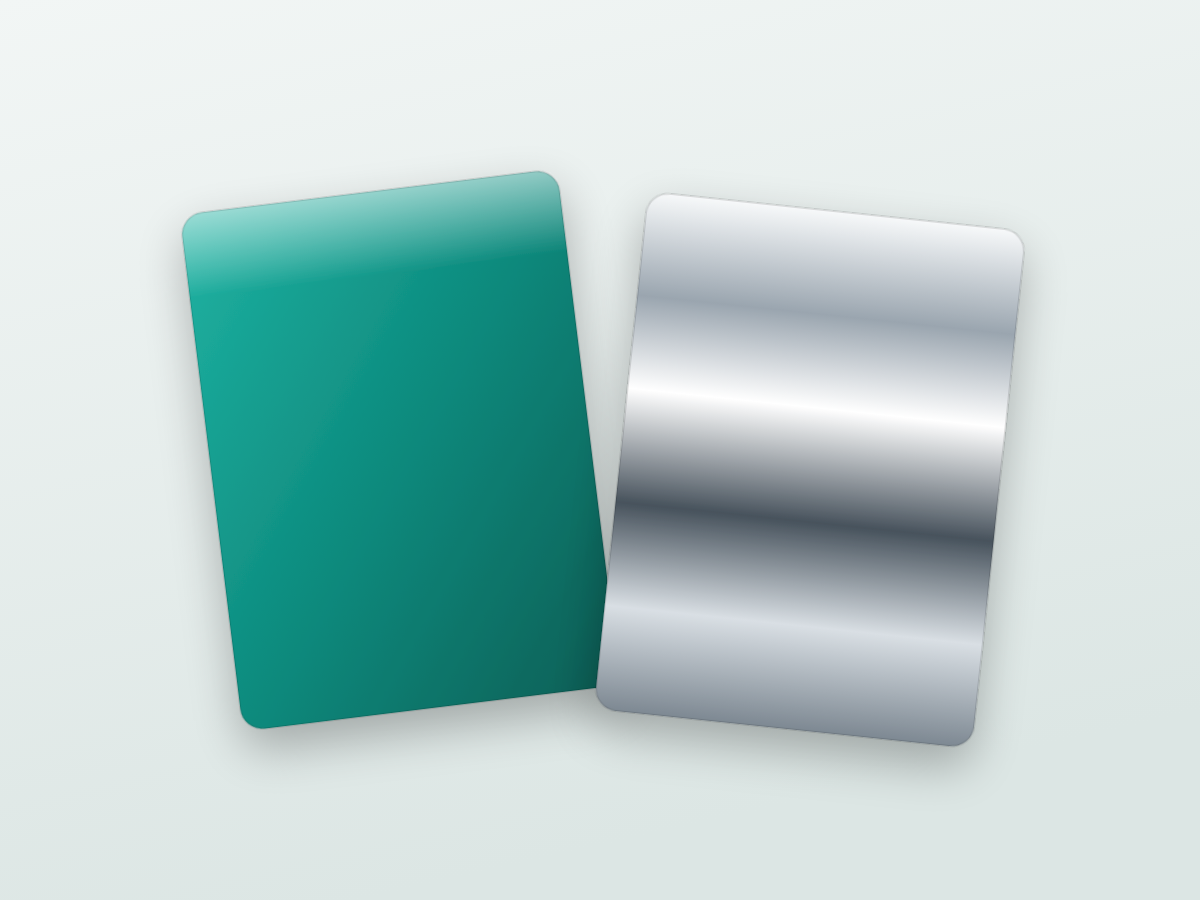
Electrophoretic Coating (E-Coating)
An electrically deposited paint film that coats every surface of a metal part evenly, including edges, seams and box sections that spray guns cannot reach.
We e-coat sheet metal and CNC machined parts in our own factory, as a durable one-coat finish in black, white, grey, RAL or Pantone colors, or as a corrosion-resistant primer under powder coating and paint. There is no minimum order, and an engineer will quote within 24 hours, simple parts often in 2–4 hours.
What Is Electrophoretic Coating?
Electrophoretic coating, also called e-coating, electrocoating or electrophoretic deposition, is a painting process that uses electric current instead of a spray gun. The part is immersed in a water-based bath of resin and pigment particles that carry an electric charge, and a voltage is applied between the part and electrodes in the tank.
The charged paint particles migrate to the part, lose their charge at its surface and deposit as a solid film. Wherever the film builds up, it insulates the metal, so the current moves on to bare areas until edges, seams and recesses open to the bath are evenly covered. After rinsing, the part is cured in an oven into a hard, continuous coating. In modern cathodic e-coating, the part is the cathode.
Before coating, parts are degreased and given a phosphate or zirconium conversion layer, which decides adhesion and corrosion life. E-coat gives strong corrosion protection, an even thickness and a good fit on tight-tolerance parts, and it works with many other finishes, but it does not add wear resistance.
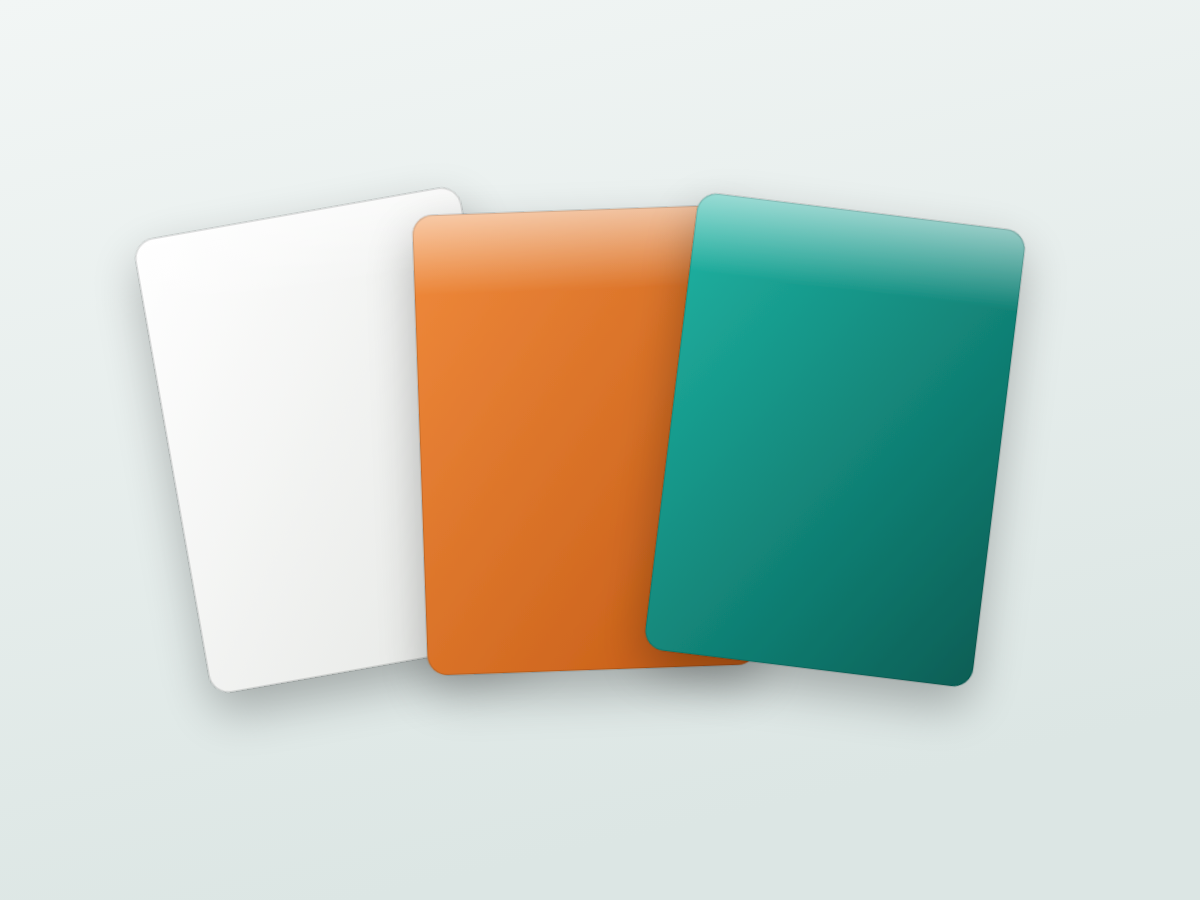
E-Coating Specifications
Typical values for the e-coating we apply in our own factory. Give the coating system, color and any corrosion requirement on your drawing, and we confirm them in your quote.
| Property | Specification | Notes |
|---|---|---|
| Film thickness | 15–30 µm | Even on edges, seams and recesses open to the bath |
| Colors | Black, white and grey; RAL and Pantone colors | Clear and tinted films keep a metallic look |
| Gloss | Matte, satin or gloss | Agree a gloss level or a sample for visible parts |
| Base materials | Steel, galvanized and zinc-plated steel, aluminum, brass | Each metal needs its own pretreatment |
| Pretreatment | Degreasing, then phosphate or zirconium conversion | Decides adhesion and corrosion life |
| Curing | Oven bake, typically about 150–190 °C | No plastic or rubber inserts during curing |
| Wear resistance | Not increased | Use a harder finish or a topcoat where parts rub or slide |
| Fit | Thin, even film suits fits and threads | Mask bores, threads and grounding faces that must stay bare |
Advantages of E-Coating
E-coat protects every surface the bath can reach and works as a finish or as a primer. Its one limit, no added wear resistance, is in the specifications above and the design considerations further down.
Paint deposits wherever current reaches, then insulates the metal and moves on, so the film is uniform and full on faces, edges, seams and recesses open to the bath, with few thin spots.
Over a phosphate or zirconium pretreatment, the cured film seals the metal on every surface, including inside box sections and seams, where corrosion usually starts.
Black, white and grey are the usual colors, and RAL and Pantone colors are available, in matte, satin or gloss, either as a one-coat finish or as a primer.
Clear and tinted films let the metal show through, so polished, plated or brushed parts keep their luster while the film protects them against tarnish and corrosion.
The film is thin, typically 15–30 µm, and even, so fits, threads and hole positions stay predictable; bores and threads that must stay bare are masked.
E-coat goes over zinc plating, phosphate and conversion coatings and under powder coating or paint, so it fits into a complete coating system for the part.
E-Coating Types
The resin decides how the coating performs. E-coating runs in our own factory: tell us where the part is used and how it should look, and we choose the system with you.
Epoxy E-Coat
Cathodic epoxy e-coat gives the best corrosion resistance and adhesion of the common systems, which is why it primes car bodies, chassis parts and brackets. It chalks in direct sunlight, so it is used on parts out of UV light or as a primer under a topcoat.
- Colors
- Usually black or grey
- Best for
- Corrosion protection, primer
Acrylic E-Coat
Acrylic e-coat resists sunlight and keeps its color and gloss, so it serves as a complete one-coat finish on visible parts such as appliance panels, hardware and outdoor fittings. Its corrosion resistance is somewhat lower than epoxy, but it comes in a wider range of colors.
- Colors
- Black, white, RAL or Pantone references
- Best for
- Visible parts, outdoor exposure
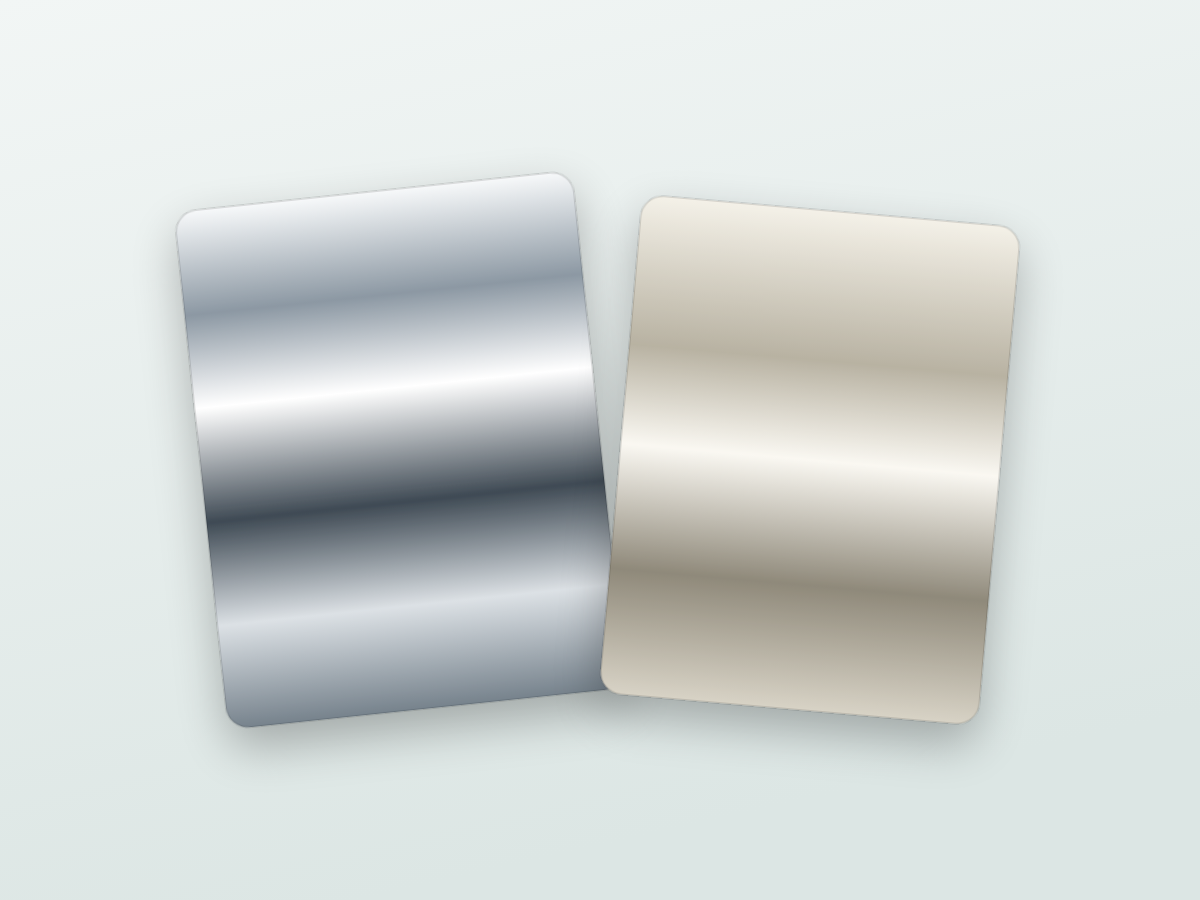
Clear and Tinted E-Coat
A thin transparent or tinted acrylic film protects plated, polished or brushed parts against tarnish, fingerprints and corrosion while the metal shows through. It is common on zinc-plated, nickel-plated and brass hardware, where it keeps the bright finish from dulling in use.
- Tints
- Clear, gold, bronze or black
- Appearance
- Metallic luster under a clear film
Materials for E-Coating
E-coating works on any metal that conducts electricity and survives the curing oven. The base metal decides the pretreatment, and the pretreatment decides how long the coating protects, so our engineers check the material with every quote.
Metals
Material certificates are available on request.
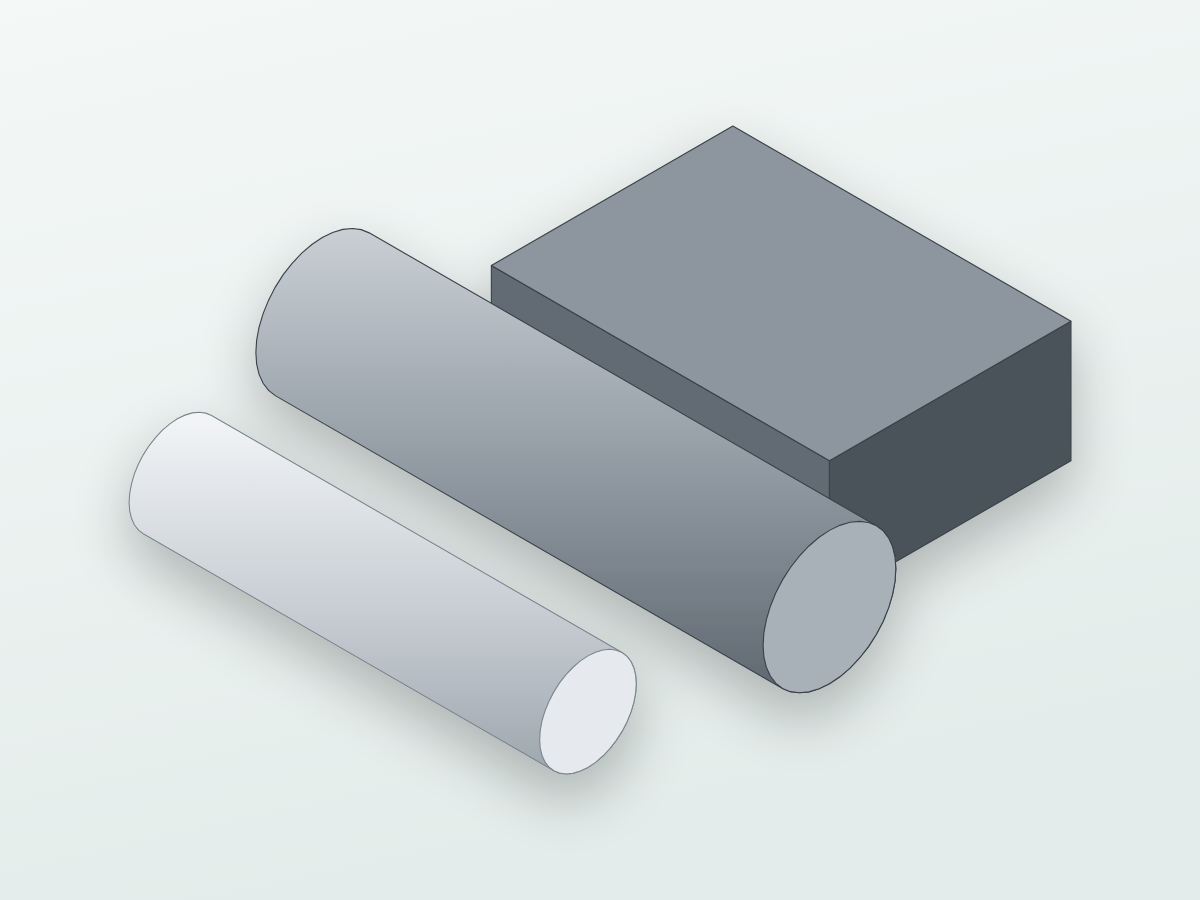
Carbon Steel
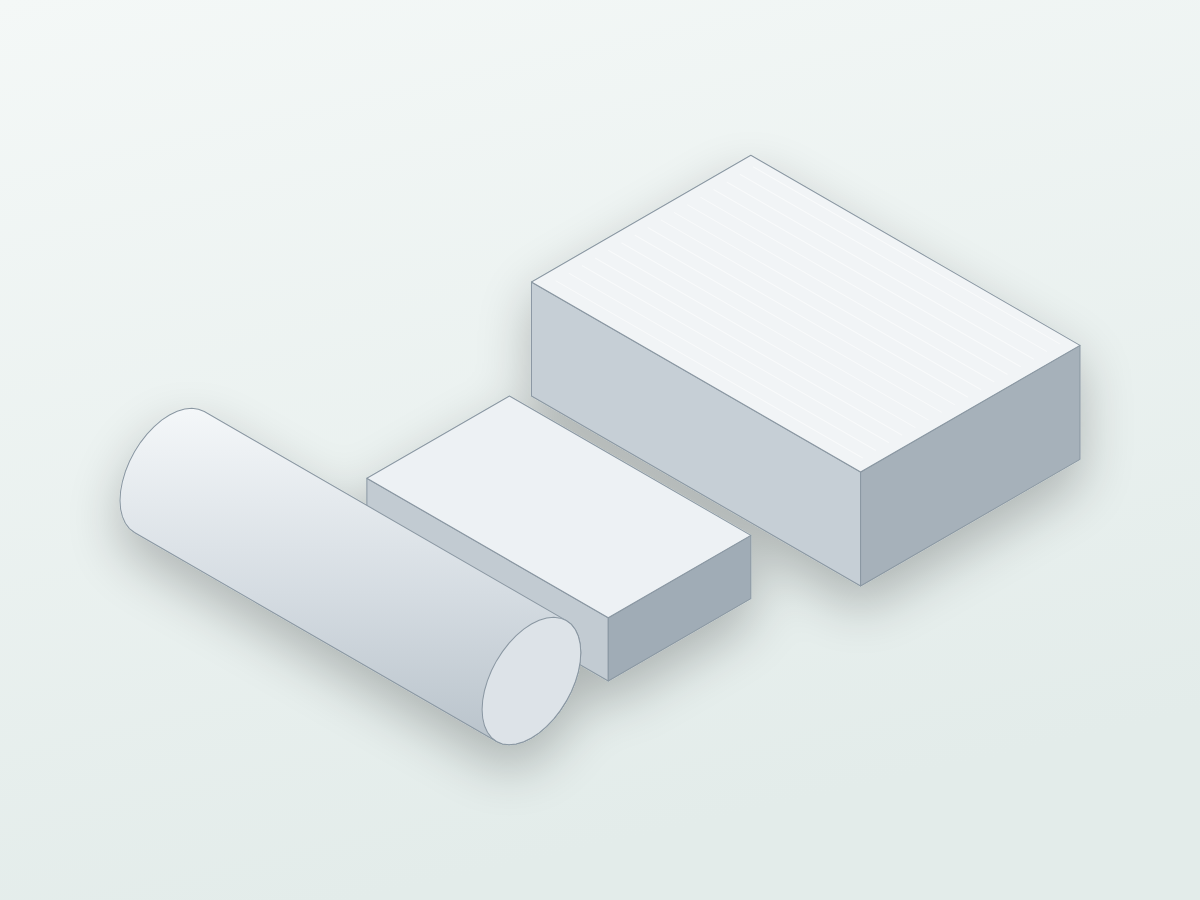
The most common base for e-coat. Cold-rolled sheet and machined or welded steel parts are phosphated before coating, which gives the strong adhesion and corrosion resistance that vehicle and equipment parts need.
Usual system
Epoxy e-coat, bare or under a powder or paint topcoat
Typical parts
Brackets, frames, chassis parts, enclosures
Galvanized and Zinc-Plated Steel
E-coat over zinc combines barrier and sacrificial protection, so cut edges and scratches resist rust for longer. A clear or black e-coat over zinc plating also keeps hardware looking even and stops white rust.
Usual system
Epoxy or clear acrylic e-coat over zinc
Typical parts
Hardware, fasteners, hinges, mounting plates
Aluminum
Aluminum receives a conversion coating such as alodine or a zirconium treatment before e-coating, so the film bonds firmly and corrosion cannot creep under it from a scratch.
Usual system
Acrylic or epoxy e-coat over a conversion coating
Typical parts
Housings, profiles, heat sinks, trim
Brass and Copper
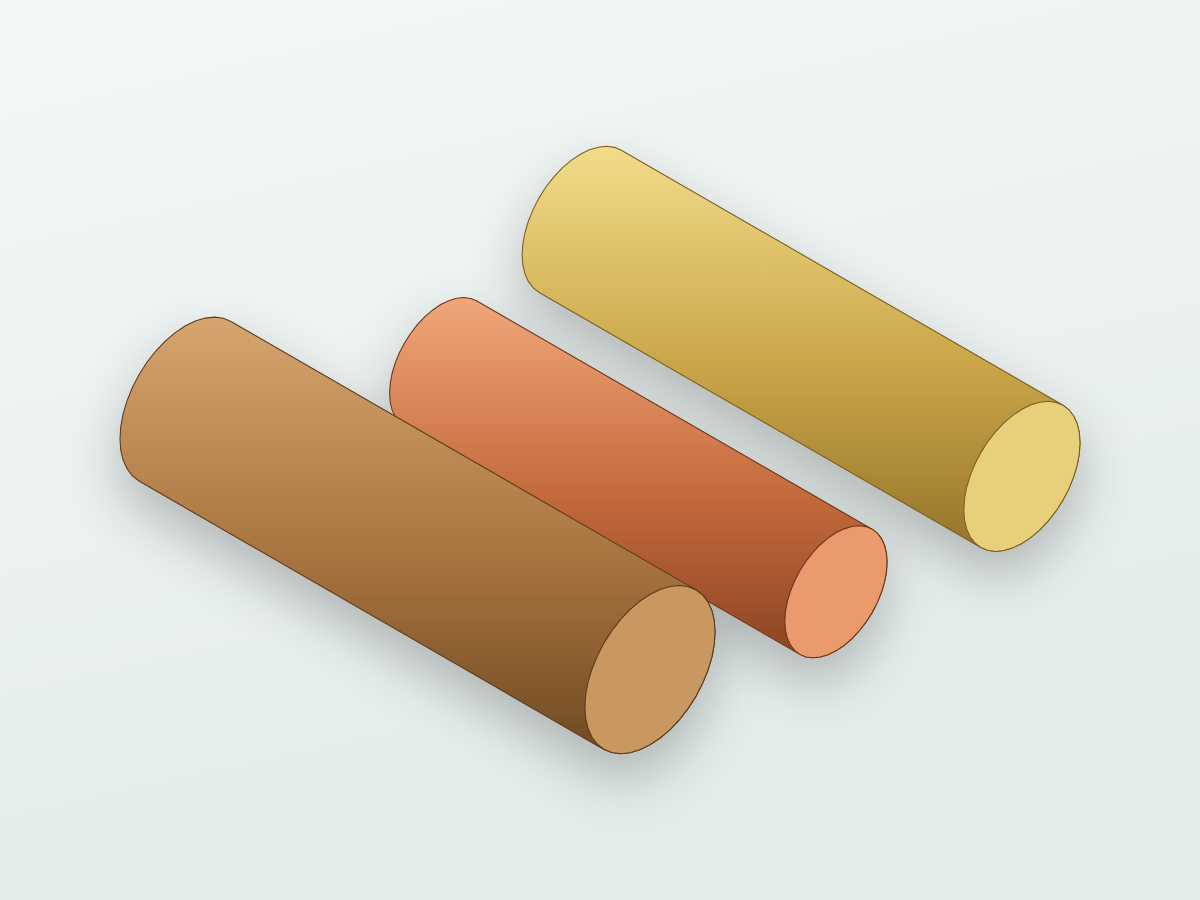
Brass and copper are cleaned and activated, then coated with a clear or tinted film that keeps their color while preventing tarnish. Polished or plated brass keeps its shine much longer under e-coat.
Usual system
Clear or tinted acrylic e-coat
Typical parts
Decorative hardware, fittings, nameplates, lighting parts
E-Coating Applications
E-coat is chosen where complex metal parts need even corrosion protection on every surface at a reasonable cost.
Automotive
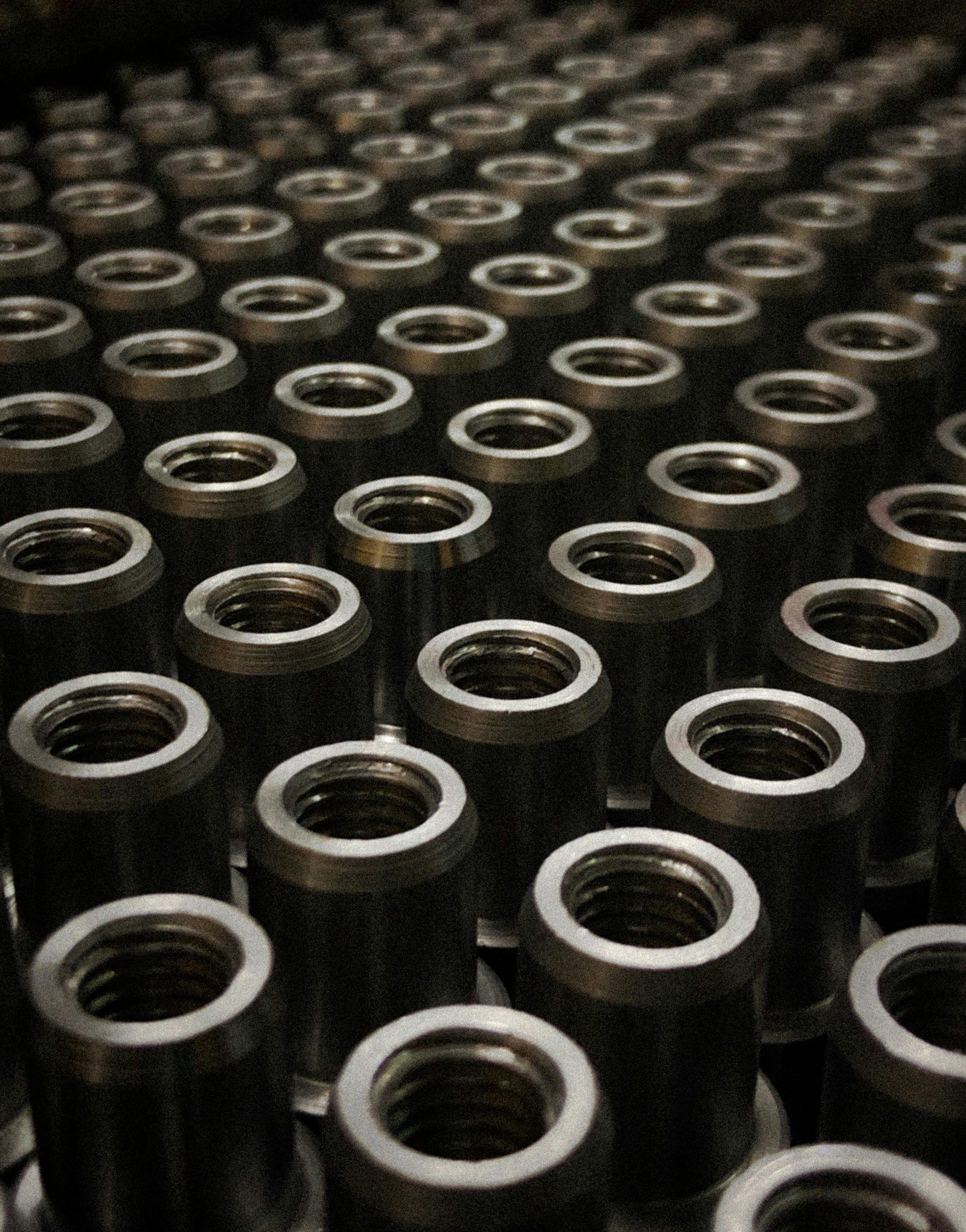
E-coat primes car bodies and protects frames, suspension parts, brackets and battery-box parts, because it reaches inside box sections and seams where corrosion usually starts. It is often topcoated with powder or paint.
- Typical parts
- Brackets, frame parts, suspension parts, battery-box parts
Electronics
Metal casings, chassis, panels and housings receive a thin, even film that keeps fits and hardware holes accurate and gives a clean black or colored finish on electronic equipment, control boxes and appliances.
- Typical parts
- Casings, chassis, panels, housings, mounting brackets
Industrial Equipment
Racks, guards, frames, hinges and fittings are e-coated for long corrosion life in workshops, warehouses and outdoors, with an acrylic one-coat finish or a powder topcoat where sunlight and impact are expected.
- Typical parts
- Racks, guards, frames, hinges, brackets
Design Considerations for E-Coated Parts
E-coat covers almost every surface, but liquid, air and current still need a path. These points help you get full coverage, and our free DFM review checks them before production.
| Consideration | Recommendation | Why |
|---|---|---|
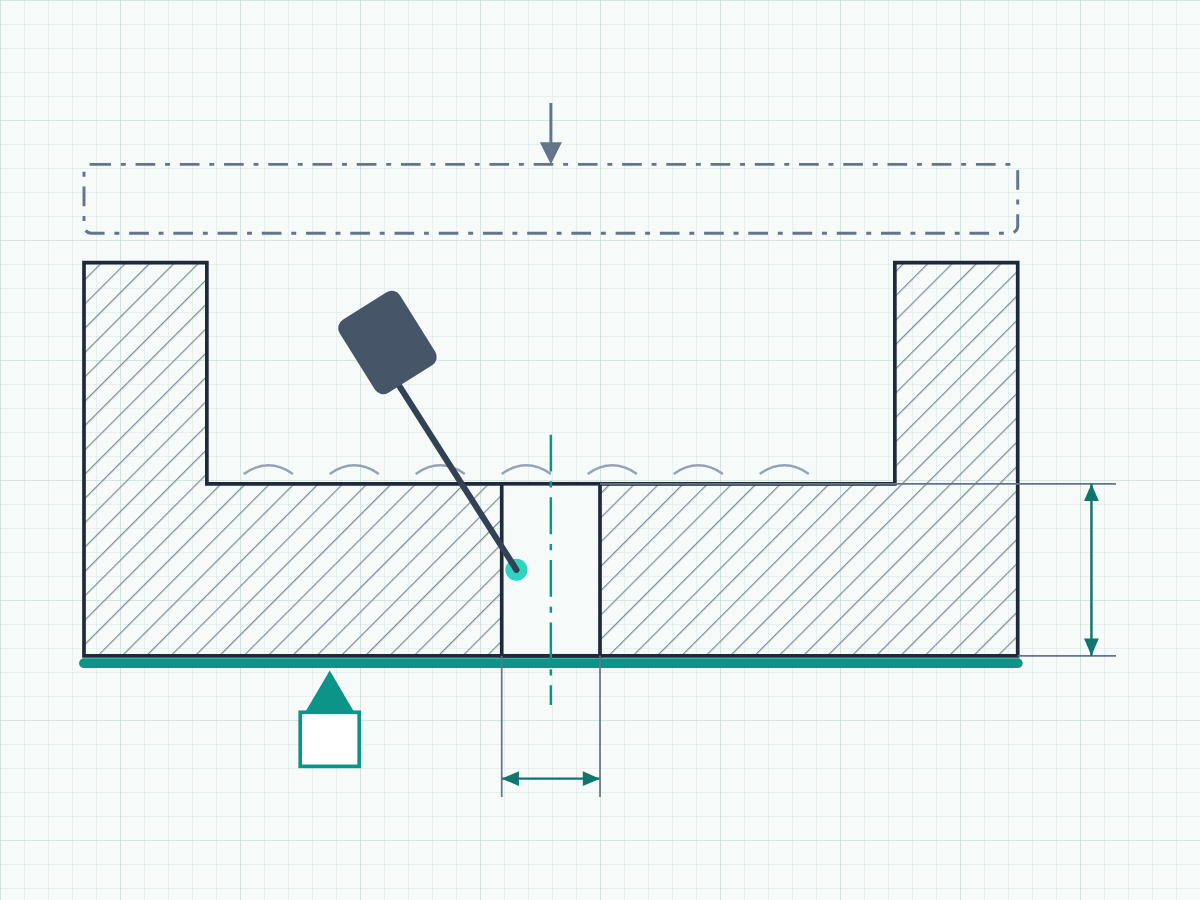
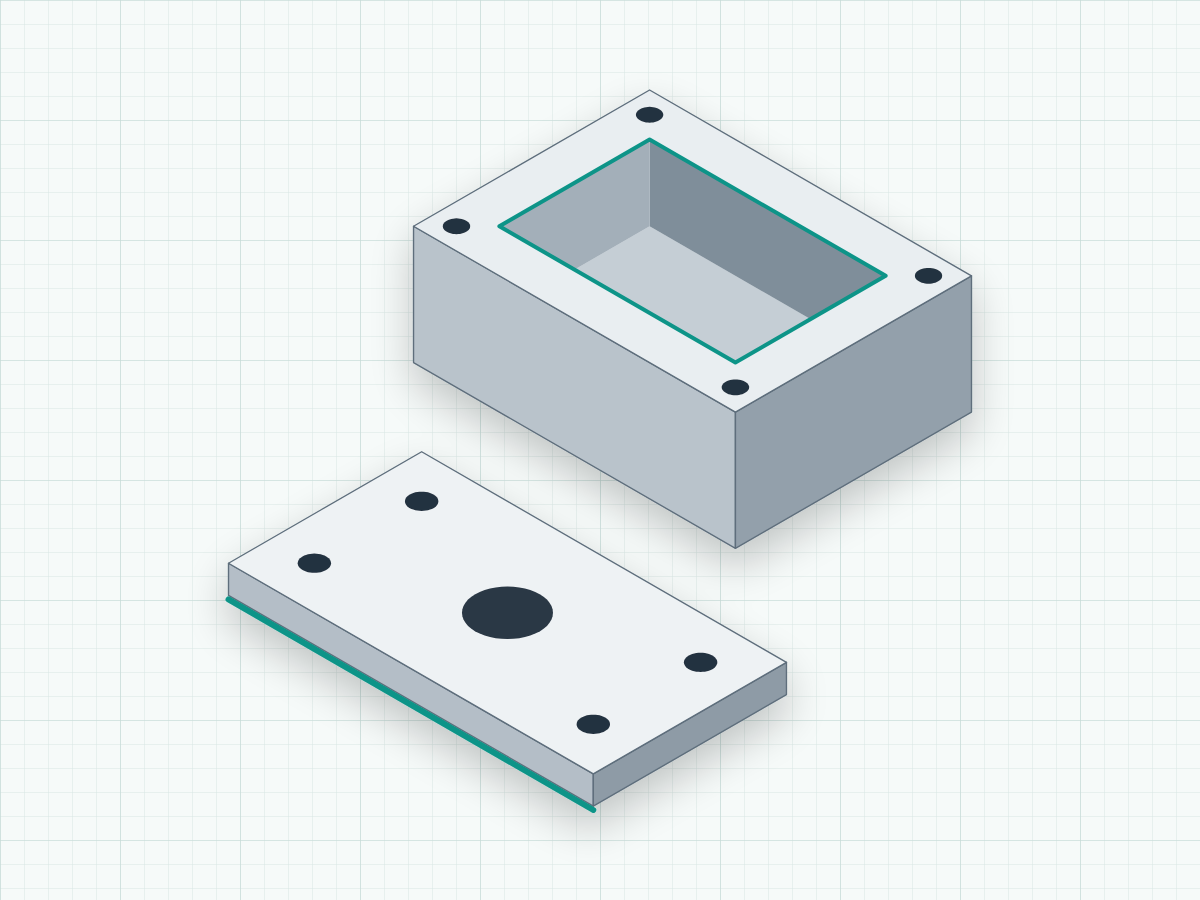
| Drain and vent holes | Add holes to box sections, tubes and closed pockets | Trapped air blocks the coating, and trapped liquid stains the part after curing |
| Contact point | Provide a hole or tab for hanging the part | The part needs an electrical contact, which leaves a small bare spot |
| Masking | Mark threads, bores and grounding faces that must stay bare | E-coat insulates, so electrical contacts need bare metal |
| Edges | Break sharp edges with a small radius | The film draws back from sharp edges during curing and stays thinner there |
| Narrow cavities | Keep recesses open to the bath | The coating reaches into box sections but stops in narrow, closed gaps |
| Curing temperature | Leave plastic, rubber and bonded parts out of the assembly | The coated part passes through an oven at about 150–190 °C |
| Seams and joints | Weld or seal overlapping seams fully | Open seams hold pretreatment chemicals that bleed out later |
| Topcoat | State whether a powder or paint topcoat follows | Primer e-coat and one-coat finishes use different products |
E-Coating Compared with Related Finishes
E-coat is often compared with these finishes and frequently combined with them in one coating system, all done in our own factory. Each card shows where the other finish fits better.
Powder Coating
Dry powder is sprayed and cured into a much thicker, tougher film with better impact and UV resistance. It cannot reach inner surfaces like e-coat, so the two are often combined.
- Thickness
- Typically 60–120 µm
- Compared with e-coat
- Thicker, tougher, less even
Painting
Wet spray painting matches almost any color, gloss or texture on visible faces and also coats plastics. Coverage depends on what the spray gun can reach, so recesses receive less paint.
- Colors
- RAL, Pantone or your sample
- Compared with e-coat
- More colors, less even coverage
Alodine
A thin chromate conversion coating protects aluminum and keeps it conductive. It is a common pretreatment under e-coat, paint and powder, and it can also be used alone on grounding surfaces.
- Materials
- Aluminum alloys
- Role
- Pretreatment or a conductive finish
Electroplating
Electroplating deposits a thin metal layer such as zinc or nickel that can conduct and add hardness. Zinc plating under an e-coat gives duplex protection, and a clear e-coat keeps plated hardware bright.
- Layer
- Metal instead of a paint film
- With e-coat
- Duplex protection under the film
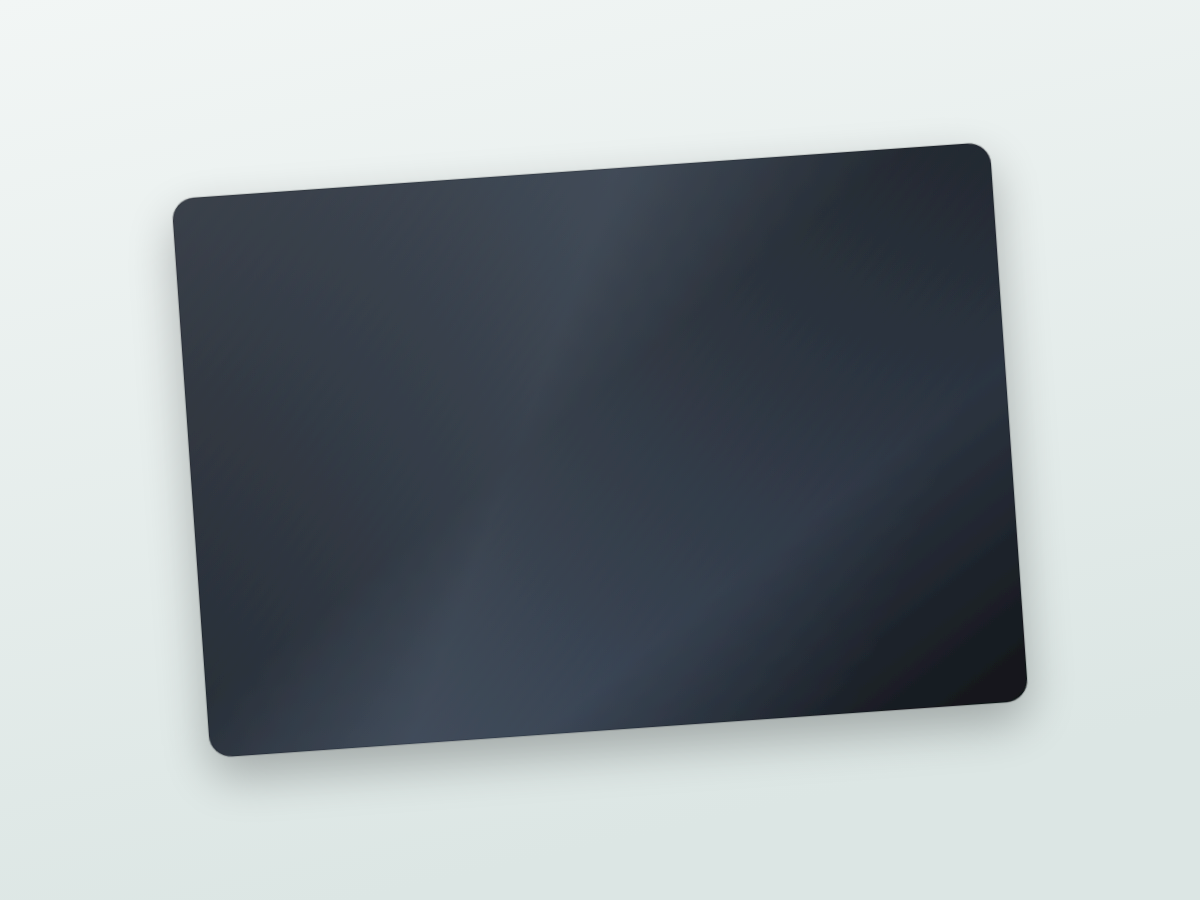
Black Oxide
Black oxide also gives steel parts a black finish, but it is a conversion layer under 1.5 µm that relies on oil for mild protection. Black e-coat is thicker and protects far better against corrosion.
- Thickness
- Under 1.5 µm
- Compared with e-coat
- Thinner, much less protection
For outdoor and heavy-duty parts, e-coat often works as the primer: it protects edges, seams and inner surfaces, and a powder or paint topcoat adds color and UV resistance on the visible faces.
E-Coating FAQs
What is the purpose of e-coating?
Its main purpose is corrosion protection. The electrically deposited film covers edges, seams, inner surfaces and recesses evenly, so there are few thin spots where rust can start, and the cured coating also resists scratches and chemicals. Many parts use e-coat as the final finish in black, grey or a color, while others use it as a primer under powder coating or paint.
What is the difference between e-coating and electroplating?
Both use an electric current in a bath, but they deposit different things. Electroplating reduces metal ions onto the part and leaves a thin layer of metal such as zinc or nickel. E-coating deposits charged paint particles, which are then cured into an organic polymer film. Plating can conduct electricity and add hardness; e-coat insulates and protects, and it is often applied over plating.
How is e-coating different from powder coating?
E-coat is thin, typically 15–30 µm, and very even, and it reaches inner surfaces and recesses, which makes it ideal for corrosion protection and tight fits. Powder coating is much thicker, typically 60–120 µm, and tougher against impact and sunlight, but it only covers what the spray gun can reach. For outdoor parts, an e-coat primer under a powder topcoat combines both strengths.
How long does an e-coat last?
It depends on the system, the pretreatment and the environment. Indoors, e-coated parts keep their protection for many years. Outdoors, epoxy e-coat chalks in sunlight and needs a topcoat, while acrylic e-coat holds its color longer. If your part must pass a corrosion test, such as a number of salt-spray hours, state it on the drawing, and we will confirm the coating system in the quote.
Can e-coat be applied over other finishes?
Yes. E-coat is compatible with many other treatments. It is commonly applied over zinc phosphate on steel, over zinc plating or galvanizing for duplex protection, over conversion coatings on aluminum, and as a clear film over nickel, chrome or brass to keep a bright look. It can also be topcoated with powder coating or paint when color and UV resistance matter.
Does e-coating improve wear resistance?
No. E-coat protects against corrosion, but the thin organic film does not make the surface harder, and it wears through on parts that slide, rub or carry repeated impacts. For such surfaces, choose plating, hard anodizing, nitriding or a thicker topcoat, or mask the wear areas and protect the rest of the part with e-coat.
How do I specify e-coating on my drawing?
State the base material, the coating system or the performance you need, the color and gloss, the film thickness and any salt-spray requirement, for example "Black epoxy e-coat, 15–25 µm, over zinc phosphate". Mark the threads, bores and grounding faces to mask and a face where a contact mark is acceptable.
How are e-coated parts inspected?
Parts are checked for full coverage, even color and gloss, runs, pinholes and contact marks on visible faces, and against the dimensions on your drawing, with film thickness measured where the drawing specifies it. We provide COC, COA and COT documents, and a CMM report free of charge for the dimensions you specify. If a part is wrong because of a manufacturing error on our side, we remake it free of charge.
How do I get a quote for e-coated parts?
Send a STEP, STP or IGES model and a PDF drawing with the material, quantity and coating callout. An engineer reviews every request and quotes within 24 hours, simple parts often in 2–4 hours, with free DFM feedback. There is no minimum order quantity, so single prototypes are as welcome as production batches.
Get a Quote for E-Coated Parts
Send us your models and drawings with the base material, color and coating requirements. We make and e-coat the parts in our own factory, and our engineers reply with a detailed quote and free DFM feedback within 24 hours.

Jane
BOHUI PROTOTYPES LIMITED
Tell me the color, the gloss and where the part will be used, and point out the threads, bores and grounding faces that must stay bare.
You can send your request first and add files later by email or WhatsApp. For confidential designs, contact me before sharing your files.
Jane
BOHUI PROTOTYPES LIMITED
- Address: Xiaobian Street, Chang'an Town, Dongguan City, Guangdong Province, China
Request a Quote
Fields marked are required.