Painting Services for Custom Parts
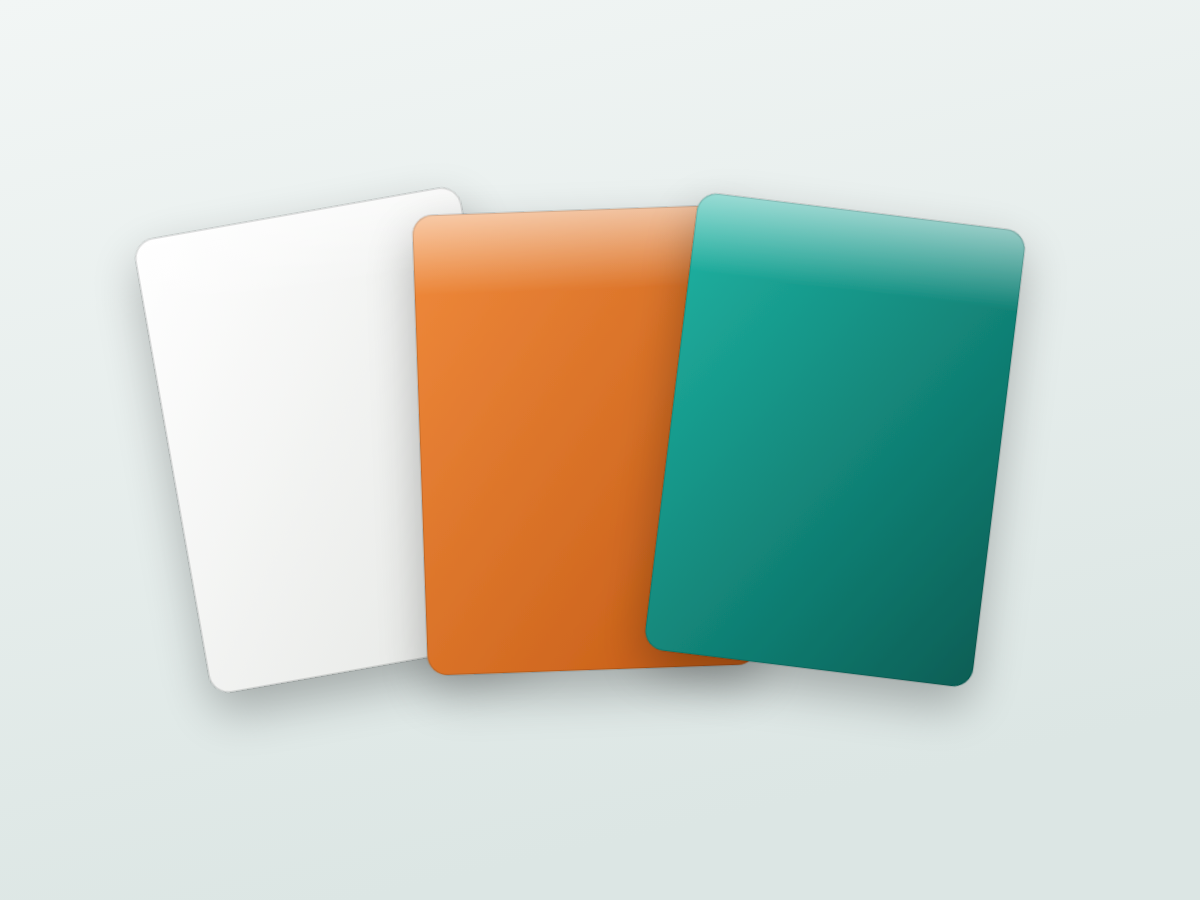
Spray painting in RAL, Pantone or matched colors, with matte to gloss, textured and soft-touch finishes for metal and plastic parts.
We paint CNC machined, sheet metal, injection molded, 3D printed and vacuum cast parts in our own factory, from single prototypes to production batches with no minimum order. Tell us the color, the gloss and the faces that must stay bare, and an engineer will quote within 24 hours, simple parts often in 2–4 hours.
What Is Industrial Painting?
Industrial painting applies a liquid coating of pigment, resin and solvent or water to a part, which dries or cures into a protective and decorative film. In spray painting, the paint is atomized by compressed air or pressure into a fine mist and applied in thin, overlapping passes; electrostatic spraying charges the droplets so that they wrap around a grounded metal part and less paint is lost as overspray.
A durable finish starts before the first coat. Parts are cleaned and degreased, then blasted, sanded or given a conversion coating so that the paint can grip, and a primer is applied where the material or the environment calls for one. One or more topcoats follow, and the film is air-dried, force-dried or baked, depending on the paint system and the part.
Paint protects metal against rust, oxidation and chemicals, and gives any part the color, gloss and texture of its design. Thin films keep fits accurate, and low curing temperatures suit plastics, so the same color can run across metal and plastic parts of one product.

Painting Specifications
Typical values for the painting we do in our own factory. Give the color reference, gloss and texture on your drawing, and we confirm the paint system in your quote; color samples can be approved before production.
| Property | Specification | Notes |
|---|---|---|
| Colors | Standard white and black; RAL, Pantone or your color sample | Approve a physical sample for color-critical parts |
| Gloss | Matte, satin, semi-gloss or gloss | Matte hides marks; gloss reflects and shows flaws more |
| Film thickness | Typically 25–50 µm for primer and topcoat | Thicker systems for outdoor and chemical exposure |
| Textures | Smooth, fine or coarse texture, wrinkle, soft-touch | Metallic and pearl effects to your sample |
| Base materials | Aluminum, steel, stainless steel, ABS, PC, PA, PMMA, PP, PE | Each material needs its own pretreatment and primer |
| Pretreatment | Degreasing, blasting or sanding, conversion coating, primer | Surface preparation decides adhesion and life |
| Curing | Air-dry, forced-dry or oven bake | Low temperatures for plastics, higher bakes for metals |
| Masking | Threads, bores, contact and grounding faces | Mark them on the drawing |
Advantages of Painting
Paint protects a part and gives it its final look in one finish. Two notes on preparation and service conditions follow the advantages, because they decide how long the paint lasts.
A closed paint film shields metal surfaces from moisture, oxidation and chemical exposure, so steel does not rust and aluminum does not corrode under everyday and industrial conditions.
Primer and topcoat add a tough layer that takes knocks, scratches and abrasion in handling and use, and protects the part beneath it from mechanical wear.
Painting turns machined, fabricated, molded or printed parts into finished-looking components, with even color and gloss that hide small surface marks and match the rest of a product.
Matte to gloss, smooth or textured, soft-touch, metallic and pearl: paint offers the widest choice of colors and finishes to meet a design's requirements and a brand's colors.
Surface preparation is critical for adhesion and longevity. We clean, degrease, blast, sand or conversion coat each part, and prime it where needed, before the first color coat.
Outdoor use, chemical exposure, corrosive immersion or frequent disinfection call for a different paint system. Name these conditions in your request so that we choose primer, paint and film thickness for them.
Painting Types
The paint system and the way it is applied decide how a part looks and feels and how long the finish lasts. These three cover most custom parts, and all of them run in our own paint shop.
Wet Spray Painting
Primer and topcoats are sprayed in thin layers with conventional, HVLP or electrostatic guns, then dried or baked. Wet spray gives smooth, precisely colored surfaces on metal and plastic parts, and clear coats add gloss and scratch resistance.
- Film thickness
- Typically 25–50 µm
- Gloss
- Matte, satin, semi-gloss or gloss
Soft-Touch Paint
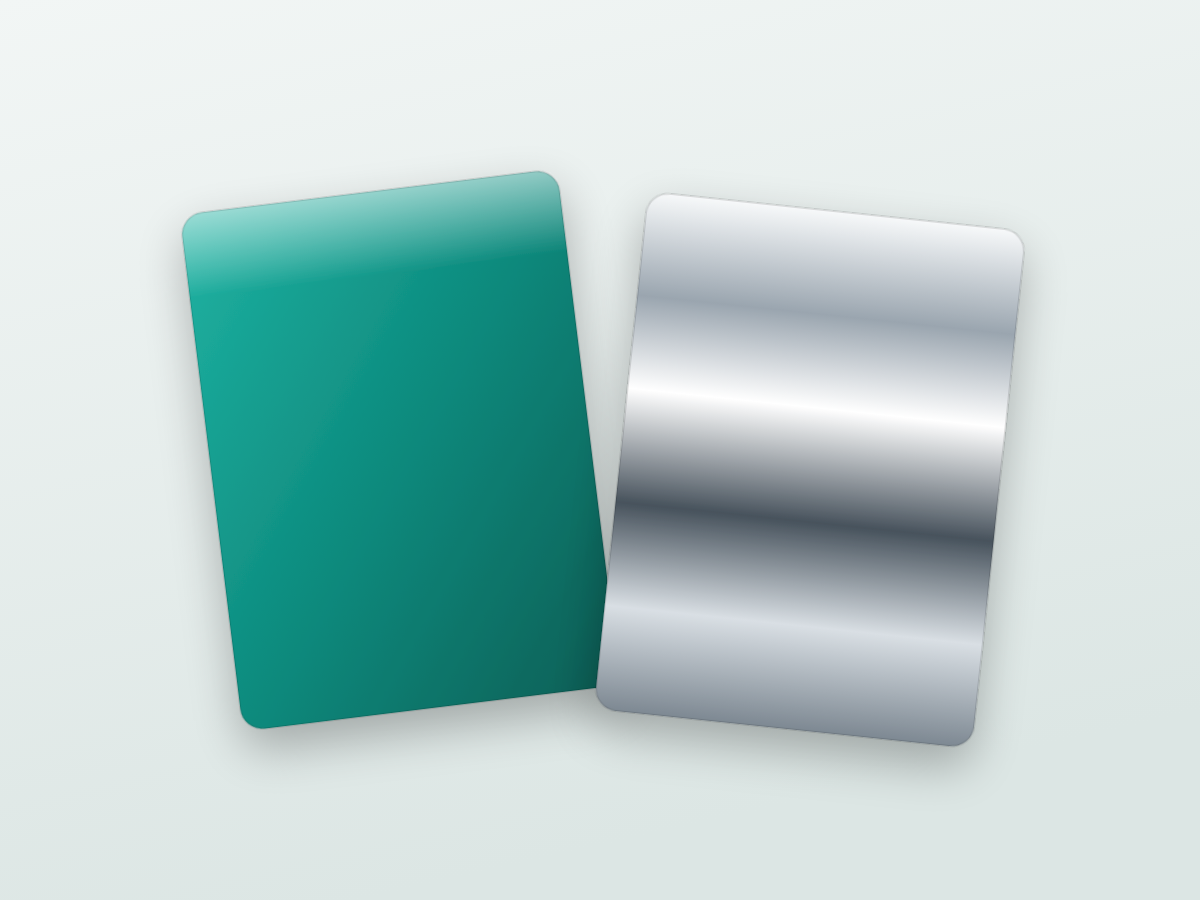
Soft-touch paint leaves a velvety, slightly rubbery surface that feels warm and gives a secure grip on consumer electronics, remote controls, handles and medical device housings. The film is softer than standard paint, so it is chosen for comfort and appearance rather than abrasion resistance.
- Feel
- Velvety, low gloss
- Best on
- ABS, PC and PC/ABS parts
Textured and Metallic Paint
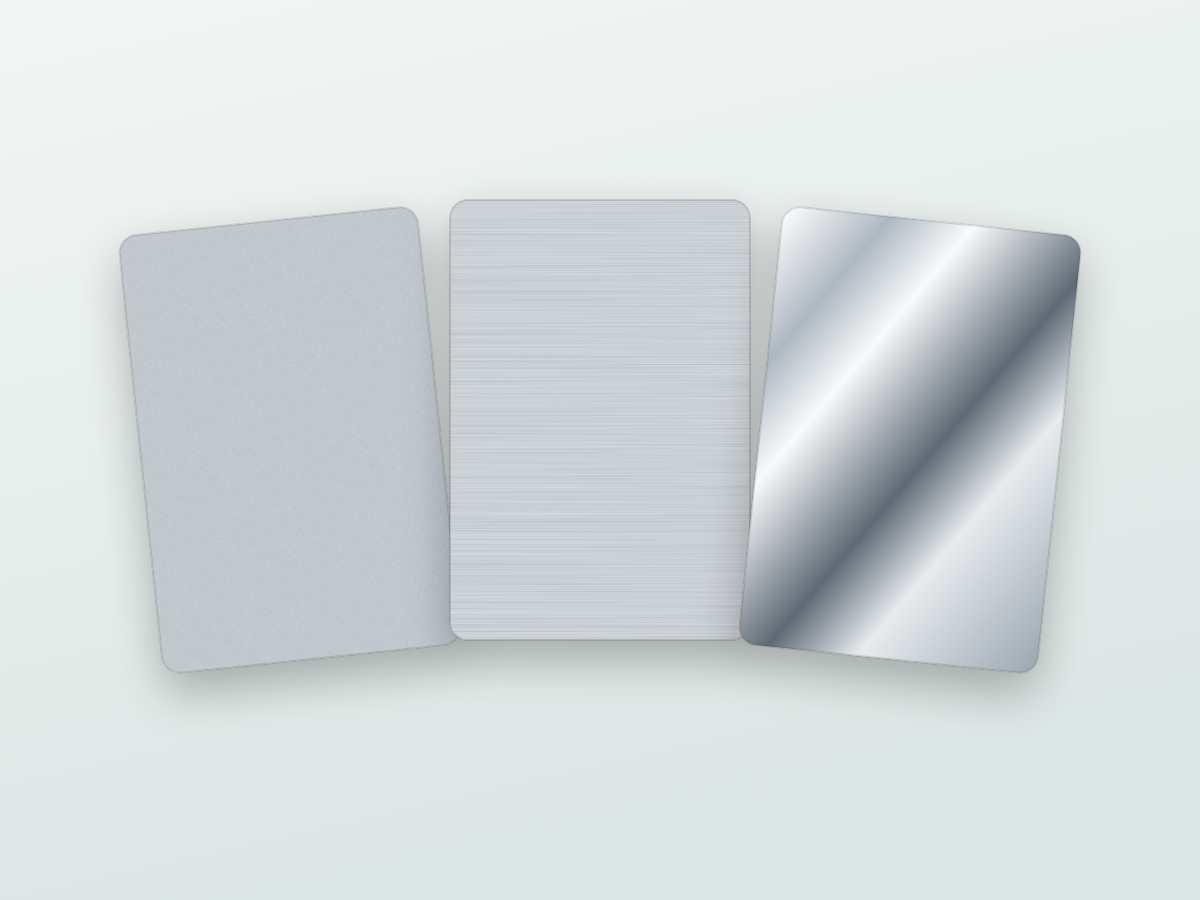
Fine and coarse textures, wrinkle finishes and metallic or pearl effects give parts a distinctive look and hide small flaws, molding marks and fingerprints. Textured paint suits equipment housings and panels; metallic paint makes plastic parts look like metal.
- Textures
- Fine, coarse, wrinkle
- Effects
- Metallic and pearl, to your sample
Materials for Painting
Almost any metal or plastic can be painted when it is properly prepared. The base material decides the cleaning, the pretreatment and the primer, so our engineers check it with every quote.
Metals and plastics
Material certificates are available on request.
Aluminum
Aluminum housings, panels and brackets are blasted or given a conversion coating, then primed, so that the paint bonds firmly and does not lift where corrosion creeps under a scratch.
Pretreatment
Blasting or conversion coating, then primer
Typical parts
Housings, front panels, brackets, heat sinks
Steel and Stainless Steel
Steel is phosphated, blasted or e-coated before painting, because rust under the film would lift it. Stainless steel has a smooth, passive surface, so it is blasted or given an adhesion primer before the color coat.
Pretreatment
Phosphate, blasting, e-coat or adhesion primer
Typical parts
Enclosures, frames, guards, cabinets
ABS, PC and Other Plastics
These plastics paint well after the release agent is cleaned off and the surface is lightly sanded. Paint is the usual way to give injection molded and machined plastic parts their final color, gloss or soft-touch feel.
Pretreatment
Cleaning, light sanding, primer where needed
Typical parts
Housings, bezels, buttons, covers
PP and PE
These low-energy plastics repel paint, so they receive flame or plasma treatment or an adhesion promoter first. Without it, the paint peels off with tape.
Pretreatment
Flame or plasma treatment, adhesion promoter
Typical parts
Covers, housings, containers, automotive trim
Printed and Cast Parts
3D printed and vacuum cast parts are filled, primed and sanded so that layer lines, pinholes and parting lines disappear, which lets prototypes look like finished production parts.
Pretreatment
Filler primer and sanding
Typical parts
Appearance prototypes, display models, pilot-run housings
Painting Applications
Painted finishes protect parts and give products their final color and feel, from handheld devices to large machine guards.
Consumer Products
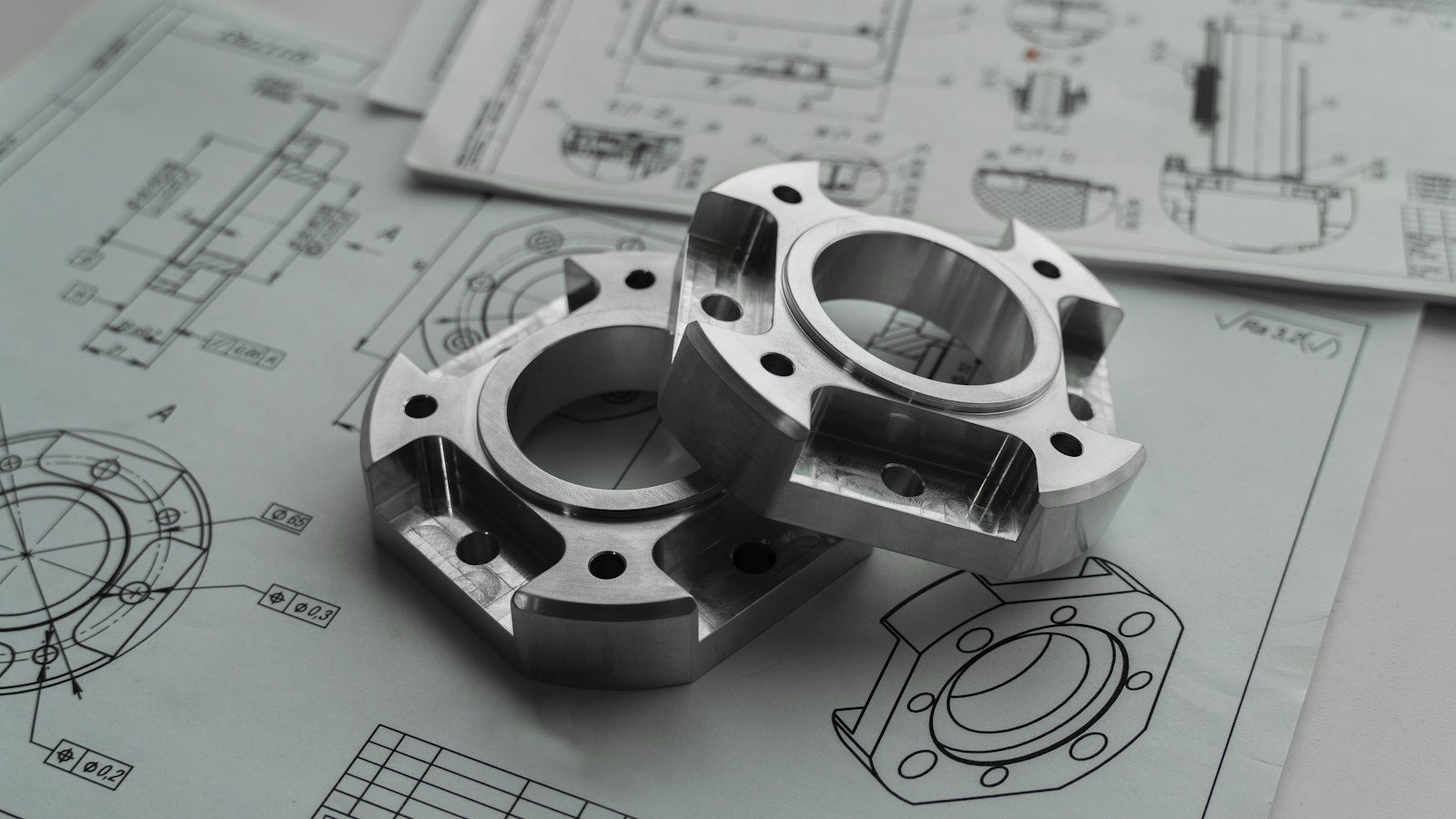
Device housings, chargers, speaker grilles, keyboards and appliance panels are painted to match the colors and gloss of a product range, often with soft-touch or textured finishes on the surfaces that users hold or see.
- Typical parts
- Housings, covers, bezels, panels, buttons
Medical Devices
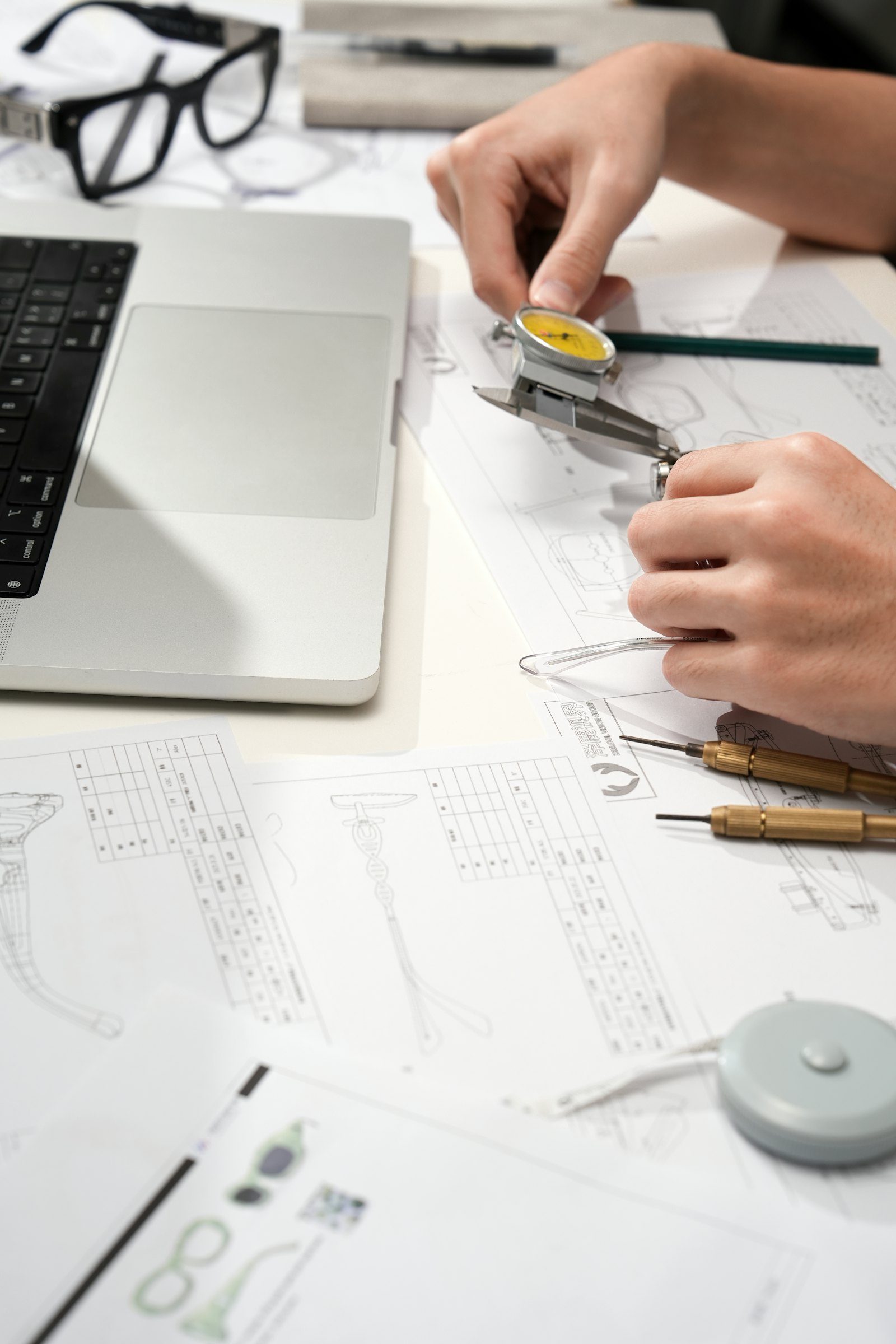
Housings and covers for patient monitors, infusion pumps, imaging and laboratory equipment receive smooth, easy-to-clean paint in consistent colors that withstands repeated wiping with cleaning agents and disinfectants in hospitals.
- Typical parts
- Device housings, covers, handles, carts
Industrial Equipment
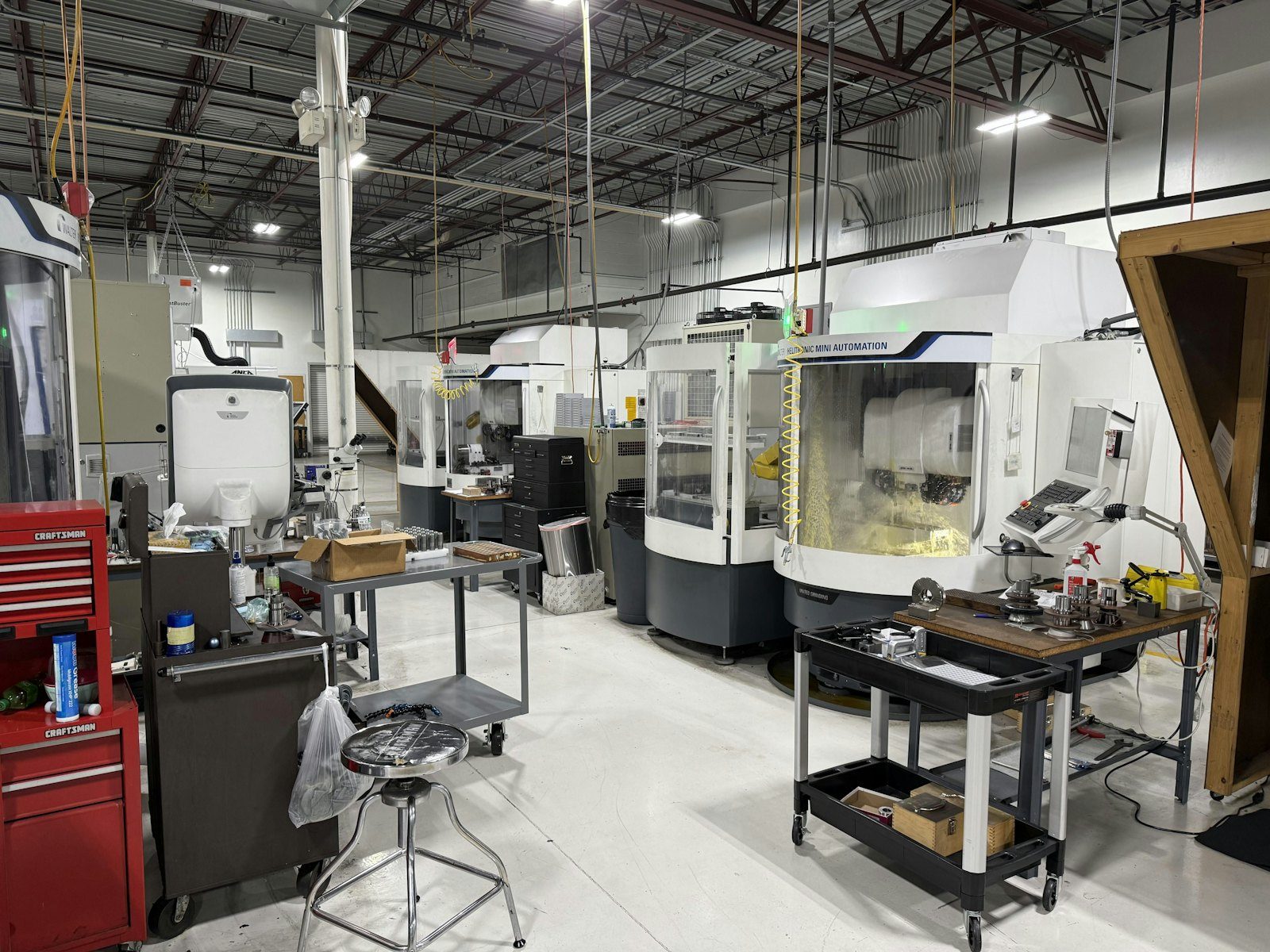
Machine guards, control panels and gear and pump casings are painted for corrosion protection, safety colors and a durable finish that resists oil, chemicals and daily handling in factories and outdoors.
- Typical parts
- Guards, control panels, casings, cabinets, brackets
Design Considerations for Painted Parts
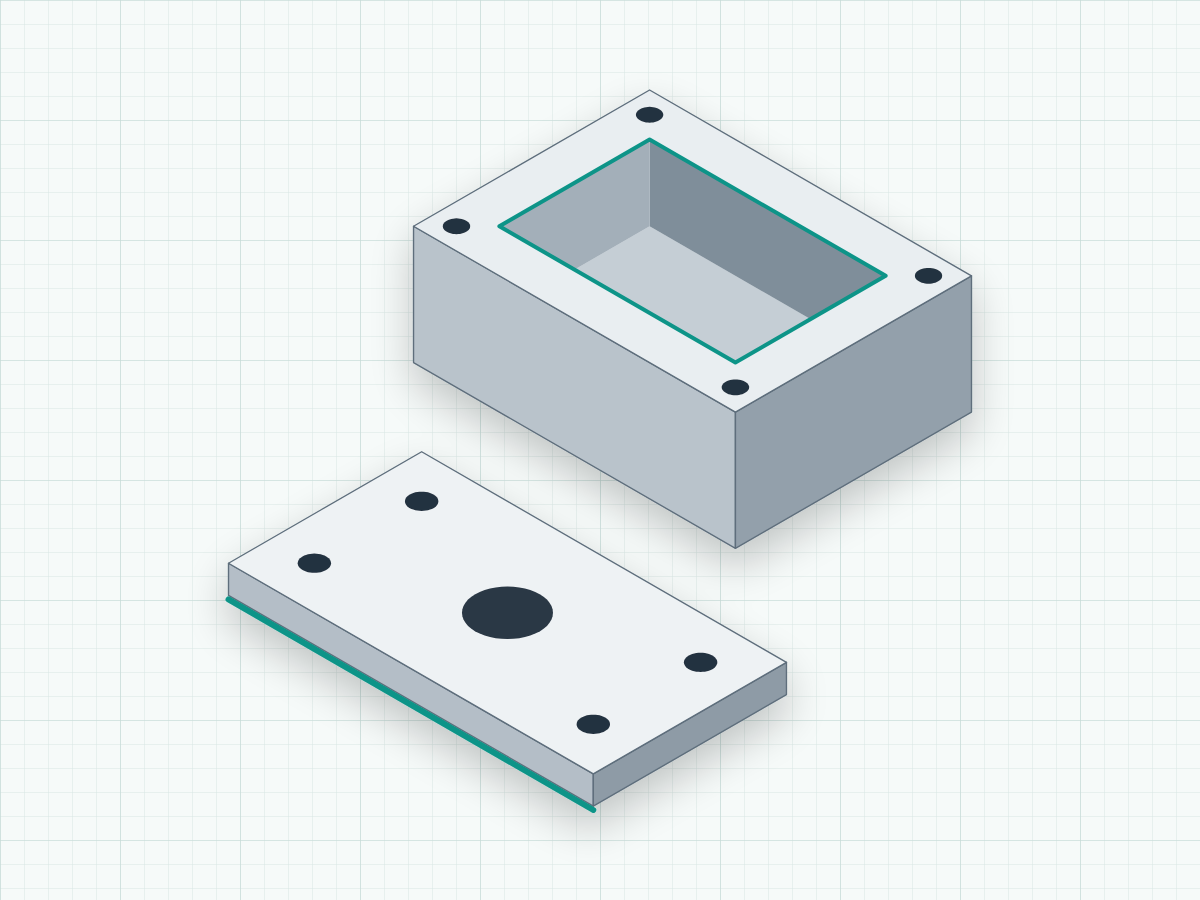
A good paint finish depends as much on the drawing as on the paint. These points help you get the color and coverage you expect, and our free DFM review checks them before production.
| Consideration | Recommendation | Why |
|---|---|---|
| Color and gloss | Give a RAL or Pantone code and a gloss level, or send a sample | Screens and printouts change colors; a physical sample is the reliable reference |
| Cosmetic faces | Mark the visible faces and their inspection standard | Visible faces need more preparation and a stricter appearance check |
| Masking | Mark threads, bores, contact faces and grounding points | Paint changes fits and insulates electrical contacts |
| Fits | Allow for the film on mating faces, or mask them | Each painted face gains about 25–50 µm |
| Edges and corners | Add small radii to sharp edges | Paint draws thin on sharp edges and chips there first |
| Recesses | Keep deep pockets and narrow slots open | Spray cannot reach far into narrow, deep features |
| Plastic parts | State the exact resin and any fillers | Adhesion depends on the plastic; PP and PE need special pretreatment |
| Fixture marks | Show where a small holding mark is acceptable | Parts are held on fixtures while they are painted and cured |
Painting Compared with Related Finishes
Painting is often weighed against these finishes, and some of them prepare the surface for it; all of them are done in our own factory. Each card shows where the other finish fits better.
Powder Coating
Dry powder is sprayed and oven-cured into a much thicker, tougher film with good impact and corrosion resistance. It suits metal enclosures and frames, but not plastics or tight fits.
- Thickness
- Typically 60–120 µm
- Compared with paint
- Tougher, thicker, metals only
E-Coating
Paint is deposited electrically from a bath, so it covers edges, seams and recesses evenly. It is a strong corrosion primer under paint, or a one-coat black or grey finish for metal parts.
- Thickness
- Typically 15–30 µm
- Compared with paint
- More even, fewer colors
Sand Blasting
Abrasive blasting cleans metal and gives it an even matte texture that paint grips well. It is a standard preparation step before painting metal parts, and also a finish on its own.
- Role
- Surface preparation and matte finish
- Materials
- Aluminum, steel, stainless steel, brass
Alodine
A thin chromate conversion coating on aluminum is a proven base under paint: it bonds the primer and stops corrosion from creeping under the film where it is scratched. On its own it stays conductive.
- Role
- Pretreatment under paint on aluminum
- Compared with paint
- Thin, conductive, no color choice
SPI Mold Finishes
For injection molded parts, a polished or textured mold surface gives every part its gloss or texture straight from the mold. It saves a paint step in production, while paint adds colors and effects the plastic alone cannot.
- Role
- Molded-in gloss or texture
- Compared with paint
- No coating, one look per tool
Paint is usually the last step of a finish sequence: parts are blasted, conversion coated or e-coated first. Tell us the full sequence, so that we plan masking and film thickness for every step and run them all in our own factory.
Painting FAQs
Why are industrial parts painted?
Paint forms a barrier against moisture, oxygen, chemicals and UV light, which keeps metal from rusting and plastics from fading or staining. It also gives the part its final color, gloss and texture, carries safety and brand colors, and hides small surface flaws. On many products, paint is what customers see and touch first, so it matters as much as the part's dimensions.
Which painting methods are used for custom parts?
Most custom parts are spray painted with conventional, HVLP or electrostatic guns, which give smooth, controlled films on complex shapes. Electrostatic spraying charges the paint so that it wraps around grounded metal parts with less overspray. Dip coating suits small parts that need full coverage, and brush or roller application is used for touch-up. For injection molded parts, in-mold painting coats the mold cavity before the plastic is injected, so the color bonds to the part during molding. Powder coating is a separate process that uses dry powder instead of liquid paint.
What is the difference between painting and powder coating?
Wet paint is a liquid that dries or cures into a thin film, typically 25–50 µm, and works on metals and plastics with almost unlimited colors and effects. Powder coating uses dry powder that is electrostatically applied and melted in an oven into a thicker, tougher film, typically 60–120 µm, and is used on metals. Choose paint for plastics, fine colors and tight fits, and powder for tough metal enclosures.
How do I choose the right paint for my part?
Start with the environment: indoor or outdoor use, sunlight, moisture, chemicals, cleaning agents and temperature. Then consider the base material, because the paint and primer must bond to it, and the performance you need, such as corrosion, UV, abrasion or chemical resistance. Add the appearance, meaning color, gloss and texture, and any regulations, such as RoHS. Tell us these conditions, and our engineers will recommend a system.
Can you match a specific color?
Yes. We match RAL and Pantone references or your physical sample, in matte, satin and gloss finishes. Colors look different on screens, on paper and under different lights, so for color-critical parts we recommend approving a painted sample before production. The same color can also look different on metal and plastic, or on smooth and textured surfaces, so tell us which parts must match each other.
Can plastic and 3D printed parts be painted?
Yes. Molded ABS, PC, PC/ABS, PA and PMMA parts are cleaned and lightly sanded before painting, and PP and PE receive an adhesion promoter. 3D printed and vacuum cast parts are filled, primed and sanded so that layer lines and pinholes disappear, which lets prototypes look like finished production parts. Paints for plastics dry at low temperatures, so the parts do not deform.
How do I specify painting on my drawing?
State the base material, the color reference, the gloss level and the texture, plus any requirement for corrosion, chemical or UV resistance, for example "Paint RAL 7035, satin, 30–50 µm, faces A and B cosmetic". Mark the threads, bores and contact faces to mask and where a fixture mark is acceptable.
How are painted parts inspected?
Visible faces are checked for color, gloss, coverage, runs, dust and orange peel against your sample or appearance standard, and parts are checked against the dimensions on your drawing, with film thickness and adhesion tested where specified. We provide COC, COA and COT documents, and a CMM report free of charge for the dimensions you specify. If a part is wrong because of a manufacturing error on our side, we remake it free of charge.
How do I get a quote for painted parts?
Send a STEP, STP or IGES model and a PDF drawing with the material, quantity and paint callout. An engineer reviews every request and quotes within 24 hours, simple parts often in 2–4 hours, with free DFM feedback. There is no minimum order quantity, and custom color matching adds a sample step that is planned in your quote.
Get a Quote for Painted Parts
Send us your models and drawings with the base material, color, gloss and texture. We make and paint the parts in our own factory, and our engineers reply with a detailed quote and free DFM feedback within 24 hours.

Jane
BOHUI PROTOTYPES LIMITED
Tell me the color reference, the gloss and which faces are visible, and point out the threads, bores and contact faces that must stay bare.
You can send your request first and add files later by email or WhatsApp. For confidential designs, contact me before sharing your files.
Jane
BOHUI PROTOTYPES LIMITED
- Address: Xiaobian Street, Chang'an Town, Dongguan City, Guangdong Province, China
Request a Quote
Fields marked are required.