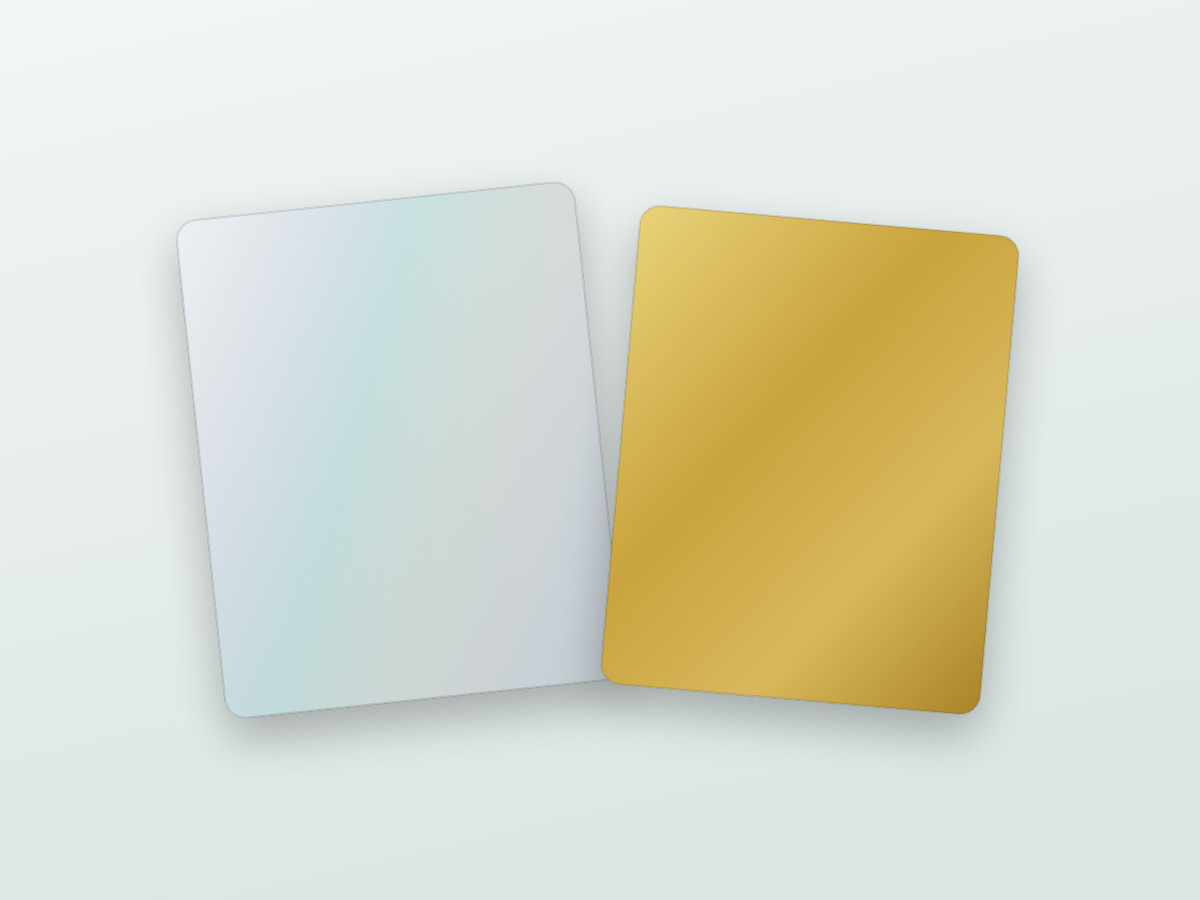
Alodine Chromate Conversion Coating
A thin, conductive film that protects aluminum parts against corrosion and gives paint a surface to grip.
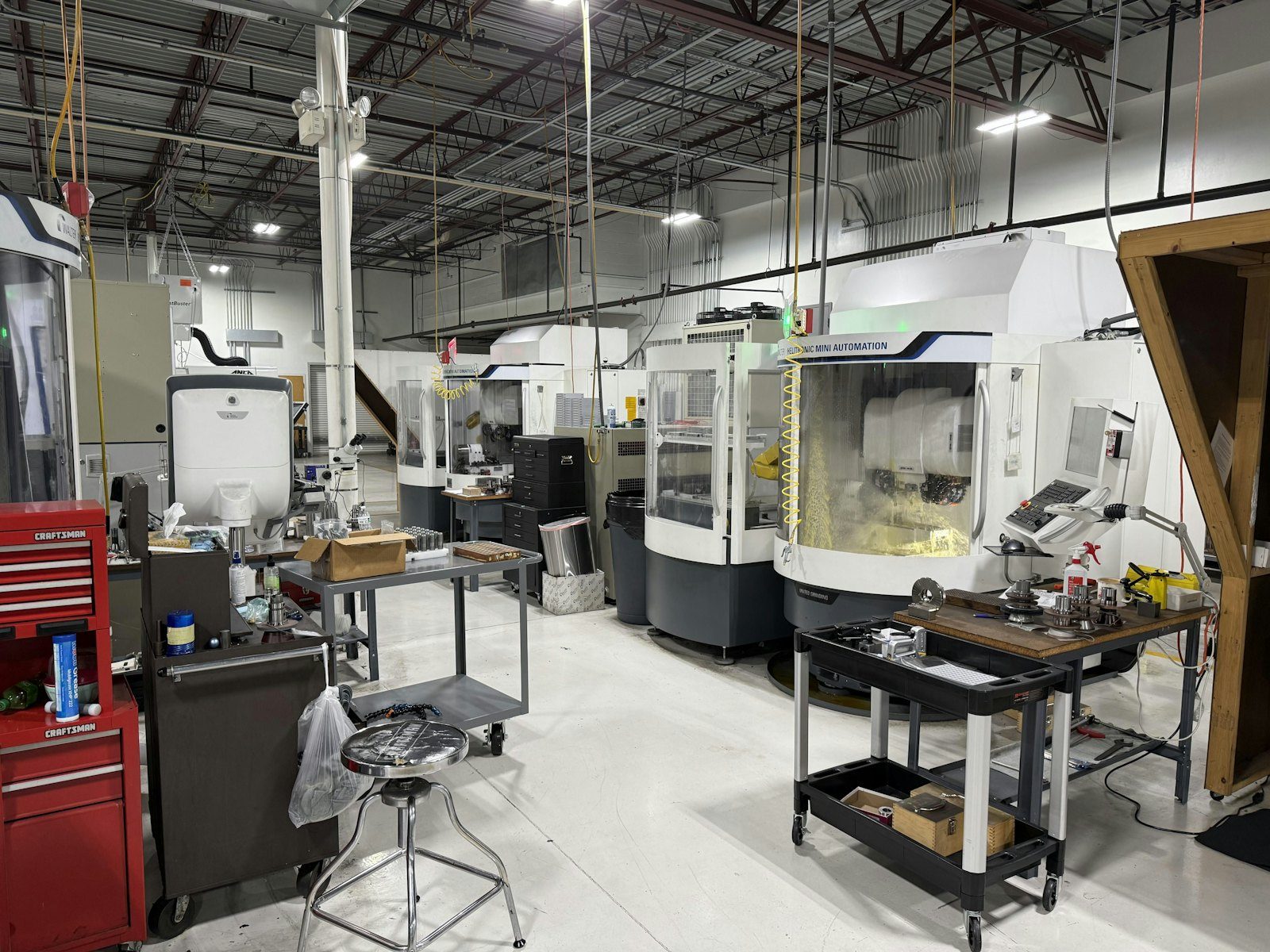
Alodine adds only 0.25–1.0 µm, so dimensions and threads stay as machined. We apply clear or gold alodine to MIL-DTL-5541 on CNC machined and sheet metal aluminum parts in our own factory in Dongguan, quoted by an engineer within 24 hours and with no minimum order quantity.
What Is Alodine?
Alodine, also called chem film or chromate conversion coating, is a chemical treatment for aluminum. The solution does not add a layer on top of the metal: it reacts with the surface and converts it into a thin film of chromium and aluminum compounds.
Parts are degreased, deoxidized, dipped in or sprayed with the chromate solution for a few minutes at room temperature, then rinsed and dried at low temperature. The film is gel-like when wet and hardens as it dries.
The finished film keeps the aluminum electrically conductive, adds almost nothing to its dimensions and is one of the best bases for primer, paint and powder coating.
Alodine Specifications
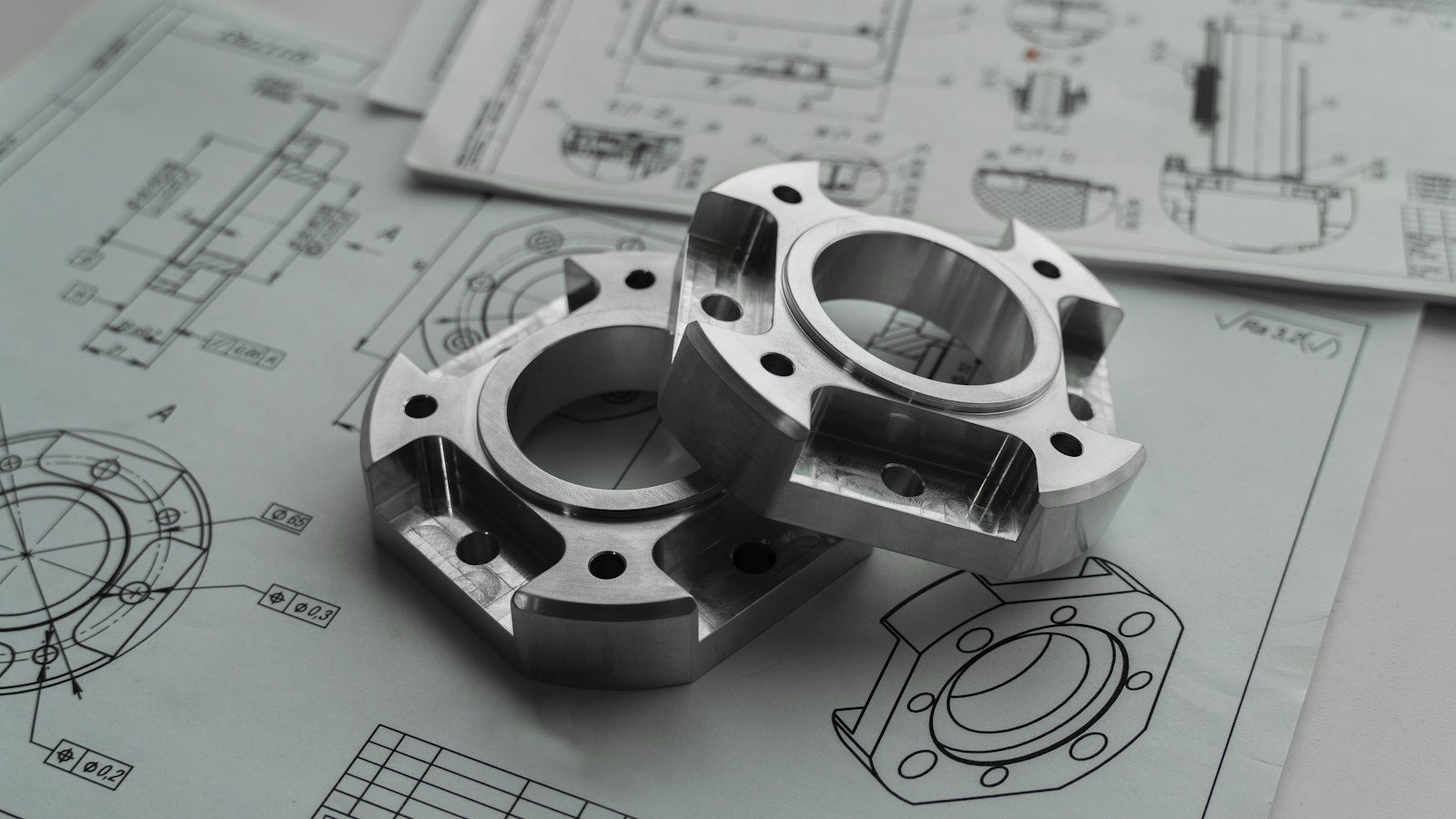
Typical values from MIL-DTL-5541 and common trivalent processes on wrought aluminum, for the alodine we apply in our own factory. Give the type, class and color on your drawing, and we confirm them in your quote.
| Property | Specification | Notes |
|---|---|---|
| Standard | MIL-DTL-5541, Type I or Type II | Class 1A or Class 3 per drawing |
| Coating thickness | 0.25–1.0 µm (0.00001–0.00004 in) | No allowance needed on fits or threads |
| Colors | Clear or yellow-gold | Clear is Type II; gold is Type I |
| Materials | Aluminum alloys | Wrought and cast alloys; not steel |
| Electrical conductivity | Retained | Lowest contact resistance with Class 3 |
| Salt spray (ASTM B117) | 168 h Class 3; 336 h Class 1A | Minimum test duration in MIL-DTL-5541 |
| Heat | About 60 °C (140 °F) for Type I | Trivalent films tolerate more heat |
| Mechanical properties | Unchanged | No heat, no material removal |
Advantages of Alodine
A few minutes in a chromate bath give aluminum parts several benefits at once, at low cost and without changing their size. The points to plan for are in the design considerations further down.
The conversion film is chemically bonded to the aluminum surface and protects bare parts against corrosion; Class 1A is the heavier film where protection matters most.
Primer, paint and powder grip the film far better than bare aluminum, and corrosion cannot creep under the coating from a scratch, which is why alodine is the usual pretreatment.
Unlike anodizing, the film keeps the surface conductive, so grounding points, EMI gasket faces and bonding straps work as on bare metal. Class 3 gives the lowest contact resistance.
At 0.25–1.0 µm the film is far thinner than any machining tolerance, so bores, threads and mating faces stay as machined and need no allowance for the coating.
The process runs at room temperature and removes no material, so the strength, hardness and fatigue properties of the alloy stay as they were before coating.
Our standard hex-free Type II chemistry contains no hexavalent chromium and is RoHS compliant, and the short dip-and-rinse process keeps alodine one of the lowest-cost finishes for aluminum.
Alodine Types and Classes
MIL-DTL-5541 sorts chromate conversion coatings by chemistry (Type) and by purpose (Class). A complete callout names both, for example "Type II, Class 3". We apply both types and both classes in our own factory.
Type I: Hexavalent Chromate
The original chemistry forms a yellow-gold film with self-healing corrosion protection. Hexavalent chromium is restricted under RoHS and REACH, so we apply Type I only where an aerospace or defense specification still requires it.
- Color
- Yellow-gold to light brown
- RoHS
- Not compliant
Type II: Trivalent (Hex-Free)
Trivalent chemistries form a clear to faintly iridescent film without hexavalent chromium. Type II is our standard alodine, meets the same corrosion and conductivity classes and suits electronics, automotive and industrial parts.
- Color
- Clear to slightly iridescent
- RoHS
- Compliant
Class 1A and Class 3
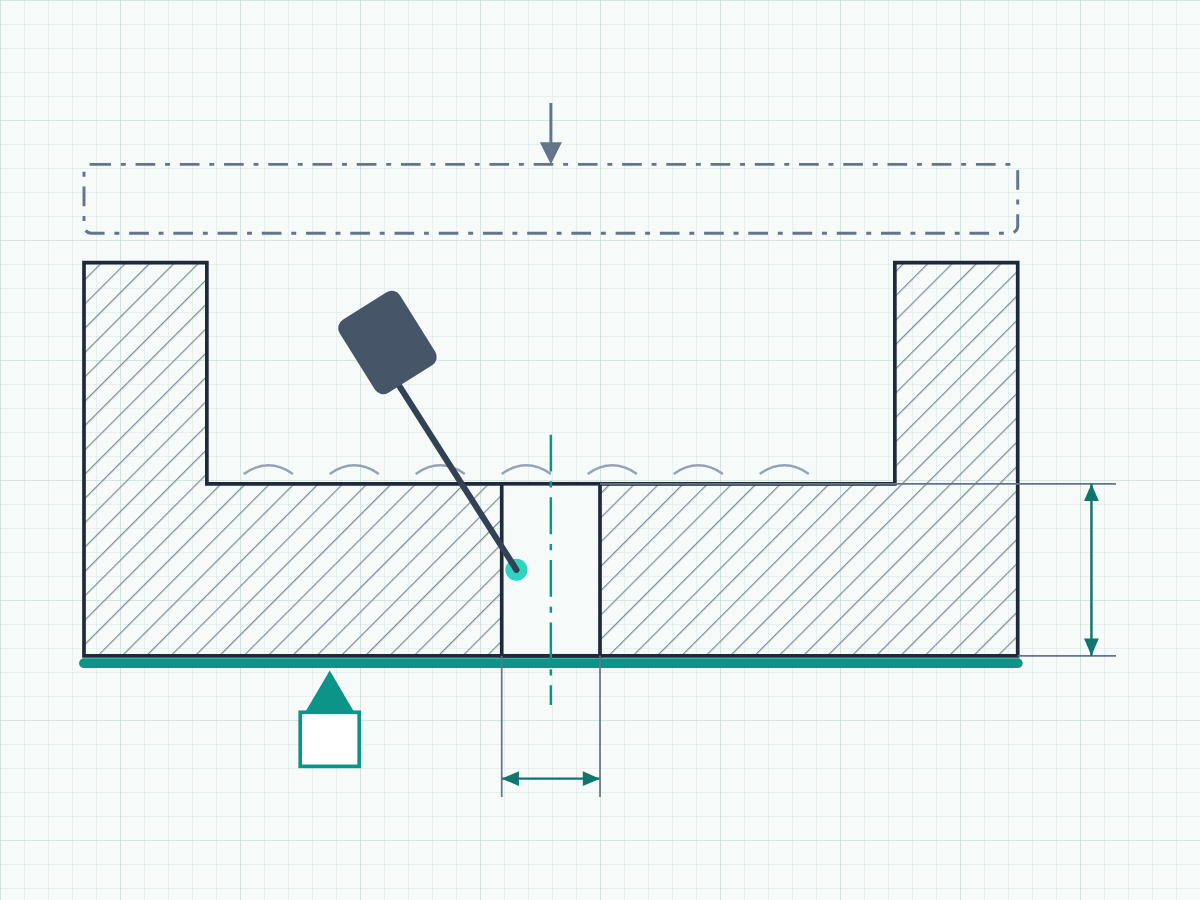
Class 1A is the heavier film for maximum corrosion protection, bare or under paint. Class 3 is a thinner film with low electrical contact resistance for grounding points, EMI gaskets and contact faces.
- Class 1A
- Corrosion protection, bare or painted
- Class 3
- Low electrical contact resistance
Materials Suited to Alodine
Alodine is a process for aluminum. The alloy decides how evenly the film colors and how well it protects, so our engineers check the grade with every quote.
Aluminum alloys
Material certificates are available on request.
5xxx and 6xxx Series
The most common machined and sheet alloys form an even film and give the best salt-spray results, in clear and in gold.
Typical parts
Electronic housings, enclosures, heat sinks, brackets, chassis panels
Usual callout
Type II, Class 3 for bare conductive parts; Class 1A under paint
2xxx and 7xxx Series
Copper and zinc in these high-strength alloys make the film less even and less protective, so they are deoxidized with care and usually painted over Class 1A.
Typical parts
Aerospace fittings, structural brackets, frames, drone parts
Usual callout
Class 1A as the base for primer and paint
Cast Aluminum
Silicon-rich casting alloys give a darker, patchier film and need a deoxidizer suited to silicon. Porous castings are rinsed and dried thoroughly so that no solution stays trapped.
Typical parts
Machined castings, covers, pump and motor housings
Usual callout
Clear Type II; approve a sample where appearance matters
Alodine Applications
Alodine is specified wherever aluminum must resist corrosion, stay conductive or carry paint, and a thicker coating would upset fits or electrical contact.
Aerospace
Airframe brackets, avionics trays and fittings are chromate-converted as a corrosion barrier and as the standard base under aerospace primers and paint, usually to MIL-DTL-5541 Class 1A, with Class 3 on bonding points.
- Typical parts
- Brackets, fittings, avionics trays, access panels, UAV frames
Electronics
Enclosures, chassis and heat sinks keep a conductive surface for grounding, EMI gaskets and bonding straps, while the film protects the bare aluminum around them. Class 3 is the usual choice.
- Typical parts
- Enclosures, chassis, heat sinks, RF housings, connector plates
Automotive
Battery, motor and charging components use hex-free Type II alodine for corrosion protection and electrical bonding that meet RoHS and end-of-life vehicle rules, and it often serves as the base for paint.
- Typical parts
- Battery housings, busbar supports, motor covers, sensor brackets
Design Considerations for Alodine Parts
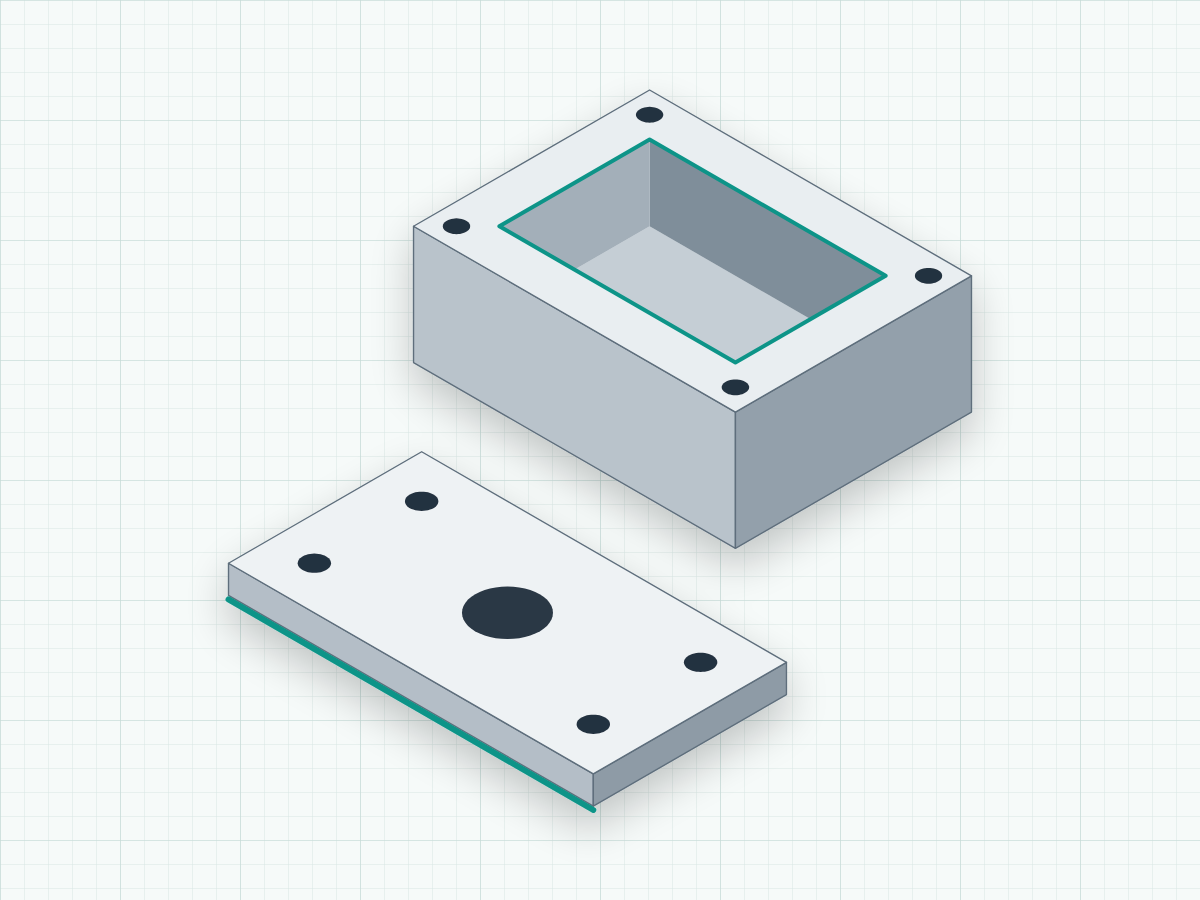
Alodine is low in cost, quick, conductive and adds no measurable thickness. Its limits: the film is soft, scratches easily, protects bare parts less than anodizing and hardly changes the color.
| Consideration | Recommendation | Why |
|---|---|---|
| Dimensions and threads | No allowance needed | The film is far thinner than normal tolerances |
| Grounding and contact faces | Specify Class 3 | Keeps contact resistance low |
| Faces that stay bare | Mark them for masking | Masking is not applied by default |
| Wear and sliding surfaces | Choose hard anodizing instead | The film is soft and wears through |
| Painted parts | Class 1A, painted soon after coating | A fresh, clean film holds paint best |
| Handling | Gloves until the film has cured | A fresh film marks and keeps fingerprints |
| Appearance | Clear Type II and an approved sample | Color varies with alloy and machined texture |
| Drawing callout | "MIL-DTL-5541, Type II, Class 3, clear" | One line gives us all we need |
Alodine Compared with Related Finishes
Alodine is often chosen together with, or instead of, these finishes, all done in our own factory. Each card shows where the other finish fits better or what it adds.
Anodizing
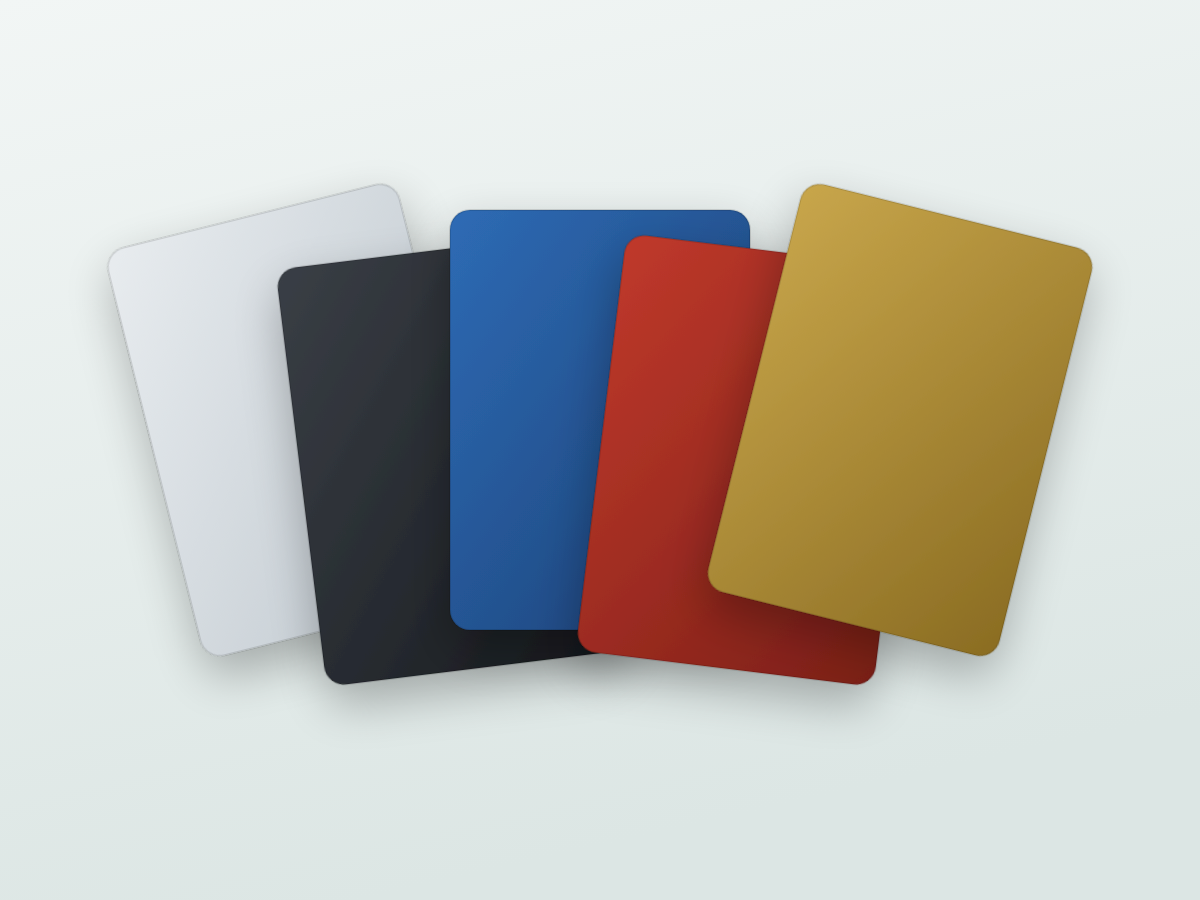
Anodizing grows a thicker, harder oxide that resists wear and corrosion better and takes dyed colors, but it insulates the surface. Choose it for visible, handled parts and alodine where current must pass.
- Thickness
- 5–25 µm Type II, 25–75 µm Type III
- Conductive
- No, electrically insulating
Powder Coating
Powder coating adds a thick, tough, colored layer for enclosures and frames. A Class 1A alodine film is the usual pretreatment under it and protects the aluminum where the powder chips.
- Thickness
- Typically 60–120 µm
- With alodine
- Class 1A as the pretreatment
Painting
Wet paint gives exact color matching in thin coats for cosmetic aluminum parts. Over alodine it holds far better, and corrosion cannot creep under it from a scratch.
- Colors
- RAL, Pantone or your sample
- With alodine
- Class 1A as the primer base
Sand Blasting
Blasting before alodine gives an even matte texture, and the film is so thin that the texture stays exactly as it is. The blasted surface also helps primer and paint grip.
- With alodine
- Pretreatment for a matte look
- Result
- Uniform matte, still conductive
Brushed Finish
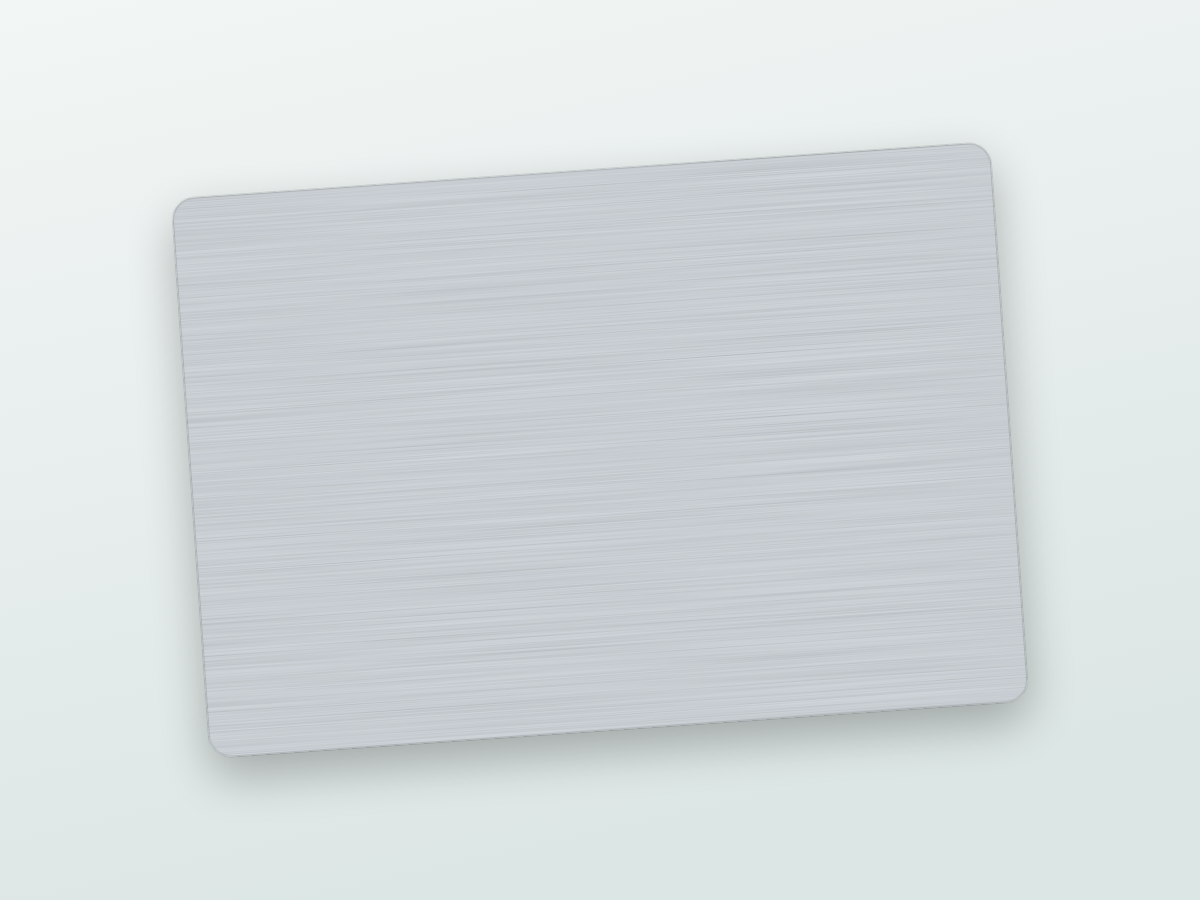
Brushing before alodine leaves a straight satin grain that stays visible under the clear film, a low-cost look for conductive panels and covers. State the grain direction so it runs the same way on every part.
- With alodine
- Pretreatment
- Result
- Linear satin grain under a clear film
Alodine can follow sand blasting or brushing, because the film is so thin that the texture underneath stays as it is. Ask for combined finishes in one request: we plan their order and masking, and every finish is done in our own factory.
Alodine FAQs
What is the difference between alodine and anodizing?
Anodizing is electrolytic: current grows an oxide layer of typically 5–75 µm that is hard, dyeable and electrically insulating. Alodine is a chemical conversion without current that forms a film of 1 µm or less, stays conductive and holds paint well. Anodizing is better for wear and bare corrosion resistance; alodine for conductivity, cost and dimensional stability.
Is alodine RoHS compliant and safe?
Type II alodine uses trivalent chemistry and is RoHS compliant, so it is our default. Type I contains hexavalent chromium, a carcinogen restricted under RoHS and REACH, and is used only where a specification requires it. Compliance documents can be provided on request, depending on the material and supplier.
Can alodine be applied to steel or stainless steel?
No. Alodine chemistry is made for aluminum and forms no useful film on steel. Stainless steel is protected by passivation; carbon steel by black oxide, zinc plating or electroless nickel. Zinc and magnesium have chromate conversion processes of their own.
How much does alodine change part dimensions?
Practically nothing. The film is about 0.25–1.0 µm (0.00001–0.00004 in) thick, well below the tolerance of almost any machined feature, so bores, threads and mating faces need no allowance. If a dimension must be measured after finishing, note it on the drawing and we inspect it after coating.
What temperature can an alodine coating withstand?
Hexavalent Type I films start to dehydrate above about 60 °C (140 °F), which reduces their self-healing protection, so they are dried at low temperature and are not recommended for hot service. Trivalent Type II films tolerate more heat; tell us the service temperature if your part runs warm.
How long does alodine take to dry and cure?
Parts dry to the touch within about 30 minutes at room temperature, depending on size and shape. The film stays soft for some hours and reaches full hardness after about a day, so parts are handled with gloves and packed only when fully dry.
How do I specify alodine on my drawing?
State the standard, type, class and color, for example "Chromate conversion per MIL-DTL-5541, Type II, Class 3, clear". Mark the faces that must stay bare and say whether critical dimensions apply before or after finishing. Without a specification, tell us what the part needs and our engineers suggest the callout.
Can only part of a component be alodined?
Yes. Areas that must stay bare are masked. More often it works the other way round: on anodized or painted parts, the masked grounding points are alodined afterwards with a brush or pen applicator, so the bare aluminum stays protected and conductive. Mark these areas on the drawing.
How do I get a quote for alodined parts?
Send a STEP or IGES model and a PDF drawing with the alloy, quantity and alodine callout. An engineer reviews every request and quotes within 24 hours, simple parts often in 2–4 hours, with free DFM feedback. There is no minimum order quantity, and a CMM report is free of charge for the dimensions you specify.
Get a Quote for Alodined Parts
Send us your models and drawings with the alodine callout. We make and coat the parts in our own factory, and our engineers reply with a detailed quote and free DFM feedback within 24 hours.

Jane
BOHUI PROTOTYPES LIMITED
Tell me the alloy, the quantity and the alodine type, class and color you need, and point out any faces that must stay bare or conductive.
You can send your request first and add files later by email or WhatsApp. For confidential designs, contact me before sharing your files.
Jane
BOHUI PROTOTYPES LIMITED
- Address: Xiaobian Street, Chang'an Town, Dongguan City, Guangdong Province, China
Request a Quote
Fields marked are required.