Custom Vacuum Casting Services
Polyurethane parts cast in silicone molds in Bohui's own factory in Dongguan, for functional prototypes, pilot batches and market tests before you invest in injection molds.
Send your 3D model and get an engineer-reviewed quote within 24 hours, with simple parts often quoted in 2–4 hours. We make the master model, cast the silicone mold and produce rigid, flexible or clear polyurethane parts in production-like colors and finishes, with typical tolerances of ±0.2 mm. Projects typically run 5–100 pieces with no minimum order quantity, and typical lead times start from 5 days for simple parts. Our factory is certified to ISO 9001, ISO 13485, ISO 14001 and IATF 16949, and we ship to customers in more than 120 countries.
Our Vacuum Casting Factory in China. Shipping Worldwide.
Bohui casts polyurethane parts in its own factory in Dongguan, alongside our CNC machining, 3D printing and injection molding, for every stage from prototype tests and functional validation to market tests. Masters, silicone molds, casting, finishing and inspection run under one quality system, which keeps your project on schedule and within budget. A wide choice of polyurethane and silicone materials, colors and finishes covers parts for automotive, electronics, consumer and medical products, and we ship by international express and air freight to customers in more than 120 countries.
Vacuum casting machines
10+
in our own factory in Dongguan
Parts per day
200
our maximum daily casting capacity
Typical lead time
5 days
for simple parts
Quote turnaround
24 h
simple parts often quoted in 2–4 hours
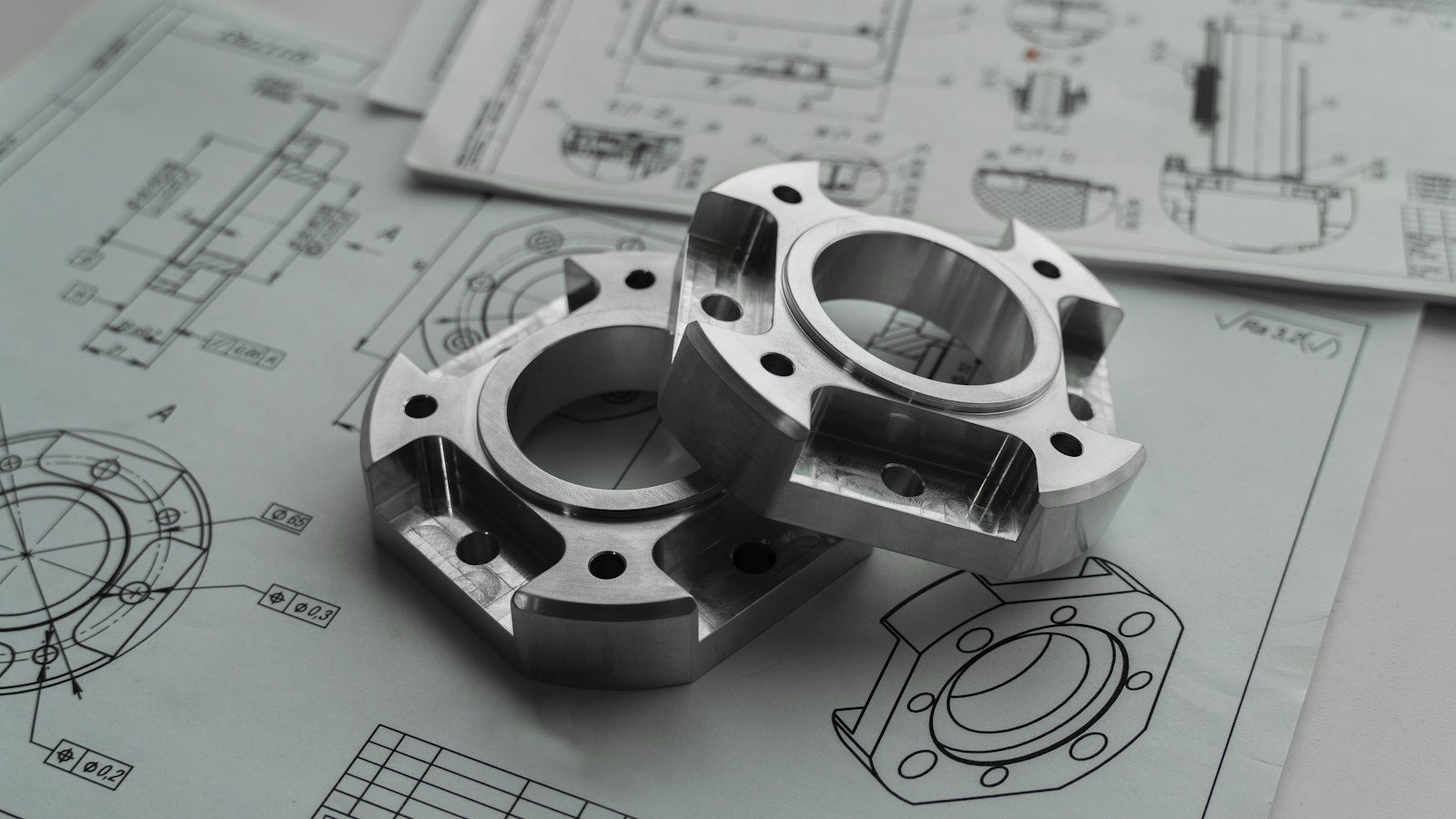
Master making
Masters 3D printed or CNC machined in our own factory, then finished by hand.

Engineering review
Every model reviewed for wall thickness, undercuts and the parting line.
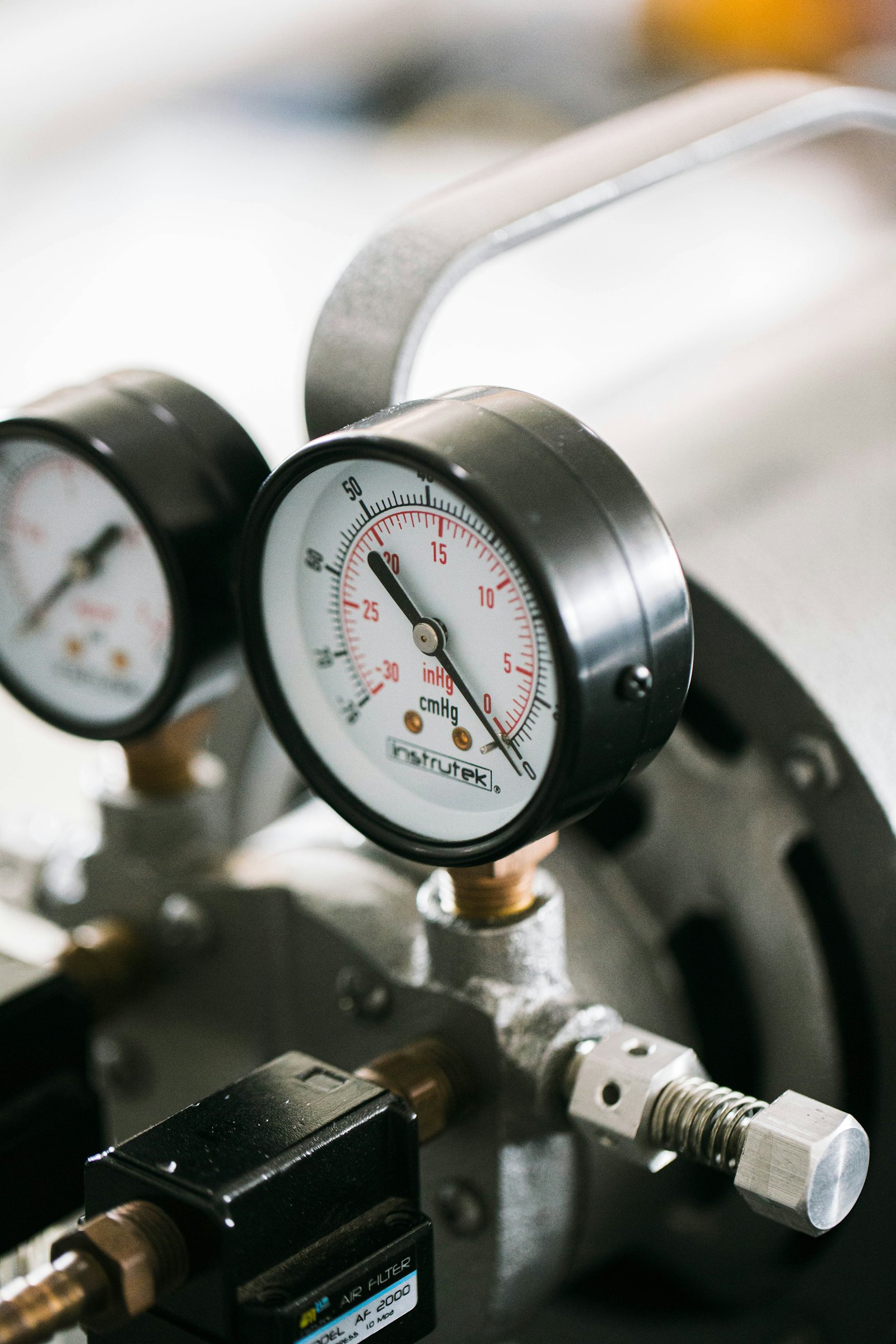
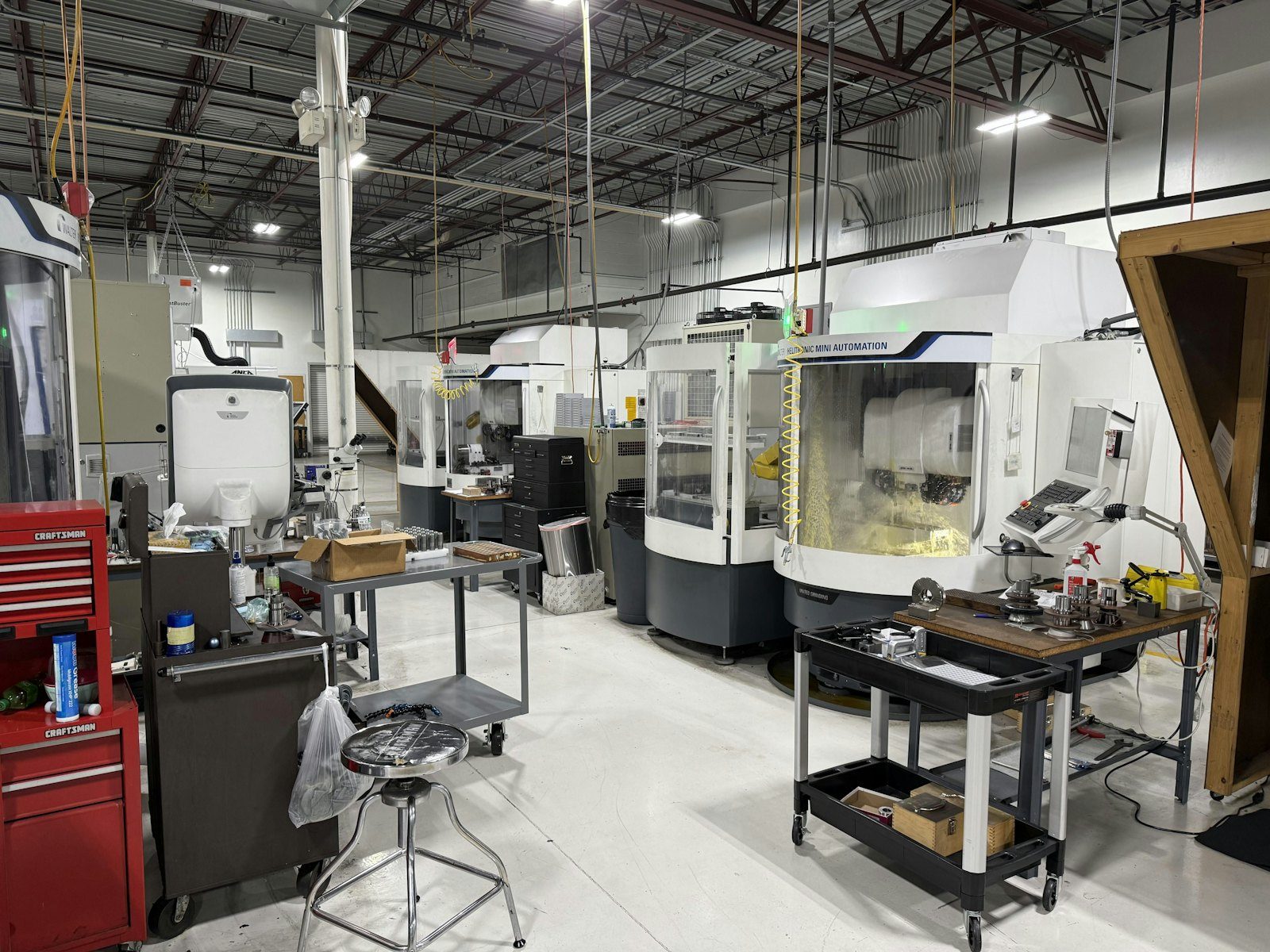
Casting under vacuum
Resin poured under vacuum, so thin walls fill without trapped air.
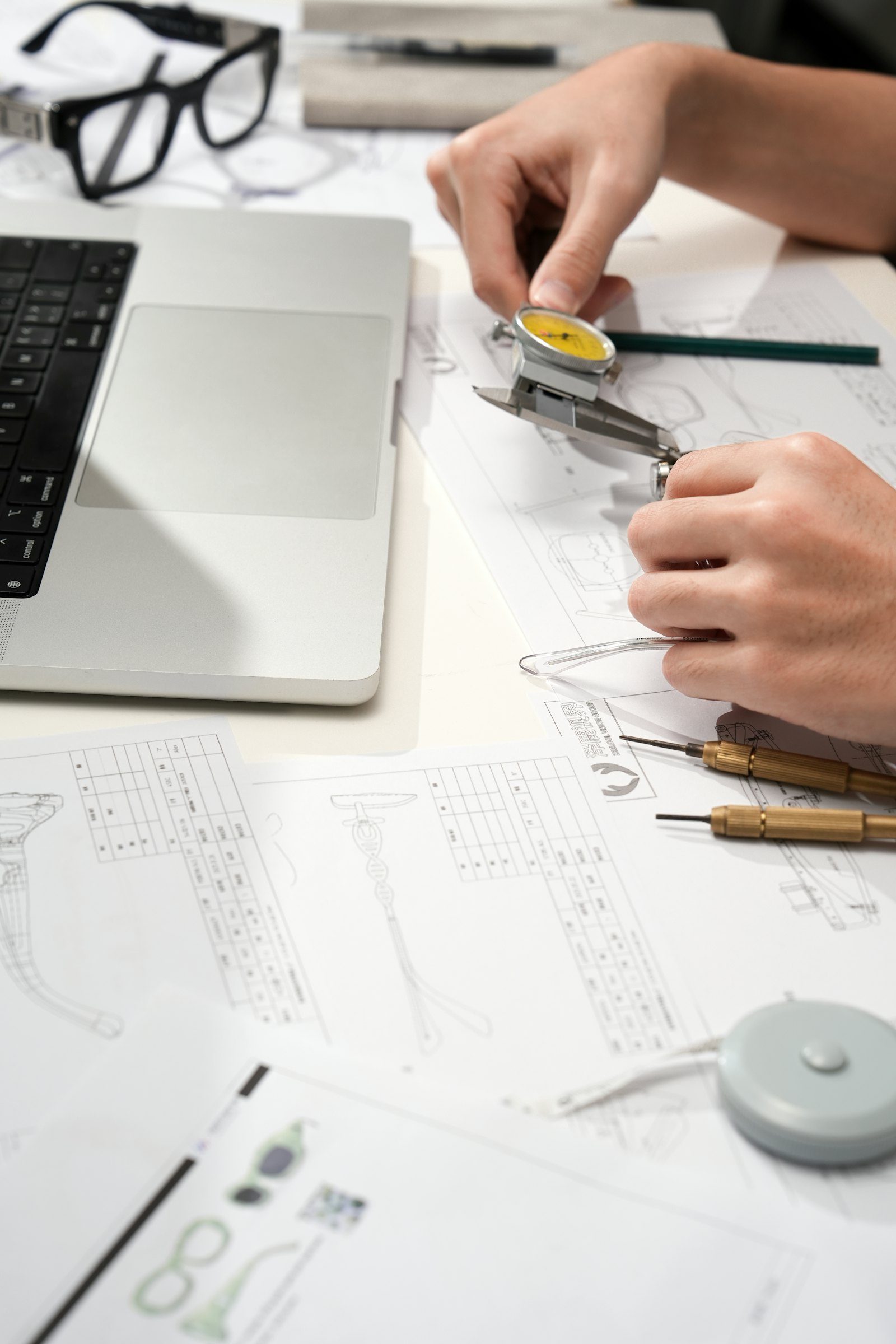
Inspection
Parts checked against your drawing, with ZEISS CMM for critical features.
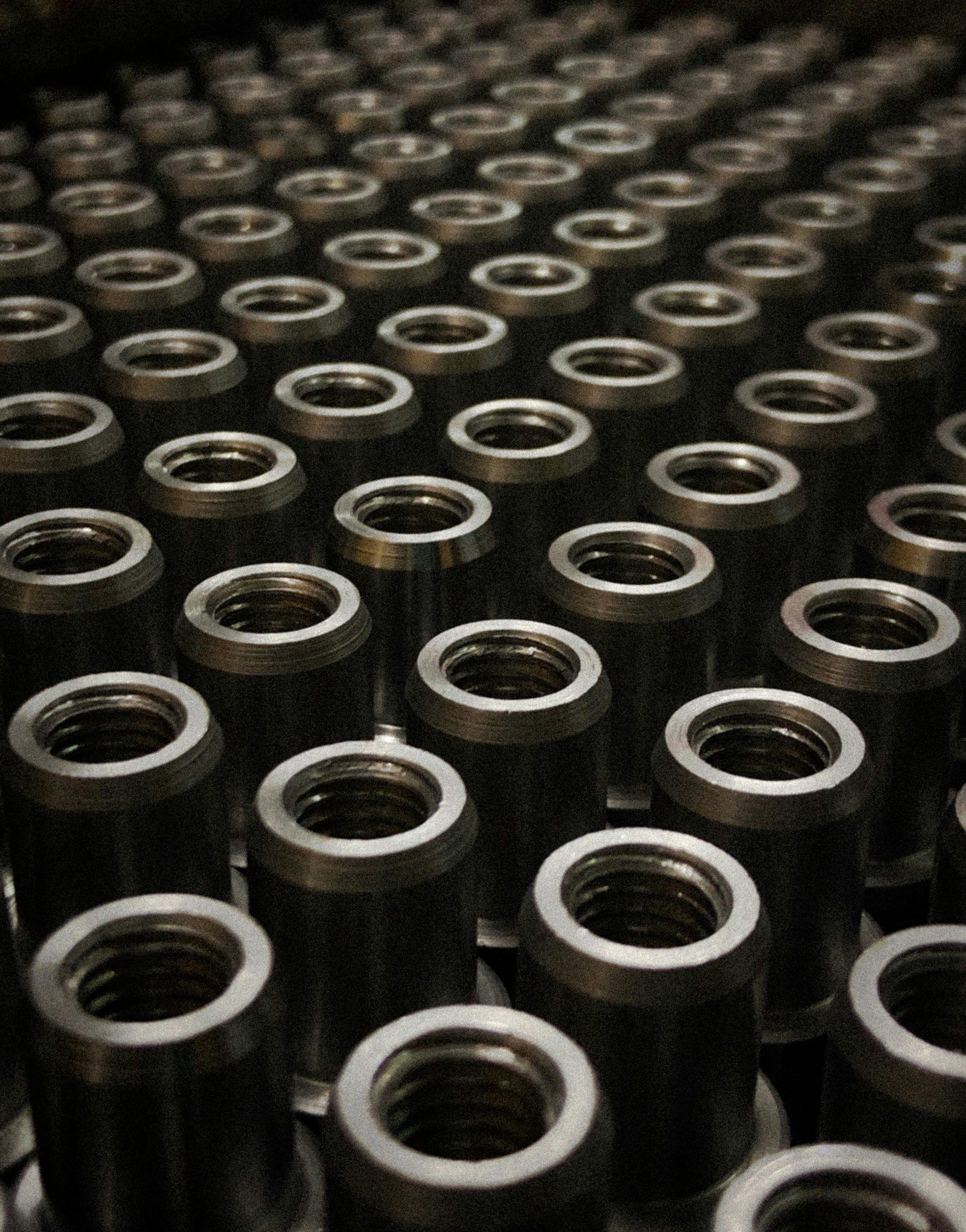
Small batches
Typically 5–100 pieces per project, with no minimum order.

Packed and shipped
Parts packed to protect their surfaces and shipped to more than 120 countries.
Vacuum Casting Capabilities and Specifications
These are our standard values for vacuum cast parts. Accuracy depends on the master, the part size and the shrinkage of the resin, so mark critical dimensions on your drawing; we review them feature by feature and confirm what we can hold in your quote.
| Specification | Standard | Notes |
|---|---|---|
| Tolerances | ±0.2 mm on most features; ISO 2768-cL for untoleranced dimensions | About ±0.1–0.3 mm depending on geometry, and ±0.1–0.8 mm overall depending on size; flexible resins and large parts vary more. |
| Critical features | ±0.15 mm local; ±0.10 mm on small holes | Mark them on your drawing; feasibility is confirmed in your quote. |
| Maximum part size | 2,300 × 1,300 × 600 mm | Size of a single cast part; larger parts are cast in sections and bonded. |
| Daily capacity | Up to 200 pieces per day | 1–10 castings per mold per day, set by the cure time of the resin; several molds run in parallel for larger batches. |
| Mold life | About 15–25 castings per mold | Fewer with clear or high-temperature resins and deep undercuts; new molds are cast from the same master. |
| Quantity | Typically 5–100 pieces per project | No minimum order quantity; single parts are welcome. |
| Colors and finishes | Wide range of colors, clear and tinted grades, gloss levels and textures | Painted, printed and polished in our own factory; see the colors and finishes below. |
| Typical lead time | From 5 days for simple parts | Usually 5–15 days including master, mold, casting and finishing; confirmed with your quote. |
Vacuum Casting from Prototype to Production
Vacuum casting sits between one-off prototypes and injection molding. It gives you production-like parts in small numbers while the design can still change, and the same 3D model moves on to the injection mold once the design is frozen.
- 01Concept validationNo tooling
Single parts for checking size, shape, feel and surface finish are usually quickest by 3D printing or CNC machining, with no tooling. A finished print can then serve as the master for your castings.
- 02PrototypingFrom 1 piece
Functional vacuum cast prototypes for testing fit, strength and usability, in resins, colors and tolerances close to those of production parts. Single parts are welcome.
- 03Low-volume production5–100 pcs
Pilot runs, trade-show samples, market tests, product launches and bridge production, typically 5–100 pieces per project. A new mold from the same master extends the run when one mold is worn.
- 04Mass productionInjection molding
Once the design is frozen and volumes grow, injection molding lowers the unit cost. Vacuum cast parts keep testing, assembly and first customers supplied while the mold is made.
Vacuum Casting Services for Custom Parts
Vacuum casting gives you parts that look and behave much like molded production parts, without the cost and wait of a steel or aluminum mold. We make every stage in our own factory, from the master model to the painted and assembled part, and our engineers tell you where the process suits your part and where another route would serve it better.
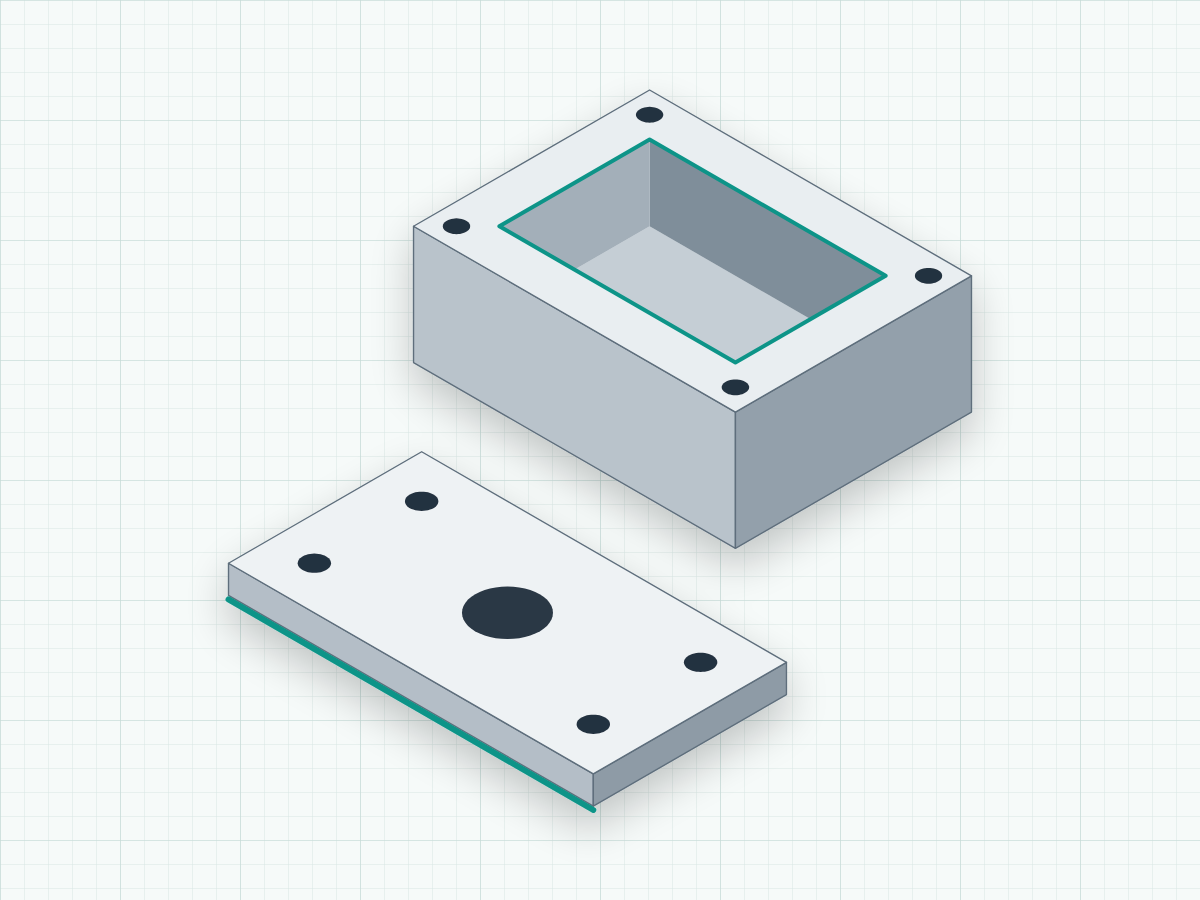
Master Models
The master decides the quality of every copy. We print masters by SLA for fine detail and speed, or CNC machine them where flat faces, sharp edges and tight dimensions matter, and finish them by hand to the gloss or texture your parts need.
- Methods
- SLA 3D printing, CNC machining
- Surface
- Sanded, polished or textured to your sample
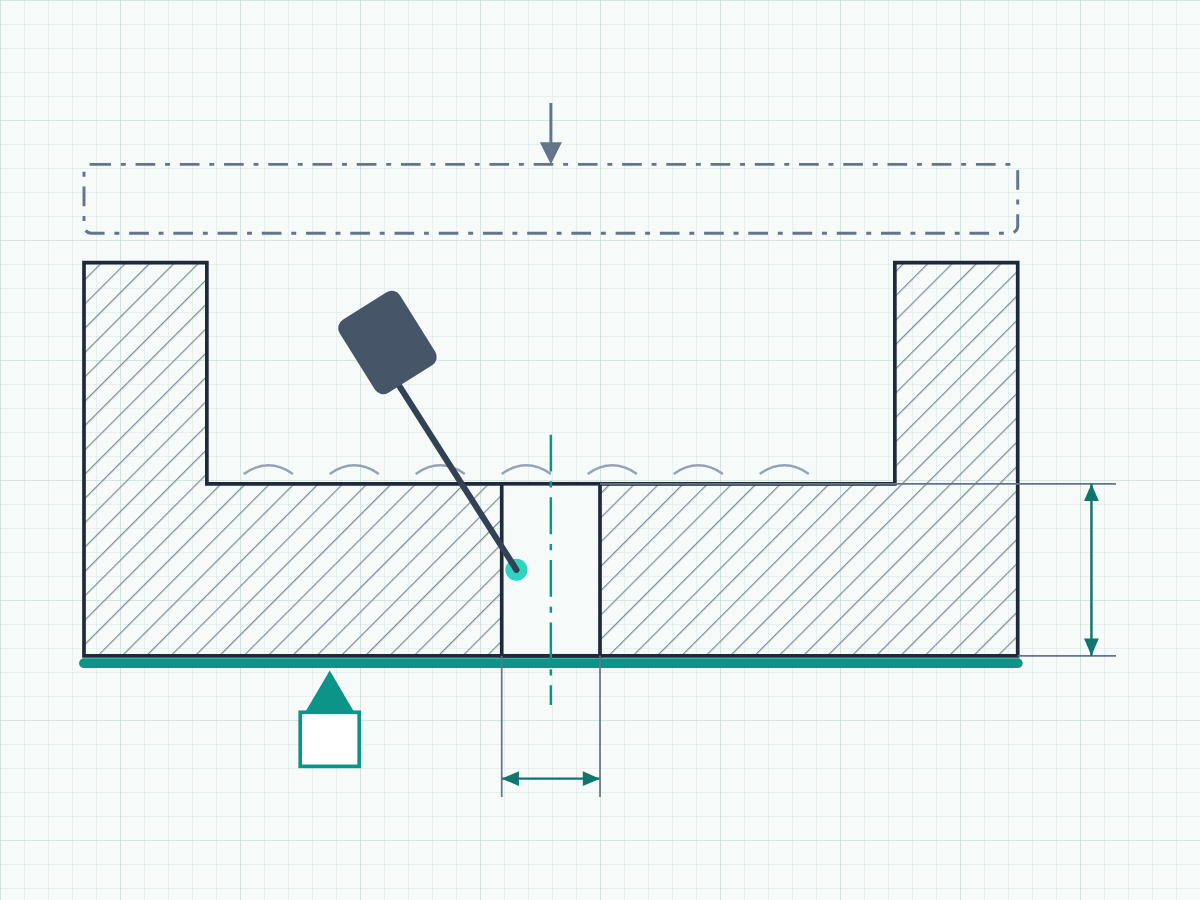
Silicone Molds
Molds are cast in tin-cure or platinum-cure RTV silicone of a hardness chosen for the part: softer silicone releases undercuts and fine detail, firmer silicone keeps rigid parts straight. A new mold can be cast from the same master whenever one wears out.
- Mold silicone
- Shore A 10–60, tin-cure or platinum-cure
- Mold life
- About 15–25 castings per mold
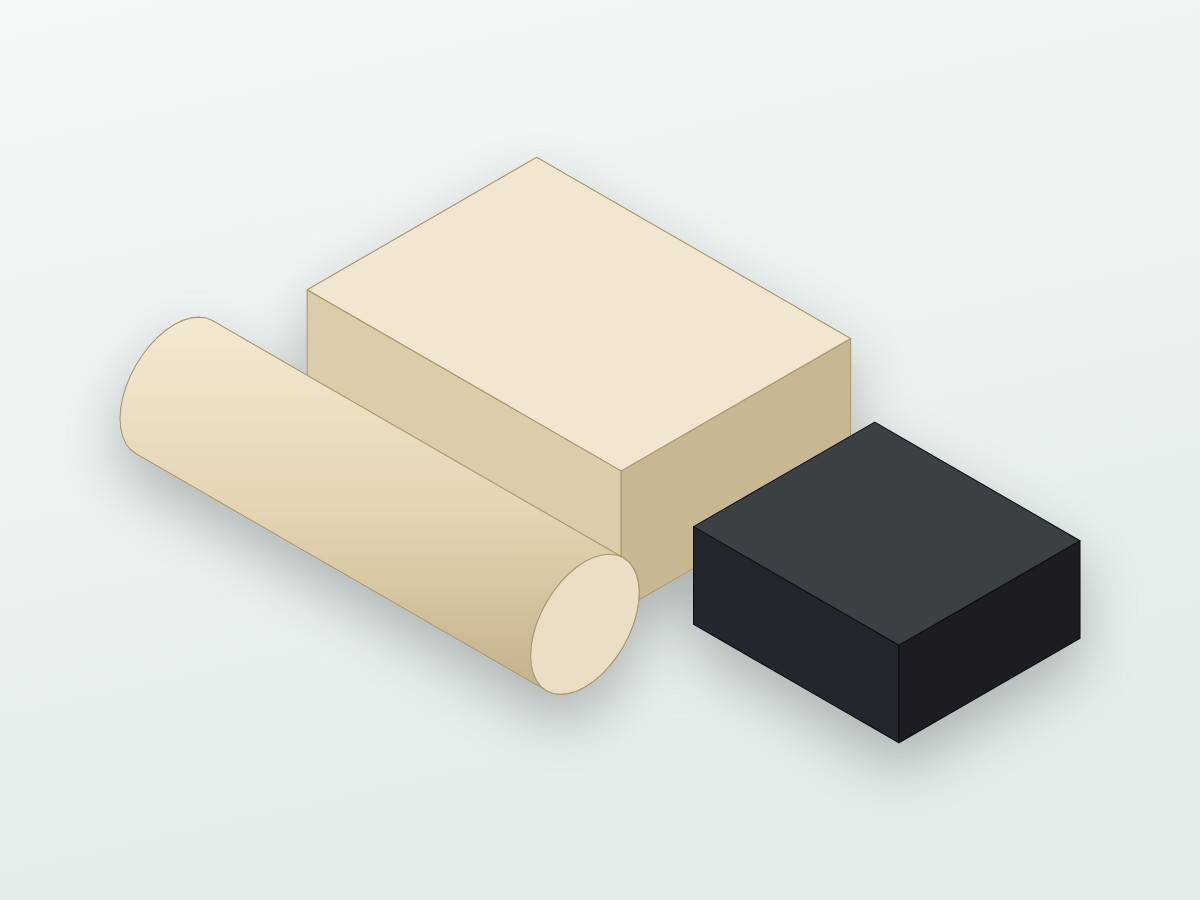
Rigid Polyurethane Parts
Rigid resins simulate ABS, PC, PP, PMMA, nylon and POM for housings, covers, brackets, bezels and knobs. Walls, ribs, bosses and snap fits come out as designed, so the parts can be assembled, screwed together and tested much like molded parts.
- Simulates
- ABS, PC, PP, PMMA, nylon, POM
- Special grades
- Flame-retardant and high-temperature resins
Flexible and Rubber-Like Parts
Polyurethane elastomers from very soft to firm make seals, gaskets, grips, keypads, bumpers and soft-touch covers. The hardness is set by the resin, so several Shore A values can be cast from one mold and tested before you choose a production material.
- Hardness
- About Shore A 30–90
- Typical parts
- Seals, gaskets, grips, keypads, bumpers
Clear and Tinted Parts
Clear PMMA-like resin, cast from a polished master and polished again after casting, gives lenses, light guides, display windows and fluid housings you can see through. It can stay water-clear, be tinted in the resin or frosted, and a clear soft rubber suits flexible transparent covers.
- Clarity
- Water-clear, tinted or frosted
- Typical parts
- Lenses, light pipes, covers, fluid housings
Inserts and Overmolding
Threaded metal inserts, magnets and machined parts can be placed in the mold before casting, so the resin locks around them. A soft resin can also be cast over a rigid cast part to add grips, seals or soft-touch areas in one piece, as overmolded production parts would have.
- Inserts
- Threaded brass inserts, magnets, machined parts
- Overmolding
- Soft resin cast over rigid cast parts
Vacuum Casting Materials
Vacuum casting resins are two-part polyurethanes formulated to imitate the stiffness, toughness, clarity or softness of production thermoplastics and rubbers. They are similar to the plastics they are named after, not identical: heat resistance, chemical resistance and long-term behavior differ. Tell us what the part must withstand, and our engineers will recommend a resin, with its datasheet on request. The properties below describe each resin family in general; the exact values depend on the grade named in your quote.
Rigid resins
Polyurethanes that simulate engineering thermoplastics for housings, structural and mechanical parts.
ABS-like
The most widely used casting resin. It is stiff, tough and easy to sand and paint, which makes it the default for housings, covers, brackets and appearance models.
Grades and properties
- Standard grades: a good balance of stiffness, impact strength and paintability
- High-temperature grades for parts near motors, lamps or electronics that run warm
- Flame-retardant grades for electrical enclosures; ask for the flammability rating and the thickness it applies to
Typical uses
Electronic housings, consumer product shells, brackets, appearance and fit prototypes.
PC-like
Stiffer and tougher than ABS-like resin, it suits parts that take impacts, carry loads or sit close to heat. A PC/ABS-like blend combines that toughness with the smooth, paintable surface of ABS.
Grades and properties
- Higher stiffness and heat resistance than ABS-like grades
- Good impact strength for drop tests and snap fits
- PC/ABS-like blend for tough housings with a cosmetic surface
Typical uses
Power tool and device housings, snap-fit covers, automotive interior parts, handles.
PP-like
A semi-rigid resin that bends without cracking, for clips, hinges and snap fits that must flex repeatedly in testing, and for parts that come into contact with fluids.
Grades and properties
- Good elongation and fatigue resistance, though fewer flex cycles than molded PP
- Resists many common fluids; test it with your own media
- PE-like grade: soft and chemically resistant for caps, plugs and covers
Typical uses
Clips, hinges, caps, containers, fluid housings, automotive trim.
PMMA-like (Clear)
A clear resin similar to acrylic, cast from a polished master and polished again after casting, for parts that must transmit light or show what is inside.
Grades and properties
- Water-clear, tinted in the resin, or frosted by blasting the master or the part
- Best clarity in even walls; clear resins can yellow slowly under strong UV light
- Clear resins wear silicone molds faster, so each mold yields fewer parts
Typical uses
Lenses, light guides, lamp covers, display windows, fluid and flow-visualization housings.
Nylon-like and POM-like
Resins for light mechanical parts. The nylon-like grade is slightly flexible and wear-resistant; the POM-like grade is hard, stiff and low in friction for sliding fits.
Grades and properties
- Nylon-like: some flexibility and good wear resistance for gears and bushings
- POM-like: stiff, dimensionally stable and slippery for guides and latches
- Wear life is prototype level; confirm loads and speeds in a functional test
Typical uses
Light-duty gears, bushings, latches, cams, guides and clips.
Flexible resins
Polyurethane elastomers and silicones for soft, sealing and skin-contact parts.

Rubber-Like Polyurethane
Elastomers that simulate TPU, TPE and rubber for parts that must flex, cushion or seal. The hardness is chosen per part, and several hardnesses can be cast from one mold for comparison.
Grades and properties
- Soft grades (about Shore A 30–50) for grips, seals and soft-touch areas
- Medium and firm grades (about Shore A 60–90) for gaskets, keypads and bumpers
- Tough and tear-resistant; can be overmolded onto rigid cast parts
Typical uses
Gaskets, seals, grips, keypads, feet, bumpers, cable sleeves.
Clear Soft Rubber
A transparent elastomer for flexible windows, protective covers, light-diffusing parts and soft buttons that must let light through.
Grades and properties
- Clear and soft, for covers and caps that bend
- Can be tinted in transparent colors
- Like other clear resins, avoid long exposure to strong UV light
Typical uses
Protective covers, flexible display parts, illuminated buttons, soft lenses.
Silicone Rubber
Cast silicone stays flexible over a wide temperature range and keeps its shape over time, where polyurethane elastomers would harden or take a set.
Grades and properties
- Stays elastic at low and high temperatures
- Platinum-cure, food-grade silicone for samples that touch food or skin
- Compliance documents on request, depending on the grade and its supplier
Typical uses
Kitchenware samples, wearable straps, medical device samples, seals for warm parts.
Vacuum Casting Colors
Casting resins are mixed with pigment before they are poured, so the color runs through the whole part rather than sitting on its surface. Choose a standard black or white, a clear or tinted grade, or a custom match to your reference. Where a color must match closely across a large batch, the cast parts are painted instead.
Black and White
Standard black and pure white are pigmented through the resin, so scratches do not reveal another color underneath. Black is the usual choice for housings and functional parts; white gives a clean look to medical and consumer models and a neutral base for paint.
- Look
- Opaque, color through the part
- Best for
- Housings, functional and design models
Clear and Tinted
Clear resins can stay water-clear, be tinted in a transparent color such as smoke, red or amber, or be made translucent to diffuse light evenly behind indicators and logos. Polishing after casting restores full clarity at the gates and parting lines.
- Options
- Water-clear, tinted, translucent, frosted
- Best for
- Lenses, light guides, indicator windows

Custom Colors
We match Pantone or RAL references or your physical sample by blending pigments into the resin or by painting. Pigmented colors can vary slightly between molds and batches, so painting keeps large orders consistent, and metallic looks need vacuum metallizing or metallic paint.
- References
- Pantone, RAL or your sample
- Approval
- Color sample before the batch is cast
Vacuum Cast Parts Checked Before They Ship
Every casting is a copy of the master, so quality starts with the master and continues through every mold and batch. Our certified quality system and calibrated inspection equipment make sure that dimensions, surfaces, colors and fits match your drawing and your approved sample.
Certified quality system
Our factory is certified to ISO 9001, ISO 13485, ISO 14001 and IATF 16949, so your vacuum cast parts are made under internationally recognized quality, medical, environmental and automotive standards.
Master and first-article approval
The master is checked against your model and the required finish before the mold is made. First castings are measured, and on request we send samples, photos and an inspection report for your approval before the batch runs.
Dimensional inspection
Calipers, height gauges, micrometers and our ZEISS CMM verify hole sizes, wall thicknesses, positions and fit dimensions, among more than 20 types of inspection equipment. We provide a CMM report free of charge for the dimensions you specify.
Visual and color inspection
Cosmetic faces are inspected with magnifiers, roughness testers and color charts for bubbles, voids, scratches, dents and flow lines, and colors are compared with your approved sample so they stay consistent across the batch.
Paint adhesion testing
Painted parts are tested for coating adhesion, typically with a cross-hatch tape test, and checked for film thickness and even coverage, so paint and soft-touch coatings stay on through handling, assembly and testing.
Assembly and fit checks
Mating parts are fitted together to confirm that grooves, snap fits, bosses and screw joints line up without gaps or interference. First-article, in-process and final checks are recorded, and we provide COC, COA and COT documents.
Why Choose Bohui for Vacuum Casting
A cast part is only as good as its master, its mold and the resin chosen for the test. These are the reasons engineers bring their vacuum casting projects to us.
We print or machine the master, cast the silicone mold, and cast, finish and inspect your parts in our own factory, certified to ISO 9001, ISO 13485, ISO 14001 and IATF 16949. If a manufacturing error on our side makes a part wrong, we remake it free of charge.
Engineer-reviewed quotes within 24 hours, simple parts often in 2–4 hours, no minimum order quantity and typical lead times from 5 days for simple parts. Batches of 5–100 pieces need no steel tooling: a design change needs only a new master and silicone mold.
Every quote includes free DFM feedback on wall thickness, undercuts, draft and parting lines, and a resin recommendation for your test. Our engineers can create a simple 3D model from your sketch, and one project contact follows your order.
Have a 3D model ready?
Upload STEP, STP or IGES models with a PDF drawing, and tell us the resin, color, finish and quantity you need. Our engineers review every file for castability and send a detailed quote within 24 hours; you approve samples before the batch is cast.
How Vacuum Casting Works
Vacuum casting, also called urethane casting, copies a master model into small batches of plastic and rubber parts in three steps. Every step affects the accuracy and appearance of the final parts, so our engineers plan the master, the mold and the resin together before work starts. After each casting the part is demolded and the mold closed again for the next one; gates and vents are trimmed, parting lines cleaned up, and the parts painted, printed or fitted with inserts as specified, then checked against your drawing and approved sample before packing.
Master model. We make the master from your 3D model by SLA 3D printing or CNC machining, then sand, polish or texture it, because the silicone mold copies every detail of its surface.
Silicone mold. The master is fixed in a casting box with gates and vents, liquid silicone is poured around it and cured, and the mold is cut open along the parting line. Each mold gives about 15–25 castings.
Vacuum casting and curing. Two-part resin, degassed and pigmented where needed, is poured into the mold under vacuum, filling thin walls and fine details without trapped air. It cures in an oven for 30 minutes to 2 hours, depending on resin and size.
Vacuum Casting for Various Industries
Vacuum cast parts are used wherever a product needs real plastic and rubber parts before its molds exist: for design reviews, fit and function tests, user trials, trade shows and first customer deliveries. We cast them for engineers, startups and established manufacturers in these industries, and also lightweight interior panels and flame-retardant control housings for aerospace, and machine guards, control panels and fixtures for industrial equipment.
Automotive
Interior trim, console and dashboard parts, lamp lenses, light guides and soft-touch covers for design reviews, fit-and-finish checks and prototype vehicles. Parts are cast in ABS-like, PC-like, clear or rubber-like resins and painted to your interior color standard, under an IATF 16949 quality system.
- Typical parts
- Trim panels, switch bezels, vent louvers, lamp lenses, grommets, cable clips
Medical Devices
Housings, handles, covers, keypads and seals for diagnostic equipment, handheld devices and surgical instrument prototypes, used for ergonomic studies, usability testing and demonstrations. Parts are made under an ISO 13485 quality system, and material data for the proposed resin is available on request.
- Typical parts
- Device housings, handpieces, display bezels, keypads, seals, wearable straps
Consumer Products
Enclosures, buttons, lenses and decorative parts for electronics, home appliances, personal care and sports products, painted, textured and printed to look like the final product for photography, crowdfunding campaigns, market tests and first production runs.
- Typical parts
- Device cases, speaker housings, appliance panels, remote controls, wearables
What Is Vacuum Casting?
Vacuum casting, also called urethane or polyurethane casting, makes plastic and rubber parts by pouring liquid two-part resin into a silicone mold under vacuum. The mold is cast around a master model, usually 3D printed or CNC machined, and then cut open to release it. Because silicone is soft and flexible, the mold reproduces fine detail and textures, releases many undercuts, and the vacuum draws the resin into thin walls without trapping air.
The process is fast and inexpensive to start. A silicone mold takes days instead of the weeks an injection mold needs, and costs a small fraction as much. Each mold makes about 15–25 parts, and more molds can be cast from the same master, so batches of tens of parts stay economical. Resins imitate ABS, PC, PP, PMMA and rubber, in any color, clear or with a soft-touch surface.
It also has limits. Cast resins are similar to, not the same as, production thermoplastics, so tests that require the final material should use molded parts. Tolerances are wider than in machining, and the unit cost hardly falls with quantity, so beyond a few hundred parts injection molding is usually cheaper. Single parts are often quicker by 3D printing, and metal parts or tight tolerances call for CNC machining, which holds ±0.05 mm as standard.
Many products use all three: a printed master, a vacuum cast batch for testing and a molded part for production. Our engineers recommend the route that suits your quantity, material and schedule.
3D Printing vs Vacuum Casting vs Injection Molding
Your project's stage, quantity and part function decide which process fits best, and many products use all three in turn. This comparison shows where vacuum casting sits; our engineers confirm the right route for your part with the quote.
| Factor | Vacuum casting | 3D printing and injection molding |
|---|---|---|
| Tooling | Silicone molds cast from a master in days, at low cost | 3D printing: no tooling. Injection molding: aluminum or steel molds, a much larger investment |
| Lead time | Typically 5–15 days | 3D printing: from 1 day for simple parts. Injection molding: T1 samples from 2 weeks, then production |
| Best quantity | About 5–100 parts per project | 3D printing: about 1–20 parts. Injection molding: from about 1,000 parts |
| Tolerance | ±0.1–0.8 mm, ±0.2 mm on most features | 3D printing: ±0.2–0.3 mm as standard. Injection molding: ±0.05–0.1 mm |
| Surface finish | Smooth, with little finishing | 3D printing: layer lines that need post-processing. Injection molding: production-ready |
| Complex geometry | Handles undercuts and fine details | 3D printing: almost any shape. Injection molding: limited by the mold design |
| Materials | Polyurethanes from soft rubber to rigid and clear | 3D printing: printing resins, powders and filaments. Injection molding: a wide range of thermoplastics |
| Design changes | Easy and low cost: a new master and silicone mold | 3D printing: no cost penalty. Injection molding: costly mold changes |
When to Choose Vacuum Casting?
Choose it when you need about 5–100 parts that look, feel and assemble like molded parts: for functional tests, user trials, trade-show samples and bridge production. Not sure it fits? Send us the model and quantity, and our engineers will compare casting, printing, machining and molding for your part.
Surface Finishes for Vacuum Cast Parts
A silicone mold copies the surface of the master, so the gloss or texture of your parts is set when the master is finished and cannot be changed later without refinishing the master and casting a new mold. Paint, printing and polishing are added after casting, and all finishing is done in our own factory. Tell us which faces are cosmetic, and confirm gloss or matte before production starts.
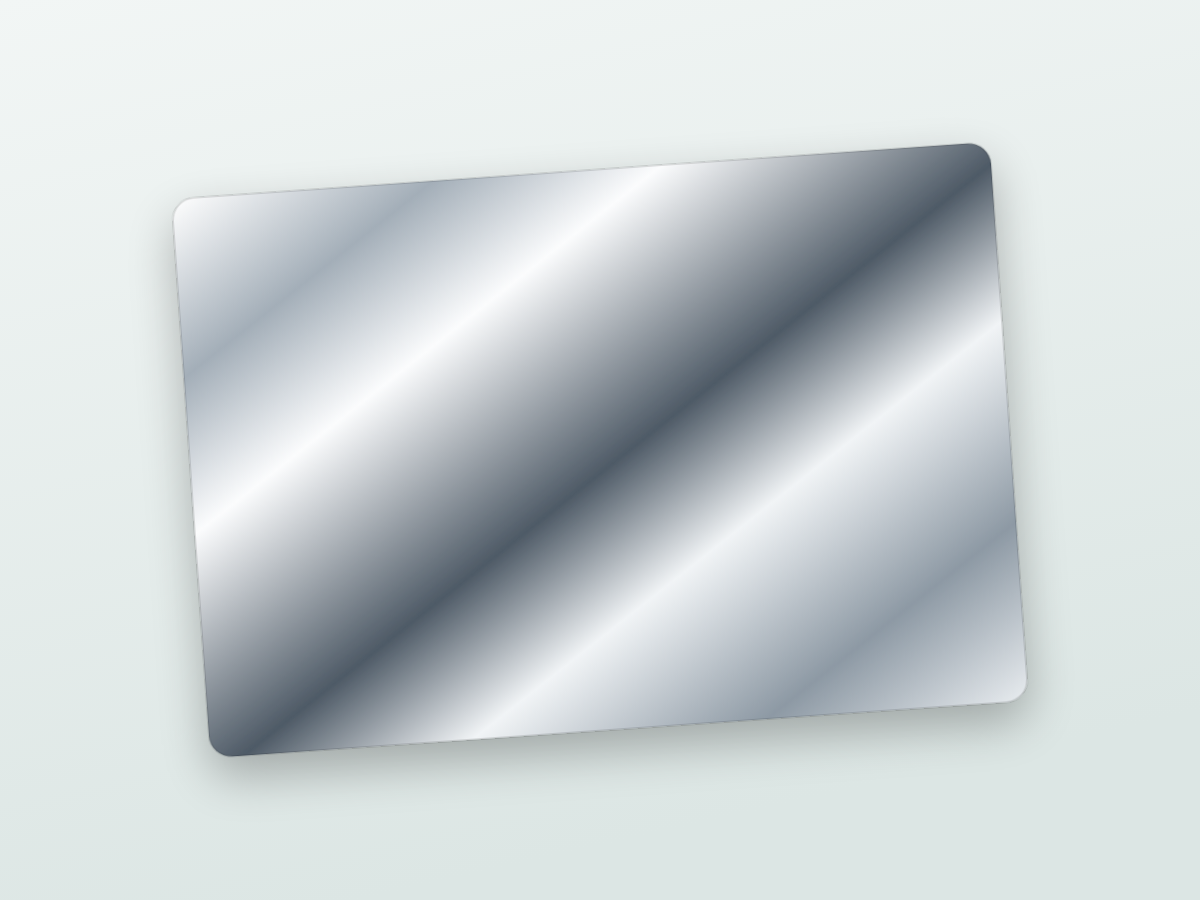
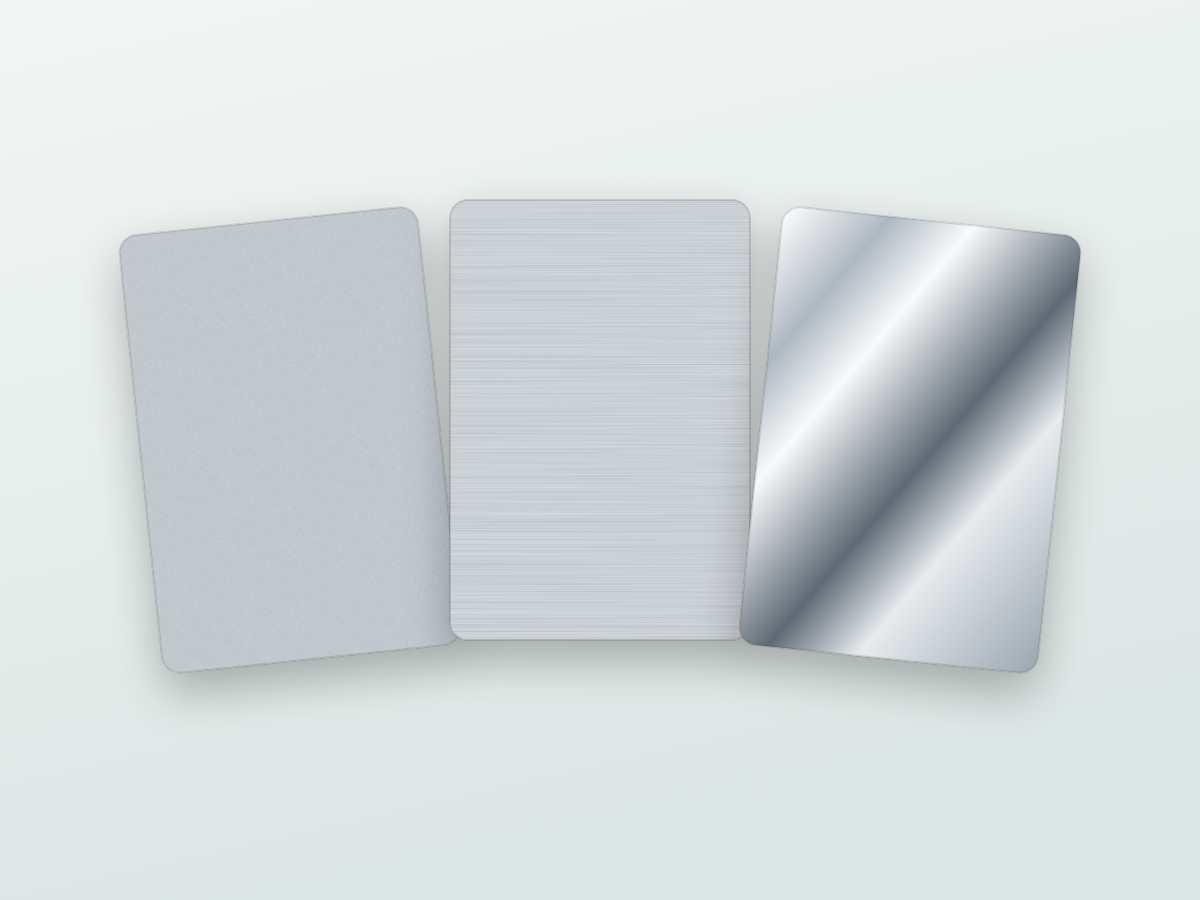
Gloss Finish (SPI A and B)
The master is sanded through fine grits and polished, and the mold passes that gloss to every casting. It suits cosmetic housings, bezels and clear parts, but shows scratches and small flaws more than matte surfaces do.
- Look
- High gloss (A1–A3) to semi-gloss (B1–B3)
- Roughness
- Ra about 0.012–0.32 µm
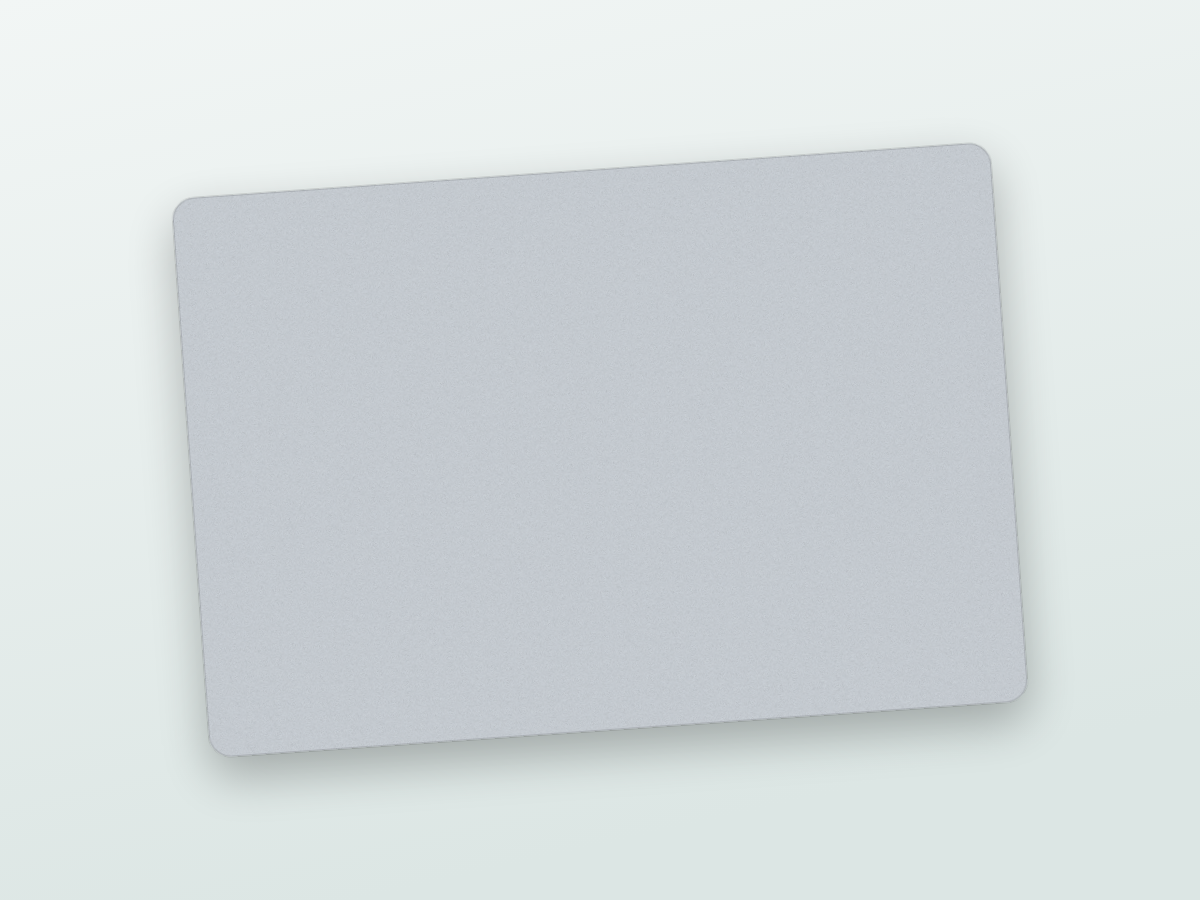
Matte Finish (SPI C and D)
The master is stone-sanded or bead-blasted to a satin or matte surface that hides fingerprints, light scratches and small flaws. Fine textures similar to VDI grades are made the same way, on the master.
- Look
- Low gloss (C1–C3) to matte (D1–D3)
- Roughness
- Ra about 0.35–18 µm
Color in the Resin
Pigment is mixed into the resin before casting, so the color runs through the part and needs no coating. It is the economical choice for functional parts, with slight color variation possible between batches.
- Colors
- Black, white, clear, tinted, custom
- Best for
- Functional and fit-test parts
Polishing
Clear parts are polished after casting to restore full transparency at the gates and parting lines, and opaque parts can be buffed to a higher gloss in selected areas.
- Best for
- Lenses, light guides, clear covers
- Result
- Optical clarity or a local high gloss
Painting
Spray painting gives the most accurate and consistent color across a batch, in matte, satin or gloss, and hides the small differences of pigmented resin. Mark mating faces that must stay free of paint.
- Colors
- Pantone, RAL or your color sample
- Gloss
- Matte, satin and gloss
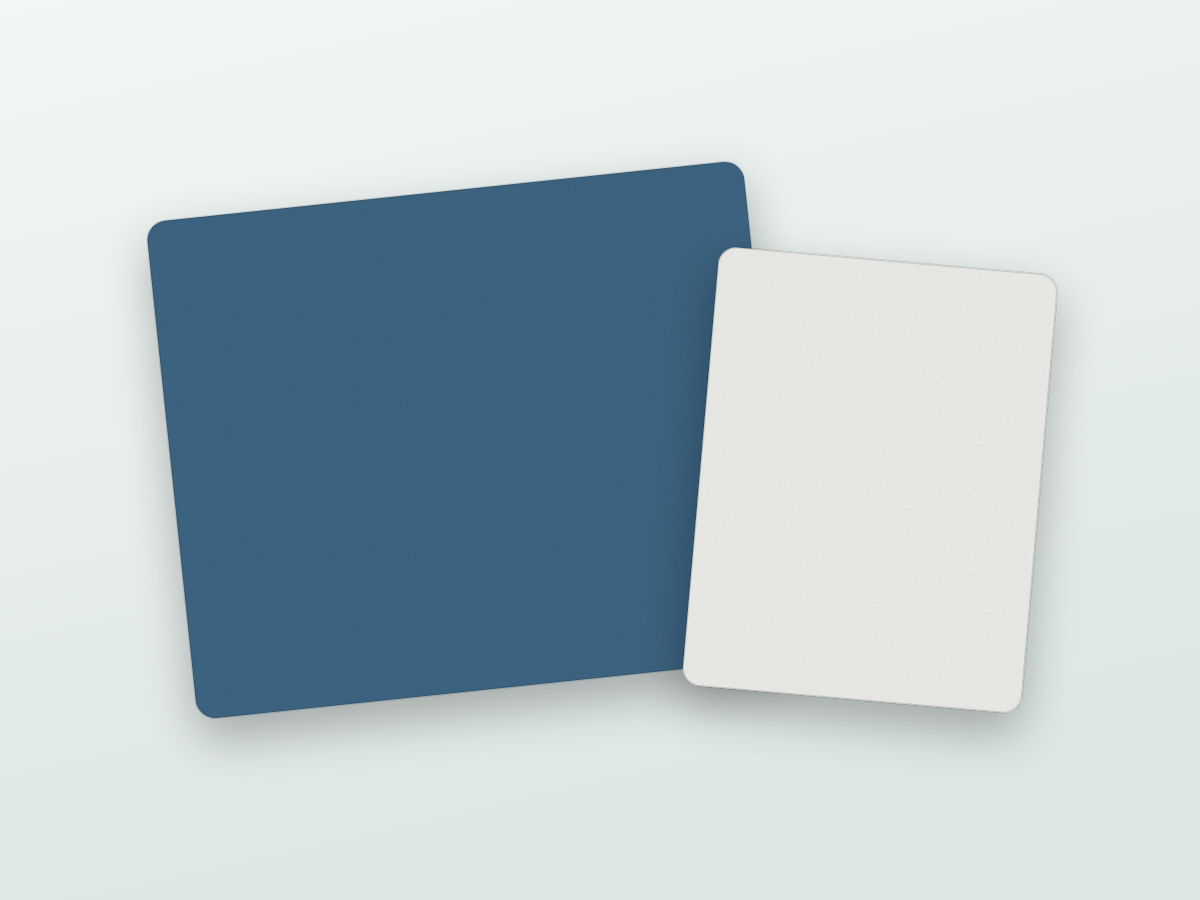
Soft-Touch and Textured Paint
Soft-touch paint gives housings, remote controls and handheld devices a velvety, rubber-like feel. Texture paint adds a fine, even grain to large surfaces where texturing the master would cost more.
- Feel
- Velvety soft-touch or fine grain
- Typical parts
- Handhelds, remotes, wearables, panels
Logos and markings can be added by silk screen, pad or UV printing, and metallic looks by vacuum metallizing or metallic paint. Mark any faces, holes and inserts that must stay free of paint on your drawing.
Design Guidelines for Vacuum Casting
Vacuum casting is forgiving, but these values keep parts accurate, strong and easy to demold, and they make your silicone molds last longer. Every file we quote receives a free DFM review, so our engineers will flag walls, ribs and undercuts that risk defects before the master is made.
| Design rule | Recommended value | Why |
|---|---|---|
| Wall thickness | At least 1 mm; 1.5–3 mm recommended | Thin walls fill slowly and tear when demolded; walls of 1.5–3 mm cast reliably in most resins. |
| Thick sections | Even walls; core out sections over about 6 mm | Thick areas cure hotter and shrink more, which causes sink marks, voids and distortion. |
| Ribs | About 60–80% of the adjoining wall, at least 1 mm thick | Ribs stiffen thin walls without adding mass; thin, tall ribs may not fill completely. |
| Draft angle | 0.5–1° recommended, not mandatory | Flexible silicone releases straight walls, but draft reduces mold wear and helps tall and textured faces release. |
| Undercuts | Shallow ones need no side action; deep ones need a mold split | Silicone stretches over shallow undercuts; deep ones need extra split lines or inserts and shorten mold life. |
| Inside corners | Radius of at least 0.5 mm | Sharp corners trap air, concentrate stress and tear the silicone after a few castings. |
| Text and fine detail | Raised or recessed by at least 0.5 mm | Shallower detail fills and copies poorly, and it is the first to wear from the mold. |
| Threads and fasteners | Threaded inserts, or holes tapped after casting | Cast threads in resin wear quickly; brass inserts give strong threads for repeated assembly. |
Vacuum Casting FAQs
Is vacuum casting the same as urethane casting?
Yes. Vacuum casting, urethane casting, polyurethane casting and silicone molding all describe the same process: two-part polyurethane resin is poured into a silicone mold that was cast around a master model, and the vacuum removes air from the resin and the mold so the parts are free of bubbles. It should not be confused with vacuum forming, a different process that heats a plastic sheet and draws it over a tool to make thin shells such as trays, blister packs and covers.
How accurate are vacuum cast parts?
Most features are held to about ±0.1–0.3 mm, and untoleranced dimensions follow ISO 2768-cL. Local features can reach ±0.15 mm and small holes ±0.10 mm, while large parts may vary by up to about ±0.8 mm. Accuracy depends on the master, the size and shape of the part and the shrinkage of the resin, and flexible resins vary more than rigid ones. Mark the dimensions that matter on your drawing, and we will confirm what we can hold and how we will measure it in your quote.
How does vacuum casting compare with 3D printing and injection molding?
3D printing needs no tooling and is quickest for one to about twenty parts, but printed parts show layer lines and are limited to printing materials. Vacuum casting needs a silicone mold, typically takes 5–15 days and suits tens of parts with a molded look, smooth surfaces and resins from soft rubber to rigid and clear. Injection molding needs an aluminum or steel mold that takes weeks and costs far more, but it gives the lowest unit cost, tolerances of about ±0.05–0.1 mm and real production plastics from about a thousand parts upward. Design changes are free in printing, need a new master and silicone mold in casting and mean expensive mold changes in molding.
When is vacuum casting the right choice?
Choose it when you need about 5–100 parts that look, feel and assemble like molded parts: functional and fit tests, user trials, marketing and trade-show samples, crowdfunding units, pre-compliance tests and bridge production while the injection mold is made. It is less suitable for metal parts, for tests that must be made in the final production material, for very tight tolerances and for quantities of several hundred parts or more. If you are unsure, send us the model and quantity, and our engineers will compare casting, printing, machining and molding for you.
Can you use an existing part as the master?
Often, yes. A clean, rigid and undamaged part can serve as the master, for example to copy a discontinued component or a modified prototype. The mold copies everything, including scratches, sink marks and tool marks, and the casting comes out slightly smaller than the original because the resin shrinks, so we check the part and repair or refinish its surface first where needed. Please make sure you have the right to reproduce the part. When accuracy matters, a master printed or machined from a 3D model is the better starting point.
Is ABS-like resin the same as ABS?
No. ABS-like, PC-like and PP-like resins are polyurethanes formulated to match the stiffness, impact strength and appearance of those plastics, so they work well for form, fit and most functional tests. Heat resistance, chemical resistance, UV stability and long-term creep differ from the real thermoplastics, and certification tests such as flammability or food contact apply only to the resin you actually use. Tell us the loads, temperatures and fluids your part will see, and we will recommend a grade, with its datasheet on request, or suggest molded or machined parts in the final material.
Can you cast transparent parts?
Yes. Clear PMMA-like resin is cast from a highly polished master and polished again after casting, which gives lenses, light guides, windows and fluid housings good transparency. Parts can be water-clear, tinted in a transparent color or frosted. Even wall thicknesses give the best clarity, clear resins wear molds faster, so each mold yields fewer parts, and like most clear polyurethanes they can yellow slowly under strong UV light. For optical parts with very tight surface requirements, machined acrylic or polycarbonate from CNC machining may be the better choice.
Which hardness can rubber-like parts have?
Polyurethane elastomers range from about Shore A 30, which is very soft and suited to grips and soft-touch areas, to about Shore A 90, which is firm enough for bumpers, feet and wheels. Seals and gaskets typically sit around Shore A 50–70, and keypads around Shore A 40–60. Because the hardness comes from the resin rather than the mold, we can cast the same part in several hardnesses from one mold, so you can compare them before choosing a production material. Soft resin can also be overmolded onto a rigid cast part.
How do you match colors?
Pigments are blended into the resin to match a Pantone or RAL reference or your physical sample, so the color runs through the whole part. Pigmented colors can vary slightly between molds and batches, so for exact matches or large orders we recommend painting, which gives the most consistent result in matte, satin or gloss. Metallic looks are made by vacuum metallizing or metallic paint, and logos and multi-color graphics are printed. We send a color sample for approval before the batch is cast. All options are listed on our surface finishes page.
Do you offer flame-retardant or high-temperature resins?
Yes. Flame-retardant ABS-like grades suit electrical enclosures and other parts that need flame resistance, and high-temperature grades suit parts near motors, lamps and electronics that run warm. Ask us for the flammability rating of the grade and the wall thickness it applies to, and keep in mind that a finished product that needs certification is usually tested with molded parts in the final material. RoHS-compliant material options, material certificates and related compliance documents are available on request, depending on the material and its supplier.
How many parts can one silicone mold make?
A silicone mold typically makes about 15–25 castings. The number depends on the geometry, since deep undercuts, sharp edges and fine textures wear the mold sooner, and on the resin: clear and high-temperature resins shorten mold life. When a mold is worn, a new one is cast from the same master, so an order of 100 parts uses several molds. We plan the molds so that all parts in your batch match the approved sample. Tell us if you expect repeat orders, so that we can plan the master and molds for them.
What holds the silicone mold together during casting?
The mold is made in two or more parts that are registered by keys along the parting line, so they always close in the same position. For casting, the parts are taped or clamped together and usually held in a rigid frame of aluminum or plastic. The frame keeps the soft silicone from distorting under vacuum, keeps the halves aligned and stops resin from leaking along the parting line. The vacuum then draws the resin into every detail of the cavity, leaving clean parts without air bubbles.
Where will the parting line and gate marks be?
We place the parting line along edges and corners wherever possible, and the gates and vents on faces that are hidden or not cosmetic. After casting, gates and vents are trimmed and the parting line is sanded, which may leave a faint witness line on high-gloss surfaces. Tell us which faces are cosmetic and which can carry marks, and our engineers will take that into account when they plan the mold during the DFM review.
Which surface finishes are possible on vacuum cast parts?
The mold copies the surface of the master, so gloss and matte finishes are made on the master and follow the SPI mold finish grades, from SPI A high gloss to SPI D matte, or fine textures similar to VDI grades. After casting, parts can be painted in any color, given a soft-touch or textured coating, polished, printed with logos or vacuum metallized for a chrome-like look. Because the texture is fixed once the mold is made, please confirm gloss or matte before production starts.
Which files should I send for a quote?
Send a 3D model in STEP, STP or IGES format together with a PDF drawing that shows the critical dimensions, the cosmetic faces, any inserts and the required finish. Tell us the resin or the plastic it should simulate, the color or color reference and the quantity, and a second quantity if you expect follow-on orders. If you only have a sketch, send it with the main dimensions; our engineers can create a simple 3D model. An existing part can also be sent for us to review as a master.
How fast will I receive a quote?
Our target is a quote within 24 hours, and simple parts are often quoted in 2–4 hours. Projects that need a detailed DFM review are usually quoted within one working day, and urgent requests can be prioritized. Every quote is reviewed by an engineer, who checks the master, the mold layout, the resin and the finishes before pricing, so the part you are quoted is a part we can make.
What is the lead time for vacuum cast parts?
Typical lead times start from 5 days for simple parts, and most projects take 5–15 days. The schedule covers the master, the silicone mold, which cures in hours, casting at about 1–10 castings per mold per day, with a daily capacity of up to 200 pieces, and finishing. Painting, printing, inserts and larger quantities that need several molds add time. Urgent orders can be prioritized depending on our production capacity. We confirm the schedule, including finishing and shipping, with your quote; tell us your required date and we will plan around it.
Do you have a minimum order quantity?
No. Our vacuum casting projects typically run from 5 to 100 pieces, and single parts are welcome as well. Because the master and the mold account for much of the cost, one or two parts are often cheaper by 3D printing or CNC machining, while each additional casting from an existing mold costs much less. We will tell you which route is more economical for your quantity, and if you expect follow-on orders, include the volumes so that we can show you how the unit price changes.
What affects the cost of vacuum cast parts?
The main cost drivers are the master (its size and surface finish), the mold (its size, complexity and the number of molds your quantity needs), the resin, the color and finish, any inserts, and the quantity. You can lower the cost by avoiding deep undercuts, by choosing a matte finish where gloss is not needed, by using pigmented resin instead of paint where small color differences are acceptable, and by ordering a quantity that uses each mold fully. Our free DFM review points out these savings before you order.
How do you inspect vacuum cast parts?
Inspection starts with the master and continues with first-article, in-process and final checks for every mold and batch. Standard parts receive basic inspection records from calipers, height gauges and similar instruments, while critical features are measured on our ZEISS CMM, with a CMM report free of charge for the dimensions you specify. Cosmetic faces are checked for bubbles, scratches and color against your approved sample, painted parts for coating adhesion, and mating parts for fit. We provide COC, COA and COT documents, and material certificates on request.
Can I approve samples before the batch is cast?
Yes. We can first send samples, photos and a dimensional inspection report, and cast the batch after you have approved them. The approved sample then becomes the reference for color, gloss, fit and appearance for the rest of the order and for repeat orders. Please tell us with your request which characteristics you want to approve, so that we can plan the sample stage into the schedule.
What if a part is made incorrectly?
If a part does not meet your drawing because of a manufacturing error on our side, we remake it free of charge. Send us the drawing revision, the measured results and photos, so that we can review the discrepancy with you. If the issue comes from the design itself, we first discuss the options with you and agree on the best way forward before remaking anything.
Can you assemble, pack and ship complete products?
Yes. We can combine vacuum cast parts with CNC machined parts, sheet metal parts, inserts, hardware and purchased components and deliver them as finished subassemblies through our assembly service. Parts are packed according to their material and finish, with EPE foam, antistatic bags where needed, protective wrapping and reinforced cartons for international shipments. We ship by international express and air freight to more than 120 countries, and can also use your own courier account.
Start Your Vacuum Casting Project Today
Send us your 3D models and drawings, and our engineers will reply with a detailed quote and free DFM feedback within 24 hours.

Jane
BOHUI PROTOTYPES LIMITED
Tell me the resin, color, finish and quantity you need, and which faces are cosmetic, so that we can plan the master and the parting line for your parts.
You can send your request first and add files later by email or WhatsApp. For confidential designs, contact me before sharing your files.
Jane
BOHUI PROTOTYPES LIMITED
- Address: Xiaobian Street, Chang'an Town, Dongguan City, Guangdong Province, China
Request a Quote
Fields marked are required.