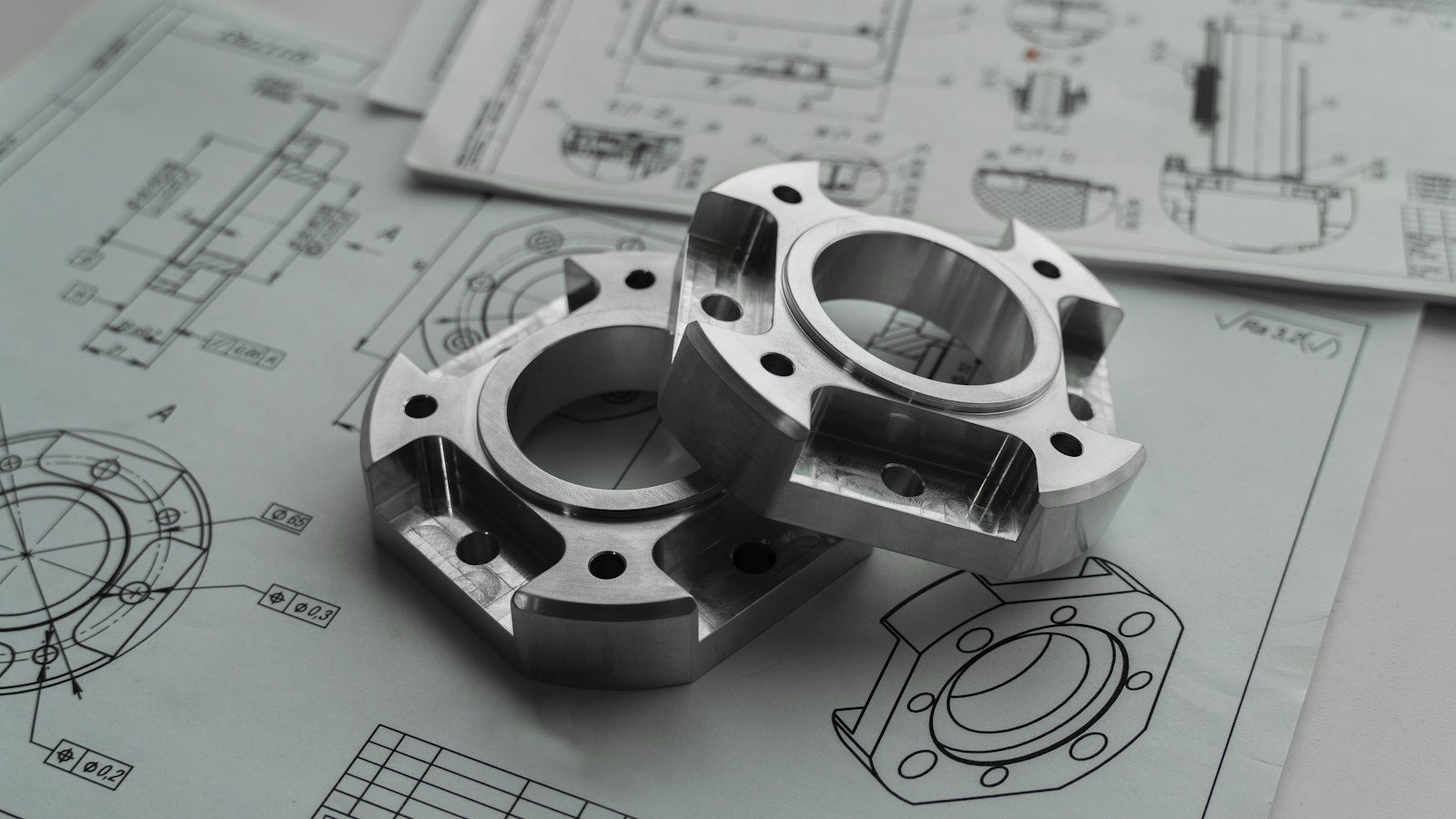
Custom Sheet Metal Fabrication Services
Laser-cut, punched, bent, welded and finished sheet metal parts made in Bohui's own factory in Dongguan, from a single prototype to production runs.
Send your 3D model or flat pattern and get an engineer-reviewed quote within 24 hours, with simple parts often quoted in 2–4 hours. Our 20+ sheet metal machines cut, punch, bend and weld aluminum, steel, stainless steel, copper and brass, with typical lead times from 3 days for simple parts and no minimum order quantity. Our factory is certified to ISO 9001, ISO 13485, ISO 14001 and IATF 16949, and we ship to customers in more than 120 countries.
Sheet Metal Fabrication Capabilities
Most sheet metal parts pass through several processes: the profile is cut from flat stock, holes and forms are punched, flanges are bent, and seams are welded or joined with hardware. Our engineers plan that sequence for every part, so each feature is made by the process that holds it most accurately and economically.
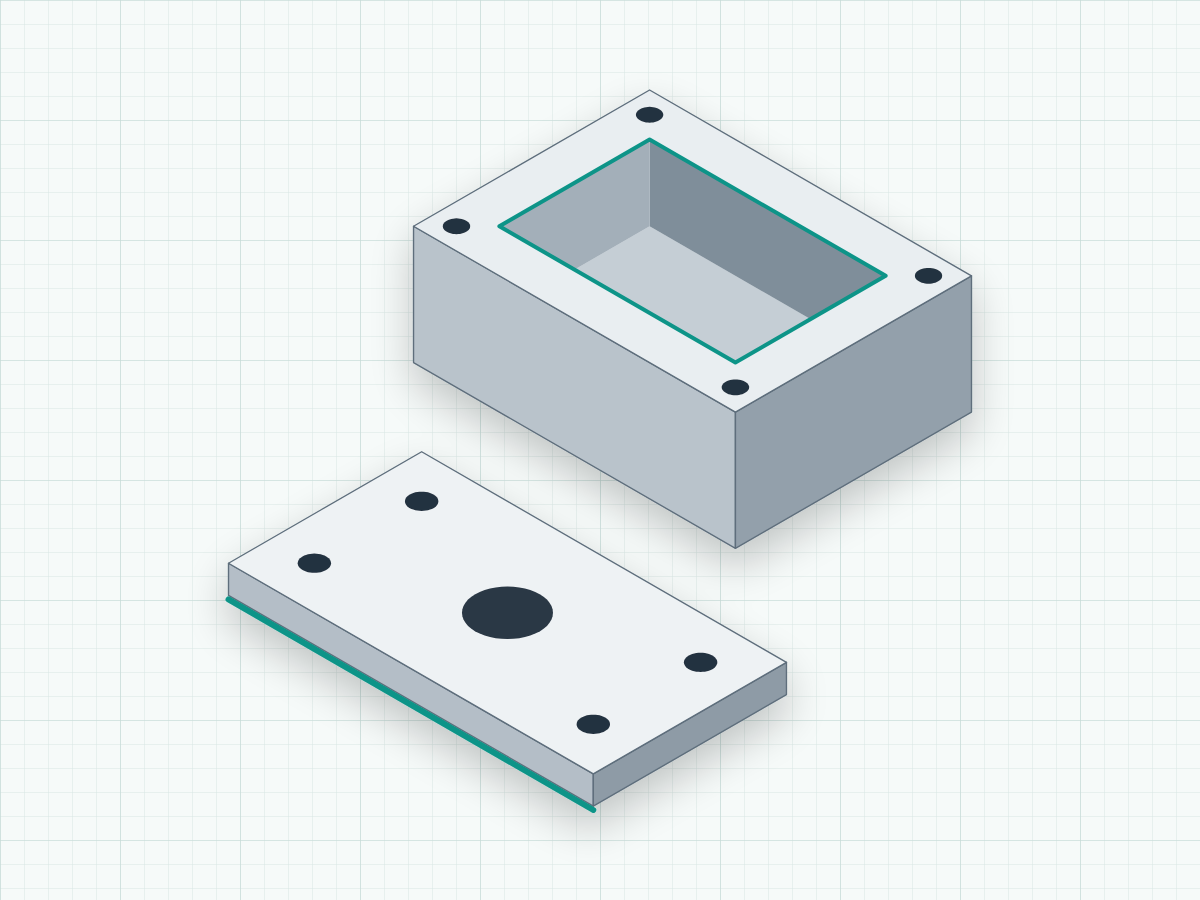
Laser Cutting
A CNC-guided laser beam melts and vaporizes the sheet along the programmed contour, producing clean profiles, holes, slots and fine patterns without hard tooling. Because the program comes straight from your flat pattern, laser cutting suits prototypes and changing designs as well as production blanks, and leaves only a narrow heat-affected zone along the edge.
- Cut features
- ±0.2 mm (±0.008 in)
- Materials
- Steel, stainless steel, aluminum, copper, brass
Punching
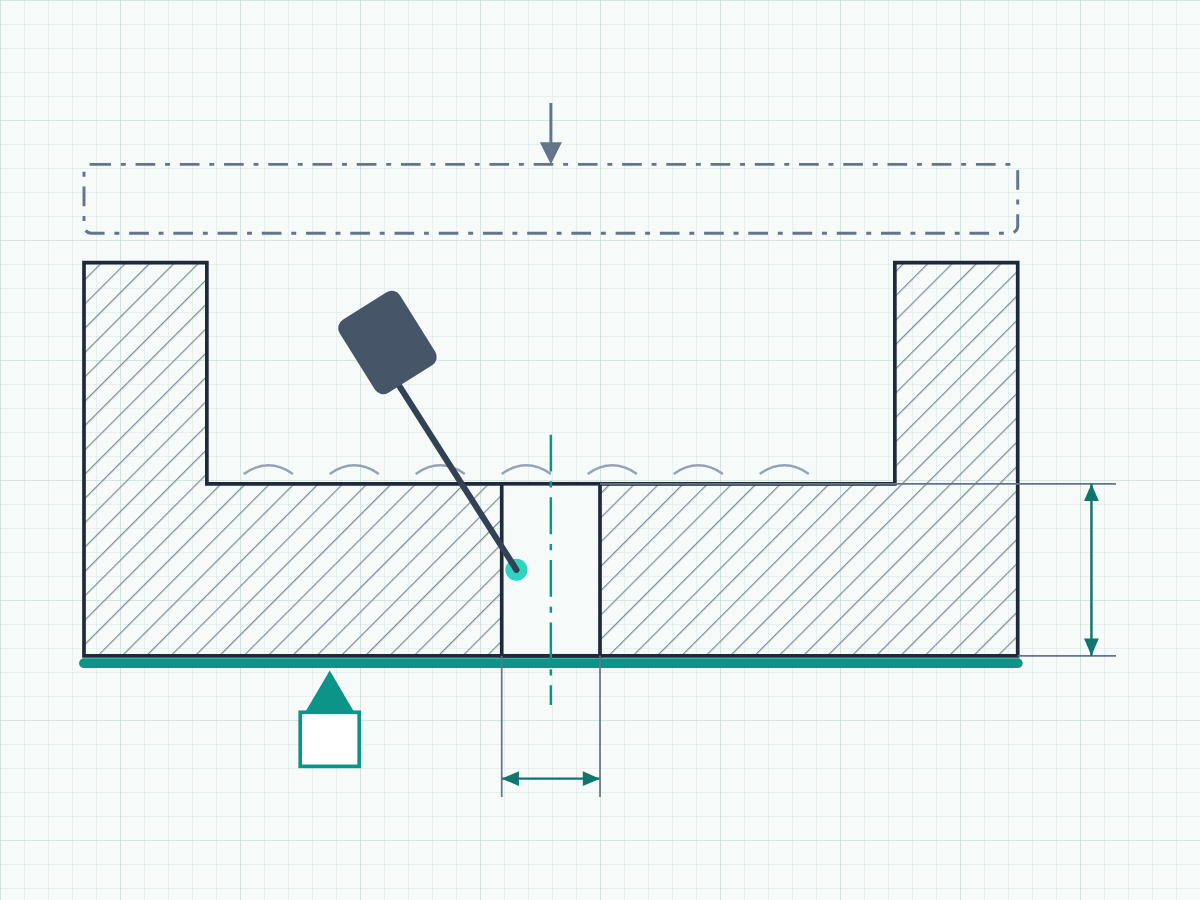
A CNC punch press drives a punch through the sheet into a matching die, shearing round, square and shaped holes in a single stroke. Punching is fast for repeated hole patterns and can also form features a laser cannot, such as countersinks, extruded holes, louvers, knockouts and embosses.
- Best for
- Repeated holes, perforations and formed features
- Hole size
- Diameter at least equal to the sheet thickness
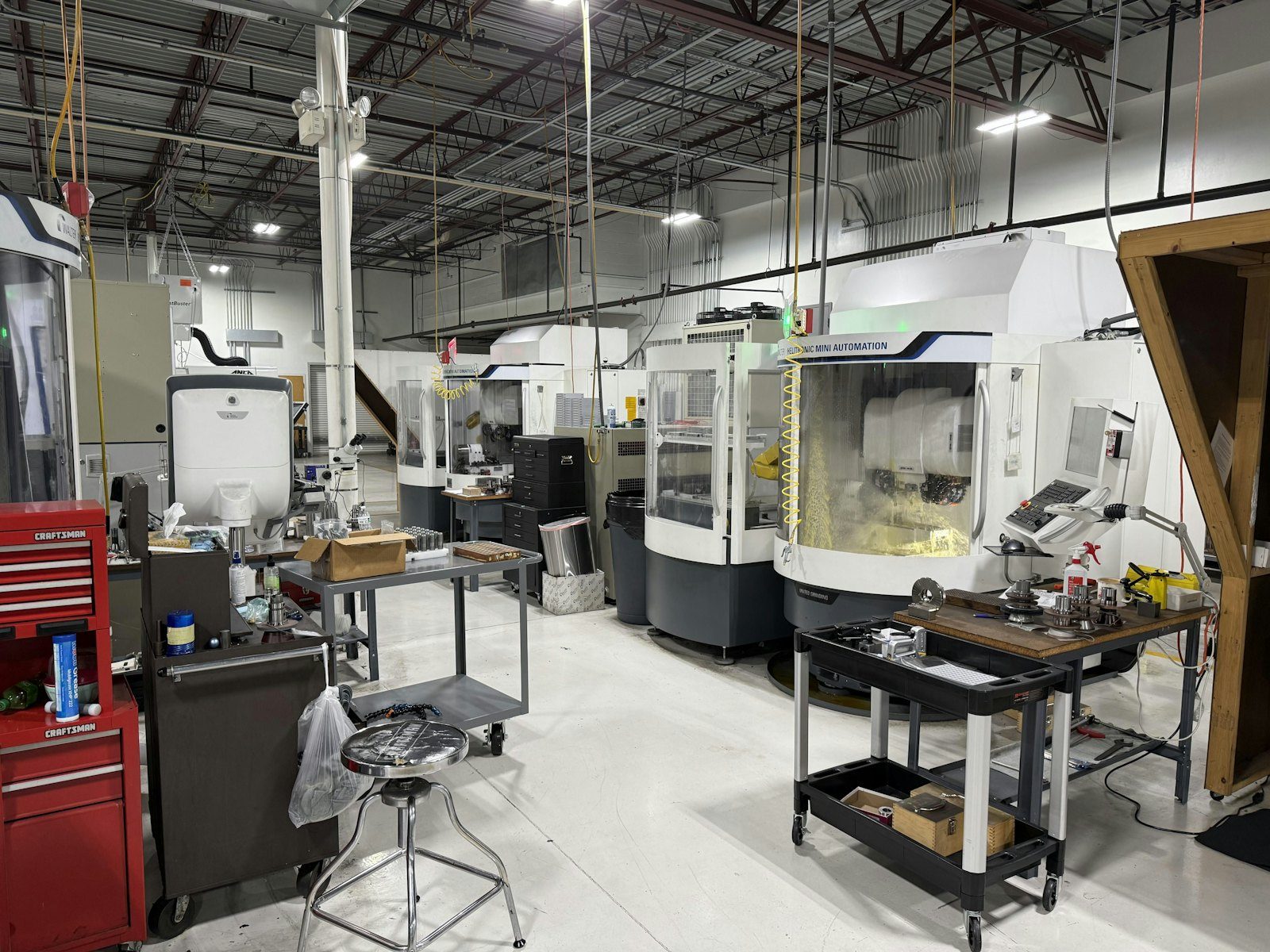
Bending
CNC press brakes press the sheet between a punch and a V-die to form flanges, channels, U-profiles, Z-bends, hems and offsets. A back gauge positions every bend from a datum edge, and our operators compensate springback by material and thickness, so angles and flange heights stay consistent from the first part to the last.
- Bend angle
- ±1.0°
- Bend to edge
- ±0.254 mm (±0.010 in)
- Bend to hole
- ±0.2 mm
Welding
Welding joins bent parts into frames, boxes and brackets that cannot be formed from a single blank. We choose the method by material and appearance: TIG for thin stainless and aluminum seams that stay visible, MIG for stronger steel structures and spot welding for overlapping panels. Welds can be ground flush before finishing.
- Joints
- Butt, corner, lap and T-joints with fillet, groove and plug welds
- Materials
- Steel, stainless steel, aluminum
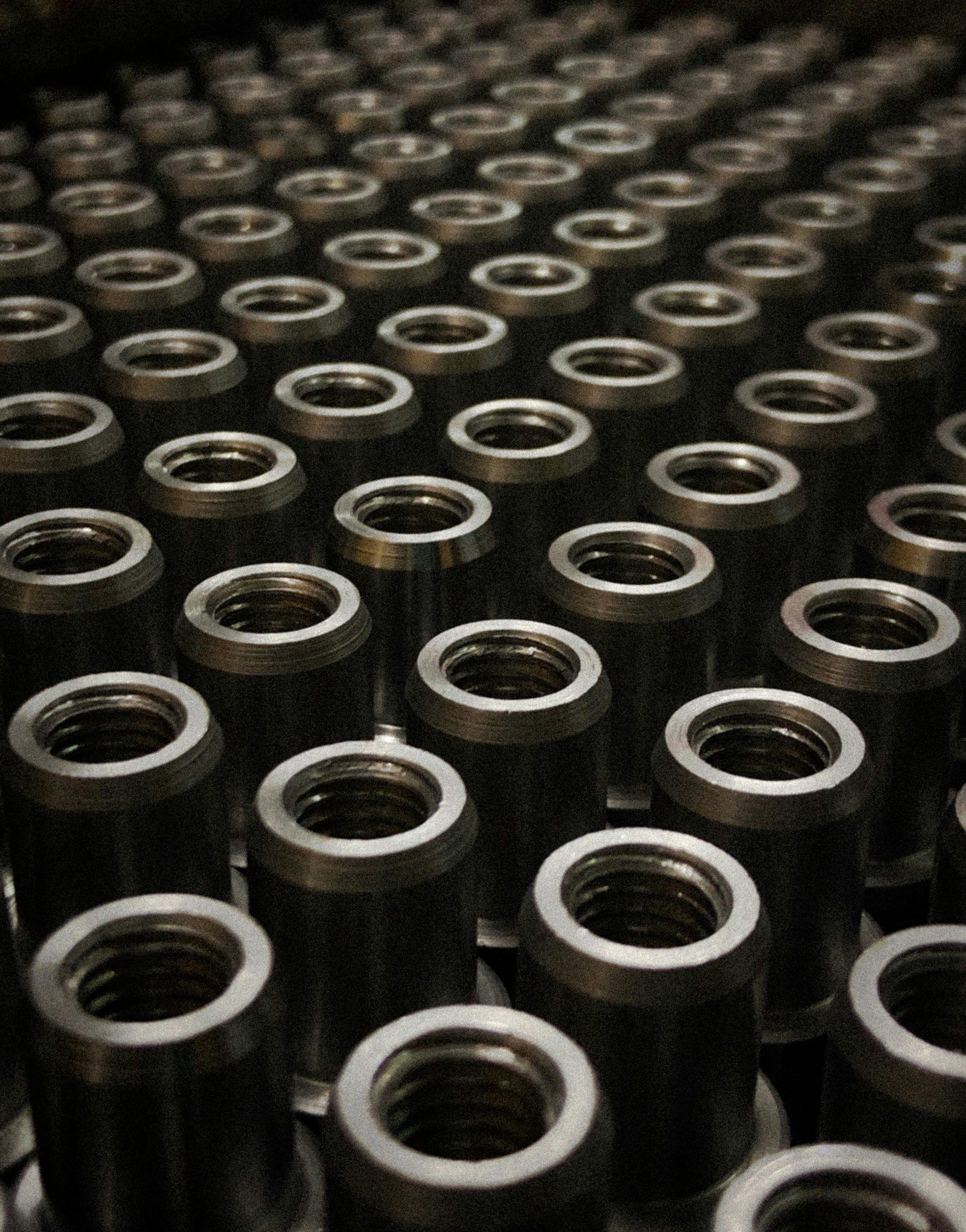
Stamping
Stamping presses form the sheet in matched dies: blanking, piercing, bending and drawing happen in one stroke or across progressive stations. The die is paid for once, after which each part takes seconds and repeats with very little variation, which makes stamping the economical route for thousands of identical brackets, clips, shields and covers.
- Best for
- High, stable volumes of identical parts
- Typical parts
- Brackets, clips, terminals, shields, covers
Enclosures
We build complete enclosures, chassis and cabinets by combining cutting, bending, welding and hardware insertion, then finish and assemble them to your drawing. Covers, doors and internal brackets are checked for fit together, so panels line up, fasteners engage and gasket seams close evenly.
- Typical parts
- Electronic enclosures, control boxes, chassis, rack panels
- Finishes
- Powder coating, painting, plating, anodizing, brushing
Our Sheet Metal Factory in China. Shipping Worldwide.
Bohui fabricates sheet metal parts in its own factory in Dongguan, alongside our CNC machining. Cutting, punching, bending, welding and inspection run under one quality system, so a bracket, a welded frame and the machined parts that mount to them can be made, checked and shipped together. Our engineers and project managers keep communication clear from quote to delivery, and we ship by international express and air freight to customers in more than 120 countries.
Sheet metal machines
20+
for cutting, punching, bending and welding
Types of inspection equipment
20+
including ZEISS CMM inspection
Quote turnaround
24 h
simple parts often quoted in 2–4 hours
Countries
120+
our parts are shipped to
Production floor
Cutting, punching, bending and welding in our own factory in Dongguan.
Materials
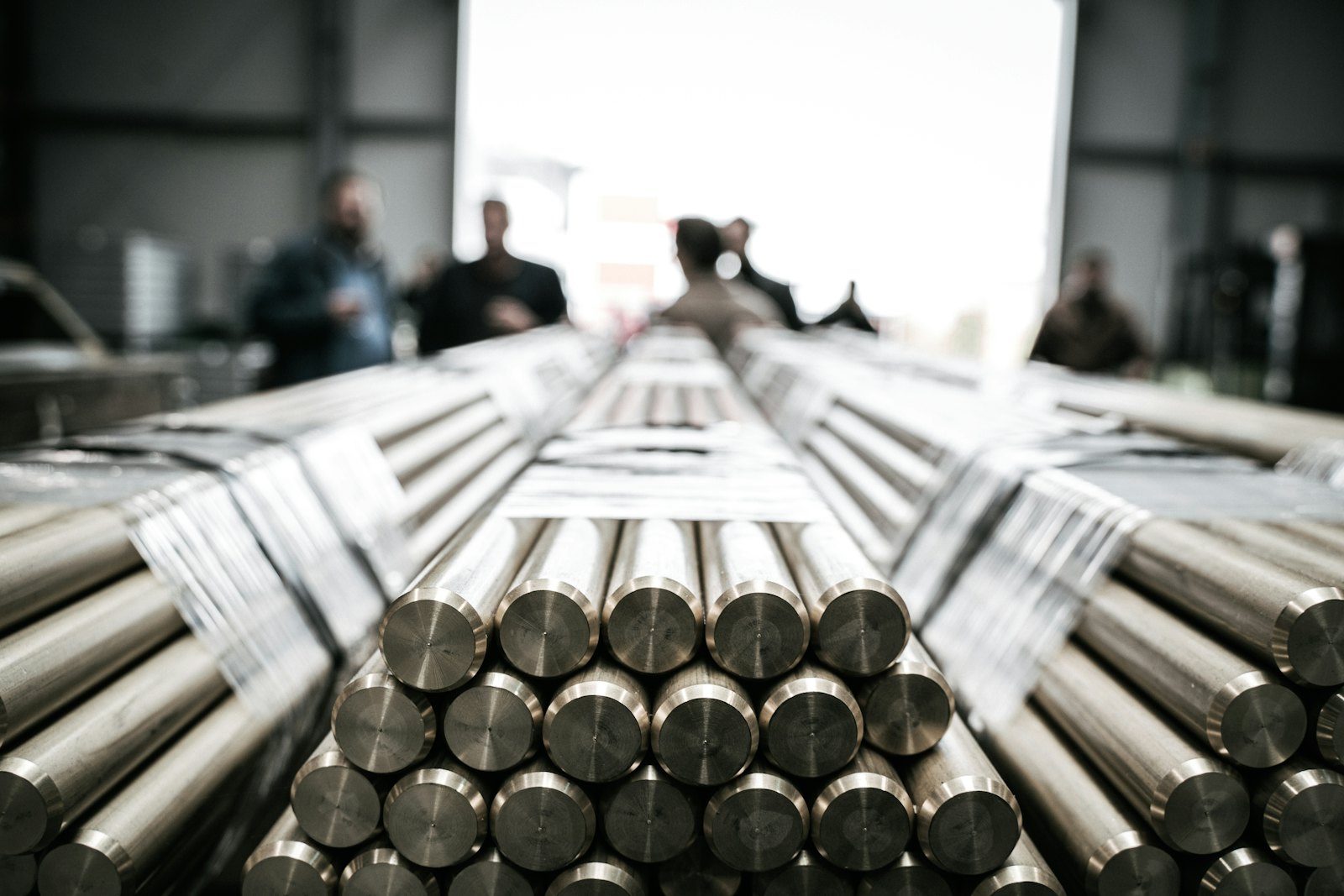
Aluminum, steel, stainless steel, copper and brass for your parts.
Inspection
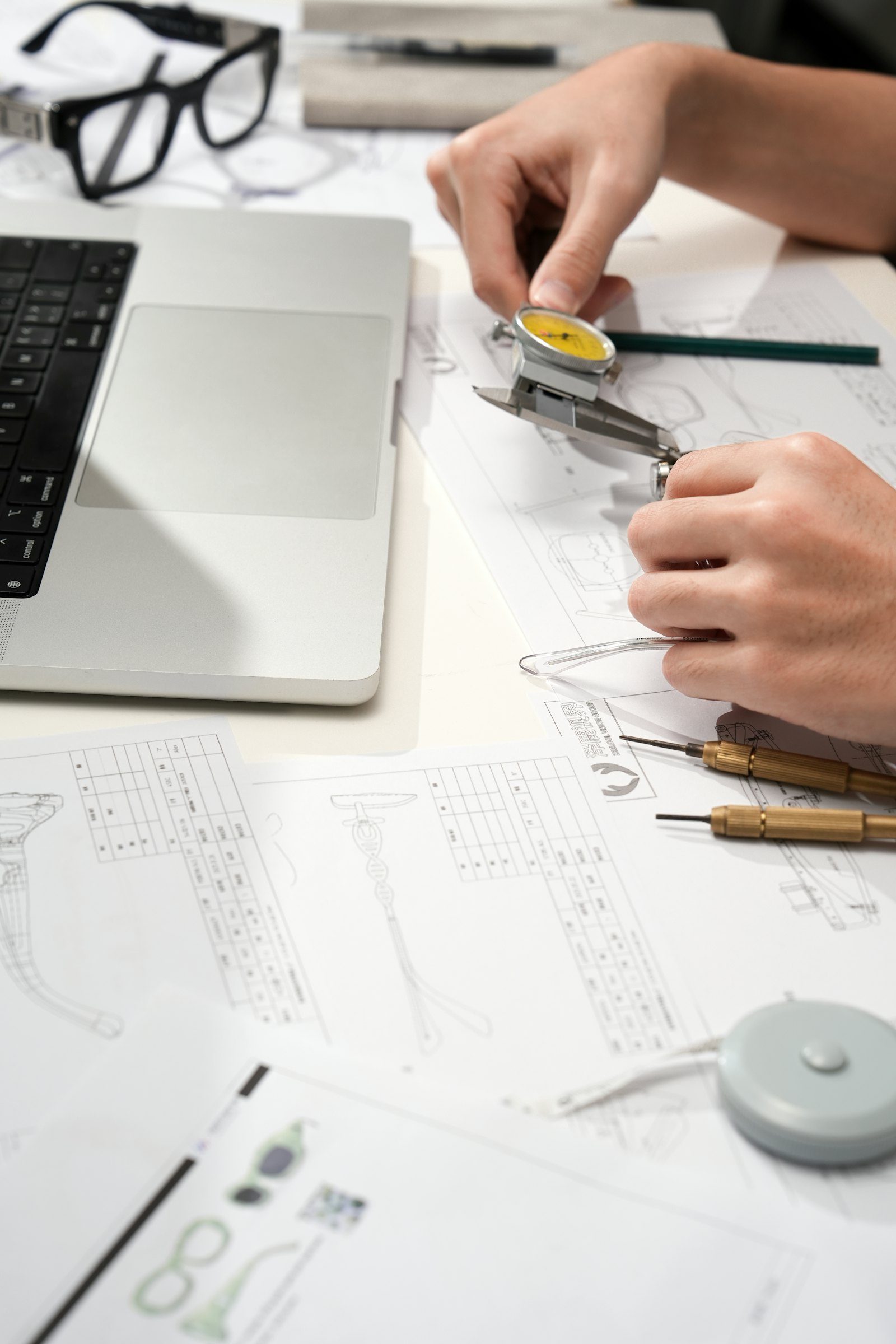
Dimensions checked against your drawing, with ZEISS CMM for critical features.

Engineering review
Every drawing is reviewed by an engineer before it is quoted and made.
Batch production
From a single prototype to production batches, with no minimum order.
Finished parts
Parts packed to protect their finish and shipped to more than 120 countries.
How Sheet Metal Fabrication Works at Bohui
From the first file to the packed shipment, one project contact follows your order, and an engineer reviews your part before anything is cut.
- 01Send your files
Upload a STEP model or a DXF flat pattern with a PDF drawing, and tell us the material, thickness, quantity and finish you need.
- 02Engineer review and quoteWithin 24 h
An engineer checks bends, tolerances, hardware and finishes, then sends a detailed quote. Simple parts are often quoted in 2–4 hours.
- 03Free DFM feedbackFree
We point out tight radii, short flanges, holes too close to bends and costly tolerances, and agree any changes with you before production.
- 04Fabrication and finishingFrom 3 days
Blanks are cut, punched, bent, welded and finished in a planned sequence, with a first-article check before the batch runs.
- 05Inspection and shipping120+ countries
Parts are inspected against your drawing, documented, packed to protect their finish and shipped by international express or air freight.
Sheet Metal Materials
We fabricate parts in aluminum, carbon and galvanized steel, stainless steel, copper and brass sheet. The grade decides how tightly a part can be bent, how it should be joined and which finishes it takes, so our engineers check formability and finish compatibility with every quote and can suggest an equivalent grade when your drawing allows it. The figures below are typical values for reference; the properties of your part depend on the exact grade, temper and mill certificate.
Sheet metals
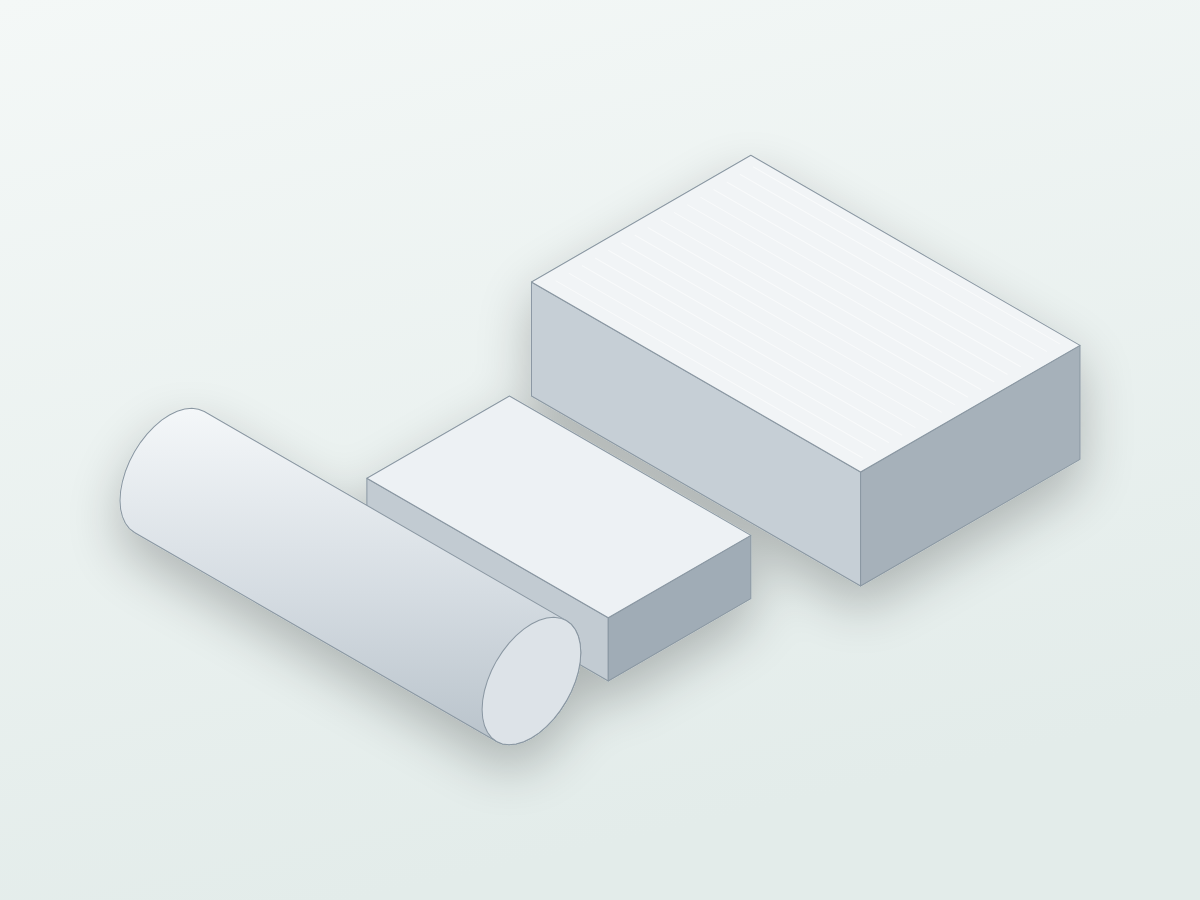
Standard sheet grades in common thicknesses, with material certificates available on request.
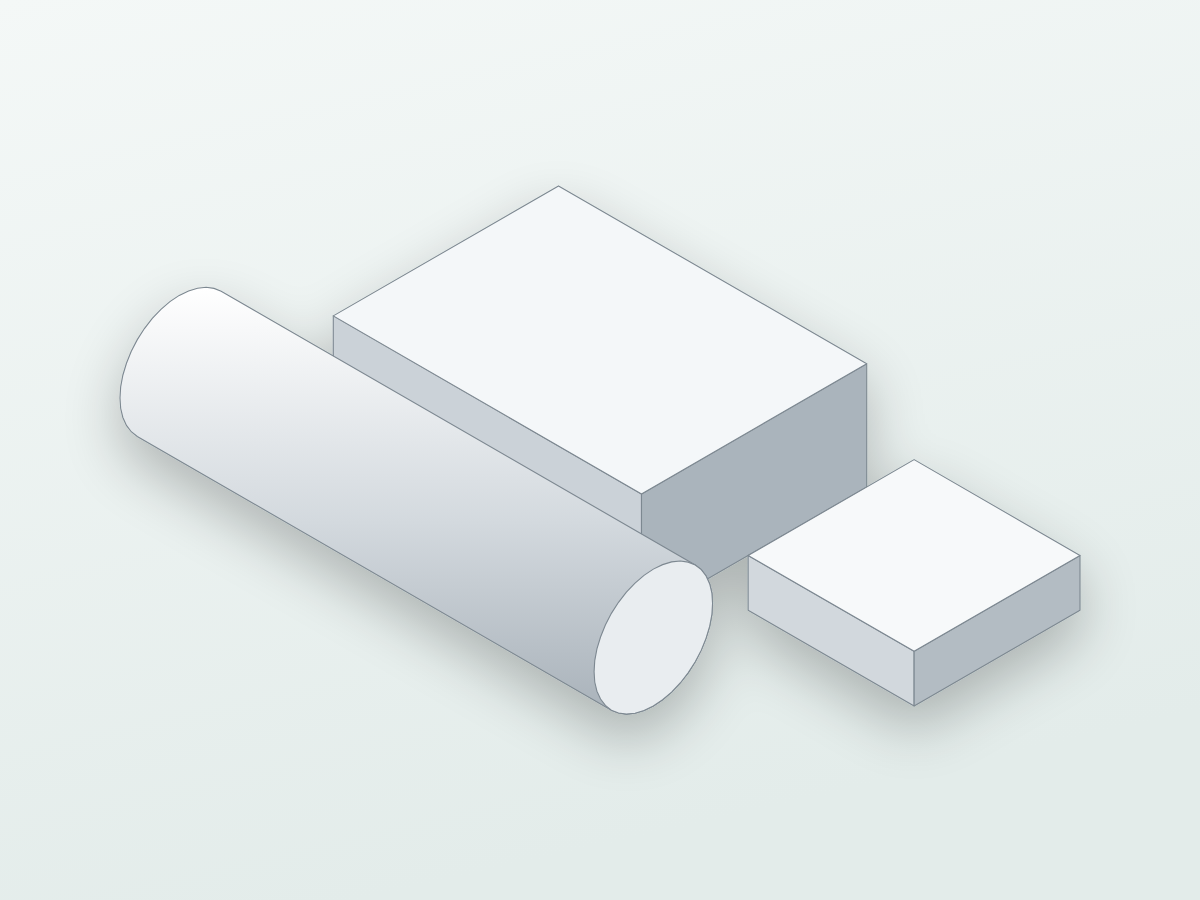
Aluminum
At 2.7 g/cm³, aluminum gives light, corrosion-resistant enclosures, panels and brackets that cut quickly and take anodizing well.
Grades and properties
- 5052-H32: tensile strength about 230 MPa; the first choice for bent parts, with an inside radius from 1× thickness
- 5083: tensile strength about 290 MPa; marine-grade corrosion resistance and good weldability
- 6061-T6: tensile strength 310 MPa, but cracks on tight bends, so it is used for flat laser-cut parts
Typical thickness
About 0.5–6 mm
Uses and finishes
Electronic enclosures, chassis, heat-spreading panels, drone and robot brackets. Anodizing, alodine, brushing, sand blasting, powder coating, painting.
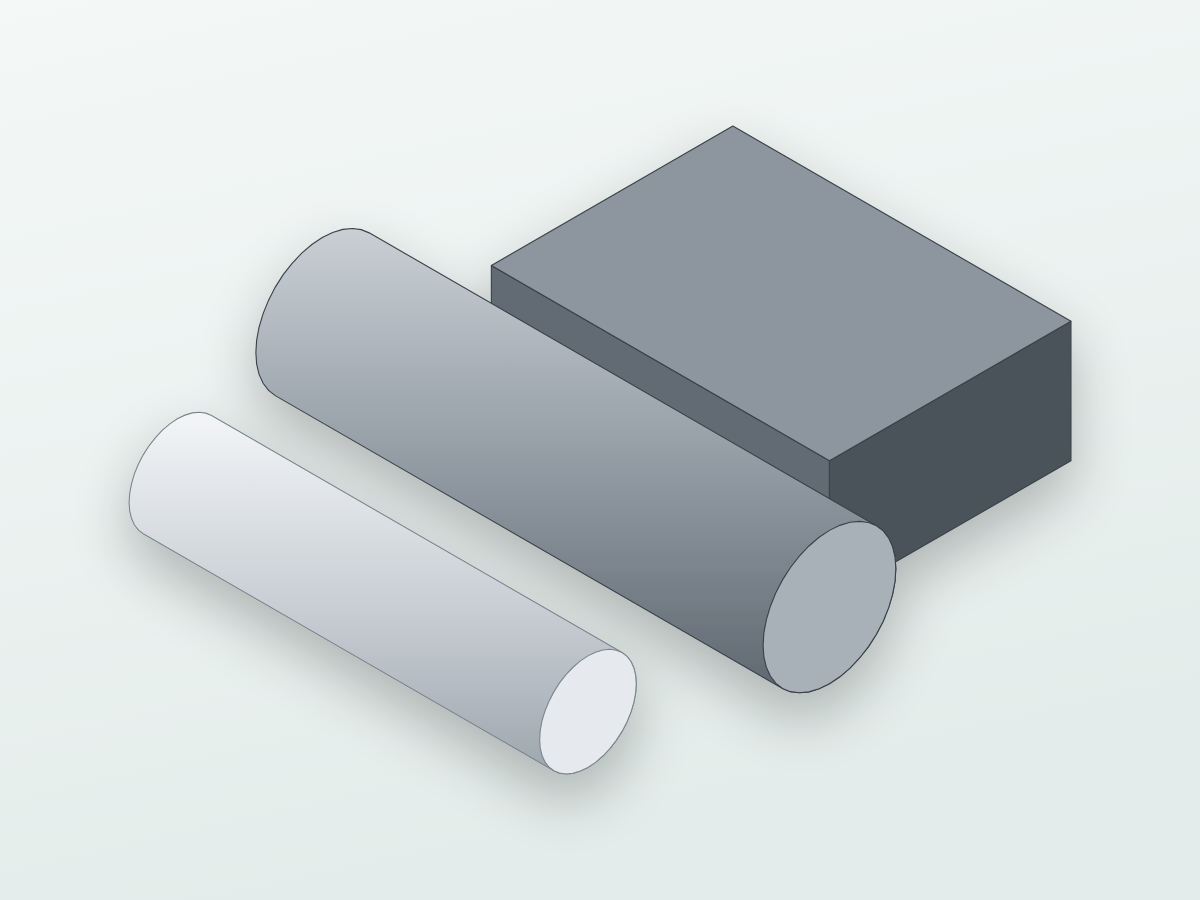
Stainless Steel
Austenitic stainless steel resists corrosion, cleans easily and keeps its appearance without a coating, which suits food, medical and outdoor equipment.
Grades and properties
- SUS304: tensile strength ≥ 515 MPa, yield strength ≥ 205 MPa (annealed); work-hardens and springs back more than mild steel
- 316 / 316L: 2–3% molybdenum for chloride and seawater resistance; evaluated on request
- Becomes slightly magnetic after cold forming
Thickness and surfaces
About 0.5–6 mm; 2B mill, BA bright or No. 4 brushed sheet
Uses and finishes
Food and medical equipment covers, outdoor cabinets, marine brackets. Passivation, electropolishing, brushing, sand blasting, powder coating.
Steel
Carbon steel is the lowest-cost, stiffest sheet for frames, brackets and chassis. It bends and welds easily but needs a coating or zinc layer against rust.
Grades and properties
- SPCC: cold-rolled commercial steel (JIS G3141) with a smooth surface for paint and powder coating
- SECC and SGCC: electro-galvanized and hot-dip galvanized sheet; cut edges are left without zinc
- Q235 (yield strength ≥ 235 MPa) and 1020: structural and low-carbon grades for thicker, load-bearing parts
Typical thickness
About 0.5–6 mm; density 7.85 g/cm³
Uses and finishes
Machine frames, electrical cabinets, brackets, server chassis. Powder coating, painting, zinc plating, E-coating, black oxide.
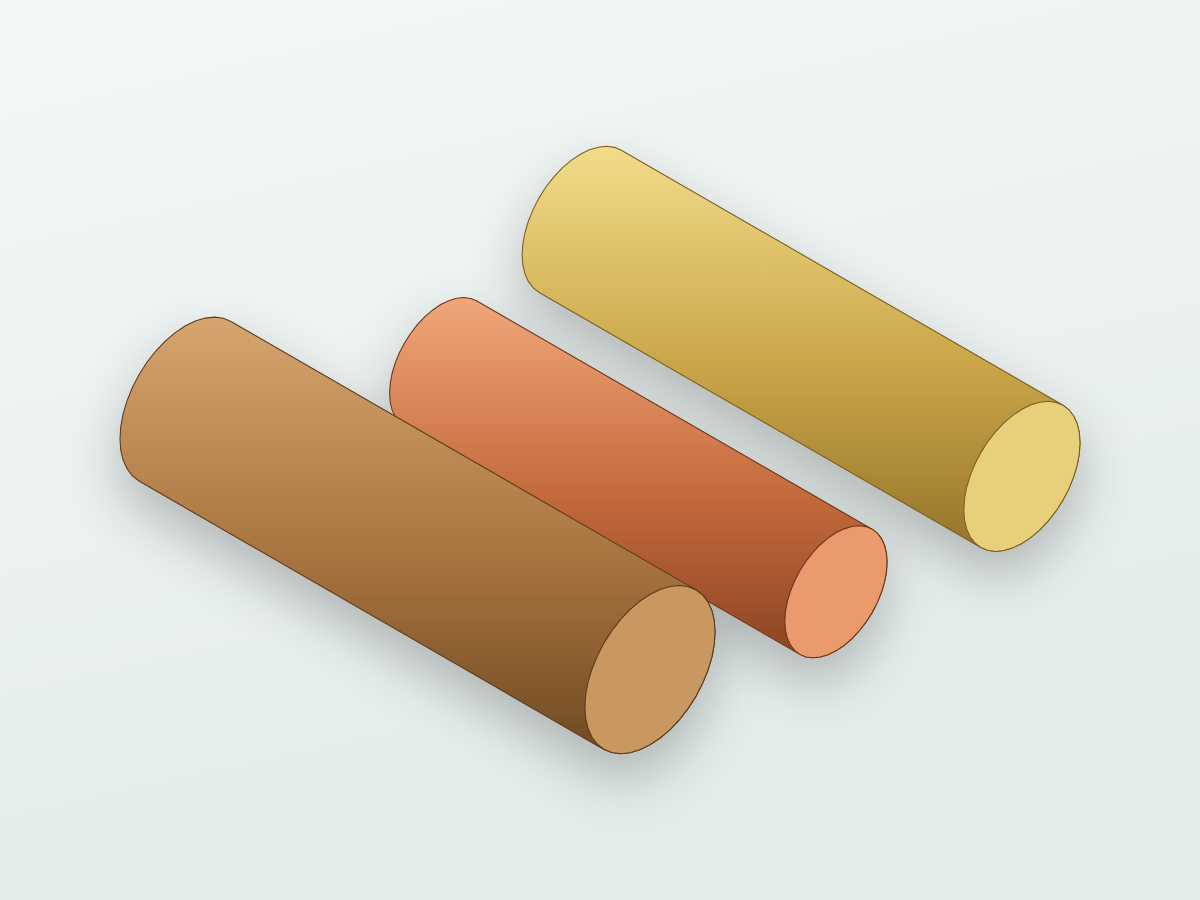
Copper
Copper has the highest electrical and thermal conductivity of the common sheet metals and is very ductile, so busbars, contacts and shields form easily.
Grades and properties
- C101: oxygen-free electronic copper, 99.99% Cu, about 101% IACS
- C103: oxygen-free copper, suited to brazed and welded parts
- C110: electrolytic tough pitch copper, at least 100% IACS; the economical general grade
- Density 8.9 g/cm³; annealed tensile strength about 220 MPa
Thickness
Up to 5 mm for sheet metal processing
Uses and finishes
Busbars, grounding straps, terminals, EMI shields, heat spreaders. Electroplating, passivation, brushing, polishing.
Brass
Brass combines good conductivity and corrosion resistance with a warm golden color, and it solders and plates easily for decorative and electrical parts.
Grades and properties
- C27400: 63/37 yellow brass with good cold formability for bent and lightly drawn parts
- C28000: 60/40 Muntz metal, stronger but less ductile; best for flat and gently formed parts
- C36000: free-cutting leaded brass, used for flat cut parts rather than tight bends
Thickness
Up to 5 mm for sheet metal processing
Uses and finishes
Nameplates, decorative trim, electrical terminals, RF shields, architectural fittings. Polishing, brushing, electroplating, painting.
Surface Finishes for Sheet Metal Parts
Choose from 14 finishing processes to protect your parts against corrosion, give them a cosmetic surface or add a function such as conductivity, insulation or low friction. Coatings add thickness to faces, holes and threads, so tell us which hardware, contact points and mating faces must be masked, and whether hardware goes in before or after finishing.
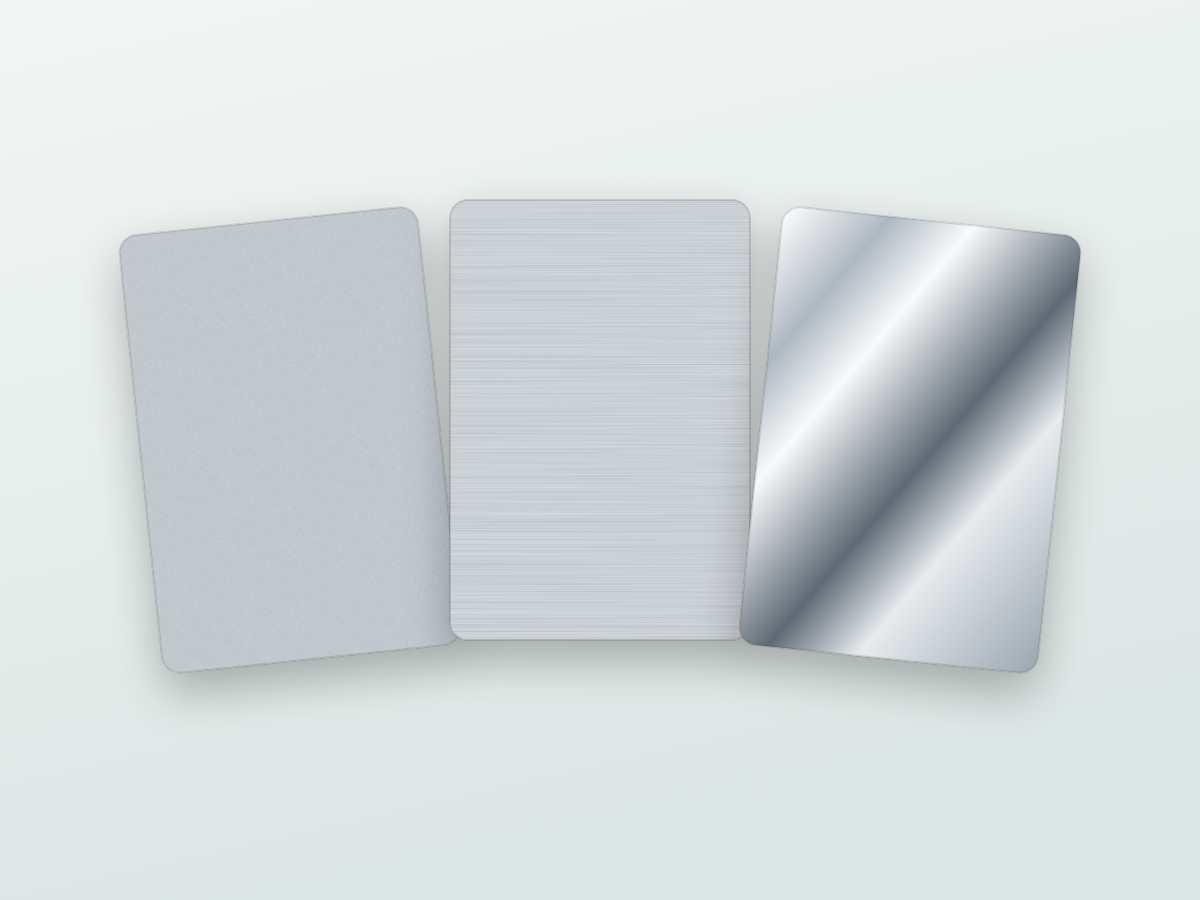
Sand Blasting
Sand, glass bead or ceramic media is blasted at the surface to remove scale, laser-cut oxide and light scratches, leaving a uniform matte texture. It is also the standard cleaning and keying step before powder coating or anodizing.
- Appearance
- Uniform matte, fine to coarse depending on the media
- Materials
- Steel, stainless steel, aluminum, copper, brass
Tumbling
Parts run in a vibratory or barrel machine with abrasive media that removes burrs from laser-cut and punched edges and rounds sharp corners. It is an economical way to make batches of small parts safe to handle.
- Best for
- Small flat and bent parts in batches
- Result
- Deburred, slightly rounded edges and an even satin surface
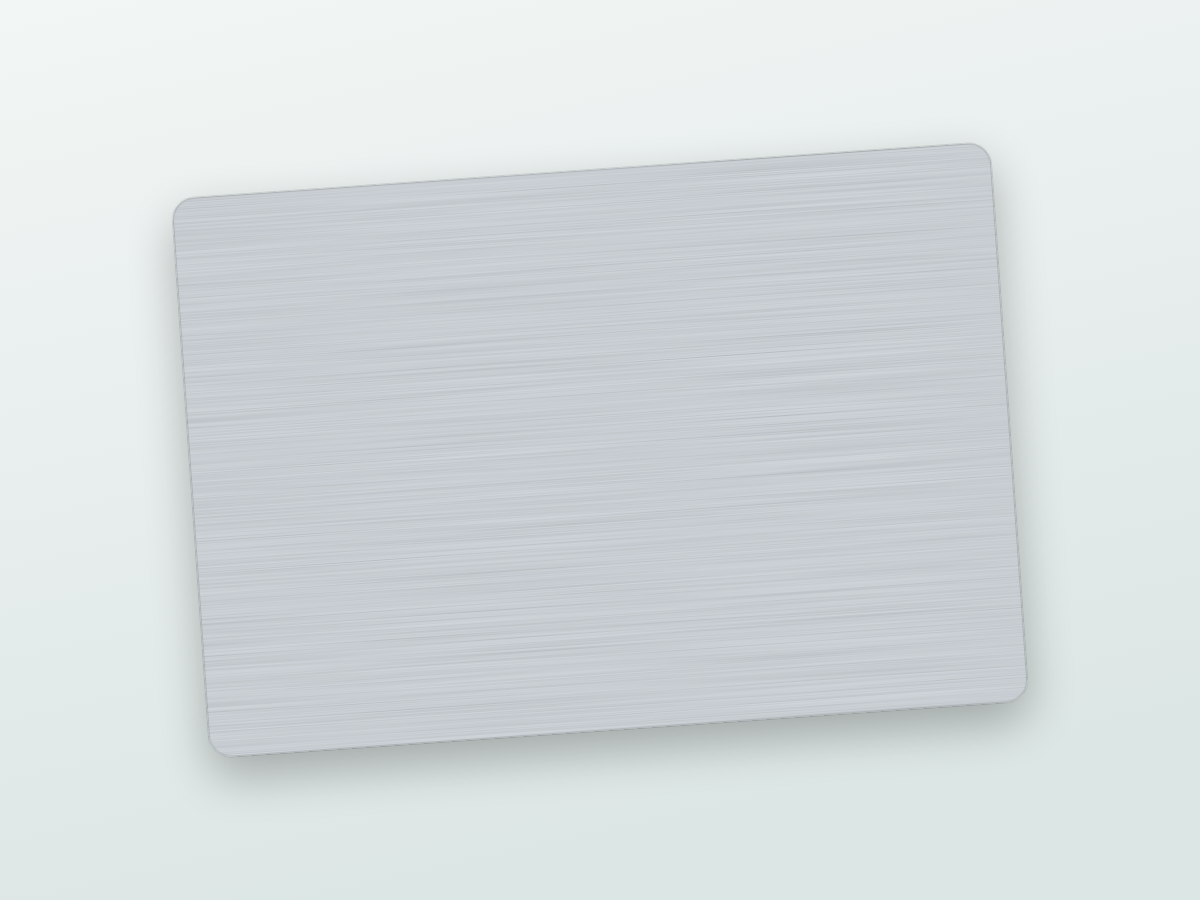
Brushed Finish
Abrasive belts or pads create a straight satin grain that hides fingerprints and handling marks on visible panels. State the grain direction on the drawing, because it should run the same way on every face of an enclosure.
- Appearance
- Linear satin grain, grit matched to your sample
- Materials
- Stainless steel, aluminum, brass, copper
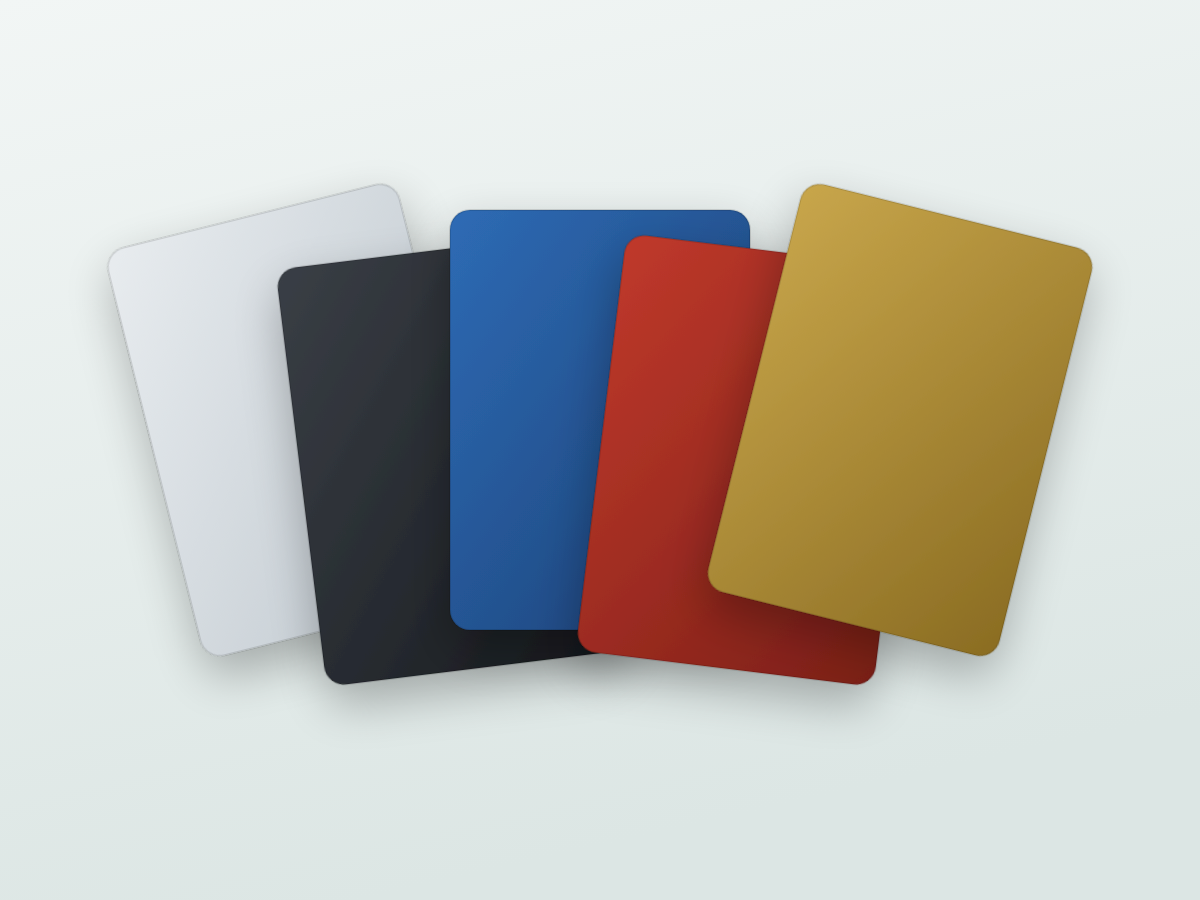
Anodizing
An electrochemical process grows a hard oxide layer from the aluminum itself, which can be dyed and then sealed. Weld seams and different alloys anodize to slightly different shades, so keep one alloy in parts that must match.
- Thickness
- 5–25 µm (Type II); hard anodizing 25–75 µm (Type III)
- Colors
- Clear, black, red, blue, gold and custom colors
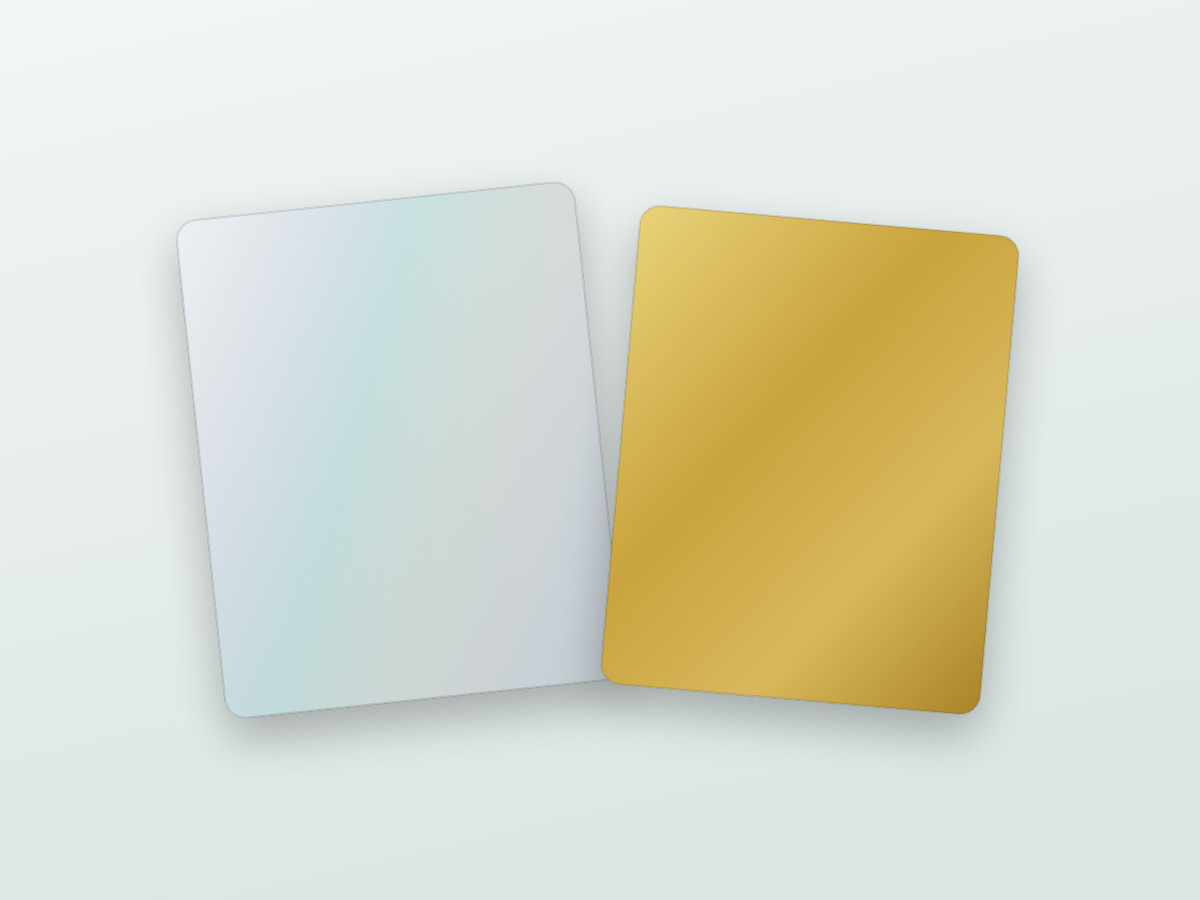
Chromate Conversion (Alodine)
A thin conversion coating protects aluminum against corrosion while keeping the surface electrically conductive, so it suits grounding points, EMI-shielded enclosures and a primer under paint or powder coating.
- Standard
- MIL-DTL-5541 Type I or RoHS-compliant Type II
- Colors
- Clear or gold
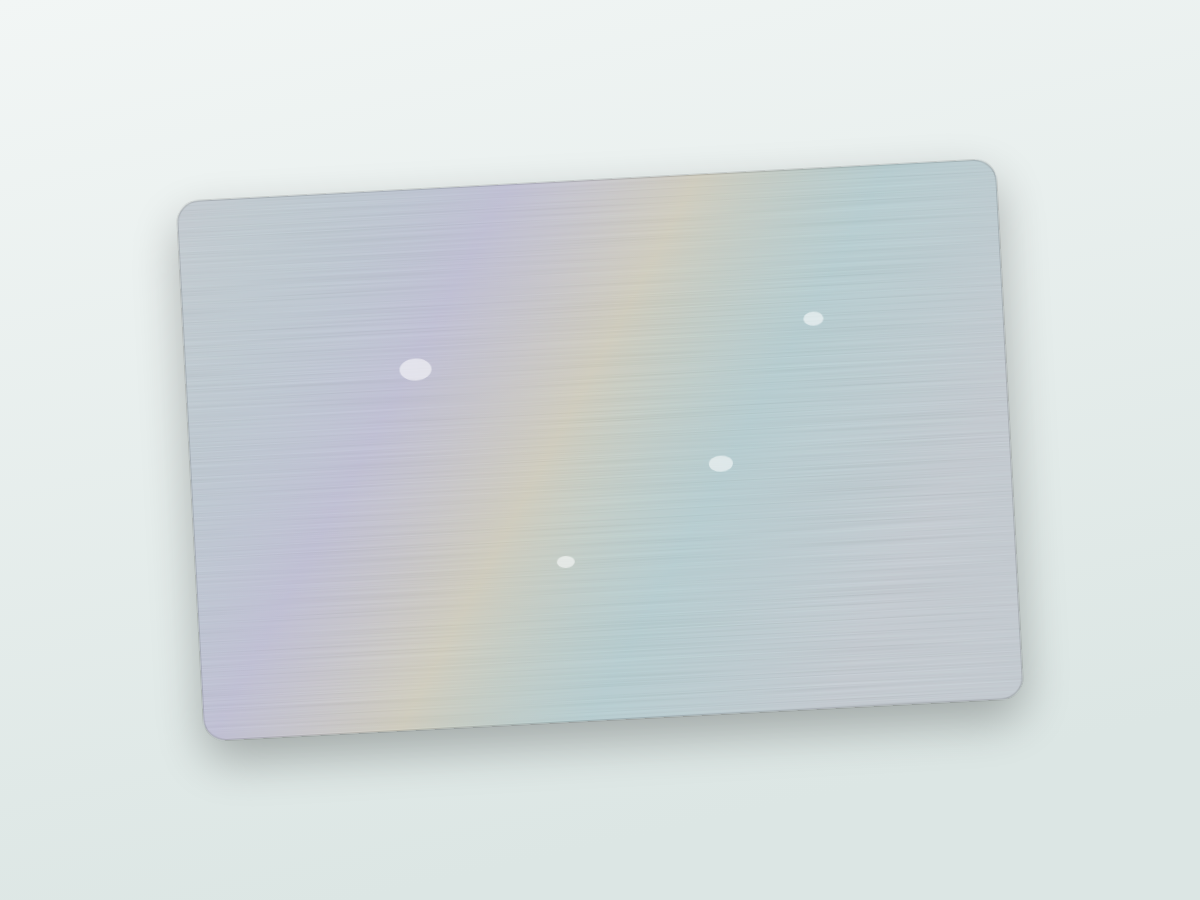
Passivation
A nitric or citric acid treatment removes free iron left by cutting, bending and handling, and restores the protective chromium oxide film on stainless steel. Neither the appearance nor the dimensions change.
- Standard
- ASTM A967 or ASTM A380
- Materials
- Stainless steel
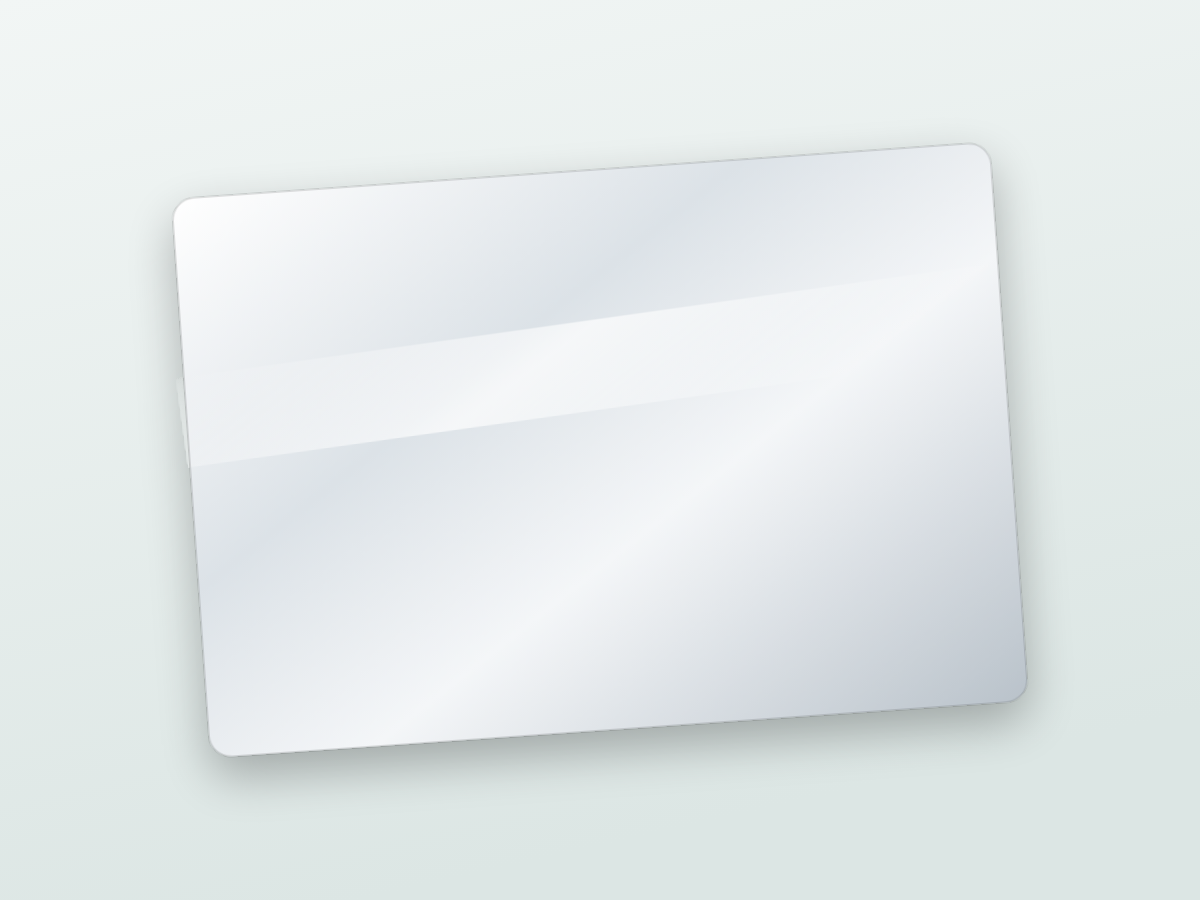
Electropolishing
An electrochemical process dissolves a thin surface layer, leveling micro-roughness and removing heat tint around welds. The result is bright, easy to clean and more corrosion resistant, which suits food, medical and laboratory equipment.
- Removal
- A few micrometers, evenly distributed
- Materials
- Stainless steel, aluminum, copper alloys
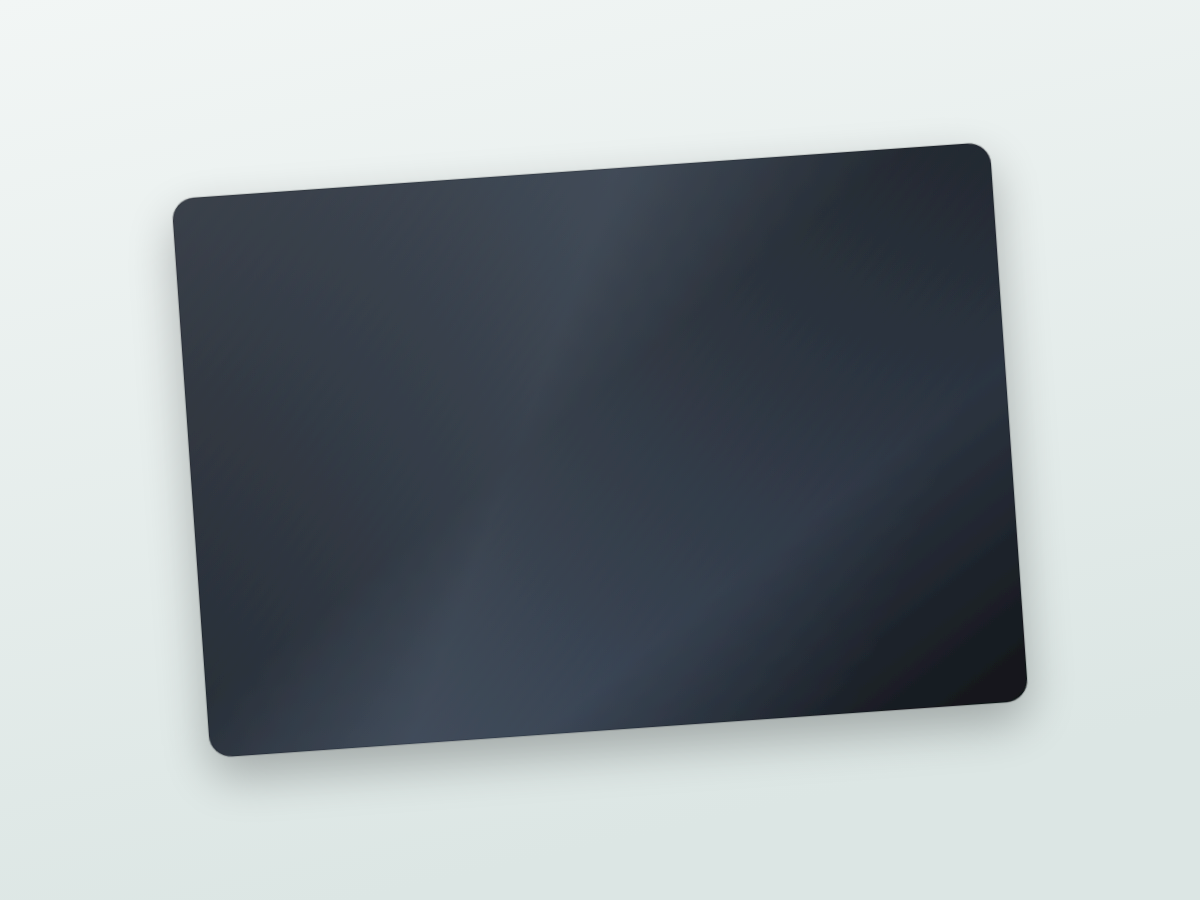
Black Oxide
A conversion coating turns the surface of steel deep black with almost no added thickness. Sealed with oil or wax, it gives mild corrosion protection and low glare for brackets, tooling plates and internal parts.
- Thickness
- Under 1.5 µm
- Materials
- Carbon steel, alloy steel, stainless steel
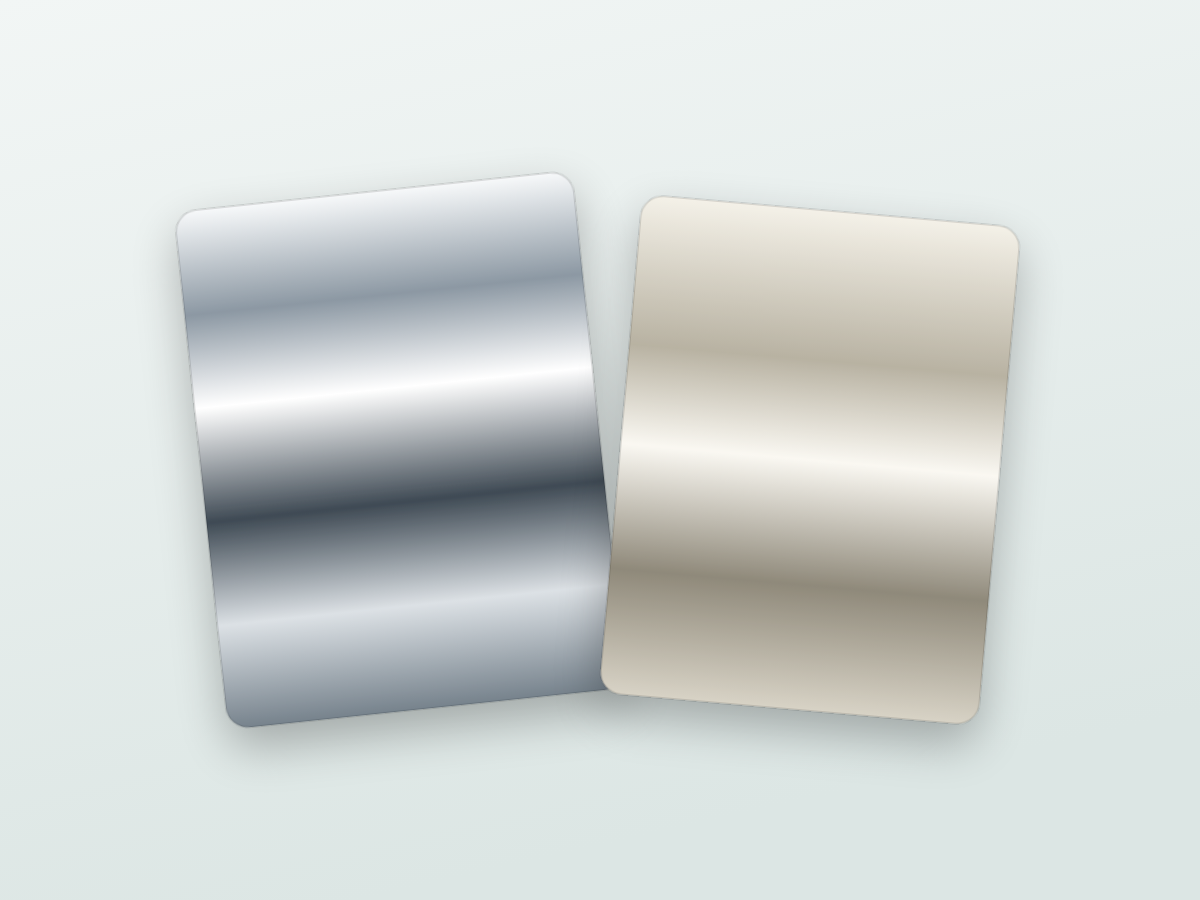
Electroplating
A layer of zinc, nickel, chrome or another metal is deposited electrically for corrosion protection, conductivity, solderability or appearance. Zinc plating with a passivate is the standard rust protection for steel brackets and fasteners.
- Thickness
- Typically 5–25 µm depending on the metal
- Options
- Zinc, nickel, chrome; others on request
Electroless Nickel Plating
Nickel-phosphorus is deposited chemically, without current, so the layer is equally thick on edges, inside bends and in holes. It adds hardness, wear resistance and corrosion protection to steel, aluminum and copper parts.
- Thickness
- Typically 5–25 µm, uniform on all surfaces
- Materials
- Steel, stainless steel, aluminum, copper, brass
Powder Coating
Dry powder is sprayed electrostatically and cured in an oven into a thick, tough coating with good impact and corrosion resistance. It is the most common finish for steel enclosures, cabinets and chassis.
- Thickness
- Typically 60–120 µm
- Colors
- RAL and custom colors, matte, gloss or textured
Painting
Wet spray painting gives thin, smooth coats and precise color matching for cosmetic panels and consumer products, including soft-touch and textured paints. It suits parts where a thick powder layer would affect fits.
- Colors
- RAL, Pantone or your color sample
- Gloss
- Matte, satin, gloss and soft-touch
E-Coating
The part is immersed in a paint bath and electrically charged, so the coating deposits evenly on every surface, including box sections, seams and recesses that spray cannot reach. It serves as a corrosion-resistant primer or a durable black finish.
- Thickness
- Typically 15–30 µm, even on edges and recesses
- Colors
- Mainly black or grey; topcoat on request
Teflon Coating
A PTFE-based coating is sprayed and baked to give a non-stick, low-friction and chemically resistant surface. It is used on chutes, trays, guides and fixtures where material must slide or release cleanly.
- Friction
- Coefficient of about 0.05–0.20
- Temperature
- Service up to about 260 °C
Polishing and heat treatment are also available, and any threads, contact faces or hardware holes that must stay free of coating should be marked for masking on your drawing.
Sheet Metal Fabrication from Prototyping to Production
The same engineers, flat patterns and inspection plan follow your part from the first prototype to repeat orders, so a design that passes testing carries over to production without surprises.
Sheet metal prototyping (1–50 pcs). Laser-cut and bent prototypes in production materials, with typical lead times of 3–7 days. Use them for fit checks, assembly trials and testing before you commit to dies or volume.
Low-volume fabrication (51–5,000 pcs). Bridge and pilot batches in typically 1–3 weeks, with first-article inspection and recorded bend programs, so the approved sample becomes the reference for later orders.
Production runs (5,000+ pcs). Typically 4–8 weeks, including finishing and assembly. For high volumes we check whether stamping dies lower your unit cost, and repeat orders run on fixed programs and fixtures.
Sheet Metal Fabrication Tolerances and Standards
These standard tolerances apply unless your drawing says otherwise. Variation adds up with every bend, so dimension critical features from one datum and mark the ones that matter; tighter requirements are reviewed feature by feature and confirmed in your quote.
| Feature | Standard | Notes |
|---|---|---|
| General tolerances | ISO 2768-m or ISO 2768-c | Applies to untoleranced dimensions; state the class your drawing uses. |
| Cut features | ±0.2 mm (±0.008 in) | Edges, holes and slots cut by laser or punch on the same flat face. |
| Bend angle | ±1.0° | Per bend; springback is compensated by material and thickness. |
| Bend to edge | ±0.254 mm (±0.010 in) | From a bend to a cut edge of the same flange. |
| Bend to hole | ±0.2 mm | From a bend to a hole or slot; keep features clear of the bend zone. |
| Copper and brass thickness | Up to 5 mm | Thicker copper and brass parts can be CNC machined instead. |
| Production volume | 1–50, 51–5,000 and 5,000+ pcs | No minimum order quantity. |
| Typical lead time | From 3 days for simple parts | Prototypes 3–7 days, low volume 1–3 weeks, production 4–8 weeks; finishing and shipping confirmed with your quote. |
Sheet Metal Parts Made Right, Inspected and Documented
Quality is built into every step, from incoming sheet to final inspection. Our certified quality system, experienced inspectors and calibrated measuring equipment make sure that flat dimensions, bend angles and finishes match your drawing on every order.
Certified quality system
Our sheet metal facility is certified to ISO 9001, ISO 13485, ISO 14001 and IATF 16949, so your parts are made under internationally recognized quality, medical, environmental and automotive standards.
Inspection equipment and engineers
More than 30 quality engineers and over 20 types of inspection equipment, including ZEISS CMM, 2D vision measuring systems, XRF material analyzers, gauges, micrometers and calipers, verify dimensions, bend angles and materials on every project.
Documented checks
First-article, in-process and final inspection results are recorded for your order. We provide COC, COA and COT documents, and a CMM report free of charge for the dimensions you specify.
Have a 3D model or flat pattern ready?
Upload STEP models, DXF flat patterns and PDF drawings with the material, thickness, quantity and finish. Our engineers review every file for bendability and manufacturability and send a detailed quote within 24 hours.
Sheet Metal Fabrication for Various Industries
From aerospace brackets to consumer product housings, sheet metal parts carry loads, protect electronics and form the visible surfaces of a product. We fabricate them for engineers, startups and established manufacturers who need accurate parts, complete documentation and on-time delivery.
Aerospace
Lightweight aluminum and stainless steel parts for aircraft interiors, ground support equipment, satellites and drones, fabricated to drawing with material certificates on request and first-article inspection, and finished with alodine, anodizing or passivation as specified.
- Typical parts
- Brackets and clips, avionics trays, access panels, UAV frames, test-equipment enclosures
Automotive
Prototype and production sheet metal for vehicle development, electric drivetrains, battery systems and charging equipment, from early design validation to bridge production under an IATF 16949 quality system and first-article inspection.
- Typical parts
- Battery trays and covers, busbars, heat shields, mounting brackets, charger housings, test fixtures
Industrial Automation
Frames, guards and enclosures for machines and production lines, fabricated quickly for line upgrades, retrofits and spare parts, with powder-coated or stainless steel surfaces that stand up to oil, coolant, cleaning and daily handling in factory environments.
- Typical parts
- Machine guards, control cabinets, sensor brackets, cable trays, conveyor parts, robot cell panels
Electronics
Chassis, enclosures and shields for electronic equipment, with self-clinching hardware, precise connector and display cutouts, ventilation patterns and conductive finishes such as alodine or plating wherever grounding and EMI shielding matter.
- Typical parts
- Rack and server chassis, power-supply housings, EMI shields, heat spreaders, front panels, PCB brackets
Robotics
Light, stiff and accurately bent parts for robot arms, mobile robots, grippers and end effectors, usually in aluminum or stainless steel, and often supplied together with the machined joints and housings that mount to them.
- Typical parts
- Chassis and body panels, battery boxes, motor brackets, sensor mounts, gripper plates
Consumer Products
Cosmetic sheet metal parts for appliances, furniture, lighting and gadgets, where visible faces must be free of scratches and tool marks, with brushed, powder-coated, painted or anodized surfaces matched to your approved design samples.
- Typical parts
- Appliance panels, speaker grilles, lamp housings, stands and shelving, kitchen and outdoor equipment
Why Choose Bohui for Sheet Metal Fabrication
Made in our own factory
Cutting, bending, welding and inspection happen in our own factory in Dongguan, certified to ISO 9001, ISO 13485, ISO 14001 and IATF 16949, with ZEISS CMM inspection and documented first-article checks. If a part is wrong because of a manufacturing error on our side, we remake it free of charge.
Fast quotes and lead times
Engineer-reviewed quotes within 24 hours, simple parts often quoted in 2–4 hours, no minimum order quantity and typical lead times from 3 days for simple parts. Laser cutting and press-brake bending need no hard tooling, so prototypes and design changes move quickly.
Engineering support
Every quote includes free DFM feedback on bend radii, flange lengths, hole positions and tolerances. Our engineers can create a simple 3D model from your sketch, and one project contact follows your order from quote to delivery.
What Is Sheet Metal Fabrication?
Sheet metal fabrication turns flat metal sheet, generally up to about 6 mm thick, into parts by cutting, forming and joining. A flat pattern is unfolded from the 3D model with an allowance for each bend, cut by laser or punch, bent on a press brake and, where needed, welded, fitted with hardware, finished and assembled. Because the part keeps the thickness of the sheet, it is light and stiff for its weight and uses material efficiently.
The process is fast and scales well. Laser cutting and press-brake bending run from programs rather than dedicated tools, so prototypes cost little and design changes are cheap, while stamping dies lower the unit cost further once volumes grow. Sheet metal also offers a wide choice of materials and finishes, good strength for its weight and repeatable dimensions from the first batch to the hundredth.
It is not the right process for every part. Solid blocks, thick sections, deep pockets and features that need tighter tolerances than bending can hold are better made by CNC machining, which holds ±0.05 mm as standard. Plastic housings with ribs, bosses and snap fits in large quantities are usually more economical by injection molding, and complex low-volume shapes by 3D printing.
Many products combine these processes: a bent and powder-coated chassis carries machined mounts, molded covers and pressed-in hardware. Our engineers look at the whole assembly and suggest the process that suits each part best.
Design Guidelines for Sheet Metal Parts
Following these guidelines keeps parts easy to cut and bend, accurate and cost-effective; "t" is the material thickness. Every file we quote receives a free DFM review, so our engineers will flag features that add cost or risk before production starts.
| Design rule | Recommended value | Why |
|---|---|---|
| Material thickness | One thickness for the whole part | A bent part is cut from a single sheet; a second thickness means a separate part joined later. |
| Inside bend radius | At least 1× t for steel, stainless steel and 5052 aluminum; 6061-T6 flat or with large radii only | Tighter radii crack the outer surface, especially along the rolling direction; one radius throughout avoids tool changes. |
| Flange length | At least 4× t | The flange must span the V-die opening; shorter flanges slip and give inaccurate angles. |
| Hole diameter and slot width | At least 1× t; 1.5× t for stainless steel | Smaller holes distort, break punches or leave rough, tapered laser-cut walls. |
| Hole to edge | At least 2× t | A narrow web between a hole and the edge bulges or tears. |
| Hole to bend | At least 2.5× t plus the inside bend radius | Holes inside the bend zone stretch into ovals and shift position. |
| Bend relief | Width at least 1× t; depth past the bend of radius plus t | A relief cut stops tearing and bulging where a bend ends next to uncut material. |
| Self-clinching hardware | Sheet thickness and edge distance per the fastener maker's data; at least 3× t from bends | Hardware too close to an edge or bend deforms the sheet and loses push-out strength. |
Sheet Metal Fabrication FAQs
What is the difference between sheet metal and plate?
The difference is thickness. Metal up to about 6 mm (1/4 in) is generally called sheet, and thicker material is called plate. Sheet is bent on press brakes and formed in stamping dies into enclosures, brackets and panels, while plate is used for heavy structural parts that are cut, machined and welded rather than bent. Gauge numbers are still common for sheet, but the same gauge means different thicknesses for steel, stainless steel and aluminum, so please state the thickness in millimeters or inches on your drawing.
Which processes are used to make a sheet metal part?
A typical part is cut, formed, joined and finished. Laser cutting or CNC punching produces the flat blank with its holes and slots, press brakes bend the flanges, and stamping forms parts in dies when volumes are high. Welding, riveting, clinching and self-clinching hardware join parts and add threads, and finishes such as powder coating, plating or anodizing protect the surface. Our engineers plan the sequence so that holes near bends, hardware and coatings do not interfere with each other.
When should I choose laser cutting, punching or stamping?
Laser cutting needs no tooling, handles any contour and is the default for prototypes and most low-volume parts. CNC punching is faster for repeated round and square holes and can form countersinks, louvers and extruded holes that a laser cannot. Stamping uses dedicated dies: the tooling is a significant one-off cost, but each part then takes seconds, so it pays off for high and stable volumes, usually in the thousands. Many parts start as laser-cut and bent prototypes and move to stamping once the design is frozen.
What is the K-factor in sheet metal?
The K-factor is the position of the neutral axis, the layer that neither stretches nor compresses during bending, divided by the material thickness. It sets the bend allowance and therefore the length of the flat pattern. Values typically range from about 0.3 to 0.5: tight radii (inside radius below the thickness) give the lowest values, harder materials sit slightly higher than soft ones at the same radius, and larger radii move the neutral axis toward the middle of the sheet. Send us a 3D model and we develop the flat pattern with bend allowances that match our tooling and your material.
When is sheet metal a better choice than CNC machining?
Sheet metal is usually cheaper and faster for thin-walled parts such as enclosures, brackets, panels and chassis, because the part keeps the sheet thickness and little material is cut away. CNC machining is better for thick, solid or highly detailed parts, deep pockets and tolerances tighter than bending can hold. Many assemblies combine both, for example a bent enclosure that carries machined mounts or a heat sink. Send us the model and we will tell you which route is more economical.
What tolerances can you hold on sheet metal parts?
Our standard tolerances are ±0.2 mm for laser-cut or punched features on one face, ±1.0° on bend angles, ±0.254 mm from a bend to an edge and ±0.2 mm from a bend to a hole. Untoleranced dimensions follow ISO 2768-m or ISO 2768-c as specified on your drawing. Every bend adds variation, so dimensions measured across several bends have wider tolerances than features on one flat face. Mark critical dimensions and datums, and we will confirm feasibility and the inspection method in your quote.
How do I prevent cracking at bends?
Cracks appear when the inside radius is too small for the material and temper. Keep the inside radius at least equal to the thickness for steel, stainless steel and 5052 aluminum, and avoid tight bends in 6061-T6 or choose 5052-H32 instead. Bending across the rolling direction of the sheet is safer than bending along it, especially in harder tempers. Bend reliefs at the ends of a bend stop tearing at the corners. Our DFM review flags radii and bend orientations that risk cracking.
What is bend relief and when do I need it?
Bend relief is a small notch or slot cut at the end of a bend line, where the bent flange meets material that stays flat. Without it, the sheet tears or bulges at the corner. Use a relief at least as wide as the sheet thickness that extends slightly beyond the bend radius; rectangular and obround reliefs both work. Where two flanges meet at a box corner, a corner relief prevents overlap and leaves a clean, even gap for welding.
Can you insert hardware such as nuts, studs and standoffs?
Yes. Self-clinching nuts, studs and standoffs are pressed into punched or laser-cut holes so that thin sheet carries strong, reusable threads. Each fastener has a minimum sheet thickness, hole size and edge distance, so give the part number or thread size on the drawing and keep hardware clear of bends. Also tell us whether hardware goes in before or after finishing, because coatings change hole sizes and thread fit. Rivets and rivet nuts are alternatives for blind locations.
How do you control distortion in welded assemblies?
Heat makes thin sheet shrink and warp, so we sequence welds to keep distortion in check: parts are held in fixtures, tacked before the final welds and welded in short stitches that alternate from side to side. TIG welding keeps heat input low on thin stainless steel and aluminum. Where flatness is critical, we straighten or machine the assembly after welding. Tell us which surfaces must stay flat and which welds are visible, so that we can plan grinding and finishing.
Which materials do you use for sheet metal fabrication?
We work with aluminum 5052, 5083 and 6061; cold-rolled steel SPCC; galvanized steel SECC and SGCC; structural steels Q235 and 1020; stainless steel SUS304; copper C101, C103 and C110; and brass C27400, C28000 and C36000. Other grades, such as 316 stainless steel, can be evaluated on request, and copper and brass are processed up to 5 mm thick. Tell us what the part must withstand, and our engineers will recommend a grade that balances formability, strength, finish and cost. More details are on our materials page.
Which material is best for an outdoor enclosure?
It depends on the environment and the budget. Powder-coated galvanized steel is the economical choice for most outdoor cabinets. 5052 aluminum is lighter and does not rust, and with anodizing or powder coating it performs well in humid and coastal areas. Stainless steel 304 suits food and washdown areas, while 316 is preferred near seawater or de-icing salt. Add drip edges, sealed seams and stainless hardware, and avoid direct contact between dissimilar metals, which causes galvanic corrosion.
How do finishes affect dimensions and hardware?
Powder coating adds about 60–120 µm per surface, while plating and anodizing add about 5–25 µm and wet paint typically 25–50 µm, enough to tighten holes, slots and threads. Mark the holes, threads and contact faces that must be masked, and state whether dimensions apply before or after finishing. Pre-galvanized sheet leaves its cut edges without zinc, whereas parts plated or coated after fabrication are protected on every edge. We plan whether hardware is installed before or after finishing so that threads stay clean and coatings are not cracked.
Can you match a specific color or texture?
Yes. For powder coating and painting we match RAL and Pantone references or your physical sample, in matte, satin, gloss and textured finishes. Anodized aluminum can be dyed in many colors, but the shade varies slightly with alloy, surface texture and welds, so keep one alloy for parts that must match and approve a color sample before production. For brushed panels, state the grain direction on the drawing. See all options on our surface finishes page.
Which files should I send for a quote?
Send a 3D model in STEP, STP or IGES format together with a PDF drawing that shows the material, thickness, tolerances, hardware, finish and critical dimensions. A DXF or DWG flat pattern also helps for flat parts. If you only have a sketch, send it with the main dimensions; our engineers can create a simple 3D model. Include the quantity, and a second quantity if you expect repeat orders, so that we can show you the price break.
How fast will I receive a quote?
Our target is a quote within 24 hours, and simple parts are often quoted in 2–4 hours. Drawings that need a detailed DFM review are usually quoted within one working day, and urgent requests can be prioritized. Every quote is reviewed by an engineer, who checks bends, tolerances and finishing before pricing, so the part you are quoted is a part we can make.
Do you have a minimum order quantity?
No. We fabricate single prototypes as well as production runs of thousands of parts, and one-piece orders are welcome. Laser cutting and bending need no dedicated tooling, so small quantities stay affordable. If you expect follow-on orders, include the expected volumes in your request, and we will show how the unit price changes and whether stamping would lower it.
What is the lead time for sheet metal parts?
Typical lead times start at 3 days for simple parts. Prototypes of 1–50 pieces typically take 3–7 days, low-volume orders of up to 5,000 pieces 1–3 weeks, and production runs above 5,000 pieces 4–8 weeks. Welding, hardware, several finishes and assembly add time, and stamping dies need their own tooling time. We confirm the schedule, including finishing and shipping, with your quote; tell us your required date and we will plan around it.
What affects the cost of sheet metal parts?
The main cost drivers are material and thickness, the number of cut features and bends, welding, hardware, finishing and quantity. You can reduce cost by using one thickness and one bend radius throughout, standard hole sizes and realistic tolerances, by replacing welds with tabs, slots or hardware where the design allows, and by choosing pre-finished sheet such as galvanized steel when exposed cut edges are acceptable. Our free DFM review points out these savings before you order.
Which quality documents can you provide?
We provide certificates of conformance (COC), certificates of analysis (COA) and COT documents, material certificates on request, and a free CMM report for the dimensions you specify. Standard parts receive basic inspection records from calipers, height gauges and similar instruments, while critical features are measured on our ZEISS CMM. Tell us your required record format and sampling plan with the request for quote.
What if a part is made incorrectly?
If a part does not meet your drawing because of a manufacturing error on our side, we remake it free of charge. Send us the drawing revision, the measured results and photos, so that we can review the discrepancy with you. If the issue comes from the design itself, we first discuss the options with you and agree on the best way forward before remaking anything.
Can you assemble, pack and ship complete products?
Yes. We can combine sheet metal parts with CNC machined parts, hardware, gaskets and purchased components and deliver them as finished subassemblies through our assembly service. Parts are packed according to their material and finish, with EPE foam, antistatic bags where needed, protective wrapping and reinforced cartons for international shipments. We ship by international express and air freight to more than 120 countries, and can also use your own courier account.
Start Your Sheet Metal Project Today
Send us your models, flat patterns and drawings, and our engineers will reply with a detailed quote and free DFM feedback within 24 hours.

Jane
BOHUI PROTOTYPES LIMITED
Tell me the material, thickness, quantity and finish you need, and point out the bends, holes and hardware that matter most for your assembly.
You can send your request first and add files later by email or WhatsApp. For confidential designs, contact me before sharing your files.
Jane
BOHUI PROTOTYPES LIMITED
- Address: Xiaobian Street, Chang'an Town, Dongguan City, Guangdong Province, China
Request a Quote
Fields marked are required.