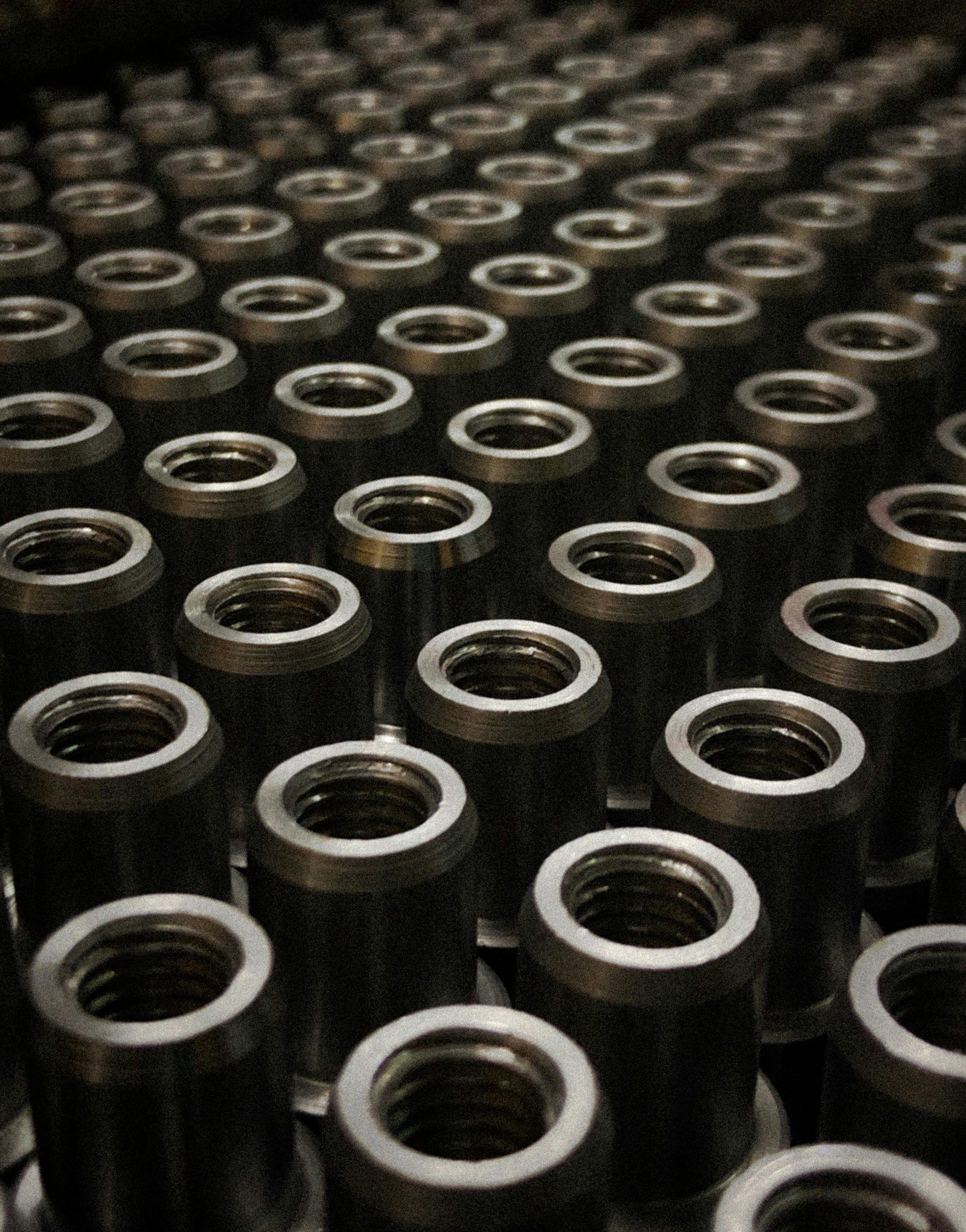
Tumbling Services for Deburring and Smoothing
Barrel and vibratory finishing that removes burrs, breaks sharp edges and gives whole batches of small parts an even surface.
We tumble CNC machined and sheet metal parts in our own factory, in aluminum, steel, stainless steel, brass and copper, as a deburring step before further finishing or as a final satin finish, for prototypes and production batches. Every quote is reviewed by an engineer within 24 hours, simple parts often in 2–4 hours, and there is no minimum order quantity.
What Is Tumbling?
Tumbling, also called mass or barrel finishing, puts many parts into a container together with abrasive media, water and a compound. The machine keeps parts and media moving against each other, so the media rub off burrs, round sharp edges and smooth the surface of every part at the same time.
The media decide the result: ceramic media cut and deburr, plastic media give a gentler, finer finish, and steel or polishing media burnish the surface brighter. The compound cleans the parts, keeps the media working and protects steel against rust.
Because a whole batch is finished in one load, tumbling is the most economical way to deburr small parts and give them a consistent satin look, and rounded edges also reduce stress concentrations. It is a rough process, though: it does not remove all machining marks, and thin or sharp features can be rounded or bent.
Tumbling Specifications
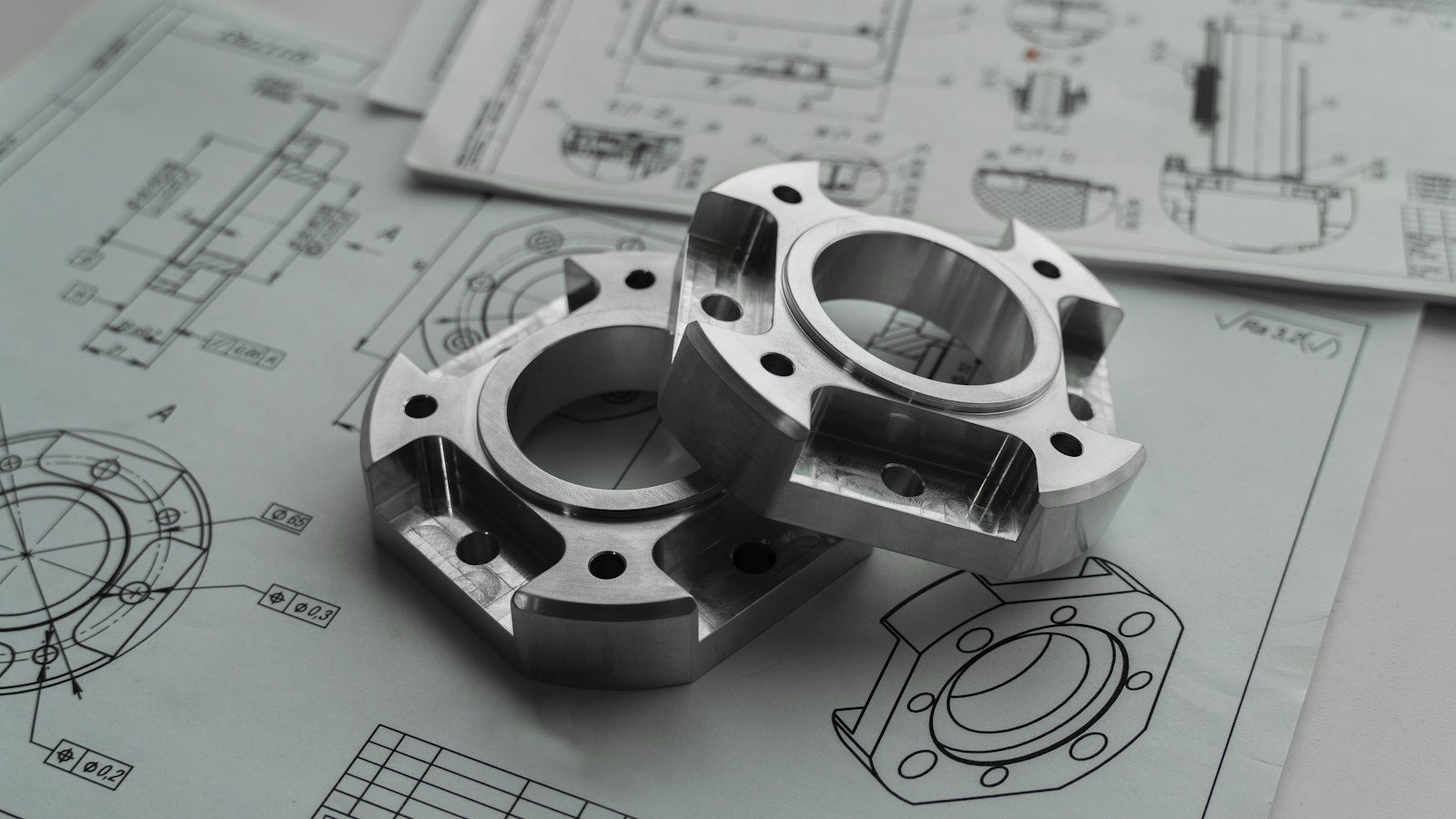
These are typical values for planning. The result depends on the material, the media and the cycle time, and we confirm it in your quote.
| Property | Specification | Notes |
|---|---|---|
| Materials | Aluminum, steel, stainless steel, brass, copper | Plastics, ceramics and composites with suitable soft media |
| Methods | Barrel, vibratory and centrifugal finishing | Chosen by part size, shape and finish |
| Media | Ceramic, plastic, steel and polishing media | Sized so that they do not lodge in holes |
| Appearance | Even, slightly matte satin | Brighter with plastic, steel or polishing media |
| Edges | Burrs removed, edges lightly rounded | The radius grows with time and media |
| Material removal | Up to about 13 µm (0.0005 in) | With aggressive media and long cycles; far less with fine media |
| Machining marks | Reduced, not fully removed | Combine with blasting or polishing for a uniform look |
| Part limits | Small to medium parts that fit the machine | Thin, sharp and delicate features are not ideal |
Benefits of Tumbling
Tumbling deburrs and evens out many parts at once, which is why it is the usual first finishing step for small machined, stamped and sheet metal parts. The points to plan for are in the design considerations further down.
The media rub off burrs and break sharp edges on every exposed edge, leaving a uniform, smoothed surface that is safe to handle and ready for the next finish.
A whole batch is finished at the same time, so tumbling is highly productive and one of the most economical ways to deburr small machined, stamped and sheet metal parts.
With the same media, compound and cycle time, every part and every batch gets the same edge break and surface, which keeps assembly and later coatings consistent.
Aluminum, steel, stainless steel, brass and copper tumble well, and plastics, ceramics and composites can be finished with suitable soft media and short cycles.
The even satin left by tumbling softens tool marks and improves the look of small parts, and polishing or steel media burnish them to a brighter finish.
Rounded edges and a smoothed surface remove the sharp notches where cracks start, which helps clips, springs, fasteners and other parts under cyclic load last longer.
Tumbling Methods
Three machine types are common, and we run all three in our own factory. We choose the method and the media from the size, shape and material of your part and the finish you need.
Barrel Tumbling
A closed barrel rotates, lifts the load and lets parts and media slide over each other. It is simple and economical for robust parts that may touch each other, and with steel media it burnishes them to a brighter surface.
- Action
- Rolling and sliding
- Best for
- Robust small parts, burnishing
Vibratory Finishing
An open bowl vibrates so that parts and media move through it in a spiral, scrubbing every surface evenly. It is gentler than a barrel, suits larger, flat and more delicate parts, and is the usual deburring method for machined and sheet metal parts.
- Action
- Vibrating, scrubbing
- Best for
- Machined and sheet metal parts
Centrifugal Barrel Finishing
Several barrels on a rotating turret spin in the opposite direction, which presses parts and media together with many times the force of gravity. This high-energy method works much faster and reaches finer surfaces on small precision parts.
- Action
- High-energy rotation
- Best for
- Small precision parts, fine finishes
Materials for Tumbling
Most metals and many plastics can be tumbled; the material decides the media, the cycle time and what follows. Our engineers check the grade and the next finishing step with every quote. Material certificates are available on request.
Metals and plastics
Hard media for steels, gentler media for soft metals and plastics.
Aluminum
Aluminum is soft, so it is tumbled with plastic or fine ceramic media and short cycles. Tumbling is a common step before anodizing, giving a batch of parts the same edge break and satin look.
Watch out for
Nicks where parts knock against each other
Typical parts
Brackets, spacers, small housings, panels
Steel
Steel tumbles well with ceramic media, which remove burrs from machined and stamped parts quickly. After heat treatment, a second tumble removes light scale. A rust-inhibiting compound protects the parts until they are coated or oiled.
Watch out for
Flash rust after the wet process
Typical parts
Pins, clips, fasteners, gears, stamped parts
Stainless Steel
Stainless steel is tumbled with clean ceramic or stainless media, so that no iron particles are left behind, and is usually passivated afterwards to restore its protective oxide film.
Watch out for
Contamination from steel media
Typical parts
Fittings, valve parts, medical and food equipment parts
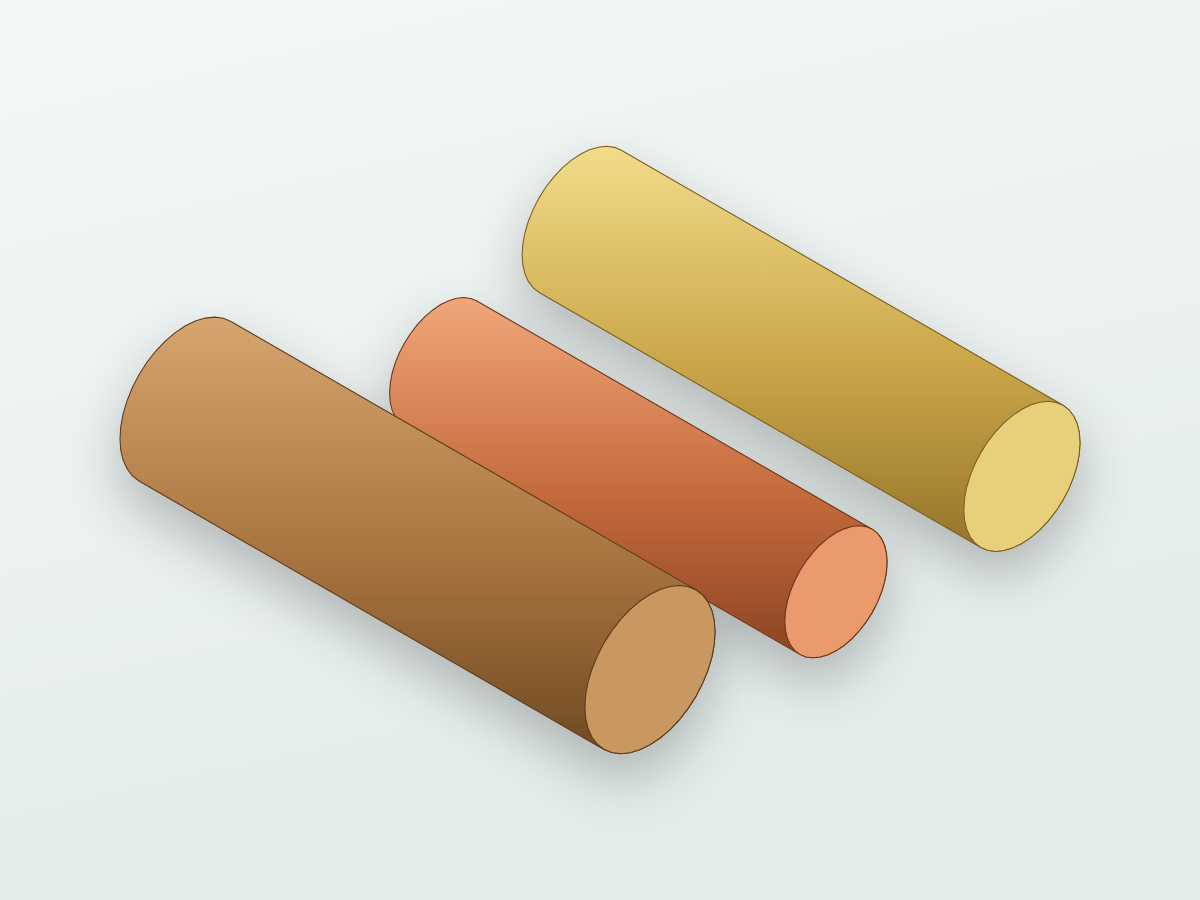
Brass and Copper
Copper alloys deburr quickly and can be burnished to a bright finish with fine or steel media, which also makes a good base for nickel or chrome plating.
Watch out for
Tarnish if parts are not dried quickly
Typical parts
Connectors, contacts, fittings, decorative hardware
Plastics
Gentle plastic or organic media remove the fine burrs and fuzz left by machining plastic parts without melting or deforming them, and give them an even, matte surface.
Watch out for
Heat and dimensional change in soft plastics
Typical parts
Gears, bushings, insulators, small housings
Tumbling Applications
Tumbling is chosen wherever many small parts need clean, safe edges and a consistent surface at a low cost per part.
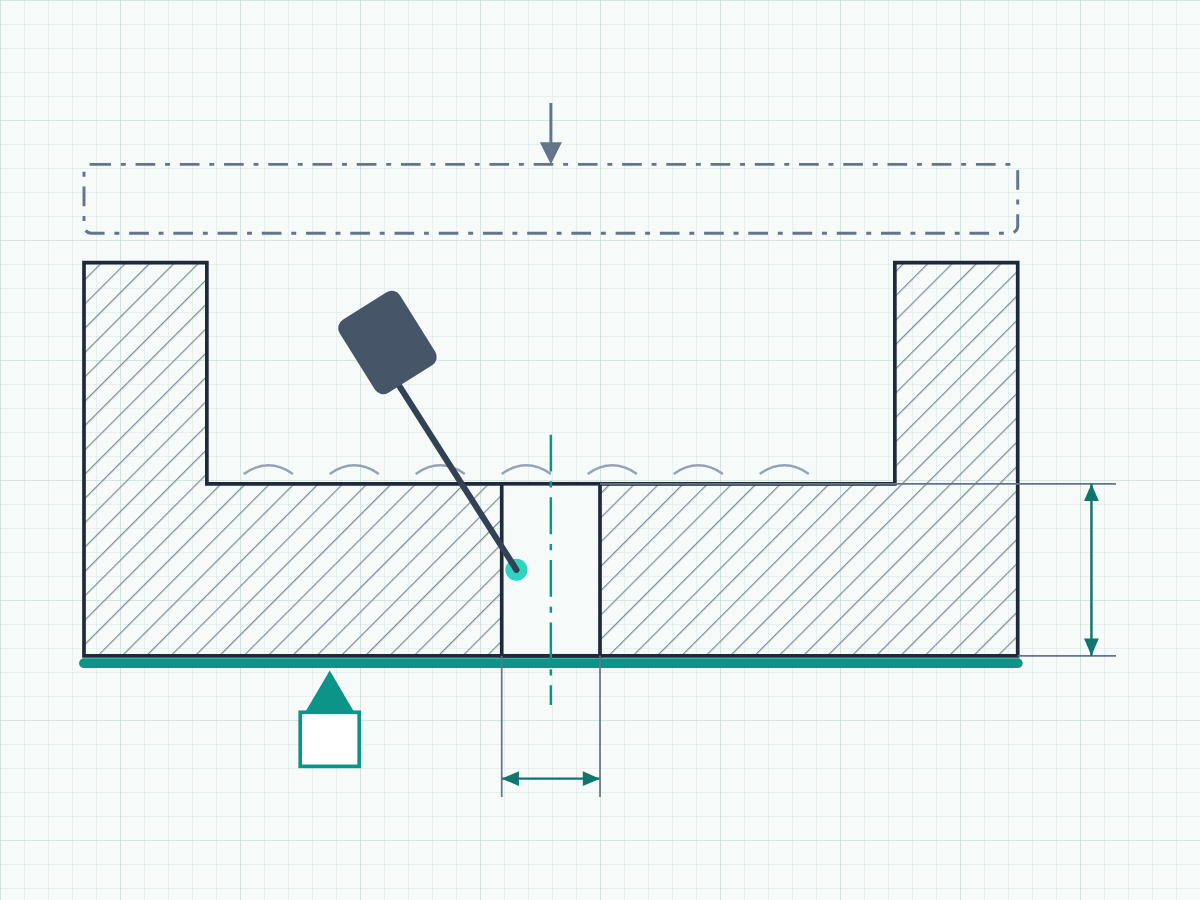
Automotive
Small machined and stamped parts such as clips, pins, bushings, brackets and connector parts are tumbled in batches to remove burrs that could loosen in service, damage seals or injure assemblers.
- Typical parts
- Clips, pins, bushings, brackets, connector parts, washers
Electronics
Sheet metal shields, contacts, busbars and small housings are deburred so that their edges cannot cut cables, scratch neighboring parts or cause short circuits, and so that plating covers them evenly.
- Typical parts
- EMI shields, contacts, busbars, brackets, small housings
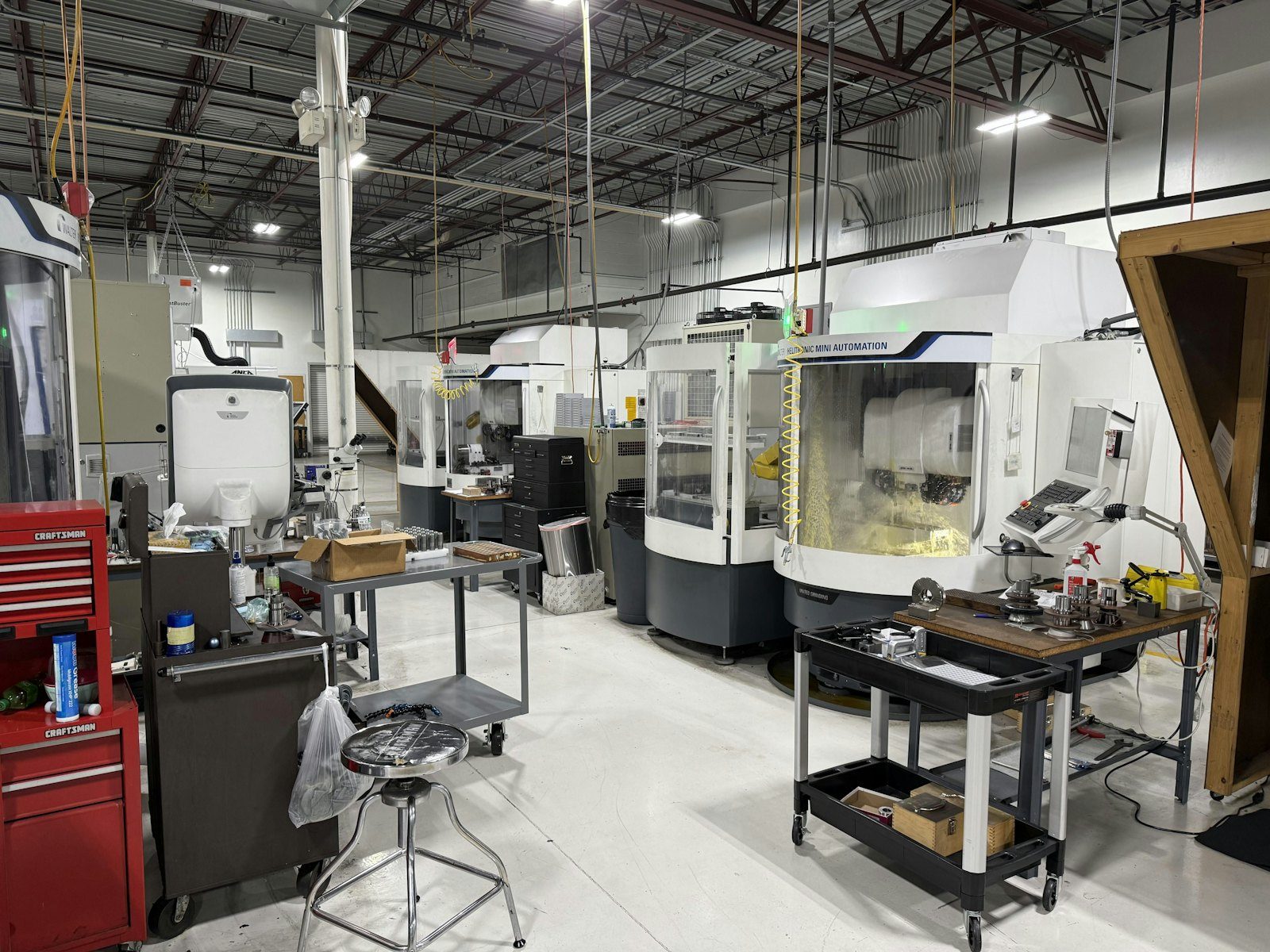
Industrial Automation
Fasteners, fittings, valve parts, spacers and machine components are tumbled for safe handling, better fits and a consistent look before plating, black oxide or assembly into machines and production lines.
- Typical parts
- Fasteners, fittings, valve parts, spacers, cams, gears
Design Considerations for Tumbled Parts
Tumbling treats every exposed edge and surface of a part the same way. These points help you get clean edges without losing the features that matter, and our free DFM review flags anything that adds risk before production.
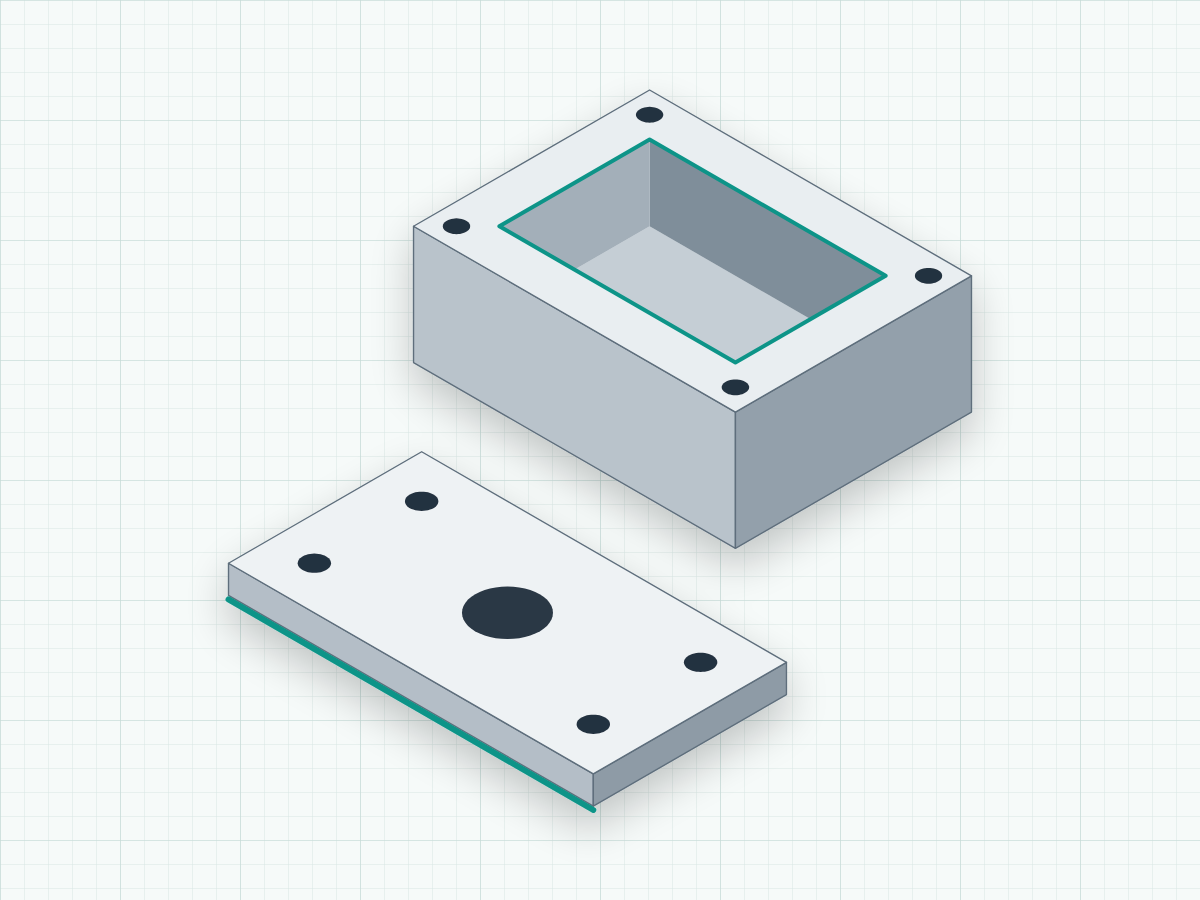
| Consideration | Recommendation | Why |
|---|---|---|
| Part size and shape | Small, compact parts; larger parts by review | Large or delicate parts are finished by other methods |
| Thin and sharp features | Avoid thin fins, needles and knife edges | Tumbling rounds and can bend them |
| Critical edges | Mark edges that must stay sharp | Tumbling rounds every exposed edge |
| Holes and slots | Keep them larger than the media, or plug them | Media can lodge in small holes and slots |
| Cosmetic faces | Mark them on the drawing | Parts knock against each other in the load |
| Tolerances | Allow a few micrometers on finished faces | Aggressive media remove material |
| Sequence | Deburr before heat treatment and coating | Hardened burrs are harder to remove; coatings need clean edges |
| Callout | "Tumble deburr, break all edges" plus any limits | One line defines the finish |
Tumbling Compared with Related Finishes
Tumbling is often weighed against, or combined with, these finishes, and we do all of them in our own factory. Each card shows where the other finish fits better and how it works with tumbling.
As-Machined Finish
Parts leave the machine with fine tool marks at Ra 3.2 µm as standard and edges broken by tool or hand. Tumbling adds a consistent edge break and a softer satin look across a whole batch.
- Roughness
- Ra 3.2 µm standard
- Edges
- Broken by tool or by hand
Sand Blasting
Blasting gives a more uniform matte that covers tool marks better, but it rounds edges much less than tumbling. The two are often combined: tumble to deburr, then blast for appearance.
- Appearance
- Uniform, non-directional matte
- With tumbling
- Tumble first, then blast
Heat Treatment
Hardening and tempering change the strength of steel parts. Burrs are best removed before hardening, while they are still soft, and a second tumble afterwards removes light scale and discoloration.
- Before hardening
- Deburr while the steel is soft
- After hardening
- Remove light scale
Anodizing
Tumbling before anodizing gives a batch of aluminum parts the same edge break and satin surface, so the anodized color comes out more even and the layer does not thin out on sharp edges.
- With tumbling
- Tumble first, then anodize
- Result
- Even color, clean edges
Polishing
Tumbling smooths a whole batch at low cost, while polishing brings selected faces to a high gloss or mirror finish. Tumble first to deburr, then polish only the faces that must shine.
- Versus tumbling
- Selected faces, higher gloss
- With tumbling
- Tumble first, then polish
Tumbling is usually the first step of a sequence: tumble, then heat treat, anodize, plate or blast. Tell us the full sequence, so that we plan edges, allowances and masking once.
Tumbling FAQs
What is the difference between barrel tumbling and vibratory finishing?
In barrel tumbling, parts and media are loaded into a closed, rotating barrel; as it turns, the load rolls and slides over itself, which deburrs and smooths the parts. In vibratory finishing, an open bowl vibrates and moves parts and media in a spiral, scrubbing the surfaces more gently and evenly. Vibratory finishing is easier to control and suits more delicate parts; barrel tumbling is simple and economical for robust ones.
How much material does tumbling remove?
With aggressive media and long cycles, tumbling can remove up to about 13 µm (0.0005 in) from exposed surfaces and more from edges. With fine media and short cycles, removal is much smaller. The amount depends on the material hardness, the machine, the media and the time: soft metals lose material faster than hard ones. Mark tight-tolerance faces, and we choose the media and cycle accordingly.
Which parts are suitable for tumbling?
Small and medium-sized parts that are robust enough to touch each other are ideal: machined and stamped brackets, pins, clips, fittings, gears and sheet metal parts. Large parts, parts with thin walls, fine threads or knife edges, and parts with high-gloss cosmetic faces are usually finished by other methods, or tumbled with fixtures or dividers that keep them apart.
Will tumbling remove all machining marks?
No. Tumbling removes burrs and softens the surface, but deeper tool marks and step lines from machining usually remain visible. If you need a uniform look without visible marks, combine tumbling with sand blasting, brushing or polishing. For the most even appearance, a smoother machined surface before tumbling also helps.
Can tumbled parts be anodized, plated or coated?
Yes, and tumbling is a common preparation for these finishes. Clean, burr-free edges plate and anodize evenly, and coatings do not crack on sharp corners. Tumbling also gives a batch the same surface, so the color after anodizing is more consistent. Parts are cleaned and dried after tumbling, so that no compound remains before the next finish.
Can tumbling damage my parts?
It can, if the method does not suit the part. Parts knock against each other, which can nick soft metals and cosmetic faces, and thin features can bend. Media can lodge in small holes. We prevent this with the right media size and type, shorter cycles, smaller loads or dividers, and by plugging holes. Tell us which faces and edges are critical.
How do I specify tumbling on my drawing?
A note such as "Tumble deburr, break all sharp edges, no visible burrs" is usually enough. Add any limits, for example a maximum edge radius, faces that must stay sharp or cosmetic faces that must not be marked. If you need a particular appearance, send a sample or photo, and state the next finish, such as anodizing or plating.
How does tumbling affect cost and lead time?
Tumbling is one of the most economical finishes, because a whole batch is processed in one load and little hand work is needed. A cycle usually takes a few hours, depending on the media and the finish required. Extra steps such as fixtures, separation of cosmetic parts or a second polishing cycle add time. We confirm the price and schedule with your quote.
How do I get a quote for tumbled parts?
Send a STEP or IGES model with a PDF drawing that shows the material, quantity and edge requirements. An engineer reviews every request and sends a detailed quote within 24 hours, simple parts often in 2–4 hours, with free DFM feedback on edges, holes and finishing steps. There is no minimum order quantity, and single prototypes are welcome.
Get a Quote for Tumbled Parts
Send us your models and drawings with the edge and surface requirements. We make and tumble the parts in our own factory, and our engineers reply with a detailed quote and free DFM feedback within 24 hours.

Jane
BOHUI PROTOTYPES LIMITED
Tell me the material, the quantity and the next finishing step, and point out any edges that must stay sharp and any cosmetic faces.
You can send your request first and add files later by email or WhatsApp. For confidential designs, contact me before sharing your files.
Jane
BOHUI PROTOTYPES LIMITED
- Address: Xiaobian Street, Chang'an Town, Dongguan City, Guangdong Province, China
Request a Quote
Fields marked are required.