Black Oxide Finish for Steel Parts
A deep black conversion coating for steel, stainless steel and copper alloys that adds almost no thickness to precision parts.
Black oxide turns the surface into a black layer under 1.5 µm thick, sealed with oil or wax against corrosion. We blacken CNC machined and sheet metal parts to MIL-DTL-13924 or AMS 2485 in our own factory in Dongguan, quoted by an engineer within 24 hours.
What Is Black Oxide?
Black oxide, also called blackening, is a chemical conversion coating. Instead of depositing a layer, the bath converts the surface of steel into magnetite (Fe3O4), a black iron oxide that is part of the metal and adds almost nothing to its dimensions.
Parts are degreased, rinsed and descaled, immersed in a hot alkaline salt bath for several minutes, rinsed again and sealed. The black layer itself is porous; the oil, wax or lacquer that soaks into it gives most of the corrosion protection.
The result is an even, deep black surface that cuts glare, reduces galling between sliding parts and keeps fits and threads unchanged, which is why it is common on tooling, fixtures, gears and fasteners.
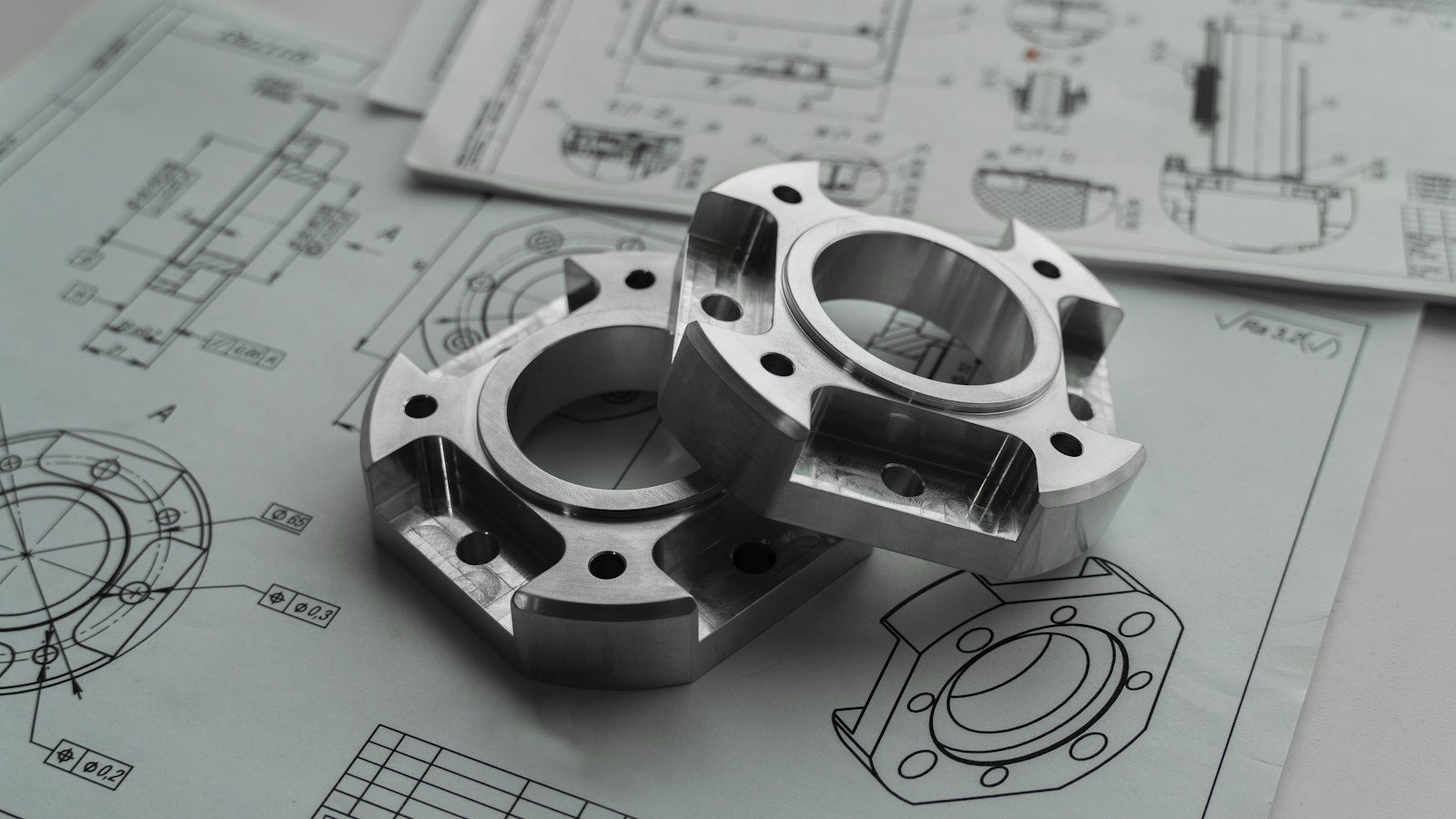
Black Oxide Specifications
Typical values for hot black oxide on carbon and alloy steel, the standard process in our own factory. Give the standard, class and sealant on your drawing, and we confirm them in your quote.
| Property | Specification | Notes |
|---|---|---|
| Standard | MIL-DTL-13924 or AMS 2485 | Class by base metal |
| Coating thickness | Under 1.5 µm (0.00006 in) | No allowance needed on fits or threads |
| Color | Uniform black, matte to semi-gloss | Set by sealant and surface |
| Materials | Carbon, alloy and tool steels | Stainless and copper alloys: dedicated baths |
| Sealant | Rust-preventive oil as standard | Wax or lacquer on request |
| Corrosion resistance | Mild, mainly from the sealant | For indoor, dry or oiled service |
| Hardness and strength | Unchanged | Bath below tempering temperatures |
| Sliding parts | Reduced galling | Oiled surface aids running-in |
Advantages of Black Oxide
Black oxide gives steel parts a dark, even surface without changing their size, at low cost. The points to plan for are in the design considerations further down.
The conversion layer gives an even, deep black from matte to semi-gloss on every face, including bores and threads, for tooling, fixtures and visible steel parts.
The dark surface cuts glare and stray reflections, which suits camera and sensor mounts, optical parts and instruments, and tools used under bright workshop light.
At under 1.5 µm the layer adds no measurable thickness, so precision fits, threads and gauge dimensions stay as machined and need no allowance or masking for size.
The oil-soaked black surface helps sliding and threaded parts run in and keeps metal-to-metal contact from galling, on gears, shafts, pins and fasteners.
Sealed with rust-preventive oil, wax or lacquer, black oxide protects steel better than bare metal in indoor, dry or oiled service; without a sealant it rusts easily.
The bath stays below usual tempering temperatures and the layer is only a surface conversion, so heat-treated parts keep their hardness, strength and mechanical properties.
Black Oxide Processes
Three process families give a black finish, differing in bath temperature, surface chemistry and durability. We run hot black oxide as standard and the other two where a part calls for them.
Hot Black Oxide
Parts are immersed in an alkaline nitrate and nitrite bath at about 140 °C (285 °F), which converts the surface into magnetite. It gives the most durable, even black and is the standard process for steel.
- Layer
- Magnetite, under 1.5 µm
- Durability
- Highest
Mid-Temperature Black Oxide
A bath at about 90–120 °C (195–250 °F) also forms magnetite, but below the boiling point of the solution, so there are no caustic fumes. On most steels the result is close to hot black oxide.
- Layer
- Magnetite
- Durability
- High
Room-Temperature Blackening
A copper-selenium solution deposits a black film at about 20–30 °C. It needs no heating, but the film is less abrasion resistant and depends even more on its oil, so it suits touch-up and low-demand parts.
- Layer
- Copper selenide deposit
- Durability
- Lower
Materials for Black Oxide
Black oxide is a finish for ferrous metals first; stainless steel and copper alloys need dedicated processes, so our engineers check the grade with every quote.
Steels and copper alloys
Material certificates are available on request.
Carbon and Alloy Steel
The ideal base: hot black oxide forms an even, deep black on plain carbon and low-alloy steels, machined or sheet.
Typical parts
Fixture plates, brackets, shafts, gears, fasteners
Result
Deep, uniform black
Tool and Hardened Steel
Tool steels blacken well, and the bath stays below their tempering temperature, so hardness is kept; parts above about 50 HRC are reviewed first.
Typical parts
Punches, mold components, gauges, jigs
Result
Black to blue-black, depending on the alloy
Stainless Steel and Copper Alloys
We blacken both in dedicated baths: stainless steel in a special black oxide bath, copper alloys in an oxidizing bath of their own. Both give a less uniform black than carbon steel, so approve a sample first.
Typical parts
Optical mounts, instrument parts, fittings
Result
Black to dark grey, varying by grade
Black Oxide Applications
Black oxide is chosen where steel parts need a dark, low-glare surface and exact dimensions more than heavy corrosion protection.
Industrial Automation
Fixture plates, jigs, locating pins and tooling are blackened so that they keep their tolerances, resist light rust in oiled workshop conditions and show wear or damage clearly against the black surface.
- Typical parts
- Fixture plates, jigs, locating pins, clamps, tooling
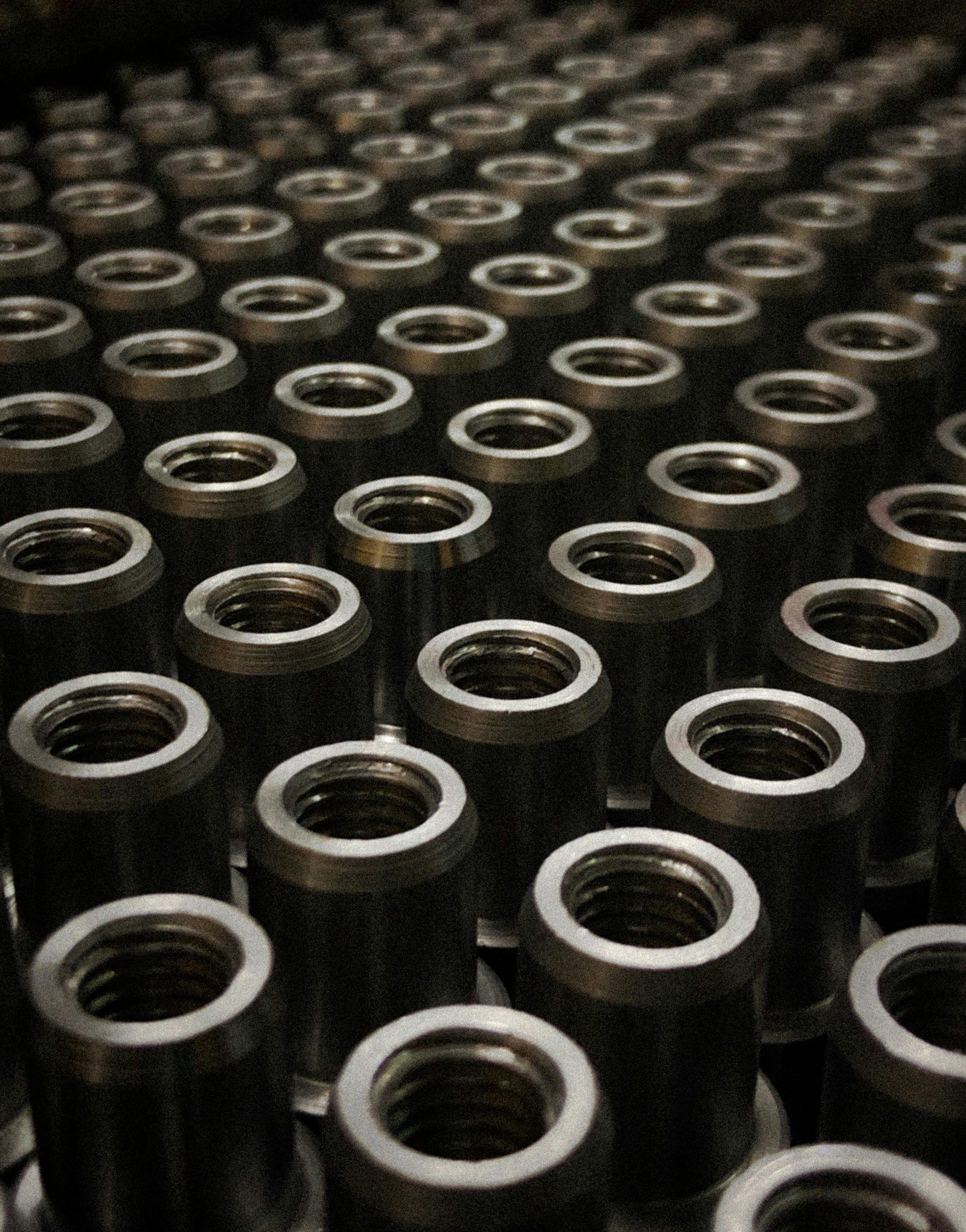
Automotive
Gears, shafts, fasteners and test fixtures use black oxide for an even appearance and anti-galling on threads and sliding faces, often after heat treatment and with an oil film for storage.
- Typical parts
- Gears, shafts, fasteners, bushings, test fixtures
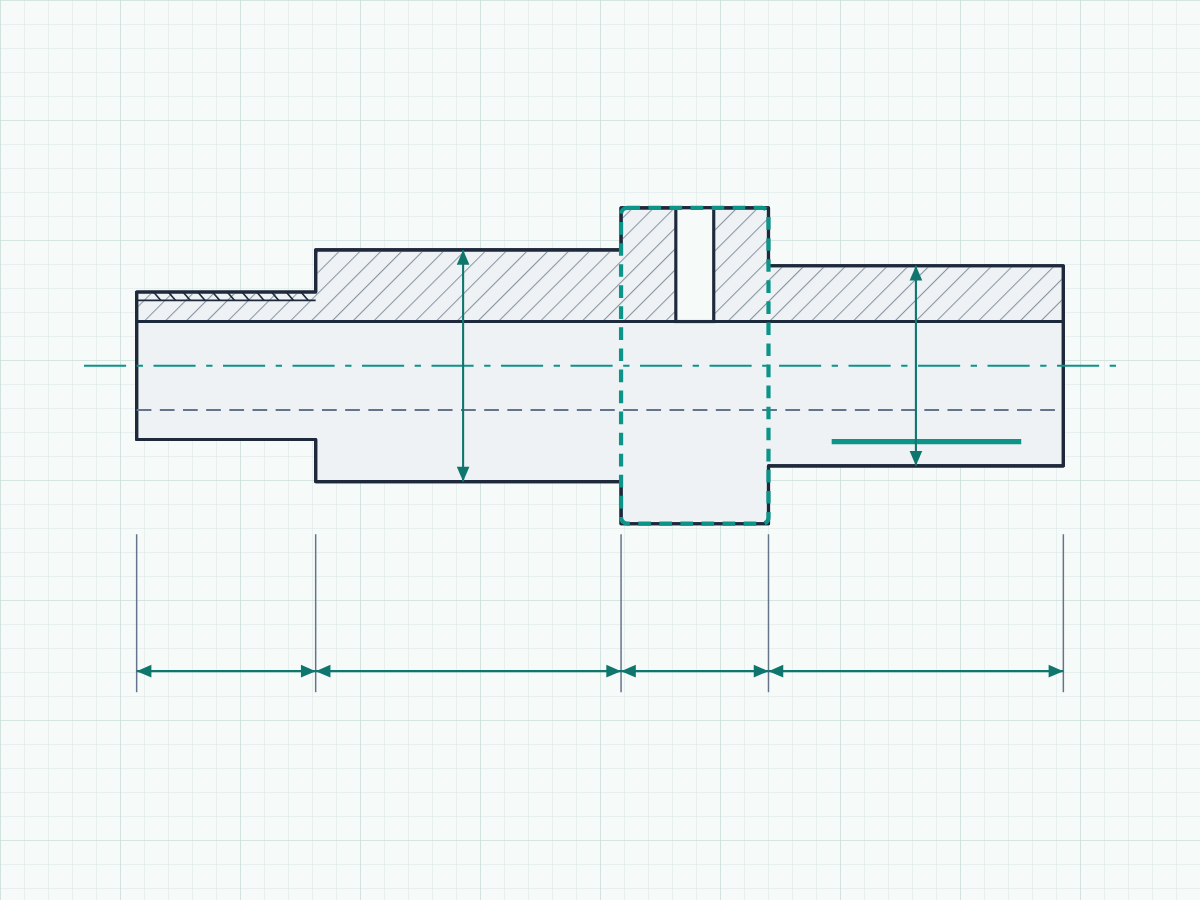
Robotics
Steel shafts, couplings, gears and camera or sensor mounts are blackened to cut reflections and keep precise bearing fits, typically inside sealed housings and enclosures where moisture is not a concern.
- Typical parts
- Shafts, couplings, pinions, sensor mounts
Design Considerations for Black Oxide Parts
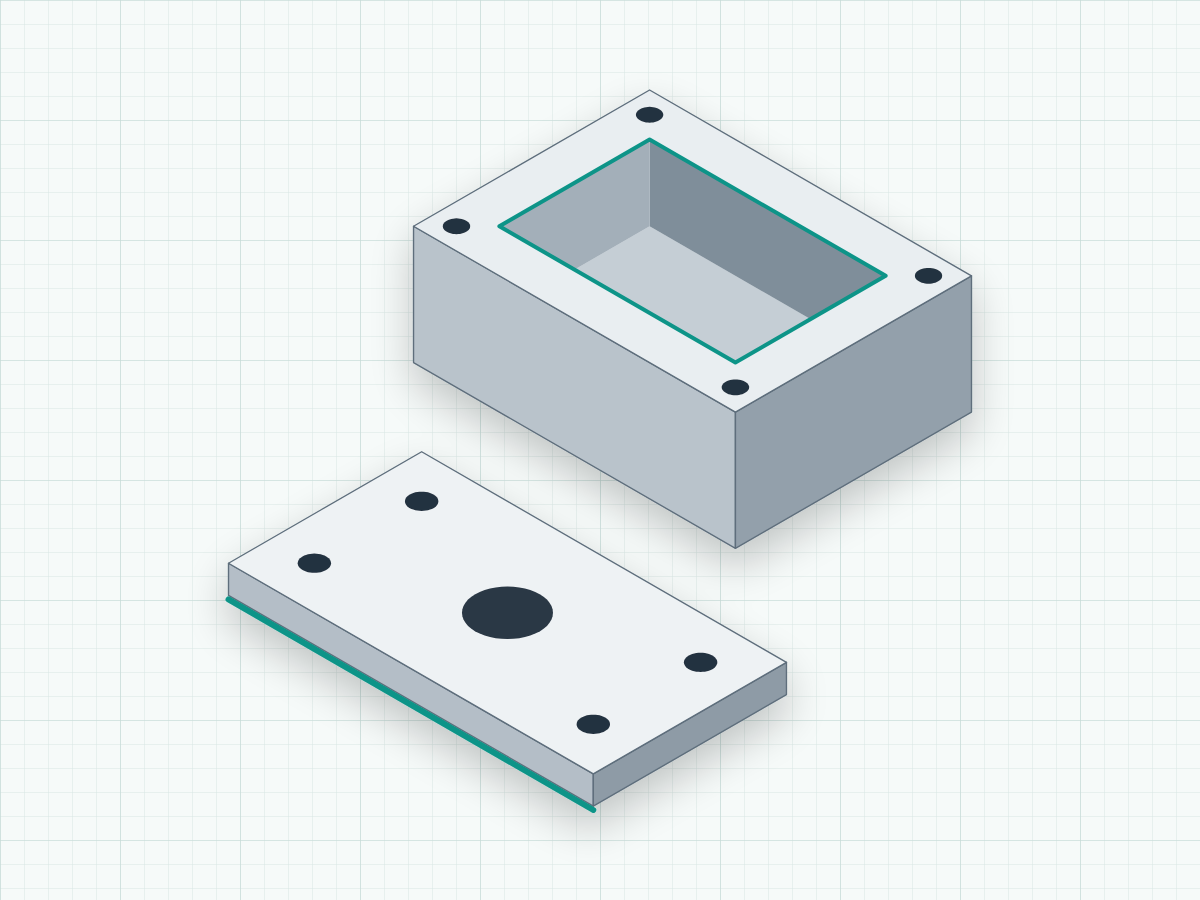
Black oxide is low in cost, keeps every dimension and gives a deep, even black with low glare. Its limits: protection is mild, depends on the sealant and does not suit damp or outdoor service.
| Consideration | Recommendation | Why |
|---|---|---|
| Dimensions and threads | No allowance needed | The layer is under 1.5 µm |
| Damp or outdoor service | Choose plating or electroless nickel | Black oxide relies on its oil film |
| Sealant | Oil for most parts; wax or lacquer if handled | Oil gives the best protection |
| Hardened parts | State the hardness on the drawing | Parts above about 50 HRC are reviewed first |
| Welded or pressed assemblies | Blacken parts before assembly | Salts trapped in seams bleed out and rust |
| Faces that stay bright | Mark them for masking | Masking keeps chosen faces uncoated |
| Drawing callout | "Black oxide per MIL-DTL-13924, Class 1, oiled" | One line gives us all we need |
Black Oxide Compared with Related Finishes
Black oxide is often combined with, or replaced by, these finishes, all done in our own factory. Each card shows what the other finish adds.
Heat Treatment
Heat treatment changes the steel itself: hardness, strength and wear resistance. Black oxide is often the final step on hardened tooling, because the bath does not soften it.
- Changes
- Hardness and strength
- With black oxide
- Applied after hardening
Electroless Nickel Plating
A uniform nickel-phosphorus layer protects against corrosion and wear far better than black oxide, at a measurable thickness. Choose it when parts face moisture, chemicals or sliding wear.
- Thickness
- Typically 5–25 µm
- Corrosion resistance
- Much higher
Electroplating
Zinc plating with a clear, yellow or black passivate protects steel against rust at low cost, and suits brackets and fasteners used outdoors or in damp areas.
- Thickness
- Typically 5–25 µm
- Options
- Zinc, nickel, chrome

Black Anodizing
Black anodizing gives aluminum parts the deep black that black oxide gives steel, with a hard, corrosion-resistant oxide grown from the metal. Choose it whenever the black part is aluminum.
- Thickness
- 5–25 µm Type II
- Materials
- Aluminum only
Powder Coating
Powder coating gives steel parts a thick, tough coat in black or any RAL color, with far better corrosion protection than black oxide. Its thickness suits frames and covers rather than precision fits.
- Thickness
- Typically 60–120 µm
- Colors
- Black and RAL colors
Black oxide works on ferrous and copper alloys only; for black aluminum parts, choose black anodizing. Ask for combined finishes in one request: we plan heat treatment, blackening, plating and masking in order, so every step is done in our own factory.
Black Oxide FAQs
Does black oxide stop rust?
Only together with its sealant. The magnetite layer is porous, so parts are sealed with rust-preventive oil, wax or lacquer, which gives mild protection for indoor and oiled service. For damp or outdoor use, choose zinc plating or electroless nickel instead.
Is black oxide available in other colors?
No. The process gives black only, from matte to semi-gloss depending on the surface and sealant, and a blue-black tone on some alloys. For colored steel parts, consider powder coating, painting or colored zinc passivates instead, and dyed anodizing on aluminum.
Does black oxide change the hardness of heat-treated parts?
No. The layer is a thin surface conversion, and hot black oxide runs at about 140 °C, below usual tempering temperatures, so hardness and strength are kept. For parts above about 50 HRC, tell us the hardness: we review the cleaning before blackening, because aggressive pickling can harm very hard steels.
Can black-oxided parts be bent or formed afterwards?
Light forming, such as staking or a gentle bend, is usually fine, because the layer is part of the metal and very thin. Heavy forming can crack or wear it and expose bright steel. Where parts are bent, as in sheet metal brackets, we blacken them after forming.
Can black oxide be applied to part of a component?
Yes. Faces that must stay bright are masked before the part enters the bath, so only the exposed areas turn black. Masking adds hand work, so mark only the faces that need it, and allow small transitions at the mask edges.
Can sintered powder metal parts be blackened?
Yes, but they are usually impregnated with resin first. Sintered parts are porous, and without sealing the pores the bath salts soak in and bleed out later as rust. Impregnation seals the pores and gives an even, lasting black finish.
Can blackened parts be stripped and refinished?
Yes. The black oxide is removed chemically, and the part is then cleaned and activated before it is plated or blackened again. Tell us the target finish and whether dimensions are critical, because stripping and replating each add process steps.
How do I specify black oxide on my drawing?
Give the standard, class and sealant, for example "Black oxide per MIL-DTL-13924, Class 1, oiled". Mark the faces that must stay bright and state whether dimensions apply before or after finishing. Without a specification, tell us the material, the environment and the look you want.
How do I get a quote for black-oxided parts?
Send a STEP or IGES model and a PDF drawing with the material, hardness, quantity and black oxide callout. An engineer reviews every request and quotes within 24 hours, simple parts often in 2–4 hours, with free DFM feedback. There is no minimum order quantity, and a CMM report is free of charge for the dimensions you specify.
Get a Quote for Black Oxide Parts
Send us your models and drawings with the black oxide callout. We make and blacken the parts in our own factory, and our engineers reply with a detailed quote and free DFM feedback within 24 hours.

Jane
BOHUI PROTOTYPES LIMITED
Tell me the material, its hardness, the quantity and the sealant you need, and point out any faces that must stay bright.
You can send your request first and add files later by email or WhatsApp. For confidential designs, contact me before sharing your files.
Jane
BOHUI PROTOTYPES LIMITED
- Address: Xiaobian Street, Chang'an Town, Dongguan City, Guangdong Province, China
Request a Quote
Fields marked are required.